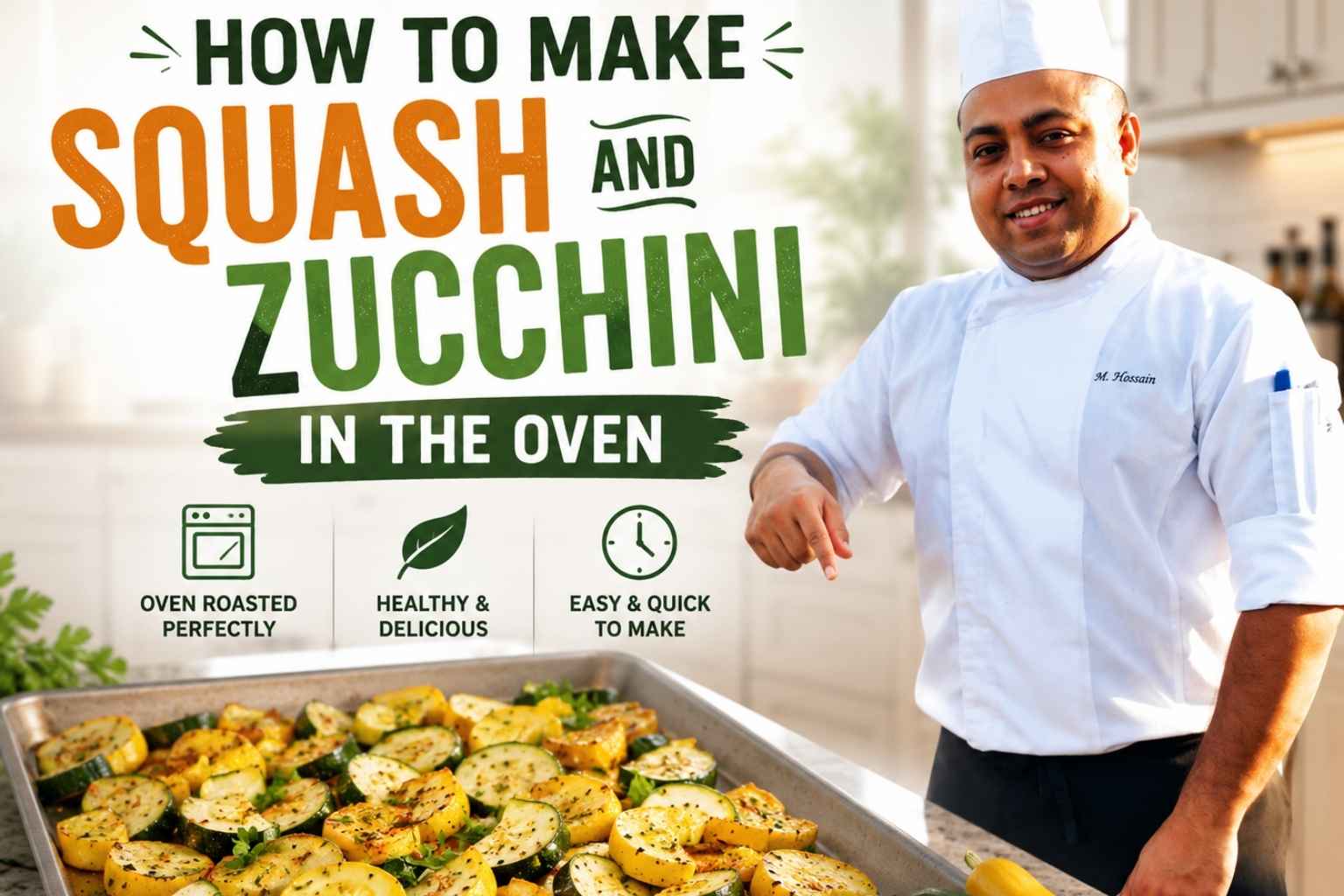

Hey, I’m Mossaraof — a professional cook and food blogger.
We all want those savory, saucy wings to take on a beautiful, golden-brown tan while the meat inside stays dripping with juice. I will show you how to bake marinated chicken wings so you get a restaurant-quality, shattered-glass crunch on the outside and a succulent, flavor-infused center.
My years in a busy Chicago kitchen taught me that patting the wings dry after marinating and roasting them on a wire rack is the true secret to preventing the sauce from burning while ensuring a perfect, even crisp. Use my Ultimate Guide to Master Your Oven to find the best rack position for a high-heat bake that caramelizes the marinade into a sticky, delicious glaze. Let’s grab your favorite baking sheet and start this bold, finger-licking meal together right now!
To interlink these resources naturally into your text, I have integrated them using relevant keywords and context. Here is the updated version of your article:
What the Marinade Actually Does
A good marinade sounds simple. Some oil, maybe some soy sauce, a splash of vinegar or lemon, garlic, a little sweetness. But once it hits the heat? Everything changes.
- Oil-based marinades help the skin brown and stay juicy.
- Acid-heavy marinades (lemon, vinegar, wine) can make the meat too soft if they sit too long.
- Sugar-based sauces (think teriyaki or BBQ) love to burn if the oven’s too hot.
One time in Florida, I tossed wings in a citrus-chili glaze and went with my usual 400°F setting. Ten minutes in, the smell turned from sweet to scorched. The sugar caramelized way too fast. Lesson learned. Now I always ask: what’s in the marinade? That answer tells me how to bake, whether I’m making wings or even oven-baked Cornish hens.
The Role of Time in Marinating
I’ve done it all — from tossing wings in sauce and baking right away, to letting them sit for a full 24 hours. They each bring a different flavor ride.
- Short marination (1–2 hours): Lighter flavor, faster cook, great for last-minute meals like baked chicken tenders.
- Overnight soak: Deeper flavor but riskier if there’s too much acid or salt. This is a great technique for boneless chicken thighs which can handle longer soak times.
- Pre-marinated store wings: These are sneaky. I bought a pack at Walmart once, opened it up, and the smell slapped me. Super salty, and oddly slimy. I ended up rinsing them and patting dry before baking — which helped a lot.
The longer the soak, the more the wing absorbs. But too long? It can turn into mush or cook unevenly, especially if you’re baking them straight from cold. If you are short on time and working with freezer staples, you might find my guide on how to bake frozen chicken drumsticks or frozen chicken strips helpful.
I usually stick to 4–6 hours in the fridge. Long enough to develop flavor, short enough to stay firm. And I always dry the wings with paper towels before baking — that extra moisture only messes with crispiness.
Oven vs. Grill vs. Air Fryer for Marinated Wings
I’ll be honest: I love grilling. Especially in spring when it hits 70°F in Chicago and the snow finally melts. But if we’re talking how to cook marinated chicken wings in the oven? That’s the method I trust year-round. It’s the same reliable approach I use for garlic parmesan chicken wings or breaded chicken cutlets.
Here’s how they compare, in my real-life kitchen:
- Oven: Most consistent for large batches. You get even cooking and a deep roast if the temp’s right. To maximize your efficiency, learn how to bake evenly on multiple racks.
- Grill: Smokier flavor, great char, but trickier for wet marinades — they drip into the flame and cause flare-ups.
- Air Fryer: Super crispy, super fast… but you can’t make more than a dozen at a time. For larger white-meat portions, I still prefer using a convection oven for chicken breasts.
When I stayed in Arizona last fall, the Airbnb only had a toaster oven. I thought I’d mess up the batch — but nope. Ten garlic-soy wings on a rack at 375°F, turned halfway, came out beautiful. This “baked-until-crispy” method is also why I love making chicken flautas, chicken empanadas, or even a tray of chicken enchiladas in the oven.
So yeah, you don’t need fancy equipment to make world-class wings or a perfect chicken parmesan. But you do need a plan.
Best Temperature to Bake Marinated Chicken Wings
Some days I need those wings done fast. Other days, I’ve got time to sip coffee while the oven hums. Either way, picking the right oven temp has been key to nailing that perfect balance between crispy skin and juicy center.
I’ve tested everything from 325°F to 450°F — in wintery Chicago apartments and during hot Florida afternoons when turning on the oven felt like a dare.
325°F — Low and Slow for Thick Sauces
There was a rainy Sunday in November when I tried honey mustard wings at 325°F. I had jazz playing, slippers on, and zero rush. I wanted that slow-roasted, fall-off-the-bone feel.
And it worked — almost too well. The wings were tender and sticky, but the skin stayed soft. If you like that BBQ-pulled-chicken vibe, this low temp gets you there.
Best for:
- Thick, sugary sauces like BBQ, honey garlic, or teriyaki
- Cooking while multitasking — nothing burns fast at 325°F
Caveat: You’ll need to broil at the end if you want a crisp top. And it adds time — 55+ minutes usually.
375°F — My Personal Sweet Spot
This one’s my go-to for most marinades. It’s hot enough to roast the skin and develop color, but not so hot that sugar burns. I’ve used this temp in my Whirlpool electric oven and my old gas oven from my college days — both gave consistent results.
When I’m baking buffalo-marinated wings or lemon-herb ones, I preheat to 375°F and just let them ride for 45–50 minutes. Flip once, maybe baste at the end.
Why it works:
- Evens out the cook, inside and out
- Handles sugar, oil, and acid-based marinades
- No babysitting needed (just set a timer)
USA tip: In high-humidity states like Florida, I notice wings take slightly longer to brown. In Arizona, the dry heat gives faster crisping at this temp.
400°F — Crispy, Quick, But Tricky
I use this when I want dinner fast — and I’m standing by the oven. It’s perfect for oven roasted marinated chicken wings with thinner marinades, like buffalo or garlic lemon. But it’s also where things can go sideways.
One weeknight, I tossed some Cajun-marinated wings on a pan at 400°F and went to fold laundry. Came back to edges burnt, marinade cooked down to glue. Rookie move. Never again without a timer.
Best when:
- You want crisp skin without broiling
- Your marinade doesn’t have too much sugar
- You’re baking on a rack (better airflow = crispier skin)
Pro move: Use dark metal sheet pans — like those from Nordic Ware. They conduct heat better, especially at this temp.
425°F — High Heat for Char Lovers
I only use this for smaller, dry-ish marinated wings. Like garlic-parmesan or spicy dry rubs with a little oil. It gives fast browning, even a charred edge — but only if you’re watching like a hawk.
When I cooked marinated chicken wings in oven at 425°F during a cold night in Wisconsin, the skin got crispy in under 30 minutes. But a few thicker ones dried out inside. So this temp is a gamble.
Only use if:
- You know your oven runs cool
- You’re using a marinade with no sugar
- You don’t mind checking every 10 minutes
If you’re using a convection oven, drop the temp to 400°F to get the same crisp without burning.
How Long to Bake Marinated Chicken Wings in the Oven
This is the part I used to mess up the most. I’d get everything right — the marinade, the tray, even the flipping — but then either undercook the middle or dry them out waiting for that golden crust. Timing, I’ve learned, isn’t just about doneness. It’s about texture, flavor, and how your oven behaves.
I’ve tested this at least a dozen different ways — on weeknights, during game days, even in those last-minute “oh no, people are coming over” panic moments.
How Long to Bake Raw Marinated Chicken Wings
When I prep wings from scratch — marinated in the fridge for a few hours — I always aim for a balance between crispy outside and juicy inside.
Here’s what works in a regular U.S. home oven:
- 375°F: Bake for 45–50 minutes, flipping once around the 25-minute mark.
- 400°F: Bake for 35–40 minutes, still flipping halfway for even browning.
- 425°F: Bake for 30–35 minutes, but watch the last 5–10 minutes closely.
Sometimes I’ll baste extra marinade on them during the final 10 minutes — but only if I’ve boiled that marinade first (safety first, always).
💡 Personal quirk: I use a digital meat thermometer and aim for at least 175°F in the thickest part of the wing. Yes, USDA says 165°F is safe, but wings taste way better with a little extra cook.
How Long to Bake Pre-Marinated Chicken Wings (Store-Bought)
Let me say it now — not all pre-marinated wings are created equal. Some are raw. Some are already cooked. Some say “ready to eat,” but I wouldn’t risk it.
I once bought a spicy Korean BBQ pack from a U.S. grocery chain (not naming names), and even after 25 minutes at 400°F, they still looked pale and wet. That’s when I flipped the box and saw they were only par-cooked.
My usual rule for these:
- 375°F for 25–30 minutes, flipping once
- Broil for 2–4 minutes at the end to crisp the top
- Always check the internal temp (again, 175°F is my comfort zone)
📌 If it says “fully cooked,” 20–22 minutes at 375°F is plenty. If it’s raw, treat it like homemade and go the full 45–50.
In a Toaster Oven or Convection Oven
I’ve used toaster ovens in tiny apartments, Airbnbs, and even on the counter during oven repairs. They actually work great for wings — if you adjust the time.
- Reduce baking time by 5–8 minutes
- Still flip halfway through
- If the top is browning too fast, tent with foil for the first 15 minutes
🧂 Last fall in Arizona, I made garlic-ginger wings in my Breville toaster oven. 400°F for 28 minutes, flip at 14, baste at 20, broil at the end. They turned out crispier than my full oven batches.
The smaller space in a toaster oven gives stronger top-down heat — just make sure you don’t overcrowd the tray.
Tools and Trays I’ve Used (And What Actually Works)
Over the years, I’ve baked marinated wings on just about every surface—foil-lined trays, bare racks, glass dishes, cast iron pans. Some made cleanup easy. Some made me swear under my breath at stuck-on sauce.
Let me walk you through what’s worked best in my kitchen—and what I’ve learned the hard way.
Best Pans for Baking Marinated Wings
If you’re baking marinated chicken wings in the oven, the right pan makes a real difference. It’s not just about cooking time—it’s about airflow, crispiness, and whether your wings end up swimming in their own sauce.
Here’s what I’ve used (and how it turned out):
- Sheet pans with wire racks
This is my gold standard. When I place marinated wings on a rack, the heat hits both sides. No soggy bottoms, just crisp, juicy meat.
I use a USA-made Nordic Ware half-sheet pan and pair it with a cooling rack that fits snugly inside. - Cast iron skillet
In the winter, I like the way cast iron holds heat. If I’m cooking a smaller batch—maybe 10 wings—I’ll throw them in my Lodge skillet. It caramelizes the marinade and gives me that crispy edge.
Downside? Harder to clean when you’re working with sticky sauces like BBQ or honey mustard. - Glass or ceramic baking dishes
These come in handy when I want softer, roasted-style wings. They don’t crisp the skin, but they create tender meat and hold in moisture.
I use this method when I’m cooking for someone who doesn’t like crunchy wings (yes, those people exist).
Should You Line the Tray?
I’ve gone back and forth on this, and honestly, it depends on my mood—and the marinade.
- Foil: Easy cleanup, especially with sugary sauces. But if I don’t oil it first, the wings stick. Every. Time.
- Parchment paper: Great for gentle marinades, not so great at high temps (it browns at 425°F).
- Silicone baking mats: I tried this with lemon-herb wings. Easy cleanup, but no crisping underneath. Felt a bit rubbery.
⚠️ Warning from experience: Don’t bake wings directly on foil without oil. I once did that with a batch of teriyaki wings and peeled off more foil than meat.
If I’m chasing crispy marinated wings, I skip the liner and just scrub the tray later. It’s worth it.
U.S. Kitchen Brands I Trust (Because They’ve Survived My Oven)
I’m not into hyped-up gear. I like tools that survive high heat, spilled sauce, and late-night cleanups. These brands have held up in my real U.S. kitchen:
- Nordic Ware (Minnesota)
Their sheet pans are thick, don’t warp at 425°F, and last for years. I’ve dropped one. Still flat. - Lodge Cast Iron (Tennessee)
If you want baked wings that feel like they came off a grill, use a Lodge skillet. Just preheat it for 10 minutes first. - Reynolds Wrap
Their heavy-duty foil has saved my trays more times than I can count. I keep a box in the drawer just for wing nights.
You don’t need fancy gear. But you do need solid tools that handle both heat and sticky marinades.
Do You Cover Marinated Wings When Baking?
This is one of those small decisions that makes a huge difference — and I’ve gone both ways more times than I can count.
Sometimes I cover them and get soft, fall-off-the-bone meat. Other times I leave them uncovered and get crispy, golden skin with charred edges. It all depends on what I’m craving… or how much cleanup I want to deal with.
Covered Wings: Moist but Soft
Let me take you back to a gloomy Wednesday in Illinois. Cold outside, the kitchen smelled like garlic and herbs, and I wanted comfort food. I covered the tray with foil and baked the wings low and slow at 350°F. They came out juicy. Almost too juicy.
The flavor was great. The texture? More like braised chicken than wings. The marinade (olive oil, lemon juice, crushed garlic) had nowhere to go, so it steamed everything.
When I cover the wings:
- I’m using an acidic marinade like lemon or vinegar
- I want tender, not crispy
- I’m planning to broil at the end for color
It’s also a good move if I’m baking in a ceramic or glass dish — those don’t dry things out as fast, but they don’t brown the skin either.
Uncovered Wings: Crispy with Color
Now, if I’m cooking buffalo wings or anything with a sticky glaze (like teriyaki or honey BBQ), I leave them uncovered. That’s how I get those caramelized edges that pull away just right when you bite.
One Friday night, I made marinated buffalo wings in the oven for a friend visiting from New Jersey. 400°F, uncovered, on a rack. The sauce dried just enough to glaze, and the skin puffed slightly. It was so good, we didn’t speak for a full five minutes — just chewed.
When I don’t cover the wings:
- I want crisp skin
- The marinade has oil or dry spices
- I’m using a sheet pan and rack combo
📌 Bonus tip for U.S. kitchens: If your oven runs hot (like many older gas ovens), uncovered wings can brown too quickly. In that case, I start with the pan on a lower rack and move it up halfway through.
Best of Both: Start Covered, Finish Uncovered
Sometimes, I split the difference — especially with thicker sauces. I’ll cover the wings for the first half of baking, then remove the foil and let them roast the rest of the way.
Here’s what that looks like for me:
- Cover with foil for 20–25 minutes at 375°F
- Remove foil, baste with leftover marinade
- Bake uncovered for another 20 minutes
- Broil 2–3 minutes if I want extra crisp
I do this with soy-ginger marinades or sweet chili wings. The cover helps lock in the juices. The second half gives that gorgeous golden-brown finish.
🧂 And yes, I’ve forgotten to take the foil off before. Those wings tasted great, but looked pale and sweaty — like they’d just run a marathon in a raincoat.
Basting, Flipping, and Broiling — Little Moves, Big Flavor
This is where the magic happens. These little actions — barely a minute of effort — completely change how your marinated chicken wings turn out in the oven.
Some folks skip this part. I used to. But once I started basting and broiling with intention? Game-changer.
Flip Timing: The Halfway Hero
I used to flip too early. Once, I turned a tray of buffalo-marinated wings after just 10 minutes at 400°F, and all the sauce stuck to the tray instead of the wings. Waste of flavor.
Here’s what works for me now:
- Flip once, halfway through baking.
That’s usually 20–25 minutes in if I’m baking at 375–400°F. - Use tongs or a thin spatula to gently lift and turn.
- If the wings resist or stick, they’re not ready yet — wait another 3–5 minutes.
🍗 I’ve found that flipping earlier than halfway makes the marinade run off. Later than halfway? The bottoms might get too dark or dry.
When I’m cooking oven roasted marinated chicken wings with a thicker sauce (like bourbon BBQ), I flip and then brush a fresh coat of marinade on the exposed side. Adds shine, deepens flavor.
Basting Secrets (Without Ruining the Bake)
Let me say this clearly: do not keep basting with raw marinade. I’ve made that mistake when I was rushing, and it left me paranoid about food safety for the rest of the night.
Here’s what I do now:
- Reserve some marinade before it touches raw chicken.
- Or boil the leftover marinade for 2–3 minutes before reusing.
- Baste in the last 10–15 minutes of baking. Earlier than that, it just burns.
I love doing a final baste with garlic butter or spicy buffalo sauce. The smell alone is worth it — buttery steam wafting up when you open the oven door? Heaven.
And when I don’t feel like mixing anything extra, I melt a tablespoon of butter with a pinch of smoked paprika. That on top of already-marinated wings? Chefs kiss.
Broiling for the Final Touch
This is the chef’s torch without the torch. Just a quick blast of high heat that crisps, browns, and finishes the wings with that restaurant-style crust.
But — and I speak from a smoky kitchen experience here — do not walk away from the broiler.
I once broiled sticky honey-sriracha wings for 6 minutes while texting my cousin. By the time I remembered, the smell had shifted from caramelized to…well, campfire.
Here’s how I broil properly now:
- Set broiler to High
- Place tray on top rack
- Broil for 2–4 minutes, watching the entire time
- Rotate tray if your oven has uneven heat spots
🔥 Pro tip for U.S. kitchens: Older gas ovens with top-only broilers can brown the front faster than the back. I rotate my tray halfway through the broil.
If the wings start to blister or bubble, that’s your cue to pull them out. That little char adds so much flavor — especially for marinated buffalo wings or garlic-parm.
Cooking Marinated Chicken Wings in Different Ovens
Let me tell you — not all ovens behave the same. I’ve cooked marinated chicken wings in big double-door wall ovens, crusty old gas ovens, noisy countertop toaster ovens, and even those tiny coil-heated electric ones you find in college apartments.
Each one had its own “personality.” And the wings? They all turned out slightly different, even with the same marinade and temp.
Convection Oven Tips (A Chef’s Favorite for Crispy Skin)
My main kitchen has a convection mode, and I’ll admit — I’m a little obsessed. The fan blows hot air all around the wings, which means:
- Faster cook times (shave off 5–8 minutes)
- Even browning
- Crispier edges without over-drying
If I’m baking marinated chicken wings in a convection oven, I always reduce the temp by 25°F compared to regular ovens.
So if a recipe says 400°F, I go 375°F convection.
💨 One Sunday, I made a batch of citrus-garlic wings using convection bake. They were done in 30 minutes flat and came out golden and crackly. No flipping drama. Just perfection.
Toaster Oven Tips (Great in Small Kitchens or RVs)
When I was staying in an Airbnb in Arizona, the main oven was broken. All I had was a Breville toaster oven — and a bag of marinated Cajun wings I didn’t want to waste.
I thought it would be a mess, but it actually surprised me. The small oven space meant:
- Faster preheat
- Strong top-down heat
- More control, but smaller batches
Here’s how I handled it:
- Baked at 375°F for 28 minutes
- Flipped once at 14 minutes
- Broiled for 2 minutes at the end
- Used the included mini rack to elevate the wings (that airflow helped a ton)
📌 Tip for U.S. toaster oven users: Always check if your broiler is separate or built-in. Some models switch modes oddly, and I’ve ended up turning off the heat by mistake mid-broil.
Electric vs. Gas Ovens — Small Details, Big Impact
I’ve used both types across different kitchens in the U.S., and yep — they bake wings differently.
Gas ovens (like my old Frigidaire in Chicago):
- Heat from the bottom
- Slightly uneven heat zones
- Dry out the top more if you’re not careful
Electric ovens (like the Whirlpool I use now):
- Smoother, consistent heat
- More top-down browning
- Slightly slower to preheat
When I baked marinated chicken wings in oven at 400°F in a gas oven, the bottoms cooked fast but the tops looked pale. I had to finish them under the broiler to even things out.
In contrast, my electric oven gives me even color without that extra step. But I do rotate the tray at least once — front to back — around the halfway point.
What I Serve with Oven-Roasted Marinated Chicken Wings
Wings might be the star of the show—but the sides? That’s the mood. Over the years, I’ve figured out which pairings bring balance, texture, and just enough contrast to make the whole plate feel complete.
Some days I keep it old-school. Other times, I get weird and throw roasted radishes on the tray. Either way, these are my go-to combos—tried, tested, and devoured.
Go-To U.S. Pairings That Never Fail
These are the sides I turn to when I’m baking wings on a busy weeknight, or when friends are coming over for the game and I need something easy but crowd-pleasing.
- Celery sticks + ranch or blue cheese
Classic for a reason. Cold, crunchy celery cools the heat if I’ve gone heavy on the spice. I usually serve both dips — ranch for the Midwest folks, blue cheese for the East Coast loyalists. - Corn on the cob
During Florida summers, I roast corn in the oven on the rack next to the wings. I rub it with chili-lime butter and sprinkle cotija on top. It’s sweet, smoky, and goes great with buffalo or BBQ marinades. - Mac and cheese
On lazy weekends, I toss elbow pasta in a cast iron with cheddar, cream, and garlic. Bake it under the wings on the lower rack — it soaks in the aromas and feels extra indulgent. - Potato wedges or fries
I bake thick-cut russets tossed in olive oil, salt, and smoked paprika. They go in 10 minutes before the wings, and everything finishes together. Super satisfying.
Quick Oven Sides You Can Cook Together
If I’m tight on time (or oven space), I pick sides that share the same temp and timing. Here’s what works best when I’m baking marinated chicken wings in the oven at 375–400°F:
- Baby potatoes
Halved and tossed in olive oil + rosemary. Roast on a separate tray for 40–45 minutes. Flip once. - Broccoli florets
Add them to a tray during the last 20 minutes of wing time. I coat them in garlic powder and lemon zest for extra kick. - Sweet potatoes
Cubed and tossed with olive oil and cinnamon. They soften nicely while the wings crisp. - Roasted carrots
I throw in a handful of sliced carrots with a touch of maple syrup and cayenne. Roast for 30–35 minutes — they’re sweet, spicy, and surprisingly addictive.
🥕 One winter in Chicago, I served teriyaki wings with roasted carrots and a side of jasmine rice. I thought it’d be too soft all around — but it hit the spot. Warm, cozy, and flavorful without being heavy.
Unexpected But Fun Pairings
Every now and then, I like to shake things up. Here are some curveballs that worked better than expected:
- Pickled veggies
They cut through the richness of the wings, especially when I’ve gone sweet with the marinade. I keep a jar of quick-pickled onions or cucumbers in the fridge just for this. - Garlic bread
Yes, I’ve served wings with garlic bread. Especially when the marinade leans Italian or herb-heavy. Crispy, chewy, and great for mopping up sauces. - Coleslaw
For my Carolina BBQ wings, I do a vinegar-based slaw — no mayo. It’s tangy, crunchy, and balances the sticky heat.
Mistakes I’ve Made — So You Don’t Have To
I’ll be the first to admit: I’ve burned, undercooked, over-marinated, and absolutely ruined my fair share of wings. And honestly? Those mess-ups taught me more than any recipe ever did.
So here are the mistakes I’ve made baking marinated chicken wings in the oven — shared so you can skip the cleanup and just enjoy the wings.
1. Not Drying the Wings Before Marinating
This one’s easy to miss. I used to take raw wings straight out of the package, dunk them into marinade, and toss them in the fridge.
Problem is, the excess moisture diluted the marinade — and during baking, it steamed the wings instead of letting them brown.
💡 Fix: I now pat every wing bone-dry with paper towels before marinating. Always. Even pre-marinated store wings get a quick pat-down to help the skin crisp.
2. Over-Marinating in Acid
I once soaked a batch in lemon juice, garlic, and white vinegar overnight. I thought I’d get bold, citrusy flavor. What I got? Mushy wings with a weird texture, like boiled eggs with skin.
Acid breaks down protein. Leave it too long, and it doesn’t just tenderize—it weakens the structure.
⏰ My rule now:
- 2 to 4 hours max if the marinade is lemon-, lime-, or vinegar-based
- 8 to 12 hours for oil- and herb-based marinades
- Overnight only if the marinade is mellow (like yogurt, olive oil, or buttermilk)
3. Not Flipping or Moving the Tray
There was a night I popped a tray of chipotle-marinated wings into my older gas oven, cracked open a beer, and didn’t check once. Forty-five minutes later, the front row of wings looked perfect. The back? Pale and limp.
Some ovens—especially gas models—have hot and cool zones. If you don’t rotate or flip, half your wings may end up undercooked or rubbery.
🔁 Fix:
- Flip the wings at the halfway point
- Rotate the pan front-to-back if the heat’s uneven
Even my newer Whirlpool oven gets rotated when I’m cooking for guests.
4. Using Sugary Marinades at High Heat
One of my worst fails was baking teriyaki wings at 425°F. I wanted that sticky, glazed look. Instead, the sauce bubbled, then burned onto the foil like black tar. The wings were edible. The tray was not.
🔥 Lesson learned:
If your marinade has sugar (honey, molasses, BBQ, brown sugar, maple), bake at 375°F max.
Better yet, bake them at 350–375°F and broil at the end.
Or reserve some sauce and baste at the end, not the start.
5. Broiling Without Watching
This one still haunts me. A batch of marinated buffalo wings, five minutes under broil. I thought I could squeeze in a bathroom break. Big mistake.
I came back to a smoky kitchen, a blaring smoke detector, and wings that looked like charcoal briquettes.
💥 New habit:
If I broil, I stay. Period.
I hover with a mitt in hand, rotate the tray halfway through, and never go more than 2 minutes without checking.
Final Thoughts from My Oven
I’ve baked marinated chicken wings through every season — sweat dripping in summer heat, windows fogged in the dead of Midwest winter, even once during a thunderstorm when the lights flickered halfway through.
And every time, it’s a little different.
Some days the wings come out crisp and bronzed like I meant to open a food truck. Other days, the marinade clings weird, or a few overcook while the rest are just right. That’s the reality of home cooking — even with a chef’s background, it’s part recipe, part rhythm, part mood.
But I keep coming back to it. Why?
Because when it works — when the tray hits the counter and the smell fills the whole kitchen, when you bite through that crackly glaze and it gives way to juicy, flavorful meat — it’s worth every foil-covered pan and timer beep.
Here’s what I’ve come to trust in my own oven:
- Marinated wings need a little more care than plain ones, but the payoff is tenfold.
- The right temperature and time depends on the marinade — and the oven.
- Simple tools — like a good sheet pan, wire rack, and digital thermometer — make a big difference.
- Little things like flipping, basting, and broiling aren’t extras… they’re the flavor finishers.
And most of all?
Cooking wings in the oven isn’t just about food. It’s comfort. It’s the sound of a tray sliding out, the sizzle of sauce hitting hot metal, the first bite that makes you close your eyes and nod.
So try it. Mess up a batch. Tweak your timing. Figure out what your oven likes best.
Then make them again.
Because once you do it right, you’ll never look at frozen wings the same way again.
FAQs: How to Bake Marinated Chicken Wings
How to Bake Marinated Chicken Wings for the best flavor?
Bake marinated chicken wings at 200°C until crisp and cooked through. Let the marinade soak well first. This helps deep flavor and juicy meat every time.
How long should I bake marinated chicken wings in the oven?
Bake marinated chicken wings for 35 to 45 minutes. Flip once for even heat. Cook until the skin is crisp and the inside stays tender and juicy.
Should I cover marinated chicken wings while baking?
Do not cover the wings while baking. Open heat helps the skin turn crisp. Covering traps steam and can make the wings soft, not golden.
Can I bake marinated chicken wings without drying them out?
Yes, bake at the right heat and avoid overcooking. Use a good marinade and rest time. This keeps the wings soft inside with a crisp outer layer.
What is the best oven setting for baking marinated chicken wings?
Use bake or fan mode at 200°C for even cooking. Place wings on a rack for airflow. This helps crisp skin and cooks the wings well inside.

I’m Mossaraof, a trained chef and the founder of OvenInsights.com. I spent years cooking at Larrupin’ Cafe and in kitchens across Chicago and Seattle. Now I test kitchen gear for a living. I moved to North Acton, London, and I test every tool I write about. I use real meals and real heat. No brand deals. No shortcuts. I cover 12 kitchen types and hundreds of recipes. I believe this: the right tools matter as much as the recipe.