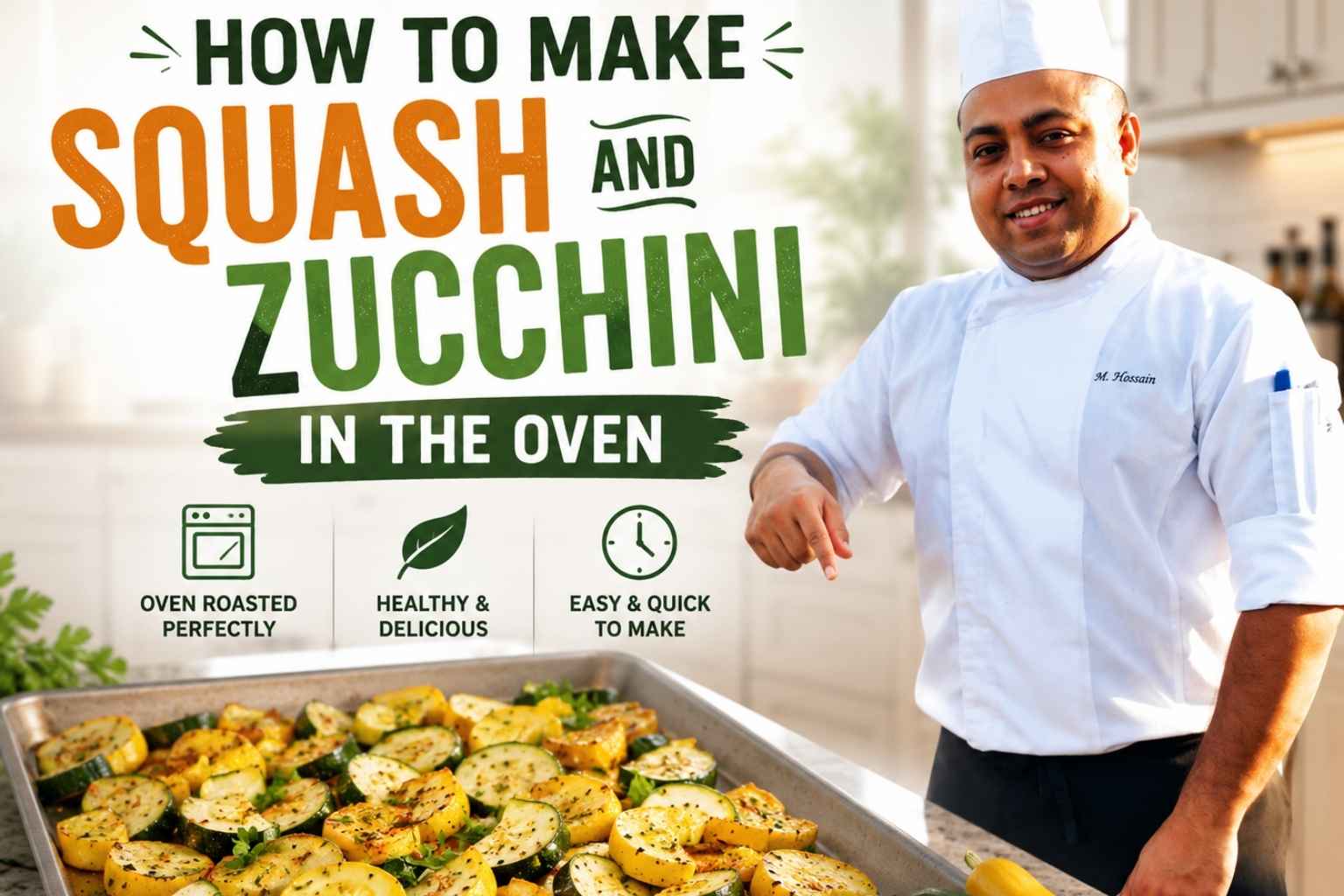

Hey, I’m Mossaraof — a professional cook and food blogger.
We all want that thin, golden crust that shatters with a loud crunch to reveal a tender, juicy bite of meat inside. I will show you how to cook chicken schnitzel in the oven so you get a perfect, fried-like snap without the heavy oil or messy stove.
My years in a busy Chicago kitchen taught me that a wire rack and a quick oil mist are the true secrets to a crisp bottom and an even, deep tan. Use my Ultimate Guide to Master Your Oven to find the best rack height for a fast, high-heat finish that keeps the meat moist. Let’s grab your favorite breadcrumbs and start this crispy, easy meal together right now!
What Is Chicken Schnitzel, Really?
Some folks hear “schnitzel” and think it’s fancy or complicated. But at its core, it’s just a breaded and flattened piece of meat — usually pork or chicken — cooked until golden and crisp.
I fell for chicken schnitzel the same way most people fall for pancakes — comfort food, simple, and always hits the spot.
Why I Fell in Love with Oven-Baked Schnitzel
Before the oven days, I always fried it. Pan, oil, splatter, chaos.
But baking changed everything:
- No greasy cleanup
- No oil smell lingering in the kitchen
- I could toss it in the oven and prep a salad or toast the buns while it cooked
And the best part? It still had that satisfying crunch. When you bite into the edge and it crackles just right? Yeah, that.
It’s also more forgiving. One time I got distracted making coleslaw, and it still came out golden instead of burnt.
Fresh vs Frozen Chicken Schnitzel
I’ve cooked both. A lot.
Fresh (Homemade) Chicken Schnitzel
- I pound the chicken breasts with a rolling pin (because I keep misplacing my mallet)
- Season them myself
- Use panko or homemade toasted breadcrumbs
- Control how much salt and spice goes into the coating
It’s great when I’ve got time and energy.
Frozen Store-Bought Schnitzel
- Handy on a busy night
- Aldi’s or Trader Joe’s versions work fine
- I add a few extra minutes in the oven and a mist of oil to crisp them up
U.S. cooks: if you’ve seen Coles schnitzels mentioned online, those are Australian — but the baking method works the same for frozen chicken schnitzel from Kroger or Publix here.
I’ve even baked them in a toaster oven. More on that later.
Tools & Ingredients I Always Use
Even when I’m tired or the kitchen’s already a mess, I’ve learned that having the right tools makes all the difference. If you’re trying to cook chicken schnitzel in the oven without deep frying, this setup will save your sanity.
Here’s what I actually use in my own U.S. kitchen — nothing fancy, just things that work.
Sheet Pans vs Roasting Trays
Quick story: the first time I baked schnitzel, I used a dark roasting tray. Big mistake. The bottoms browned too fast, while the tops stayed pale and patchy.
Since then, I stick with:
- Light-colored aluminum baking sheets — I use Nordic Ware or USA Pan
- Avoid dark metal trays — they overbrown the bottom
- No broiler pans — they dry out the schnitzel
When I want extra crunch, I place a cooling rack on the sheet pan and lay the schnitzels on top. That way, hot air gets underneath, and there’s no soggy base.
Parchment Paper or Silicone Baking Mats
I hate scrubbing pans, and baked-on crumbs are the worst. I always lay down:
- Parchment paper (Reynolds works great)
- Or a silicone baking mat (I use a cheap one from Amazon that’s lasted for years)
Bonus: It helps with even browning and keeps the coating intact when you lift it off.
Tongs, Thermometers, and Wire Racks
This sounds small, but it matters:
- Tongs: I use them to move schnitzel around without scraping the crust off
- Digital meat thermometer: I check for 165°F inside — especially useful if the schnitzel is thick
- Cooling rack: After baking, I rest the schnitzel on it so the steam doesn’t soften the crust
That last one saved my dinner more than once. I used to toss them on a plate, cover with foil, and wonder why they lost crunch in 5 minutes.
My Go-To Ingredients
Let’s talk real ingredients. Not “just use whatever.” I’ve tested enough to know what works best.
Chicken
- Boneless, skinless breasts — sliced horizontally, then pounded evenly
- Thighs work too, but they don’t get quite as flat
Breading Station Setup
I keep it old-school:
- Flour — seasoned with salt, pepper, garlic powder
- Egg wash — 2 eggs with a splash of water
- Breadcrumbs — my favorite part
Pro tip: I toast my panko crumbs in a dry skillet or oven first. It makes the schnitzel look deep-fried without ever touching oil.
Sometimes I mix in:
- Smoked paprika
- Onion powder
- Dried parsley
- Parmesan (just a tablespoon — adds umami)
Optional Add-Ins for Flavor (That Work for U.S. Palates)
I don’t go crazy, but if I want a little something extra:
- Dijon mustard in the egg wash
- Buttermilk marinade if I prep the night before
- Chili flakes for a spicy version my brother likes
In the U.S., most pantries already have these. No need to buy anything special.
Step-by-Step: How I Cook Chicken Schnitzel in the Oven
Here’s exactly how I bake schnitzel — whether it’s a Tuesday dinner or I’m batch-cooking lunch for the week. This is the routine I’ve tested and tweaked in different kitchens across the U.S.
Some days I’m in a rush, some days I’m feeling extra chef-y. Either way, this oven method always delivers that crispy outside and juicy center I’m after.
1. Preheat the Oven — Seriously, Do It First
This sounds basic, but skipping it leads to soggy schnitzel. Ask me how I know.
I preheat my oven to 400°F — not 375°F, not 425°F. Just 400. It hits the sweet spot for crisping without drying out the meat.
If I’m using a fan-forced (convection) oven, I set it to 375°F to compensate for the airflow. That’s what worked when I tested it in my friend’s Whirlpool convection oven in Arizona.
Here’s how I check that my oven’s truly ready:
- The thermometer inside shows 400°F (I don’t trust the oven beep anymore)
- I wait an extra 5 minutes if it’s winter (especially in Midwest homes where my old Frigidaire needed time to stabilize)
2. Prep the Chicken (Thin and Even Is Key)
I use boneless, skinless chicken breasts. I slice each one horizontally to make two thinner cutlets.
Then I cover them with plastic wrap and pound them with a rolling pin. My meat mallet went missing months ago, and honestly? The pin works great.
I aim for about ½ inch thickness. If it’s too thick, the outside browns before the inside cooks.
Before breading, I always:
- Pat them dry with paper towels
- Sprinkle with salt, pepper, garlic powder
Dry chicken = better coating. Trust me.
3. Set Up the Breading Station (And Don’t Bread Your Hands)
I use three shallow bowls:
- Flour: Seasoned with a bit of salt and paprika
- Egg wash: Two eggs + splash of water
- Breadcrumbs: Toasted panko mixed with dried parsley and a pinch of onion powder
Here’s how I keep things clean (well, mostly):
- Use one hand for wet and one for dry
- Press the breadcrumbs on firmly — I don’t shake off too much
If I’m making a big batch, I line a tray with parchment and lay the breaded schnitzels flat while I finish the rest. That way, they don’t stick together.
4. Bake on a Rack or Parchment — Both Work
If I have time, I use a cooling rack set over a baking sheet. That gives the schnitzel air circulation all around.
Otherwise, I lay them on parchment paper — it still crisps up beautifully, especially if I do one extra thing:
- Lightly spray or drizzle oil on top (I use avocado or olive oil spray — available in most U.S. grocery stores now)
I space them out so they aren’t touching. Crowding the pan = steamed chicken = no crunch.
I learned that the hard way during a rushed meal prep session with six schnitzels squeezed onto one tray. They came out more like sad cutlets.
5. Bake Time & Temperature Guide (For Any Oven Setup)
This is the part I wish someone told me years ago. I’ve included all the timing variations I’ve tested:
🔥 Fresh Schnitzel (Homemade)
- 400°F, regular oven
- 18–22 minutes, depending on thickness
- Don’t flip unless the bottoms seem too pale after 15 mins
❄️ Frozen Chicken Schnitzel in Oven
- 400°F, no need to thaw
- 22–28 minutes
- I usually add a spray of oil at the halfway mark for crispiness
🌬️ Fan-Forced (Convection) Oven
- Set to 375°F
- Reduce time by 2–4 minutes
- Watch closely after 15 minutes — it cooks faster than you expect
🔌 Toaster Oven (Small Batch Cooking)
- Works surprisingly well
- Bake at 400°F for 20–25 minutes
- I only do 1–2 schnitzels at a time to avoid crowding
🛒 Store-Bought Brands (like Coles-style or Aldi’s)
- Follow box directions, but I always:
- Add 5 extra minutes for full crisp
- Skip the microwave option (unless I want rubbery sadness)
How to Know It’s Done — Without Guessing
I used to rely on the timer alone. One time I pulled the schnitzels out exactly at 20 minutes… and they were still a little raw in the center. Another time, I left them in “just in case” and they turned out dry and tough.
Now? I use a few tricks that never fail me.
Check the Internal Temperature (It’s a Lifesaver)
The single best investment I made was a digital meat thermometer.
When I first started baking schnitzel instead of frying, I couldn’t tell if they were cooked just by the crust. Some would look perfect on the outside, but inside? Still undercooked.
So I started checking for 165°F (74°C) in the thickest part. That’s the USDA-recommended safe internal temperature for chicken.
Here’s how I do it:
- I stick the probe in from the side, not the top
- I avoid touching the pan underneath — that can give a false high reading
- I check two schnitzels if I’m cooking a full tray
If I’m using a convection oven, I check a few minutes earlier, because the fan speeds things up. In my Florida kitchen last summer, they hit 165°F in just 16 minutes.
What It Looks Like When It’s Done
I still go by sight and feel — especially when I don’t feel like pulling out gadgets.
Here’s what I look for:
- The edges are golden brown and crisp
- The breadcrumb coating looks dry, not greasy or pale
- The schnitzel feels firm but still springy when pressed with tongs
- There’s a gentle sizzle sound when you pull it out — but no puddles of juice
If the crust is still pale, I leave it in for another 2–3 minutes. One time I rushed it because I was starving — and it looked sad and beige. Lesson learned.
What NOT to Do (Yes, I’ve Done These Too)
Let me save you some trial and error.
- Don’t cut into it right away — it releases the juices
- Don’t rely on “color alone” — ovens can brown crumbs before the meat is ready
- Don’t assume time is universal — every oven bakes differently (mine runs hot in the back, cold on the left)
Sometimes I rotate the tray halfway through — especially in older ovens where hot spots are real.
What If It’s Still Not Crisp?
If it’s cooked through but the crust is a little soft, here’s what I do:
- Turn on the broiler for 1–2 minutes, watching closely
- Or flip the schnitzel and bake 3 more minutes
- Or just let it rest on a rack — the steam escapes, and it crisps up a little more naturally
That last one saved dinner more than once when I over-oiled the top.
Mistakes I’ve Made — So You Don’t Have To
I didn’t get this right the first few times. Or the second. There were some soggy, sad schnitzels in my past.
But every fail taught me something. And I’m sharing them here because if you’re like me — balancing busy nights, limited tools, and a love for crispy food — it helps to know what not to do.
Too Much Breading = Soggy Bottoms
One of my early “aha” moments happened after I overloaded the chicken with breadcrumbs. It looked good going in… but came out soft underneath.
Here’s why that happens:
- The excess crumbs trap steam
- There’s not enough egg to hold them together
- The crust can’t crisp properly
What I do now:
- Shake off excess flour and breadcrumbs
- Press the crumbs on gently, but not too thick
- Use a wire rack or parchment paper so air circulates
And don’t forget — flipping isn’t always necessary, but if the bottoms look too pale, flip and bake 3 more minutes.
Oven Not Hot Enough = Flabby Crust
One day, I got impatient. I tossed the schnitzels in before the oven hit full temp. They baked fine but didn’t brown properly — just kind of… looked like hospital food.
What I learned:
- A fully preheated oven is non-negotiable
- In cold weather (hello, Chicago winters), I give it an extra 5 minutes
- I use an oven thermometer now — those built-in dials lie more often than they should
If you notice they’re not browning after 15 minutes, your oven might not be hot enough.
Using Cold Chicken = Uneven Cooking
This one came from a rushed weekday dinner. I pulled chicken straight from the fridge, coated it, and tossed it in.
Bad idea.
- The outside browned too fast
- The inside lagged behind
- I had to rebake it, and the crust lost its crunch
Now I take my chicken out 15–20 minutes before prepping. Just enough to knock off the chill — especially if I’ve had it sitting in the garage fridge (which is basically a meat locker in winter).
Overcrowding the Tray = Steamed Schnitzels
Once, I was baking a double batch and figured I could cram them onto one tray. What I got were wet, limp schnitzels that looked like they had been microwaved.
Lesson?
- Leave space between each piece
- If necessary, use two trays and rotate halfway
- Airflow is everything
Now I bake in two batches or pull out a second tray. It’s worth the extra dish.
Skipping the Oil = Dry, Pale Crust
Baking without oil sounds healthy. But schnitzel needs a little help.
I use:
- Avocado oil spray (works great, high smoke point)
- Or a drizzle of olive oil with a silicone brush
- Just a light mist on top, not a soak
If I skip it completely, the coating dries out — especially with panko. It tastes flat and doesn’t get that beautiful golden color.
How to Reheat Chicken Schnitzel in the Oven
The first time I reheated schnitzel, I made a rookie mistake.
I tossed it in the microwave.
What came out was a rubbery piece of sadness — soggy crust, weird texture, and not even hot in the middle. That’s when I started testing ways to bring schnitzel back to life the right way.
Here’s what works — straight from my kitchen.
Oven Is Always Better Than Microwave
When I want to enjoy leftover schnitzel the next day, I do it in the oven — or sometimes the toaster oven if I’m just reheating one.
Here’s the basic method:
- Preheat oven to 350°F
- Place schnitzel on a wire rack over a baking tray
- Heat for 10–12 minutes, depending on thickness
- Optional: broil for 1–2 minutes at the end for extra crunch
I usually check it around the 8-minute mark. If it’s not warm in the center, I give it a few more minutes. If I’m feeling lazy and skip the rack? I put it straight on parchment — not foil (foil can trap steam).
How to Tell It’s Reheated Just Right
After trial and error (and one nearly-burned edge), I go by:
- Touch: It feels hot and crisp, not soft or cold
- Smell: You can smell the toasted breadcrumbs again
- Listen: That first fork cut should still crunch
And if I’m tossing it into a sandwich? I warm it just enough to be hot but not enough to overbake the crust. Usually around 8–9 minutes.
What About the Air Fryer Oven?
I’ve tested that too — and it’s actually great for reheating.
- Set to 350°F
- Air fry for 5–7 minutes, flipping halfway
- It crisps up faster than a regular oven
This is my go-to when I’m just reheating a single schnitzel for lunch — especially when I’m short on time.
Don’t Forget These U.S. Kitchen Tips
If you’re using a convection or air fryer oven, keep these in mind:
- Lower the time slightly (by 2–3 minutes)
- Watch for hot spots (some U.S. toaster ovens brown one side faster — mine does)
- Always use a rack or crisp tray if available
I’ve had the best luck with a countertop Breville smart oven and a basic GE wall oven. Both get the job done — as long as I don’t skip preheating.
Air Fryer Oven vs Traditional Oven — A Crispy Debate
I’ve baked chicken schnitzel in just about every type of oven I’ve had — big wall ovens, old electric coil ovens, a fancy convection setup, and yes… the all-hyped air fryer oven.
And I’ll be honest: both have their perks. But depending on the day (and how hungry I am), I reach for one over the other.
Side-by-Side Comparison: What Actually Changes
I ran a little test in my own kitchen. Same chicken. Same crumbs. Different ovens.
| Feature | Air Fryer Oven | Traditional Oven |
|---|---|---|
| Crisp Factor | Slightly crispier (blown hot air wins) | Still crispy, especially with oil spray |
| Cook Time | Faster — ~15 min | 20–22 minutes on average |
| Capacity | Limited — good for 1–2 schnitzels | Can fit 4–6 comfortably |
| Cleanup | Easier — smaller tray | Parchment helps, but more surface area |
| Consistency | Can dry out edges quickly | More forgiving on moisture |
When I Use the Air Fryer Oven
If I’m cooking just one or two pieces — usually lunch for myself or a late-night snack — I go air fryer every time.
- Preheats fast
- Uses less energy
- Gets golden and crunchy with almost no oil
My trick? I still spray a tiny bit of avocado oil on top. Even the best air fryer ovens (I tested one by Instant and one by Ninja) need a touch of fat for color.
Also, I flip halfway. Otherwise the top crisps too fast and the underside stays pale.
When the Traditional Oven Wins
Family dinner? Meal prepping for the week? Hosting a schnitzel night with a side of roasted carrots and garlic bread?
The big oven wins.
- Can handle a full tray
- More even heating (especially if I rotate the pan once)
- Doesn’t dry the schnitzel as quickly
Plus, when I’m already roasting veggies or warming buns, it just makes sense to throw everything in together. One oven, one plan, less chaos.
If You’re in a U.S. Kitchen…
Here’s what I’ve noticed with the gear most folks use here:
- Breville Smart Oven: great for air frying schnitzel in small batches
- GE and Whirlpool electric ovens: bake evenly but need extra preheat time
- Gas ovens (like the one in my friend’s Phoenix apartment): run hotter near the flame — I bake on the middle rack to avoid burnt bottoms
If you’re reheating schnitzel, air fryer wins. But for fresh-baked, especially more than two pieces? I still love the full oven.
Regional Notes for U.S. Cooks
This part might sound overly specific — until you’ve lived it.
Cooking chicken schnitzel in the oven isn’t the same in Florida as it is in Illinois or Arizona. I’ve baked schnitzel in dry air, humid summers, Midwest cold snaps, and tiny NYC apartments with ovens that could barely keep temp.
So if you’re cooking across the U.S., here’s how climate and kitchen quirks might affect your schnitzel — and what I’ve done to adjust.
Florida Humidity = Longer Bake Time & Sticky Crumbs
I cooked schnitzel in Tampa one summer. It was 92°F outside and the air inside felt like a warm sponge. Even with the AC running, my breadcrumbs kept clumping.
Here’s how I dealt with it:
- Toast the breadcrumbs first — about 5 minutes at 350°F
- Let breaded chicken rest in the fridge for 10 minutes before baking
- Add 2–3 extra minutes to baking time — moisture slows down browning
I also noticed the crust didn’t crisp as fast unless I used a rack. Parchment alone wasn’t cutting it in that humidity.
Midwest Winters = Cold Chicken and Slower Ovens
In my Chicago kitchen, I learned that cold fridges + drafty rooms meant longer preheat times — and uneven baking if I wasn’t careful.
What I do in the winter:
- Take chicken out 15–20 minutes early to remove fridge chill
- Preheat for 10 minutes extra, especially if I’m using an older GE electric oven
- Rotate the pan halfway through — my oven runs hotter in the back
Oh, and don’t place cold trays directly into the oven — I once cracked a glass dish that way. Let it sit on the counter a few minutes first.
Arizona Dry Air = Fast Crisping, Easy Overbaking
I baked schnitzel in Flagstaff once, and wow — it crisped up fast. Too fast.
Dry air makes oven-cooked food brown quicker. But it also pulls moisture from the meat if you’re not careful.
Here’s what worked better for me:
- Brushing a tiny bit of oil on the chicken before breading
- Reducing bake time by 2–3 minutes
- Watching closely after 15 minutes, especially with thin cutlets
And keep a glass of water in the oven (old baker trick) — it gently raises humidity without affecting the crunch.
Apartment Kitchens (Small Ovens, Big Attitudes)
When I lived in a studio in downtown Chicago, my oven was… moody.
It heated unevenly. It beeped when it wasn’t ready. It browned things weirdly fast on the right side.
So I adjusted:
- Used an oven thermometer (a $10 one from Target saved my dinner)
- Always baked schnitzel on the center rack
- Rotated the tray halfway through
- Kept a cooling rack nearby so the crust wouldn’t steam soft after baking
If your kitchen is small or your oven is quirky, don’t stress — just test. Once you know how it behaves, you can adjust.
Serving Ideas — From My Table to Yours
Once your schnitzel’s out of the oven, crispy and golden, the real fun begins. I’ve served it a dozen different ways — weeknight dinners, lazy Sunday lunches, meal-prep boxes, even a picnic one time with cold schnitzel sandwiches and spicy mustard.
It’s the kind of meal that plays nice with anything — creamy sides, crunchy salads, carb overloads, or lighter pairings.
So here are my favorite ways to serve chicken schnitzel — all U.S.-kitchen friendly and tried in real life.
Classic Comfort Pairings
Sometimes I want cozy, old-school comfort food. When I do, these hit the spot:
- Mashed potatoes with garlic butter
- Steamed green beans or roasted carrots
- Lemon wedges — a must. That citrus zing cuts through the richness
- Gravy or Dijon-mayo sauce — for dipping or drizzling
I usually make extra mashed potatoes and reheat them the next day with leftover schnitzel. They’re best friends.
The Schnitzel Sandwich (My Personal Favorite)
One day I threw leftover schnitzel between two slices of sourdough with pickles and spicy mayo. That turned into a full-blown obsession.
Here’s my go-to version:
- Toasted bun or sourdough
- One baked schnitzel cutlet
- Pickles or slaw for crunch
- Spicy mayo or honey mustard
- Optional: Melted provolone
It’s perfect for lunches — I wrap one in foil and toss it in my bag. Even room temp, it’s delicious.
Lighter Meals for Hot Days
When the oven’s already made the kitchen warm and I don’t want anything heavy, I serve schnitzel with:
- Cucumber-dill salad
- Kale or arugula with lemon vinaigrette
- Greek yogurt dip with garlic and herbs
Honestly, leftover schnitzel over salad with a fried egg on top? That’s brunch magic. Especially after a long week.
Leftover Remix — No Food Left Behind
I hate wasting food, so I always find a way to use leftovers creatively. Here’s what I’ve done with next-day schnitzel:
- Cut into strips for wraps with lettuce, tomato, and ranch
- Layered into quesadillas with cheddar and hot sauce
- Diced into pasta salad with cherry tomatoes and vinaigrette
- Topped on rice bowls with teriyaki drizzle (yes, fusion — don’t judge)
Once I even chopped some up and mixed it into scrambled eggs with cheese. It was weird. It was amazing.
FAQs: How to Cook Chicken Schnitzel in the Oven
How to cook chicken schnitzel in the oven so it stays crispy?
Bake chicken schnitzel at 200°C (400°F) on a wire rack. This lets hot air flow around it. Use a light oil spray to keep the coating crisp and golden.
How long does it take to cook chicken schnitzel in the oven?
Oven-baked chicken schnitzel takes about 18–22 minutes. Flip it halfway for even cooking. Make sure the inside is fully cooked before serving.
Do you need to flip chicken schnitzel in the oven?
Yes, flip chicken schnitzel halfway through baking. This helps both sides turn golden and crisp. It also stops the bottom from getting soggy.
Can you make chicken schnitzel in the oven without frying?
Yes, you can cook chicken schnitzel in the oven with no frying. Use breadcrumbs and a little oil spray. It gives a crispy result with less oil.
What temperature is best for cooking chicken schnitzel in the oven?
The best temperature to cook chicken schnitzel in the oven is 200°C (400°F). This heat makes the outside crisp while keeping the chicken juicy inside.

I’m Mossaraof, a trained chef and the founder of OvenInsights.com. I spent years cooking at Larrupin’ Cafe and in kitchens across Chicago and Seattle. Now I test kitchen gear for a living. I moved to North Acton, London, and I test every tool I write about. I use real meals and real heat. No brand deals. No shortcuts. I cover 12 kitchen types and hundreds of recipes. I believe this: the right tools matter as much as the recipe.