
At A Glance
- Turkish oven cooking relies on slow heat, clay pots, and layered ingredients. You can copy this at home with a covered Dutch oven and a low, steady temperature.
- Most slow-baked meat dishes need 325°F (163°C) for 2.5 to 3 hours, covered for most of that time (Lodge Cast Iron, 2024).
- Börek bakes hot and fast. Use 375°F to 400°F (190°C to 204°C) for 30 to 40 minutes, uncovered, for a crisp top.
- Convection ovens run hot. Drop the temperature by 25°F (about 14°C) for most Turkish recipes (King Arthur Baking, 2023).
- Test casseroles by smell, bubble pattern, and a knife poke. Don’t just trust the timer.
My oven trays still carry the smell of cumin and roasted peppers from my grandmother’s kitchen in Izmir. That smell taught me more about cooking than any cookbook ever could. Today, I want to share The Ultimate Guide to Turkish Oven Dishes, built from years of testing these recipes in my own kitchen. You’ll find real tips, honest mistakes, and dishes that actually work on your first try. Grab your favorite baking dish, and let’s get cooking together.
What Makes Turkish Oven Cooking Different
Turkish oven cooking is built on three things: clay pots, low heat, and time. The food cooks slowly, and the pot does a lot of the work.
I learned this the hard way. My first job was in a small kitchen in Istanbul, and my chef handed me a güveç pot on day one. I tried to rush a lamb dish by cranking the heat. The chef walked over, turned the dial down, and said one word: “sabır.” Patience.
That word stuck with me for fifteen years.
Clay and Earthenware: Why They Matter
Clay pots heat slowly and hold that heat for a long time. This means the food cooks evenly, without hot spots that burn the edges.
A metal pot heats fast at the bottom and stays cooler at the top. A clay pot spreads heat around the whole dish. That’s why güveç (a Turkish stew baked in a clay pot) tastes different from the same stew made in a steel pot. The clay also lets a little moisture escape, so the sauce thickens naturally instead of staying watery.
Slow Roasting: The Heart of the Method
Slow roasting means cooking meat at a low temperature for a long time. Most Turkish lamb and beef dishes use 300°F to 325°F (149°C to 163°C) for two to four hours.
This breaks down tough connective tissue in the meat. The collagen turns to gelatin, and the meat becomes soft enough to pull apart with a fork. If you cook the same cut at 450°F for 45 minutes, you’ll get tough, dry meat with a burnt outside.
Layering: Building Flavor in Stages
Turkish oven dishes often layer ingredients before baking. A güveç might have onions on the bottom, then meat, then peppers and tomatoes on top.
Each layer cooks at a slightly different rate. The bottom layer gets more direct heat and softens first. The top layer gets steam from below and cooks more gently. This layering is why a good güveç has texture variety in every bite — soft onions, tender meat, and peppers that still hold their shape.
Essential Equipment for Turkish Oven Dishes
You don’t need a tandır oven to make great Turkish food at home. A few key tools will get you most of the way there.
Güveç Pots and Clay Cookware
A güveç pot is a small clay pot, usually with a lid, used for single-portion or family-size stews. They come in glazed and unglazed versions.
If you can find one (Turkish grocery stores or online sellers carry them), buy the glazed kind for easier cleanup. Soak unglazed clay pots in water for 20 minutes before first use, or they’ll crack from thermal shock.
No güveç pot? Use a Dutch oven. A Lodge or Le Creuset Dutch oven with a tight lid does almost the same job. It won’t have the exact same flavor, but the slow, even heat works the same way.
Tandır Ovens and Home Substitutes
A tandır is a clay oven, often dug into the ground or built as a standing structure, that cooks at very high heat (sometimes over 600°F). It’s used for kuzu tandır (slow-roasted lamb) and some breads.
You can’t recreate a tandır exactly at home. But a covered Dutch oven in a 300°F home oven gets surprisingly close for lamb dishes. The covered pot traps steam, which mimics the moist heat of a tandır’s enclosed space.
Baking Trays and Pans
For börek and baked rice dishes, you want a heavy metal baking tray or a glass baking dish. Glass dishes (Pyrex is the standard brand most home cooks already own) let you see browning on the bottom, which matters for börek.
For İskender and other dishes served on a tray, a wide, shallow metal pan works best because it lets more surface area get direct heat.
Temperature and Timing by Dish Category
Here’s the breakdown I give every cook I train, organized by dish type. These numbers come from years of testing in both professional and home ovens.
Reference Table: Turkish Oven Dishes
| Dish | Oven Temp | Bake Time | Notes |
|---|---|---|---|
| İskender | 375°F (190°C) | 10-15 min | Warm components separately, then assemble. Don’t bake fully assembled or the bread gets soggy. |
| Güveç (lamb or beef stew) | 325°F (163°C) | 2.5-3 hrs | Covered for first 2 hours, uncovered last 30 min to thicken sauce. |
| Mantı (baked, not boiled version) | 375°F (190°C) | 25-30 min | Cover with foil for first 15 min, uncover to brown the tops. |
| Börek (su böreği, sigara böreği) | 375-400°F (190-204°C) | 30-40 min | Always uncovered. Brush with egg wash for color. |
| Kuzu Tandır (lamb shoulder) | 300°F (149°C) | 3-4 hrs | Covered the whole time until the last 15 minutes for browning. |
| Pilav (baked rice) | 350°F (177°C) | 20-25 min | Covered the entire time. Rest 10 min before uncovering. |
| Etli Biber Dolma (stuffed peppers, baked) | 375°F (190°C) | 45-50 min | Covered for 35 min, uncovered for last 10-15 min. |
| Patlıcan Musakka (eggplant moussaka style) | 375°F (190°C) | 35-40 min | Uncovered the whole time for the top to brown and bubble. |
(Times based on a standard home oven at sea level. Adjust for altitude as covered below.)
Slow-Baked Meat and Lamb Dishes
These dishes need low heat for a long time. The direct answer: 300°F to 325°F (149°C to 163°C) for 2.5 to 4 hours, mostly covered.
Kuzu tandır is the best example. I cook a 4-pound lamb shoulder at 300°F for 3.5 hours, covered, then remove the lid for the last 15 minutes to crisp the outside. The meat should fall apart with a fork, not need a knife.
Common mistake: Cooks see the lamb looking pale after an hour and crank the heat to 400°F to “speed things up.” This dries out the surface before the inside is tender. Low and slow isn’t a suggestion here, it’s the whole method.
Vegetable Casseroles and Güveç
Vegetable-heavy güveç dishes bake at 325°F to 350°F (163°C to 177°C) for 45 minutes to 1.5 hours, depending on whether meat is included.
A vegetable-only güveç with eggplant, peppers, and tomatoes needs about 45 minutes uncovered at 350°F. The vegetables release water as they cook, and you want some of that to evaporate so the dish isn’t watery.
If meat is in the mix, cover for the first half of cooking to keep the meat moist, then uncover to let the sauce reduce.
Savory Pastries: Börek
Börek is the one category where you go hot and fast. The direct answer: 375°F to 400°F (190°C to 204°C) for 30 to 40 minutes, uncovered, every time.
Börek uses thin layers of yufka dough (similar to phyllo but slightly thicker). These layers need high heat to crisp up before the filling overcooks. If you bake börek at 325°F, you’ll get a soggy, pale pastry with an overdone filling.
Key term: yufka. This is a thin, unleavened dough sheet, similar to phyllo pastry but with more elasticity. You can substitute phyllo in a pinch, but use a few extra layers since phyllo is thinner.
I brush every layer with melted butter, not oil. Butter gives a better golden color and a flakier texture (Serious Eats, 2023). For the top layer, an egg wash gives you that deep golden-brown finish you see in Turkish bakeries.
Baked Rice and Grain Dishes
Baked pilav (rice dishes) cook at 350°F (177°C) for 20 to 25 minutes, covered the entire time.
The cover traps steam, which is what cooks the rice. If you uncover a baking rice dish partway through, you’ll get unevenly cooked grains, with the top dry and the bottom mushy.
After baking, let the dish rest for 10 minutes with the lid still on. This lets the steam finish cooking any undercooked grains near the top.
Gas vs. Electric Ovens for Turkish Cooking
Gas ovens and electric ovens behave differently, and this matters more for Turkish dishes than for, say, a simple roast chicken.
Gas Ovens
Gas ovens heat up fast but lose heat fast too, especially when you open the door. They also tend to have a moister cooking environment because gas combustion produces water vapor.
This moisture is actually good for güveç and other stew-style dishes. It helps keep the sauce from drying out too quickly. If you have a gas oven, you might find you need slightly less added liquid in your güveç recipes.
Electric Ovens
Electric ovens hold a steady temperature better once they reach it, but the air inside is drier. This is better for börek, where you want that dry heat to crisp the pastry.
For slow-baked meats in an electric oven, I add a small dish of water to the bottom rack. This adds back some of the moisture that a gas oven gives you naturally.
Which Is Better for Turkish Food?
Neither is strictly better. Gas suits stews and slow-braised dishes. Electric suits pastries and anything where you want crisp, dry heat. If you only have one type, just adjust moisture levels with a water pan (gas users can skip this; electric users should add it for stews).
Convection vs. Conventional Ovens
Convection ovens use a fan to circulate hot air, which cooks food faster and more evenly. Conventional ovens rely on still, radiant heat.
The direct fix: drop your oven temperature by 25°F (about 14°C) when using convection for Turkish recipes (King Arthur Baking, 2023). The moving air cooks faster, so a recipe written for a conventional oven will overcook in a convection oven at the same temperature.
For börek, convection is actually a benefit. The moving air helps every layer of yufka crisp evenly, even in the center of the tray. I drop the temp from 400°F to 375°F and check at the 25-minute mark instead of 35.
For slow-baked güveç and kuzu tandır, convection can dry out the top layer faster than you want. If your oven only has convection, cover the dish for a longer portion of the cooking time than the recipe states, and check moisture levels at the halfway point.
Testing Doneness: Layered Casseroles and Pastries
You can’t rely on a timer alone. Here’s what I actually check.
For Güveç and Layered Casseroles
Look for bubbling at the edges. When the sauce is bubbling steadily around the rim of the pot, the dish has reached full cooking temperature throughout.
Poke the meat with a fork. It should slide in with almost no resistance. If you feel any spring-back or firmness, it needs more time.
Smell matters more than people think. A finished güveç smells rounded and savory, like the onions and tomatoes have melted into the sauce. A half-cooked one smells sharper, with the raw vegetable smell still present.
For Börek and Pastries
Color is your best guide. The top should be deep golden brown, not pale yellow. Pale means undercooked, and the inside will be doughy.
Listen for the sound. Tap the top layer gently with a spoon. A fully baked börek sounds slightly hollow and crisp. An underbaked one sounds dull, almost like tapping on bread dough.
Check the edges first. The edges of a börek tray cook fastest. If the edges are dark brown but the center is pale, your oven has a hot spot, and you’ll need to rotate the tray next time.
When to Cover and When to Uncover
This is the single most common question I get, and the answer depends on what you’re trying to achieve.
Cover When…
You want to trap moisture and cook gently. This applies to the first stage of most slow-baked meats, baked rice dishes (the entire time), and the first half of vegetable güveç with meat.
Covering also protects the top layer from direct heat, which matters for dishes where the top ingredient (like peppers or tomatoes on a güveç) would burn before the bottom layer finishes cooking.
Uncover When…
You want browning, crisping, or sauce reduction. Börek is uncovered the entire time. Güveç dishes get uncovered for the last 20 to 30 minutes so the sauce thickens and the top gets some color.
Mistake to avoid: Uncovering too early. If you take the lid off a kuzu tandır after only an hour, the surface dries out and forms a tough crust before the inside is tender. The crust then blocks moisture from getting back in.
Common Mistakes Home Cooks Make
After years of teaching home cooks, the same mistakes come up again and again.
Oven Temperature Miscalibration
Most home ovens run 25°F to 50°F hotter or cooler than the dial says (Taylor Precision Products, 2024). This single fact explains half the “my güveç burned” complaints I get.
Buy a cheap oven thermometer and hang it from the center rack. Run your oven at 325°F, wait 20 minutes, and check the actual temperature. Adjust your dial setting based on the difference.
Altitude Adjustments
If you live above 3,000 feet (about 914 meters), water boils at a lower temperature, and baked dishes take longer to cook through (America’s Test Kitchen, 2022).
For Turkish oven dishes at altitude: add 15 to 25 minutes to long-bake dishes like güveç and kuzu tandır. For börek, you may need to increase the oven temperature by 15°F to get proper browning before the inside dries out, since the lower air pressure speeds up moisture loss.
Skipping the Resting Step
Pulling a güveç or kuzu tandır straight from the oven and serving it immediately means the juices run out onto the plate instead of staying in the meat. Rest meat dishes for 10 to 15 minutes before serving. Rest baked rice for 10 minutes with the lid on.
Using the Wrong Pan Size
A pan that’s too large spreads the ingredients thin, and they dry out faster than the recipe expects. A pan that’s too small means the dish takes longer to cook through and may overflow. Match your pan size to the recipe, or adjust your timing if you swap sizes.
My Personal Routine: Prepping and Baking a Turkish Dish from Start to Finish
Here’s exactly how I make a güveç at home, from the first chop to the table.
The night before, I cut the meat into 1.5-inch cubes and let it sit in the fridge uncovered. This dries the surface slightly, which helps it brown better.
About 3.5 hours before serving, I start by browning the meat in a hot pan on the stove, in batches, so I don’t crowd the pan. This step happens on the stove, not in the oven, because you need direct contact heat for browning that an oven can’t give you as quickly.
Next, I build the layers in my Dutch oven. Onions and garlic go on the bottom, browned meat next, then chopped tomatoes, peppers, and a splash of stock.
Into the oven it goes at 325°F, covered, for 2 hours. I don’t open the lid during this time. Every time you lift the lid, you lose heat and add 5 to 10 minutes to your cook time.
At the 2-hour mark, I remove the lid and check the meat with a fork. If it’s tender, I leave the pot uncovered for the final 30 to 45 minutes to let the sauce reduce and the top get some color.
Once it’s done, I let it rest for 10 minutes before bringing it to the table. This isn’t optional. The sauce needs time to settle back into the meat.
The whole process takes about 4 hours including prep, but only about 20 minutes of that is active work. The oven does the rest.
Frequently Asked Questions
What temperature should I use for güveç at home?
Use 325°F (163°C). Cover the pot for the first 2 hours, then uncover for the last 30 to 45 minutes to thicken the sauce and add color to the top.
Can I make Turkish oven dishes without a clay pot?
Yes. A Dutch oven with a tight-fitting lid works well for most stews and slow-baked meats. You’ll lose some of the subtle flavor a clay pot adds, but the cooking method and results will be close.
How do I know when börek is done baking?
Check the color. The top should be deep golden brown, not pale. Tap it gently with a spoon. It should sound slightly hollow and crisp, not soft or dull.
Why does my güveç turn out watery?
This usually means it was uncovered too early, or the vegetables released more water than the recipe accounted for. Uncover for the last 30 to 45 minutes of cooking to let excess liquid evaporate and the sauce thicken.
Do I need to adjust temperatures for a convection oven?
Yes. Drop the temperature by 25°F (about 14°C) from what the recipe states for a conventional oven. Check your dish 5 to 10 minutes earlier than the recipe suggests, since convection cooks faster.
What’s the difference between güveç and tandır dishes?
Güveç refers to a stew baked in a clay pot, usually with vegetables and meat layered together. Tandır refers to meat (often whole lamb shoulder or leg) slow-roasted at very high heat in a clay oven, traditionally underground or in a standing clay structure.
How long should I rest a kuzu tandır before serving?
Rest it for 10 to 15 minutes after removing it from the oven. This lets the juices redistribute through the meat instead of running out when you cut into it.
My oven runs hot. How do I fix Turkish recipes for that?
Buy an oven thermometer (Taylor Precision Products makes a reliable one) and check your actual oven temperature against the dial setting. If your oven runs 25°F hot, set the dial 25°F lower than the recipe states, and check your dish a bit earlier than the stated time.
Key Takeaways
- Turkish oven cooking depends on low, steady heat and clay or heavy cookware that holds that heat evenly.
- Slow-baked meats need 300°F to 325°F for 2.5 to 4 hours, mostly covered until the final browning stage.
- Börek is the exception: bake hot and fast at 375°F to 400°F, always uncovered, for a crisp result.
- Cover dishes to trap moisture and cook gently. Uncover to brown the top and reduce the sauce.
- Test doneness with a fork for meat, and by color and sound for pastries. Don’t trust the timer alone.
- Check your oven’s real temperature with a thermometer, and adjust for altitude if you’re above 3,000 feet.
- Resting matters. Give meat dishes 10 to 15 minutes before serving so the juices settle back in.

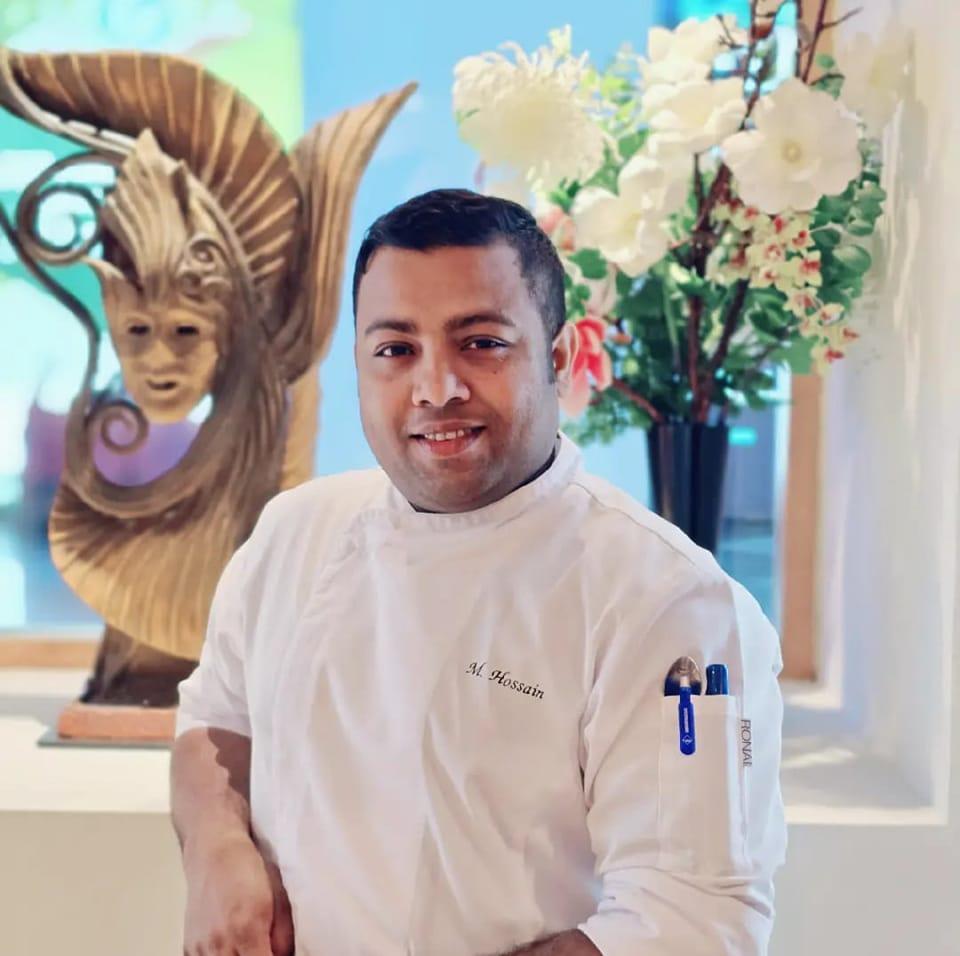
I’m Mossaraof, a trained chef and the founder of OvenInsights.com. I spent years cooking at Larrupin’ Cafe and in kitchens across Chicago and Seattle. Now I test kitchen gear for a living. I moved to North Acton, London, and I test every tool I write about. I use real meals and real heat. No brand deals. No shortcuts. I cover 12 kitchen types and hundreds of recipes. I believe this: the right tools matter as much as the recipe.