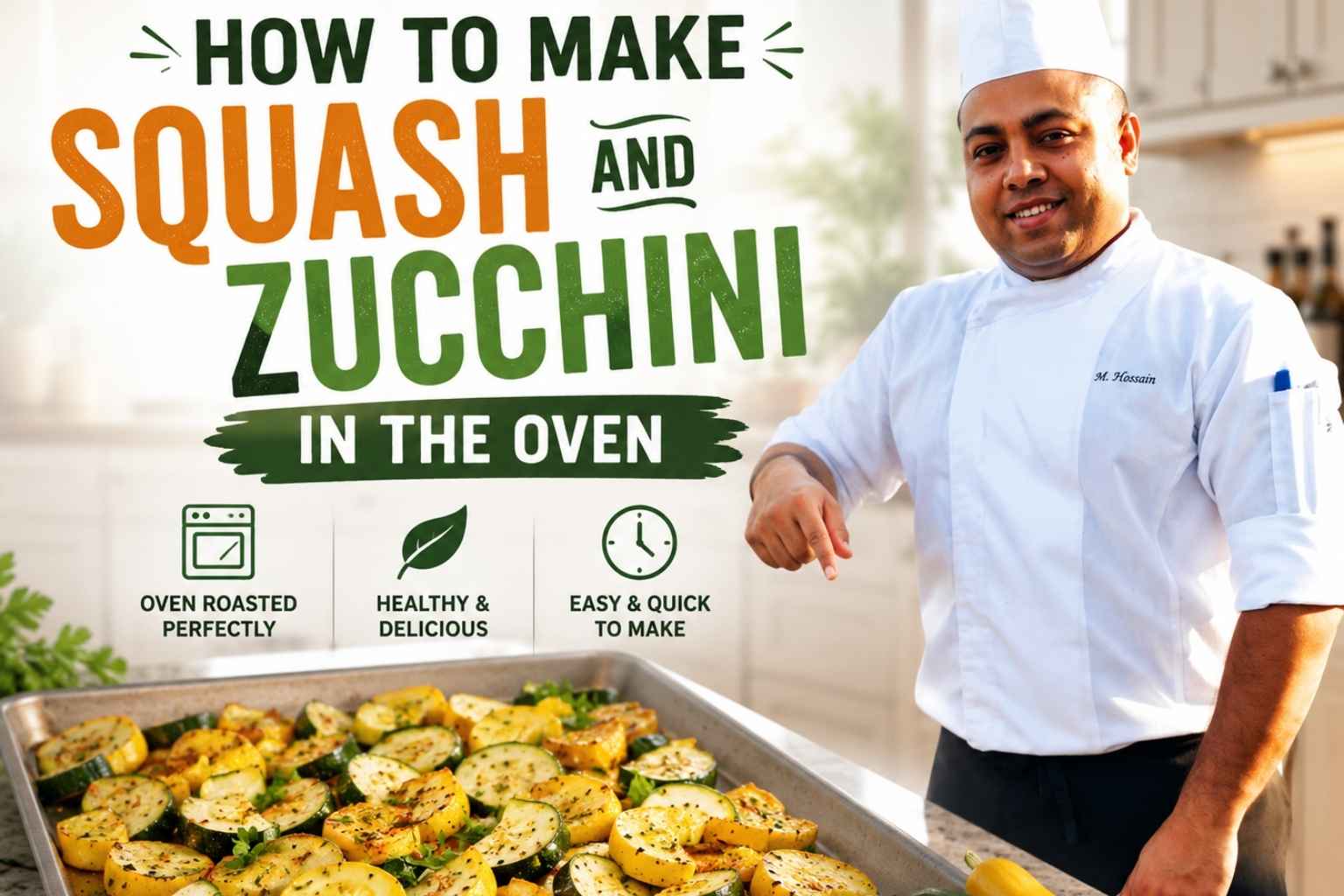

Ever feel like your kitchen is a mystery box you can’t quite open? I spent years in busy kitchens learning that good food is about heart, not just heat. This The Ultimate Guide to Real Cooking shares my secrets to help you find joy in every meal. You can even check out my Complete Guide to Using an Oven at Home to build your skills. Let’s dive in and start your tasty journey today!
The Foundation of a Pro-Level Home Kitchen
Every great meal starts with the basics. If your foundation is weak, your cooking will struggle no matter how hard you try. Whether you are cooking for one using a full-size oven or preparing a feast for a crowd, your tools dictate your success.
In my early days, I used a cheap, dull knife from a grocery store. I spent more time fighting the onion than cutting it. Then, I held a well-balanced Chef’s knife for the first time. It felt like an extension of my own arm. That is the feeling you want. You don’t need a drawer full of gadgets; you just need a few things that work every single time you pick them up. Once you master your prep work, you can easily tackle the best oven meals for busy weeknights without the usual stress.
The Chef’s Knife: Your Most Important Partner
The knife is the soul of the kitchen. In the U.S., we often see big sets with fifteen different blades. Honestly? You only need one or two. High-quality prep is the secret to efficiency, especially when learning how to meal prep using only your oven.
- German Steel: Brands like Wüsthof are heavy and tough. I love them for cutting through thick butternut squash or chicken bones—perfect for prepping the best oven recipes for feeding a family on a budget.
- Japanese Steel: These are lighter and thinner. I use a Shun when I need to slice fish or herbs very thinly.
- The Grip: Don’t just hold the handle. Pinch the blade between your thumb and forefinger. This gives you way more control. It felt weird at first, but now I can’t imagine any other way.
Cutting Boards That Won’t Kill Your Edge
I once bought a glass cutting board because it looked pretty. It was a nightmare. It made a loud clicking sound and ruined my knife in a week. When your tools work correctly, the kitchen becomes a sanctuary, making baking a genuine form of stress relief.
- End-Grain Wood: These are the best. The wood fibers open up to let the knife in, then close back up. It’s like a soft pillow for your blade.
- Large Surface Area: Most home cooks use boards that are too small. Get a big one. You need space to move your chopped veggies to the side without them falling on the floor.
- Stability: If your board slides, put a damp paper towel under it. It’s a simple trick we use in pro kitchens to keep things safe.
Heat Management: Pots, Pans, and Essential Surfaces
Heat is the energy that turns raw ingredients into a feast. If your pan is too thin, your food will burn in some spots and stay raw in others.
I’ve stood over stoves for twelve hours a day. I’ve learned that the material of your pan changes the flavor of your food. For example, a heavy pan holds heat better. This is vital when you drop a cold steak onto the surface. You want that sizzle to stay loud, not fade away to a quiet hiss.
The Versatility of Stainless Steel
Stainless steel is the workhorse of the American kitchen. It doesn’t react with acidic foods like tomatoes or wine.
- 3-Ply Construction: This means there is a layer of aluminum or copper inside the steel. It helps the heat spread out evenly.
- The Sizzle Test: Wait for the pan to get hot before adding oil. If a drop of water dances on the surface, you are ready.
- Deglazing: This is my favorite part. After cooking meat, pour in some broth or wine. Scrape up the brown bits. That is where the “real cooking” flavor lives.
Cast Iron: The American Legend
There is a reason your grandmother probably had a Lodge skillet. These things are indestructible and get better with age.
- Heat Retention: Once it gets hot, it stays hot. This is perfect for getting a crust on a burger or baking cornbread.
- The Non-Stick Myth: A well-seasoned cast iron pan is just as slick as any Teflon pan. Just don’t soak it in water!
- Versatility: You can start a roast on the stove and put the whole pan right into the oven. It saves dishes and keeps the juices locked in.
Power and Precision: Essential Kitchen Electronics
Technology can be a great help, but it can also be a distraction. I only keep things on my counter that I use at least three times a week.
One Saturday morning, I tried to make pesto by hand with a mortar and pestle. It took forever and my arm hurt. Now, I use a food processor. It takes thirty seconds and tastes just as good. In the U.S., our kitchens are often the heart of the home. We need tools that help us feed a crowd without losing our minds.
The High-Speed Blender
A good blender does more than just make smoothies. It can turn a chunky vegetable soup into a silk-smooth puree.
- Motor Strength: Look for something with high torque. This helps it blend thick things without the motor burning out.
- Variable Speed: Start low and go high. This prevents the “lid-flying-off” disaster that happens when you start on high speed with hot liquid.
- Cleaning: Most pros just put a drop of soap and some warm water in and run it on high. It cleans itself!
Stand Mixers for the Home Baker
If you love making bread or cookies, a stand mixer is a game-changer. It handles the heavy work of kneading dough while you prep other things.
- Planetary Action: This means the beater moves in one direction while the shaft moves in another. It hits every part of the bowl.
- Attachments: I love the pasta roller. Making fresh pasta on a Sunday afternoon is a great way to relax.
- Weight: A heavy mixer is a good mixer. You don’t want it “walking” across your counter while it mixes bread dough.
The Science of Temperature and Timing
In a professional kitchen, we don’t guess. We know. Timing is everything when you have four pans going at once and a hungry line of customers waiting.
I once served a chicken breast that looked perfect on the outside but was slightly pink near the bone. It was embarrassing. That was the day I realized that my eyes could lie, but a thermometer never does. For real cooking, you need to master the internal temperature of your food. This is especially true in the U.S., where our meat cuts can vary wildly in size from the local butcher or a big warehouse club.
Instant-Read Thermometers: The Truth Tellers
You might see chefs poke a steak with their finger to check doneness. That takes years to learn. For everyone else, get a digital thermometer.
- Speed is Key: A good thermometer like a Thermapen gives a reading in two seconds. This keeps the oven heat from escaping while you check.
- Safety First: Poultry must hit 165°F. There is no debating this. It’s the difference between a great meal and a very bad night.
- Carry-over Cooking: Remember that meat keeps cooking after you take it off the heat. Pull your steak five degrees early and let it rest.
Oven Accuracy and Ambient Heat
Did you know most home ovens are off by at least 25 degrees? My oven in my last apartment ran hot on the left side and cold on the right.
- Oven Thermometers: Spend five dollars on a small analog thermometer that sits on the rack. It will tell you the real story.
- The Power of Stones: A pizza stone or a heavy baking steel helps keep the oven temperature steady. It acts like a battery for heat.
- Preheating: Give your oven at least twenty minutes. Just because the little light turned off doesn’t mean the walls are hot yet.
Ergonomics, Safety, and Kitchen Flow
The way you move in your kitchen matters just as much as the food you make. If you are constantly reaching or bending, you will get tired fast.
I used to keep my heavy pots in a bottom cabinet far away from the stove. By the time I started cooking, my back already hurt. I finally reorganized my space to follow a “workflow.” Now, everything I need is within an arm’s reach. This makes cooking feel less like a chore and more like a craft. Even in a small U.S. kitchen, a few changes can make a huge difference in your mood.
The “Work Triangle” and Beyond
The triangle between your fridge, sink, and stove is the golden rule. But there is more to it than just distance.
- Clear Counters: Only keep what you use every day on the counter. Space is your most valuable resource when chopping.
- Lighting: If you can’t see what you’re cutting, you’re going to get hurt. Add a simple LED strip under your cabinets.
- Floor Mats: If you spend a lot of time prepping, a cushioned “anti-fatigue” mat is worth every penny. Your knees will thank you.
Tool Materials and Hand Comfort
Not all handles are created equal. I’ve used metal tongs that pinched my skin and plastic spatulas that melted into the eggs.
- Silicone is King: It’s heat-resistant up to 500°F and won’t scratch your pans. It feels soft but stays firm.
- Wood Handles: They stay cool to the touch, which is great for long stirring sessions. Just never put them in the dishwasher.
- Locking Tongs: Look for tongs with a simple pull-tab lock. They take up less space in the drawer and don’t pop open like a jack-in-the-box.
Maintenance: Keeping Your Tools for a Lifetime
I have a cast iron skillet that belonged to my mentor. It’s over forty years old and still works better than anything new.
Taking care of your gear isn’t hard, but it does take a little discipline. I make it a habit to check my tools once a month. I look for loose handles or dull edges. In the U.S., we tend to buy new things when the old ones break. But if you buy quality and maintain it, you only have to buy it once. It’s better for your wallet and the planet.
Knife Sharpening Basics
A dull knife is actually more dangerous than a sharp one. It slips because it can’t bite into the food.
- Honing vs. Sharpening: A honing rod (that long steel stick) straightens the edge. Sharpening with a stone actually removes metal to make a new edge.
- Frequency: Hone your knife every time you use it. Sharpen it on a stone every few months.
- The Paper Test: If your knife can’t slice through a piece of printer paper easily, it’s time for some love.
The “No-Go” List for the Dishwasher
The dishwasher is a miracle, but it is a violent place. High heat and harsh soap ruin good tools.
- Knives: The heat can warp the handle and the chemicals dull the blade. Wash them by hand immediately.
- Wood: Cutting boards and spoons will crack and split in the dishwasher. A quick scrub with soap and air-drying is all they need.
- Cast Iron: The dishwasher will strip away the seasoning and cause rust. Just use hot water and a brush.
Professional Tips for the Home Chef
These are the small things that separate a “cook” from someone who truly understands “The Ultimate Guide to Real Cooking.”
I used to think that professional chefs had secret ingredients. They don’t. They just have better habits. One of those habits is “Mise en Place.” It’s a French term that means “everything in its place.” Before I turn on a single burner, I chop every onion, measure every spice, and set out every spoon. It makes the actual cooking part feel like a breeze instead of a panic.
Organizing for Success
When you see a chef on TV, they have everything in little glass bowls. You should do that too.
- Prep Bowls: Buy a cheap set of nesting bowls. Put your chopped garlic in one and your diced carrots in another.
- The Garbage Bowl: Keep a big bowl on the counter for scraps. It saves you from walking to the trash can ten times.
- Clean as You Go: If you have thirty seconds while the onions sauté, wash the bowl you just emptied. Don’t leave a mountain of dishes for later.
The Power of Seasoning Layers
Most people only salt their food at the very end. That’s why home food can sometimes taste flat compared to a restaurant.
- Salt Early: Adding salt to onions as they cook helps them release moisture and develop flavor.
- Taste, Taste, Taste: I keep a jar of clean spoons nearby. I taste my sauce at the beginning, middle, and end.
- Acidity: If a dish tastes “heavy” or “dull,” don’t add more salt. Add a squeeze of lemon or a splash of vinegar. It wakes the whole dish up.
Sourcing Quality in the U.S. Market
Buying kitchen gear in America can be overwhelming. You walk into a big-box store and see aisles of shiny boxes, but half of those items are designed to look good on a shelf, not to last in a kitchen.
I remember my first “pro” shopping trip. I went to a local restaurant supply store in a gritty part of town. There were no fancy displays. Just stacks of heavy aluminum pans and industrial-sized whisks. I bought a frying pan for fifteen dollars that outlived a hundred-dollar designer pan I got for my birthday. In the U.S., the best value is often found where the pros shop, not where the tourists go.
Restaurant Supply Stores vs. Big Box Retail
If you want gear that survives real cooking, look for brands like Winco or Vollrath. They aren’t pretty, but they are tough.
- Durability: Commercial gear is made to be washed in industrial machines and banged around. It won’t warp or chip easily.
- Price Point: Because there is no fancy branding, you pay for the metal, not the logo. It’s a secret every chef knows.
- The “NSF” Mark: Look for the National Sanitation Foundation stamp. It means the tool is easy to clean and won’t harbor bacteria.
Regional Considerations for U.S. Cooks
Our country is huge, and the environment in your kitchen changes based on where you live. A baker in Seattle deals with different issues than a baker in Phoenix.
- Humidity and Flour: If you live in the South, your flour absorbs moisture from the air. This makes “cup” measurements inaccurate. Use a digital scale to weigh your flour for consistent bread.
- High-Altitude Challenges: In places like Denver, water boils at a lower temperature. You might need to add more liquid or cook your pasta a few minutes longer.
- Hard Water Issues: If you are in the Midwest, mineral buildup can kill your coffee maker or kettle. Use a simple vinegar soak once a month to keep things running fast.
Advanced Gear for the Curious Home Chef
Once you have the basics, you might want to explore tools that offer more precision. These aren’t necessary for every meal, but they make certain tasks much easier.
I remember the first time I used a Sous Vide machine. I was skeptical. It felt like “cheating” to cook meat in a water bath. But then I tasted the results. The steak was perfectly pink from edge to edge. It changed how I thought about heat. In a busy American household, these tools can actually save you time because they are “set it and forget it.”
Sous Vide Immersion Circulators
This tool clips onto any pot and keeps water at a very specific temperature. It is the ultimate way to avoid overcooking expensive meat.
- Consistency: You can cook a pork chop for two hours and it will never get dry. It stays at exactly the temp you set.
- Meal Prep: You can cook five chicken breasts at once, keep them in their bags, and sear them throughout the week for quick dinners.
- Edge-to-Edge Perfection: No more grey, overcooked bands around your medium-rare steaks.
The Importance of a Digital Scale
In many parts of the world, everyone cooks by weight. In the U.S., we love our measuring cups. But cups are messy and inconsistent.
- Precision: A “cup” of flour can weigh between 120 and 160 grams depending on how hard you pack it. That’s enough to ruin a cake.
- Fewer Dishes: You can place your bowl on the scale and just hit “zero” (tare) after each ingredient. No more dirty measuring spoons!
- Portion Control: It’s also great for making sure every burger patty or cookie is the exact same size so they cook at the same rate.
The Psychology of Real Cooking
The most important tool in any kitchen is your own mind. If you are stressed, the food will taste like stress. If you are rushed, you will make mistakes.
I’ve had nights where I dropped a whole tray of lasagna or burnt a sauce I spent hours on. It happens. The key is to keep going. Real cooking is about the process, not just the plate. When you enjoy the sound of the knife on the board and the smell of the garlic hitting the oil, you become a better cook instantly.
Developing Your “Palate”
Your tongue is a muscle that needs exercise. You have to train yourself to notice the balance of flavors.
- The Four Pillars: Every dish needs a balance of Salt, Fat, Acid, and Heat. If something tastes “off,” ask yourself which one is missing.
- Trust Your Senses: Don’t just follow a timer. Look at the color of the crust. Smell the steam. Listen for the sizzle to slow down.
- Take Notes: I keep a small notebook in my kitchen drawer. I write down what worked and what didn’t so I don’t make the same mistake twice.
The Masterclass: Proteins and the Perfect Sear
There is a sound I live for in the kitchen. It’s that aggressive, crackling hiss when a cold piece of protein hits a scorching hot pan. If you don’t hear that sound, you aren’t cooking—you’re just warming things up.
I spent a whole summer in a steakhouse just learning how to handle a grill. I learned that meat is “alive” in the pan. It changes shape. It tightens. It releases juices. In the U.S., we love our barbecue and our pan-seared chops, but many home cooks are afraid of the high heat required to do it right. You have to be brave. Smoke is often a sign of flavor, not a fire.
The Maillard Reaction Explained
This is a fancy term for why browned food tastes better. It is a chemical reaction between amino acids and reducing sugars.
- Dry the Surface: Water is the enemy of a sear. Use a paper towel to pat your meat completely dry. If it’s wet, it will steam instead of brown.
- Salt in Advance: I salt my steaks at least 45 minutes before cooking. The salt draws out moisture, dissolves into a brine, and then gets reabsorbed, seasoning the meat deep inside.
- Don’t Crowd the Pan: If you put too many pieces of meat in at once, the pan temperature drops. Give each piece of meat its own “personal space.”
Understanding Meat Grades and Cuts
Shopping at a standard U.S. grocery store can be confusing with all the stickers and labels. Here is how I navigate the meat aisle.
- USDA Prime vs. Choice: Prime has more intramuscular fat (marbling). It’s great for special occasions. Choice is what I buy for a Tuesday night stir-fry.
- Grass-Fed vs. Grain-Fed: Grass-fed is leaner and tastes “earthy.” Grain-fed is richer and more buttery. I prefer grain-fed for burgers and grass-fed for stews.
- The “Cheaper” Cuts: Don’t sleep on chicken thighs or pork shoulder. They have more fat and connective tissue, which means they stay juicy even if you overcook them slightly.
Mastering the Art of the Sauce
A sauce is like a coat of paint for your food. It covers imperfections and adds a layer of luxury. In culinary school, I spent months just making stocks and reductions until my hands smelled like veal bones and thyme.
You don’t need three days to make a sauce at home. Some of the best sauces I’ve ever made happened in the three minutes after the meat came out of the pan. This is “The Ultimate Guide to Real Cooking” secret: never throw away the brown bits stuck to the bottom of your skillet. That is liquid gold.
The Quick Pan Sauce
This is the fastest way to make your home dinner taste like a $50 restaurant plate.
- Step 1: Remove the Meat: Let it rest on a plate.
- Step 2: Pour off Excess Fat: Leave about a tablespoon of oil in the pan.
- Step 3: Aromatics: Throw in a minced shallot or a clove of garlic. Cook for 30 seconds.
- Step 4: The Liquid: Pour in half a cup of chicken broth, wine, or even apple cider. Scrape the bottom of the pan hard.
- Step 5: The “Mount”: Once the liquid is reduced by half, turn off the heat. Stir in a cold pat of butter. It will turn the sauce glossy and thick.
Emulsions: Mayo, Hollandaise, and Vinaigrette
An emulsion is just a fancy way of saying “making oil and water be friends.” They usually hate each other, but with a little help, they stay together.
- The Blender Method: I use an immersion (stick) blender for mayo. It’s foolproof.
- The Slow Drip: When making a vinaigrette, whisk the vinegar and mustard first. Then, add your oil drop by drop. If you pour it all at once, it will break.
- Fixing a Broken Sauce: If your sauce looks curdled or oily, add a teaspoon of warm water and whisk like crazy. It usually pulls it back together.
Vegetable Mastery: From Sad Sides to the Main Event
For a long time, Americans treated vegetables as a punishment. We boiled broccoli until it was grey and mushy. I used to hate greens until I learned how to treat them with respect.
In a professional kitchen, we treat a carrot with the same care as a filet mignon. We look for ways to bring out its natural sugars. Whether you are roasting in a hot oven or quick-blanching in salted water, the goal is “tender-crisp.” You want to be able to bite through it, but you still want a little “snap” to remind you it’s a plant.
Roasting: The Magic of 400 Degrees
Roasting is the best way to cook almost any vegetable. It concentrates the flavors and creates crispy edges.
- High Heat: Don’t be afraid of a 400°F or 425°F oven. Low heat just makes vegetables soft and sad.
- Toss in Oil: Make sure every piece is lightly coated. Oil conducts heat from the pan to the veggie.
- Space Them Out: Just like meat, if you pile veggies on top of each other, they will steam. Use two baking sheets if you have to.
The “Blanch and Shock” Technique
This is how restaurants get those bright green beans that look like they came out of a magazine.
- The Boil: Use a big pot of water that tastes like the sea (lots of salt).
- The Shock: Have a bowl of ice water ready.
- The Process: Boil the veggies for 2-3 minutes, then immediately throw them in the ice. This stops the cooking instantly and “locks in” the color. You can then sauté them in butter right before dinner.
Grains and Starches: The Foundation of the Plate
Rice and pasta seem easy until you end up with a sticky mess or crunchy noodles. I’ve ruined more pots of rice than I care to admit.
In the U.S., we eat a lot of potatoes, but we often stick to the same old mashed or baked. I want to show you how to treat your starches as a canvas. A well-cooked grain can absorb all the flavors of your main dish, making the whole meal feel cohesive.
The Secret to Perfect Fluffy Rice
Stop following the directions on the bag. They are usually wrong.
- The Rinse: Always wash your rice in a bowl of cold water until the water runs clear. This removes excess starch that causes sticking.
- The Ratio: For long-grain white rice, I use 1.5 cups of water for every 1 cup of rice.
- The Rest: Once the water is gone, turn off the heat and keep the lid on for 10 minutes. This lets the steam finish the job gently. Fluff it with a fork, never a spoon.
Pasta Water: “The Liquid Gold”
When you boil pasta, the water becomes full of starch. This is a powerful tool.
- Salt the Water: It should be salty. This is your only chance to season the pasta itself.
- Under-cook Slightly: Pull the pasta out one minute before the box says it’s done.
- Finish in the Sauce: Put the pasta into your sauce pan. Add a splash of that starchy pasta water. The starch helps the sauce stick to the noodles instead of sliding off to the bottom of the bowl.
The Science of the Sweet Spot: Baking for Real Life
Baking used to terrify me. In the savory world, I can add a pinch of this or a splash of that to fix a mistake. Baking is different. It’s chemistry. If you mess up the ratio of baking soda to acid, your cake won’t rise, and there is no “fixing” it once it’s in the oven.
I remember trying to make my first batch of chocolate chip cookies in a humid Florida summer. I followed the recipe exactly, but they turned out like flat, greasy pancakes. I learned the hard way that “room temperature butter” in a 75-degree kitchen is very different from “room temperature” in a 68-degree kitchen. For The Ultimate Guide to Real Cooking, you have to understand that your environment is your silent ingredient.
The Scale is Your Best Friend
I know I’ve mentioned it before, but for baking, it is non-negotiable. I stopped using measuring cups years ago, and my bread has never been more consistent.
- Weight vs. Volume: A cup of flour can vary by 20% depending on how you scoop it. Grams are always grams.
- The “Tare” Function: Put your bowl on the scale, hit zero, and pour. It makes baking faster and leaves you with almost zero dishes to wash.
- Standard Ratios: Most basic cookies and cakes follow simple weight ratios. Once you know them, you don’t even need a recipe book.
Leavening Agents: Bubbles Matter
Understanding the difference between baking soda and baking powder saved my life. I used to think they were interchangeable. They are not.
- Baking Soda: Needs an acid (like buttermilk, lemon, or brown sugar) to react and create bubbles.
- Baking Powder: Has the acid built-in. It usually reacts twice—once when it gets wet and once when it gets hot.
- Freshness Test: If your box has been open for six months, it’s probably dead. Drop a half-teaspoon in some hot water. If it doesn’t fizz like crazy, throw it away.
Seasonal Cooking in the United States
One of the best parts about living in the U.S. is the variety of produce, but the downside is that we can get “fresh” berries in January. Just because you can buy it doesn’t mean you should.
I spent a year working at a farm-to-table spot in California. It changed my life. I tasted a strawberry that actually tasted like sunshine, not watery cardboard. Now, I plan my “Real Cooking” around what is actually growing near me. In the Fall, I’m all about squash and apples in New England. In the Summer, it’s tomatoes and corn in the Midwest.
Why Seasonality Wins
Eating with the seasons isn’t just for fancy restaurants. It’s better for your body and your wallet.
- Peak Flavor: Produce picked at its peak has more sugar and nutrients.
- Lower Costs: When there is a surplus of zucchini in July, the price drops. I buy in bulk then and preserve what I can.
- Supporting Local: Shopping at farmers’ markets helps your neighbors and cuts down on the fuel needed to ship food across the country.
Preservation Basics for the Home Cook
When the season ends, I don’t want the flavor to stop. I’ve learned a few simple ways to “save” the season without needing a giant cellar.
- Freezing Herbs: Chop your fresh basil or parsley, put it in an ice cube tray with a little olive oil, and freeze. Pop a cube into your winter stews for a fresh hit.
- Quick Pickling: You don’t need a pressure canner. Just vinegar, water, sugar, and salt. I pickle red onions every Sunday to put on tacos and salads all week.
- Dehydrating: If you have an oven that goes low (150-170°F), you can dry out tomatoes or apples. They make the best snacks.
The Art of the Grocery Shop
Most people hate grocery shopping. They wander the aisles with no plan and end up buying things they don’t need. I treat the grocery store like a supply run for a mission.
I used to go to the store every single day. It was a waste of time and gas. Now, I go once a week with a strategic plan. I know which stores have the best meat and which ones have the cheapest pantry staples. In the U.S., we have so many options—Aldi, Costco, Whole Foods, Kroger—that you have to know how to “play the game” to get the best quality.
Shop the Perimeter
This is an old rule, but it still works. The “real” food is almost always on the outside edges of the store.
- The Produce Section: Start here. Let the best-looking veggies dictate what you cook for the week.
- The Meat Counter: Talk to the butcher. Ask what came in today or if they have any “scraps” for stock. They love talking to people who care.
- Avoid the Middle: The middle aisles are where the processed, expensive, and sugary stuff lives. Only go in there for specific needs like olive oil or salt.
Buying in Bulk (The Costco Strategy)
I love a warehouse club, but it can be a trap. You don’t need five gallons of mayonnaise.
- Dry Goods: This is where bulk wins. Rice, beans, flour, and pasta stay good forever. Buy the big bag and save 50%.
- Meat Breakdown: I buy a whole pork loin or a giant pack of chicken thighs. I spend 20 minutes at home breaking them down into smaller portions and freezing them. It saves a fortune.
- Spices: Never buy those tiny $7 jars in the regular aisle. Go to the “International” section or a bulk store. You get ten times the amount for half the price.
Managing the “Real World” Kitchen: Cleanup and Safety
No one talks about the dirty part of cooking, but a messy kitchen is a stressful kitchen. I’ve seen pros lose their cool because their station was cluttered.
My rule is simple: if you have time to lean, you have time to clean. I never sit down to eat a meal if the kitchen looks like a tornado hit it. It ruins the appetite. Plus, a clean kitchen is a safe kitchen. Greasy floors and cluttered counters are how accidents happen.
The “Two-Minute” Rule
If a task takes less than two minutes, do it now. Don’t wait.
- Rinse the Pan: While the pan is still warm, a quick rinse with hot water takes five seconds. If you let it sit and get cold, it will take five minutes of scrubbing later.
- Wipe the Spills: If you drop some flour or sauce, wipe it up immediately. Don’t let it get stepped on and tracked across the house.
- Empty the Dishwasher: I do this while my morning coffee is brewing. It means I have a place to put dirty dishes all day long.
Kitchen Safety: Respect the Heat
I’ve had my fair share of burns and cuts. Most of them happened when I was rushing or being lazy.
- Dry Towels Only: Never pick up a hot pan with a damp towel. The water turns to steam instantly and will burn you through the cloth.
- Knife Awareness: If a knife starts to fall, let it go! “A falling knife has no handle.” Step back and let it hit the floor.
- Fire Safety: Keep a box of baking soda near the stove for grease fires. Never, ever throw water on a grease fire.
Mastering American Comfort Classics
There is a specific kind of magic in the dishes we grew up with. For me, it’s that perfect bowl of macaroni and cheese or a roast chicken that makes the whole house smell like a Sunday afternoon. These aren’t “fancy” meals, but they are the hardest to get right because everyone has a memory of how they should taste.
In the U.S., comfort food is often about texture. We want that crispy top on the casserole and the creamy center underneath. I spent months perfecting my family recipes by applying professional techniques to humble ingredients. The secret to The Ultimate Guide to Real Cooking is knowing when to be precise and when to just cook with your heart.
The Secret to “Better Than Box” Mac and Cheese
Most people struggle with homemade cheese sauce because it turns out grainy or oily. This happens when the cheese gets too hot and the proteins clump together.
- The Roux is Foundation: Start with equal parts butter and flour. Cook it until it smells like toasted bread. This “glue” keeps your sauce smooth.
- Hand-Grate Your Cheese: Pre-shredded cheese in the bag is coated in potato starch to keep it from sticking. That starch ruins the texture of your sauce. Buy a block and do the work yourself.
- Sodium Citrate (The Pro Secret): If you want that “liquid gold” texture like Velveeta but with high-quality cheddar, add a tiny pinch of sodium citrate. It’s an emulsifying salt that keeps the sauce perfectly smooth.
The Ultimate Roast Chicken
A roast chicken is the benchmark of a good cook. It should have skin as thin as parchment paper and meat that pulls apart with a fork.
- The Dry Brine: Salt the chicken the night before and leave it uncovered in the fridge. This dries out the skin so it can get incredibly crispy in the oven.
- High Initial Heat: Start your oven at 450°F for the first 15 minutes to blast the skin, then drop it to 350°F to finish the meat gently.
- The “V” Rack: Keep the bird elevated. If it sits in its own juices at the bottom of the pan, the bottom skin will be soggy and sad.
Cooking for Others: The Social Side of the Kitchen
In the end, we don’t cook just to eat. We cook to show love. I’ve seen the toughest people soften up over a warm plate of food. But hosting a dinner party can be the most stressful thing a home cook ever does.
I used to try to make five new recipes for every party I hosted. I would spend the whole night in the kitchen and never talk to my guests. Now, I have a “hosting playbook.” I choose dishes that I can make ahead of time, so when people arrive, I have a drink in my hand and a clean counter. Real cooking is about the people at the table, not just the stuff in the pans.
The “One New Thing” Rule
When you are cooking for a crowd, never make more than one dish you haven’t tried before.
- The Reliable Anchor: Make a main dish you’ve made ten times. You won’t need to look at a recipe, which leaves your brain free to chat.
- Cold Appetizers: Have something ready on the table the moment people walk in. A simple board of local cheeses and nuts buys you an extra thirty minutes of “oops, I’m behind” time.
- Batch Cocktails: Don’t be a bartender all night. Make a big pitcher of sangria or margaritas so people can help themselves.
Accommodating Dietary Needs Without Panic
In today’s U.S. food culture, someone at your table likely has a dietary restriction. It doesn’t have to ruin your menu.
- Deconstruct the Meal: Serve your grain, your protein, and your sauce separately. This lets the vegan friend skip the meat and the gluten-free friend skip the pasta without anyone feeling left out.
- Labels Matter: I keep a small pack of index cards. I write down what’s in each dish (e.g., “Contains Dairy” or “Nut-Free”). It saves you from answering the same question ten times.
- The “Default” Side: I’ve found that roasted potatoes and a big green salad are almost universally safe and loved. Focus your energy there.
Your Kitchen, Your Rules: Final Thoughts
If there is one thing I want you to take away from this guide, it’s this: there are no “rules” in cooking, only techniques. Once you understand how heat works and how to take care of your tools, the kitchen stops being a place of stress and starts being a place of play.
I still have days where I burn the toast or oversalt the soup. It’s okay. Every mistake is just data for the next meal. Don’t be afraid of the high flame. Don’t be afraid of the sharp knife. Most importantly, don’t be afraid to taste everything. You are the boss of your stove.
Building Your Own Legacy
The recipes you create today might be the ones your kids or friends ask for twenty years from now. That’s a huge deal.
- Personalize Everything: If a recipe calls for parsley but you love cilantro, swap it. If you want more garlic, add more garlic.
- Write It Down: When you strike gold and make something amazing, grab a pen. You think you’ll remember what you did, but you won’t.
- Share the Knowledge: Teaching someone else how to crack an egg or sear a steak is the best way to master it yourself.
Summary of Real Cooking Principles
| Element | The “Pro” Approach | Why It Works |
| Tools | Fewer, higher-quality items | Less clutter, better results |
| Heat | Dry surfaces + high heat | The Maillard reaction (flavor!) |
| Seasoning | Salt in layers + Acid at the end | Balanced, vibrant flavors |
| Mindset | Mise en place (prep first) | Zero stress, total control |
Mastering the “Quick Fix”: Kitchen Triage
Even with a professional background, I’ve had those Tuesday nights where things just go sideways. Maybe you got distracted by a phone call and the sauce reduced too far, or you let the chicken stay in the pan just a minute too long. In a pro kitchen, we don’t throw it out and start over—we fix it.
Learning how to “save” a dish is a core part of The Ultimate Guide to Real Cooking. It’s about understanding the chemistry of flavors. Most “ruined” meals are just out of balance. If you can identify what’s wrong, you can usually pivot and still serve a meal that tastes intentional.
How to Rescue Over-Salted Food
It happens to the best of us. You’re talking, you shake the salt cellar, and the lid falls off.
- Dilute, Don’t Neutralize: If it’s a soup or a sauce, adding more liquid (water or unsalted stock) is the most effective way to lower the salt concentration.
- The Acid Counter: A splash of lemon juice or vinegar won’t remove the salt, but it distracts your taste buds. It provides a bright contrast that makes the saltiness feel less aggressive.
- The Potato Myth: You’ve probably heard that dropping a potato in will “soak up” the salt. It doesn’t really work. It just soaks up salty liquid. You’re better off doubling the recipe and freezing the extra for later.
Salvaging Burnt Flavors
If the bottom of your pot is black, do not stir it! That is the number one mistake home cooks make.
- The Clean Transfer: Immediately pour the un-burnt top portion into a fresh pot. Leave the scorched bits behind.
- Masking the Bitter: If a slight smoky or bitter taste remains, adding a touch of fat (butter or cream) or a tiny bit of sugar can help mellow out the harshness.
- Lean into the Char: If you’re roasting veggies and they get a bit too dark, call it “charred” and serve it with a cool, creamy yogurt sauce to balance the bitterness.
The “Real Cooking” Pantry: The US Essentials
Living in the U.S. gives us access to a global pantry, but it can be overwhelming to know what to keep in stock. I used to buy exotic spices for one recipe and then find them three years later, dusty and flavorless, in the back of my cabinet.
I’ve since slimmed down my pantry to the essentials that allow me to cook almost anything on a whim. This is about being “ready” to cook. When you have the right staples, you don’t need to run to the store every time you want to try a new dish.
The Fats and Acids
These are the liquids that provide the structure and “pop” to your cooking.
- Extra Virgin Olive Oil: For finishes and dressings. Don’t waste the expensive stuff on high-heat frying.
- Neutral Oil: I keep Avocado or Grapeseed oil for searing. They have high smoke points, meaning they won’t burn and turn bitter at high temps.
- Vinegar Variety: I keep Apple Cider (for tang), Balsamic (for sweetness), and Rice Vinegar (for lightness).
- The “Must” Have: Good quality butter. In the U.S., look for “European Style” butter; it has a higher fat content and less water, which makes for better browning.
The Spice Rack Minimalist
Spices lose their punch after about six months. If your dried oregano smells like nothing, it will taste like nothing.
- Whole over Ground: I buy whole peppercorns and cumin seeds. Grinding them right before use releases oils that are much more fragrant.
- Smoked Paprika: This is my secret weapon for adding “grill” flavor to indoor cooking.
- Red Pepper Flakes: A little heat goes a long way in waking up a boring pasta sauce or roasted broccoli.
Building a Recipe-Free Intuition
The final stage of becoming a truly great home cook is the ability to walk into a kitchen, look at three random ingredients in the fridge, and turn them into a meal without looking at a screen.
I remember a night when my fridge was almost empty except for some wilted kale, a few eggs, and a heel of parmesan cheese. Ten minutes later, I was eating a crispy kale and parmesan omelet that was better than many restaurant breakfasts I’ve paid for. That is the freedom of real cooking. It’s about knowing how to cook, not just what to cook.
The “Sauté, Liquid, Simmer” Framework
Almost every stew, soup, or braise follows the same three-step dance.
- Sauté: Brown your aromatics (onion, garlic, celery) in fat until they are soft and fragrant.
- Liquid: Add your base. This could be canned tomatoes, broth, or even just water with a splash of soy sauce.
- Simmer: Let it sit on low heat until the flavors meld and the textures are soft.
Learning the “Vibe” of Ingredients
Think about your ingredients in categories rather than names.
- The Crunch: Do you need toasted nuts, fresh radishes, or crispy breadcrumbs?
- The Cream: Is it coming from avocado, heavy cream, or a soft cheese?
- The Umami: Can you get that deep savory hit from mushrooms, soy sauce, or a bit of tomato paste?
Final Checklist for the Real World Chef
Before you set out on your next culinary adventure, let’s run through the mental checklist I use every time I step into the kitchen. This keeps me organized and ensures the food comes out exactly how I imagined.
- Is my knife sharp? (Hone it if you haven’t today.)
- Is my workspace clear? (Move the mail and the coffee mugs.)
- Do I have my “garbage bowl” ready? (Keep the scraps off the board.)
- Did I pat the meat dry? (No moisture allowed near the sear.)
- Am I having fun? (If not, pour a glass of water, put on some music, and breathe.)
Real cooking is a gift you give yourself and the people you love. It’s okay if it’s not perfect. It’s okay if you order pizza once in a while. But when you do stand at that stove, do it with intention, do it with heat, and do it with heart. You’ve got this.
The Art of the Leftover: “Second-Day” Culinary Magic
In a professional kitchen, we never call them leftovers. We call them “prepped ingredients.” The food you didn’t finish on Tuesday is the head start for Wednesday’s dinner. In the U.S., we tend to waste a lot of food because we just reheat it in the microwave until it’s rubbery and sad.
I’ve learned that the secret to The Ultimate Guide to Real Cooking is knowing how to transform textures. You shouldn’t try to recreate the original meal. Instead, use the flavor that has had 24 hours to develop and give it a brand-new “crunch” or “zip.” My favorite meals are often the ones I didn’t have to start from scratch.
The “Crispy Bit” Strategy
The microwave is the enemy of texture. If you want your leftovers to taste fresh, you need to use the stove or the air fryer.
- The Fried Rice Pivot: Cold, day-old rice is actually better for stir-fry than fresh rice. It’s drier, so it fries instead of steams.
- The Skillet Reheat: If you have leftover pasta, don’t microwave it. Throw it in a hot pan with a little olive oil until the edges get crispy. It’s a totally different experience.
- Pizza Salvation: To fix soggy pizza, put it in a dry non-stick pan over medium heat. Cover it for a minute to melt the cheese, then take the lid off to crisp the crust. It’ll taste better than it did at the restaurant.
Transforming Proteins into New Narratives
If you have a leftover steak or chicken breast, it’s going to get tough if you cook it again. The trick is to slice it thin and hit it with a high-flavor sauce at room temperature.
- Steak Salad: Thinly slice your cold steak against the grain. Lay it over greens with a sharp vinaigrette and some blue cheese. The acidity of the dressing “cuts” the fat.
- Taco Night: Shred leftover roasted chicken and toss it with lime juice and cumin. A quick sear in a pan with some onions, and you have a taco filling that tastes like it took hours.
- The “Everything” Omelet: Chop up your leftover roasted veggies and meats. Sauté them for one minute, then pour your eggs over the top. It’s a five-star brunch in your pajamas.
Mindful Eating and the Chef’s Quiet Moment
After a long shift in a hot kitchen, I rarely wanted a giant, heavy meal. I wanted something simple that tasted like the ingredients themselves. We spend so much time talking about “how” to cook that we sometimes forget the “why.”
Cooking for yourself is an act of self-care. In our fast-paced American culture, we often eat while looking at a screen or driving a car. I’ve found that the best part of real cooking is the ten minutes I spend sitting down to eat what I’ve created. No phone. No distractions. Just me and the food. It makes the flavor bloom in a way you can’t describe.
Sensory Engagement Beyond the Tongue
Cooking isn’t just about taste. It’s about the “crrrr-unch” of the bread and the vibrant green of the herbs.
- Visual Plating: You don’t need to be an artist. Just wipe the smudge off the rim of the bowl. Add a sprig of something green. We eat with our eyes first.
- Aromatherapy: Before you take a bite, take a breath. The smell of the food prepares your stomach to digest and your brain to enjoy.
- Texture Contrast: If your dish is soft (like mashed potatoes), add something crunchy on top (like fried shallots). That contrast keeps your brain interested in the meal.
The “Chef’s Snack” and Intuitive Cooking
Sometimes, the best thing you make isn’t a meal at all. It’s the little bit of seasoned flour you fried up or the piece of bread you dipped into the sauce pot.
- Trust Your Cravings: If your body says it needs salt, it might be dehydrated. If it wants fat, you might be tired.
- Small Wins: Cooking a single, perfect egg is just as impressive as cooking a seven-course meal. Don’t judge your success by the size of the plate.
- Grace for the Bad Days: Some days, the toast burns and the milk is sour. Laugh it off. Even the best chefs in the world have “cereal for dinner” nights.
Conclusion: The Kitchen is Your Home
We have traveled through the metallurgy of German steel, the chemistry of the Maillard reaction, and the logistics of a U.S. grocery run. But at the heart of The Ultimate Guide to Real Cooking is a very simple truth: the kitchen belongs to you.
It’s not a museum. It’s not a laboratory. It’s a workshop where you turn raw materials into memories. Whether you are cooking in a tiny studio in Chicago or a massive kitchen in the suburbs of Atlanta, the principles remain the same. Respect your tools, trust your senses, and don’t be afraid of the heat.
I’ve spent my life behind the line, but my favorite meals are still the ones I share with friends in a messy home kitchen. I hope this guide gives you the confidence to stop following the “rules” and start following your own taste. Your next great meal is just a sharp knife and a hot pan away.

I’m Mossaraof, a trained chef and the founder of OvenInsights.com. I spent years cooking at Larrupin’ Cafe and in kitchens across Chicago and Seattle. Now I test kitchen gear for a living. I moved to North Acton, London, and I test every tool I write about. I use real meals and real heat. No brand deals. No shortcuts. I cover 12 kitchen types and hundreds of recipes. I believe this: the right tools matter as much as the recipe.