Hey, I’m Mossaraof — a professional cook and food blogger.
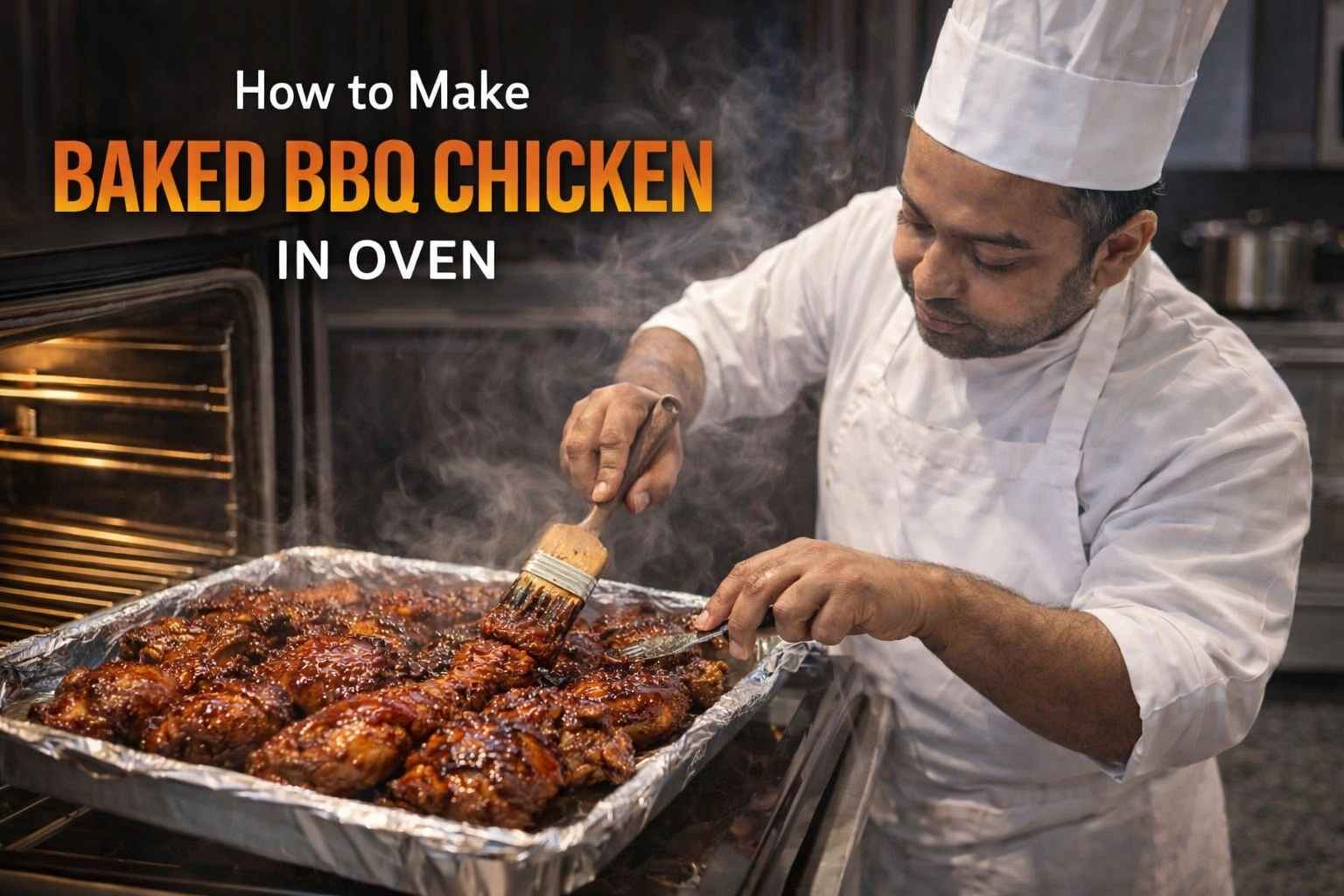
Nothing beats the smell of sweet, smoky sauce bubbling away on a lazy Sunday. I’ve spent years in hot kitchens, and I promise that learning how to make baked BBQ chicken in oven is the best way to get tender meat without the grill. Use my Ultimate Guide to Master Your Oven
to ensure your sauce carmelizes just right without burning. Trust your gut, grab your favorite rub, and let’s get this feast started!
Why Oven Temperature is Your Best Friend
Getting the heat right is the difference between a juicy leg and a piece of dry wood. I learned this the hard way during a busy catering shift in Chicago.
- 325°F (Low): Use this for thick cuts. It keeps the sugars in your sauce from burning too fast.
- 375°F (The Sweet Spot): This is my go-to for most nights. It renders the fat but keeps the juices inside.
- 425°F (The Finish): I crank it up for the last five minutes. This gives you those charred, crispy edges we all love.
In the U.S., our ovens can be finicky. My old apartment oven ran hot on the left side. I had to rotate my pans every twenty minutes. Check your oven with a cheap thermometer. It saves lives—or at least dinner.
Choosing Your Weapon: The Best Pans for BBQ Chicken
The pan you pick changes how the heat hits the bird. A thin tray will warp, while a heavy pan holds the soul of the dish.
The Power of Cast Iron Skillets
I swear by my Lodge skillet. It gets hot and stays hot. When you put chicken in cast iron, the bottom gets a lovely sear while the top bakes. It’s heavy, but it’s a beast in the kitchen.
Using Stainless Steel Roasting Pans
If I’m cooking for the whole family, I grab my All-Clad. These pans are great because they reflect heat evenly. You won’t get hot spots that burn your sauce. Just make sure it has high sides to catch those delicious drippings.
Why a Wire Rack is Non-Negotiable
You need air. If the chicken sits in its own juice, the bottom gets soggy. I always put a wire rack inside my baking sheet. It lets the heat circulate 360 degrees. This is how you get that “all-over” crunch.
Using Aluminum Foil for Easy Cleanup
Let’s be real. BBQ sauce is a nightmare to scrub. I line everything with heavy-duty foil. In the U.S., brands like Reynolds Wrap are a staple for a reason. It saves me twenty minutes of scrubbing at the sink.
How to Make Baked BBQ Chicken in Oven: The Master Process
This is my tried-and-true method. It’s simple, honest, and works every single time I crave that smoky comfort.
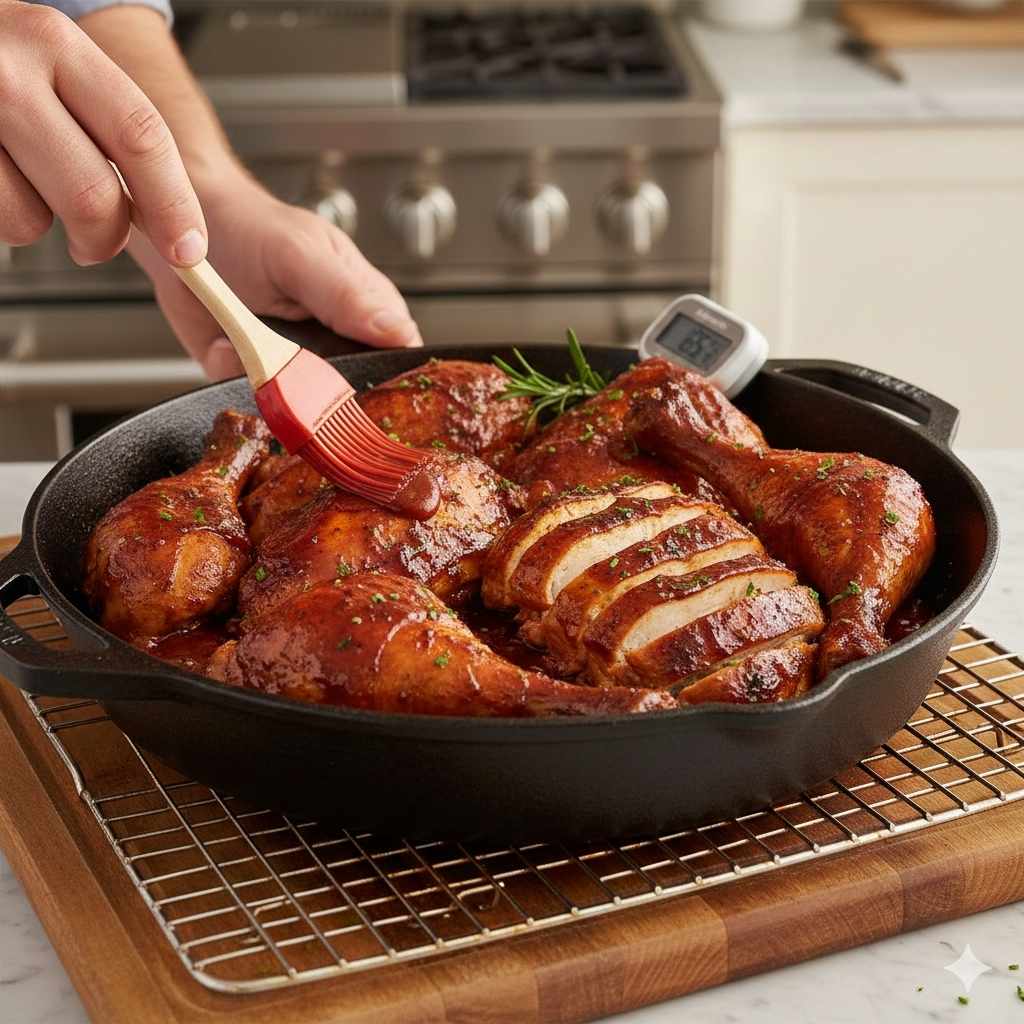
- Dry the skin: Use paper towels. I mean really dry it. Moisture is the enemy of crispiness.
- Apply a rub: I use salt, pepper, garlic powder, and smoked paprika. This builds flavor before the sauce even enters the room.
- Start skin-side up: This lets the fat melt down into the meat.
- The 15-Minute Rule: Only add your BBQ sauce in the last 15 minutes. If you add it too early, the sugar burns and turns bitter.
I remember my first time doing this. I put the sauce on at the start. The kitchen smelled like a campfire, but not the good kind. My chicken looked like a charcoal briquette. Don’t be like 20-year-old me.
How to Make Baked Chicken Breasts in the Oven
Cooking breasts is like walking a tightrope. One minute they are perfect, the next they are dry as a bone.
- Brine them: If you have 30 minutes, soak them in salt water. It’s a game-changer.
- High Heat: I cook these at 400°F. Fast and hot keeps the moisture trapped inside.
- The Internal Check: Pull them out at 160°F. They will finish cooking while they rest on the counter.
Most Americans overcook chicken because we are scared of raw meat. Get a digital probe. It takes the guesswork out of the equation.
How to Cook Baked Chicken Thighs in the Oven
Thighs are the professional cook’s secret weapon. They are almost impossible to overcook, and they soak up BBQ sauce like a sponge.
- Bone-in vs. Boneless: I always go for bone-in. The bone acts like an insulator, keeping the meat tender. Plus, it just tastes better.
- The Fat Render: Start these at 375°F. You want that skin fat to melt away so the skin becomes paper-thin and crackly.
- The Glaze: Since thighs take longer (about 35-40 minutes), you can start saucing them a little earlier than breasts.
I once made these for a potluck in Georgia. I used a vinegar-heavy sauce common in the Carolinas. People were shocked they came out of an oven and not a smoker. The trick was letting the skin get crispy before the sauce touched it.
How to Make Baked Chicken Legs and Thighs in Oven
When you buy the whole leg quarters at a place like Costco, you’re getting a great deal, but they take a bit of patience.
- Even Spacing: Don’t crowd the pan. If the pieces touch, they steam instead of roasting.
- Internal Temperature: Unlike breasts, dark meat is actually better when it hits 175°F or 180°F. The collagen breaks down and becomes silky.
- Regional Twist: In the South, we love a “mop sauce.” Use a brush to add thin layers of sauce every 10 minutes near the end.
It creates a “lacquered” look. It’s shiny, sticky, and looks like a professional photo. I usually do this on a Sunday afternoon when the house is quiet and I can focus on the smells coming from the kitchen.
How to Make Baked Chicken Cutlets in the Oven
Cutlets are thin, fast, and perfect for when you are starving. This is my “I have 20 minutes to eat” meal.
- The Flash Bake: Crank the oven to 425°F. Since they are thin, they cook in about 12-15 minutes.
- Breaded or Naked: For BBQ, I skip the breading but use a heavy dry rub.
- Toaster Oven Friendly: These are perfect for a Breville toaster oven. You don’t have to heat up the whole house for a small meal.
I remember my college days in a tiny studio. All I had was a toaster oven. I learned that you could still make a mean BBQ cutlet if you kept an eye on the heating elements. They can burn the sauce in seconds!
How to Make Oven Baked Southern Fried Chicken
Yes, you can get that Southern crunch in an oven. It’s not “fried” in oil, but it hits that same comfort spot without the heavy grease.
This method relies on a hot pan and a little bit of butter or oil already on the tray to mimic the frying process.
- The Coating: Use flour, cornstarch, and plenty of seasoning. The cornstarch is the secret for that “shatter” crunch.
- The Flip: You have to flip the chicken halfway through. This ensures both sides get that golden-brown crust.
- The BBQ Variation: After it’s “fried” and crispy, I lightly drizzle the BBQ sauce on top instead of dunking it. This keeps the coating from getting soggy.
I used to make this for my grandfather. He was a stickler for “real” fried chicken. After he tried the oven version, he didn’t complain once. That’s the highest praise I’ve ever received.
How to Make Oven Baked Spanish Style Chicken and Rice
In many U.S. households, “Arroz con Pollo” is a weekly staple. Adding a BBQ twist to this classic is a fun way to mix things up.
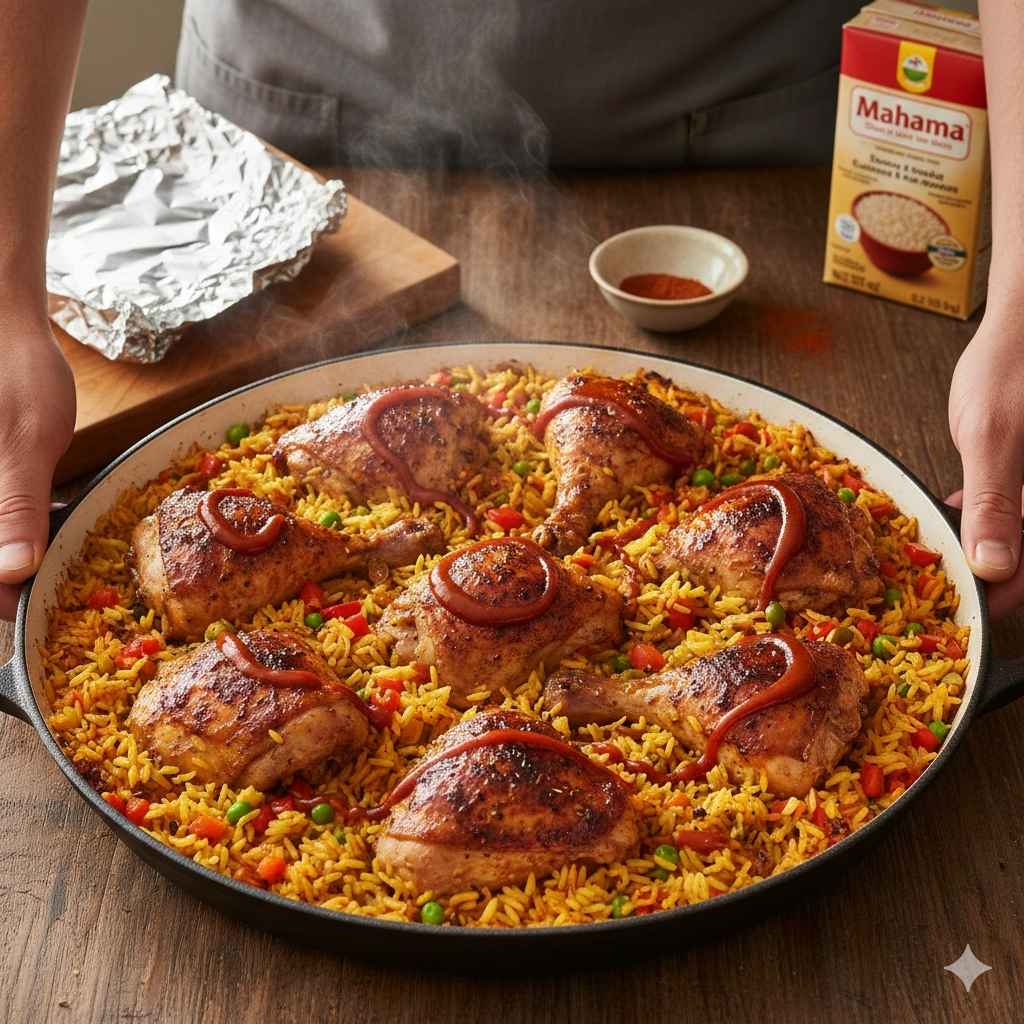
The rice cooks right in the pan with the chicken, soaking up every drop of fat and flavor that escapes.
- The Rice Base: Use a long-grain rice like Mahatma. Add chicken broth, tomato paste, and some smoked paprika.
- The Nesting: Place your seasoned chicken right on top of the raw rice and liquid.
- The Seal: Cover the whole dish with foil for the first 20 minutes to steam the rice, then uncover to crisp the chicken.
The smell of saffron and BBQ sauce mixing is something you have to experience. It’s sweet, earthy, and deeply satisfying. It reminds me of summer festivals where the food is cooked in massive pans for everyone to share.
How to Make Baked Chicken in Toaster Oven
Don’t underestimate that little box on your counter. Modern toaster ovens, like those from Ninja or Cuisinart, are actually tiny convection powerhouses.
- Watch the Clearance: The heating elements are very close to your food. If your chicken is too thick, the top will burn before the middle is warm.
- Use Small Batches: Only cook two or three pieces at a time. Overcrowding a toaster oven leads to uneven cold spots.
- The Foil Tent: If the BBQ sauce starts to smoke, loosely drape a piece of foil over the chicken. It acts as a shield.
I used a toaster oven for six months while my kitchen was being remodeled. I found that I actually preferred it for making baked bbq chicken in oven for just myself. It preheats in three minutes and the cleanup is a breeze.
How to Make Baked Chicken in Microwave Oven
Now, I’ll be honest with you as a chef—this is my last resort. But sometimes, you are in a rush. If your microwave has a “convection” or “grill” setting, you can actually get decent results.
- Use a Microwave-Safe Rack: Never let the chicken sit in the juice, or it will “stew” and turn rubbery.
- Cover with Wax Paper: This prevents splatters while letting steam escape. Don’t use plastic wrap, or the skin will get slimy.
- Check the Temp: Microwaves cook from the inside out and can have massive hot spots. Use your thermometer in three different places to be sure.
If you have a Panasonic or LG microwave with “Inverter technology,” it actually does a pretty good job. It’s not the same as a slow-roasted thigh, but with enough BBQ sauce, it’s a solid 10-minute lunch.
How to Make Baked Chicken in Oven with Foil
Foil is the unsung hero of the American kitchen. It’s not just for easy cleanup; it’s a tool for controlling moisture and texture.
This method is what I call “The Steam and Scream.” We steam it to make it tender, then “scream” it with heat to finish.
- The Packet Method: Wrap your seasoned chicken tightly in foil. Bake at 350°F for 20 minutes. This locks in every drop of juice.
- The Reveal: Carefully open the foil (watch out for the steam!). Brush on your favorite BBQ sauce.
- The Broil: Put it back in under the broiler for 3-4 minutes. The sugar in the sauce will bubble and caramelize instantly.
I love doing this on camping trips or when I’m using a rental kitchen. It’s foolproof. Even if the oven is old and unreliable, the foil packet creates a little micro-environment that protects the meat.
The Chef’s Secret: Tools for Precision
In a professional kitchen, we don’t guess. We know. If you want to stop serving “okay” chicken and start serving “wow” chicken, you need a few basic tools.
- The Instant-Read Thermometer: I carry a Thermapen everywhere. It gives a reading in one second. If you don’t want to spend that much, ThermoPro makes great affordable ones for home use.
- The Heavy Sheet Pan: Look for “Half-Sheet Pans” at a restaurant supply store or brands like Nordic Ware. They don’t warp at high heat.
- Silicone Basting Brush: These are much easier to clean than the old hair-style brushes. They don’t hold onto bacteria, which is huge for food safety.
I remember the first time I used a real thermometer instead of just poking the meat with my finger. I realized I had been overcooking my chicken by 10 degrees for years. My family noticed the difference immediately.
Safety and Storage in the American Kitchen
Cooking is fun, but a stomach ache isn’t. In the U.S., we have specific guidelines that help keep our big family dinners safe.
- The 165°F Rule: The USDA says 165°F is the safe zone. I usually pull my chicken at 160°F because “carry-over cooking” will bring it up to 165°F while it rests.
- Avoid the Sink Wash: Please, don’t wash your chicken in the sink. It just splashes bacteria all over your counters. Just pat it dry with paper towels.
- Storage: BBQ chicken stays good in the fridge for about 3 to 4 days. Use airtight glass containers like Pyrex to keep the sauce from smelling up the whole fridge.
When I’m cleaning up, I use a simple spray of water and a little bleach on my counters. It’s a habit from the restaurant world that I’ll never break. It gives me peace of mind before I go to bed.
The Perfect Sidekicks for Baked BBQ Chicken
The right sides turn a simple meal into a full-blown feast that feels like a 4th of July party.
- Classic Mac and Cheese: Use sharp cheddar and a bit of Gruyère. The creaminess cuts right through a spicy BBQ glaze.
- Vinegar-Based Slaw: I prefer a tangy slaw over a creamy one. It cleans your palate between bites of sticky chicken.
- Buttery Cornbread: I always bake mine in a cast iron skillet. It gives the edges a crust that can hold up to extra sauce.
I remember a dinner in North Carolina where the slaw was so sour it made my eyes water. But when I took a bite of the sweet BBQ chicken right after, it made perfect sense. It’s all about the balance.
How to Make Oven Baked Spanish Style Chicken and Rice: A Deeper Dive
This is one of my favorite ways to feed a crowd without making a mess. It’s a “one-pan wonder” that looks like you spent hours in the kitchen.
In many Spanish-influenced U.S. kitchens, we call this a “set it and forget it” masterpiece that relies on the chicken fat to flavor the grains.
- The Saffron Secret: If you can’t find saffron, a little bit of turmeric gives you that beautiful yellow color for a fraction of the cost.
- Bell Pepper Base: Sauté some onions and green peppers in the pan before adding the rice. This is the “sofrito” that adds deep soul to the dish.
- The Crispy Bottom: In the last 5 minutes, turn the heat up. The rice on the bottom of the pan gets crispy. We call this the socarrat, and it’s the best part.
I once made this for twenty people during a rainy weekend in Vermont. We didn’t have a grill, but the smell of the roasted peppers and BBQ-rubbed chicken made everyone feel warm. It’s the ultimate comfort food.
Troubleshooting Your Oven-Baked BBQ
Even pros have bad days. If things aren’t going right in your kitchen, don’t panic. Most chicken mistakes are easy to fix.
- The Sauce is Burning: If it looks too dark too soon, turn the oven down 25 degrees and move the rack to a lower position.
- The Skin is Soggy: This usually happens if there is too much steam. Open the oven door for ten seconds to let the moisture out, or turn on the convection fan.
- The Meat is Tough: You probably skipped the resting phase. If you cut it too soon, the juice runs out and the meat tenses up.
I’ve had days where my oven thermostat broke, and I was basically flying blind. I learned to watch the bubbles in the sauce. If they are small and slow, you’re good. If they are big and popping fast, it’s too hot!
Elevating Your Store-Bought Sauce
Let’s be honest. Most of us use a bottle of Sweet Baby Ray’s or Stubb’s. There is no shame in that! But a professional cook always adds a little “extra” to make it their own.
- Add Acid: A splash of apple cider vinegar or a squeeze of fresh lime wakes up a bottled sauce instantly.
- Add Heat: A teaspoon of chipotle in adobo adds a smoky depth that tastes like it spent twelve hours in a pit.
- Add Sweetness: If the sauce is too vinegary, a tablespoon of honey or brown sugar helps it stick to the chicken better.
I keep a “sauce doctor” kit in my pantry. Just a few drops of Worcestershire sauce and some smoked paprika can make a $2 bottle of sauce taste like a $15 artisan blend.
My Personal Gear Recommendations for U.S. Home Cooks
I’ve used almost every brand out there. When you’re shopping for your kitchen, focus on weight and durability.
- Best Budget Pan: Nordic Ware Natural Aluminum. These are workhorses in every bakery and restaurant in the country.
- Best Luxury Pan: Le Creuset Enameled Cast Iron. It’s expensive, but it distributes heat like a dream and looks beautiful on the table.
- Best Meat Prep: Dexter-Russell knives. They are made in the U.S. and are the standard in professional butcher shops because they stay sharp and are easy to grip.
When I first started blogging, I thought I needed the most expensive gear. I was wrong. I’ve made some of my best meals using a $10 pan from a grocery store. It’s about how you use the heat, not how much you paid for the metal.
Reheating Without the Rubber: The Morning After
We have all been there. You put a piece of leftover BBQ chicken in the microwave, and it comes out tough as a sneaker. That’s because the microwave vibrates water molecules and dries out the meat.
- The Oven Method: Preheat to 325°F. Put the chicken in a dish with a tiny splash of water or broth. Cover it with foil. This steams the meat back to life.
- The Air Fryer Trick: If you have a Ninja or Instant Pot air fryer, use it! Three minutes at 350°F makes the skin crispy again without drying out the inside.
- The Skillet Steam: Put the chicken in a pan with a lid and a teaspoon of water. Heat it on low. It works surprisingly well for breasts.
I actually think some BBQ chicken tastes better the next day. The spices in the rub have had time to sink deep into the bone. I love cold BBQ chicken straight from the fridge for a quick lunch, but my wife insists on the air fryer. To each their own!
Meal Prep: Thinking Like a Pro Blogger
Since I spend so much time writing about food, I’ve learned to cook once and eat three times. This is the ultimate “life hack” for busy people in the U.S. who want to eat well without cooking every night.
- Batch Cook: I never just cook two thighs. I fill the whole tray.
- Shred the Rest: If I have extra chicken, I shred it while it’s still warm. It’s perfect for BBQ chicken pizzas, tacos, or salads later in the week.
- Freeze the Sauce: If you made a big batch of your “doctored” sauce, freeze it in ice cube trays. You can pop out exactly what you need for a single cutlet later.
I used to be a tech blogger before I went full-time into food, and I apply that same efficiency here. Think of your kitchen like a well-oiled machine. A little bit of planning on Sunday means you aren’t staring at the fridge on Thursday wondering what happened to your week.
Why Your Local Climate Matters for Your Oven
This sounds like a weird chef tip, but I’ve lived in high-altitude Colorado and humid Florida. Your environment changes how you should handle how to make baked bbq chicken in oven.
- High Humidity (The South/East Coast): Your chicken skin will naturally want to stay soft. You might need an extra five minutes under the broiler to get that crunch.
- Dry Air (The Southwest): Your meat will dry out faster. Keep the foil on a little longer to trap the steam.
- High Altitude: Water boils at a lower temp. You might find that your chicken takes 10% longer to reach that safe 165°F mark.
I remember moving from a humid city to a dry one and being so confused why my chicken felt different. It’s not just the oven; it’s the air in your house. Pay attention to your surroundings, and you’ll become a much better cook.
Final Thoughts from the Kitchen
At the end of the day, cooking is about sharing something honest and tasty with the people you love. Whether you are using a top-of-the-line Wolf range or a beat-up toaster oven in a dorm room, you can make something amazing.
Don’t be afraid of the mess. BBQ sauce is meant to be sticky. It’s meant to get on your fingers. If you follow these steps—patting the skin dry, layering the rub, and waiting until the end to sauce—you will have the best chicken on the block.
I’ve spent thousands of hours in front of ovens. Some days are perfect, and some days I burn the toast. But every time I pull a tray of bubbling, golden-brown BBQ chicken out of the oven, I know it was worth the effort. Now, go turn on your oven and get cooking. Your kitchen is waiting for you.
Frequently Asked Questions
How do I prevent BBQ sauce from burning in the oven?
The secret is timing. Most BBQ sauces have high sugar content (like molasses or honey), which burns quickly. I always bake my chicken with a dry rub first and only brush on the liquid sauce during the last 10 to 15 minutes of cooking. This allows the sauce to get sticky and “set” without turning black and bitter.
What is the best oven temperature for BBQ chicken?
For most cuts, 375°F (190°C) is the sweet spot. It is hot enough to render the fat and crisp the skin but low enough to keep the internal meat from drying out. If you are doing a “low and slow” style for very thick drumsticks, you can drop to 325°F, but I usually finish with a quick 5-minute blast at 425°F for that grilled char.
Should I cover the chicken with foil while baking?
I recommend a “hybrid” approach. If you want ultra-tender meat that falls off the bone, cover the pan tightly with foil for the first 20 minutes to trap steam. Then, remove the foil for the remainder of the time. This ensures the skin gets crispy and the sauce caramelizes properly. Never keep it covered once the sauce is applied, or it will stay soggy.
How do I know when the chicken is officially done?
Don’t guess—use a digital thermometer like a Thermapen. The USDA recommends an internal temperature of 165°F. However, for dark meat like thighs and legs, I actually prefer taking them to 175°F or 180°F. This extra heat breaks down the connective tissue, making the meat much more tender and flavorful.
Can I make this in a toaster oven?
Absolutely! Toaster ovens from brands like Breville or Ninja are great for small batches. Just keep in mind that the heating elements are closer to the food. You may need to lower the temperature by 25 degrees or “tent” the chicken with foil if the top starts to brown too quickly.
How do I get the skin crispy without a grill?
Three things: Pat the chicken completely dry with paper towels before seasoning, use a wire rack over your baking sheet to let air circulate underneath, and don’t be afraid of the broiler. A 2-3 minute broil at the very end is the professional way to get those perfect, crispy edges.

I’m Mossaraof, a trained chef and the founder of OvenInsights.com. I spent years cooking at Larrupin’ Cafe and in kitchens across Chicago and Seattle. Now I test kitchen gear for a living. I moved to North Acton, London, and I test every tool I write about. I use real meals and real heat. No brand deals. No shortcuts. I cover 12 kitchen types and hundreds of recipes. I believe this: the right tools matter as much as the recipe.