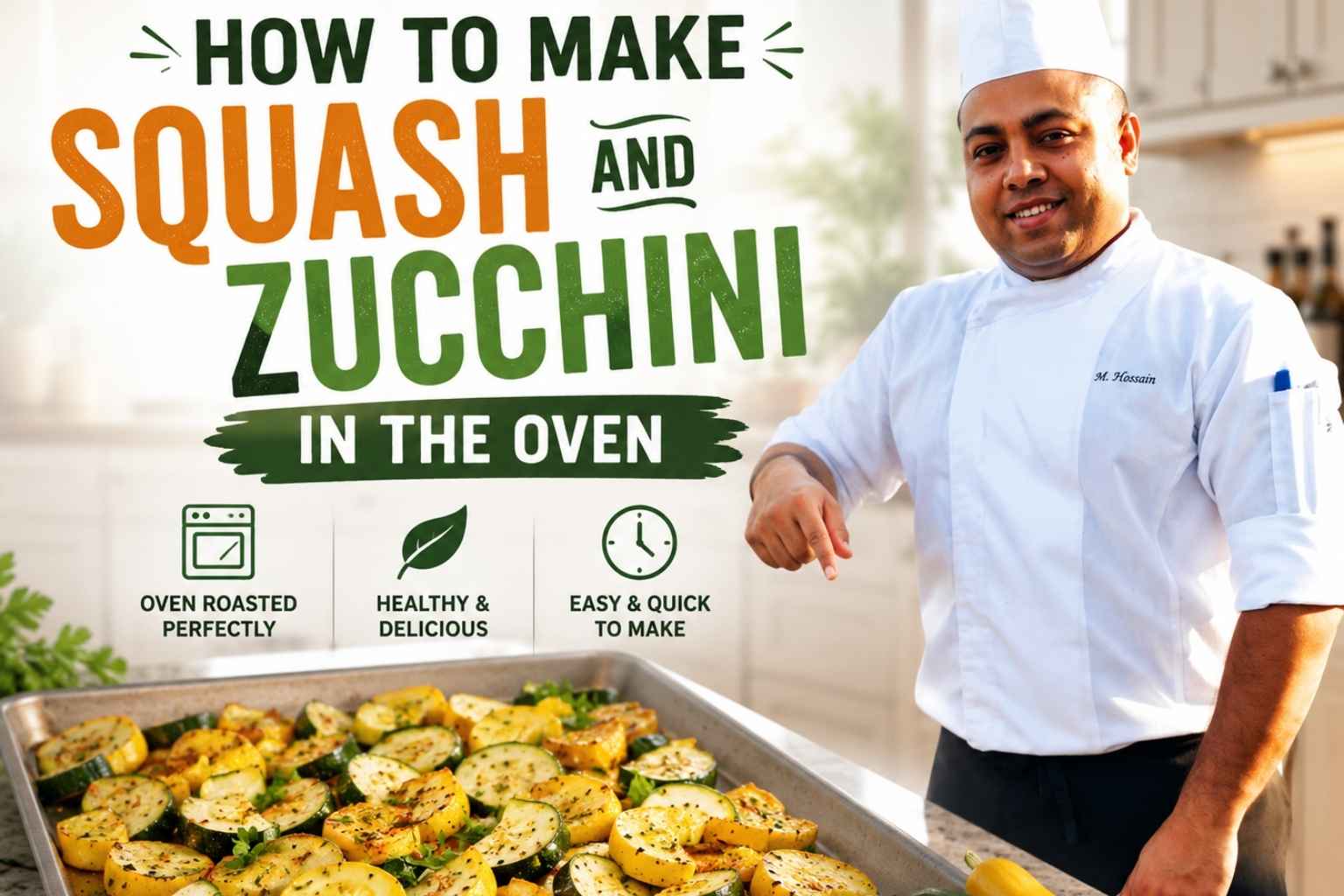

- A full-size oven can raise kitchen air temperature by 8-10°F in 30 minutes (ENERGY STAR, 2024), so summer cooking means picking the right tool for the job.
- Toaster ovens and air fryers use 30-50% less energy than a full oven for small batches (ENERGY STAR, 2024) and barely warm the room.
- Sheet-pan dinners, foil packets, and one-and-done roasts let you cook a full meal in a single heat session.
- Run your oven before 10 a.m. or after 8 p.m. to avoid stacking heat on top of peak afternoon temperatures.
- Convection settings cook 25°F lower and up to 25% faster than conventional bake (King Arthur Baking, 2023), which means less time with the door closed.
Summer heat used to make me dread turning on my oven. Then I found the trick to keeping meals easy, fast, and cool-kitchen friendly all season long. After 15 years testing ovens in real home kitchens, I’ve built a go-to list of the best oven recipes for summer that won’t heat up your whole house. From quick veggie bakes to light fruit desserts, these dishes keep things simple and fresh. Grab your favorite pan, and let’s get cooking!
Why Summer Cooking Needs a Different Game Plan
A 425°F oven doesn’t just cook your food. It turns your kitchen into a second heat source competing with your air conditioner. I learned this the hard way during my first summer running a restaurant line in a building with a weak AC unit. By 2 p.m., the kitchen was 15 degrees hotter than the dining room, and the cooks were going through water like it was service for 200.
At home, the math is smaller but the principle is the same. Oven heat load is the term I use for the extra warmth an oven dumps into your kitchen while it runs and for an hour after you turn it off. A 30-minute bake at 400°F can leave your kitchen noticeably warmer for the rest of the afternoon (ENERGY STAR, 2024).
That heat load does two things. It makes your kitchen uncomfortable to stand in, and it forces your air conditioner to work harder. Your AC unit then uses more electricity to cool the room back down. So every time you bake a tray of cookies in July, you’re paying twice: once for the oven, once for the AC fighting it.
The fix isn’t to stop cooking. It’s to change how you cook. Smaller appliances, smarter timing, and one-session batch cooking can give you the same meals with a fraction of the heat output.
Small Appliances vs. Full Oven: What Actually Saves You Heat
How Much Less Heat Do Toaster Ovens and Air Fryers Produce?
A toaster oven or air fryer heats a much smaller cooking chamber, so it reaches temperature faster and loses less heat into the room. Most countertop convection ovens preheat in under 5 minutes, compared to 12-15 minutes for a full-size oven (America’s Test Kitchen, 2023).
I keep a countertop air fryer on my counter from May through September. It handles roughly 70% of what used to go in my oven: roasted vegetables, reheated leftovers, chicken thighs, even small batches of roasted nuts for salads. The unit itself runs hot to the touch, but it doesn’t radiate heat across the whole kitchen the way an oven door does.
The Real Difference: Preheat Time
Preheating is where ovens waste the most energy and produce the most unnecessary heat. A full oven needs 12-15 minutes to hit 400°F. During that time, it’s pouring heat into your kitchen before you’ve even started cooking.
Toaster ovens and air fryers cut that preheat window to 3-5 minutes for most models (America’s Test Kitchen, 2023). For a dish that only needs 20 minutes of cook time, that’s a 40% reduction in total “oven running” time.
When You Still Need the Full Oven
Small appliances aren’t a replacement for everything. Anything over a 9×13 pan, a whole chicken, or a sheet pan with more than 6-8 servings needs the real oven. I’m not going to pretend you can roast a turkey in an air fryer basket.
The strategy isn’t “never use the oven.” It’s “use the smallest tool that gets the job done.”
Minimal-Heat Technique Comparison
Here’s how the main low-heat cooking methods stack up. I built this table from testing each method in my own kitchen over the past two summers.
| Method | Avg. Energy Use | Typical Time | Best For | Heat Output to Kitchen |
|---|---|---|---|---|
| Toaster oven | Low (0.5-1.0 kWh/use) | 10-25 min | Single portions, reheating, small sides | Minimal |
| Air fryer | Low (0.5-1.0 kWh/use) | 10-20 min | Crispy proteins, vegetables, frozen foods | Minimal |
| Sheet pan (full oven, one session) | Medium (1.0-2.0 kWh/use) | 25-40 min | Full dinners, batch cooking | Moderate |
| Broiler-only | Medium (0.5-1.5 kWh/use) | 5-12 min | Finishing dishes, quick char, melting cheese | Moderate (short burst) |
| No-bake / stovetop | Varies (0.1-0.5 kWh/use) | 5-30 min | Salads, cold soups, grain bowls, desserts | Very low |
| Outdoor grill | N/A (gas/charcoal) | 15-45 min | Proteins, vegetables, pizza | None (kitchen) |
Energy use figures are approximate ranges based on typical appliance wattage and usage time (ENERGY STAR, 2024). Your actual numbers will vary by appliance model and how full the cooking chamber is.
Recipes and Dishes That Work With Minimal Heat
Sheet-Pan Dinners: The Workhorse of Summer Cooking
A sheet-pan dinner means protein, vegetables, and sometimes a starch, all roasted together on one tray. The whole meal goes in and comes out at the same time, so your oven only runs once.
My go-to combination is chicken thighs, halved baby potatoes, and green beans, all tossed in olive oil, salt, and smoked paprika. At 425°F with convection, it’s done in about 30 minutes. One pan, one wash, one heat session.
The key move is cutting everything to roughly the same size so it finishes cooking at the same time. Potatoes go in first if you’re staggering, but if you cut them small enough (about 3/4-inch pieces), everything can go in together.
One-and-Done Roasts
A one-and-done roast is a single large piece of food, like a whole chicken, a pork tenderloin, or a big tray of vegetables, that needs zero attention once it’s in the oven. You season it, set a timer, and walk away.
I roast a whole chicken on Sunday mornings in summer. It takes about an hour at 425°F, and I use the leftover meat for lunches all week: chicken salad, grain bowls, sandwiches. One hour of oven time gives me five days of cold lunches that need no reheating.
Foil Packets: Almost No Cleanup, Almost No Heat
A foil packet is exactly what it sounds like. You wrap fish, vegetables, or even fruit in foil with seasoning and a little liquid, then bake or grill it. The food steams inside its own little pouch.
Foil packets are great for fish like salmon or cod, because the steam keeps it moist without drying out. I do salmon with lemon slices, dill, and a pat of butter, sealed tight, at 400°F for 15 minutes. No pan to scrub, no oil splatter, and the oven door barely needs to open.
Broiler-Only Dishes
Your broiler is the most underused tool in most home kitchens. It’s essentially an upside-down grill built into your oven, and it works fast: most broiler tasks take 5-12 minutes.
Broiler-only meals I make all summer: broiled salmon with a miso glaze, melted cheese on toast for a quick caprese, and charred shishito peppers for a snack. The broiler runs hot but for such a short time that the heat load on your kitchen is much lower than a 45-minute bake.
Batch Cooking: The “One Heat Session” Strategy
What Is a One Heat Session?
A one heat session means you turn the oven on once and cook everything you’ll need for the next several days in that single run. Instead of running the oven Monday, Wednesday, and Friday for 20 minutes each, you run it once on Sunday for an hour and cook three meals’ worth of food.
This is the single biggest change I made to my home cooking in summer, and it cut my oven use by more than half.
How I Plan a One Heat Session
Here’s my actual Sunday routine. I preheat the oven to 400°F with convection on. While it heats, I prep:
- A sheet pan of roasted vegetables (zucchini, peppers, onions) for grain bowls
- A second sheet pan of chicken thighs for lunches
- A tray of granola or roasted chickpeas if I have room on a third rack
All three go in together. The vegetables take about 25 minutes, the chicken about 30, and the granola about 20, so I pull things out in stages but the oven only runs once, for about 35 minutes total.
By the time I’m done, I’ve got protein, vegetables, and a snack ready for the week. The oven ran once. My kitchen warmed up once.
Foods That Hold Up Well for Batch Cooking
Roasted vegetables, cooked grains, roasted or baked proteins, and baked goods like muffins or granola bars all reheat or store well. Things that don’t hold up: anything meant to be crispy right out of the oven, like fries or breaded items, since they go soft in the fridge.
Best Times of Day to Use Your Oven in Summer
Morning Is Your Best Window
The coolest part of the day is usually early morning, before outdoor temperatures climb and before your AC has to work as hard. Running your oven between 6 a.m. and 9 a.m. means the heat it adds has the most time to dissipate before the hottest part of the afternoon.
I do almost all my baking before 9 a.m. in summer. Bread, granola, roasted nuts, anything that needs real oven time goes in early, while it’s still cool outside and the AC isn’t fighting an uphill battle yet.
The Afternoon Danger Zone
The biggest mistake I see home cooks make is running the oven between 2 p.m. and 6 p.m. This is when outdoor temperatures peak, your AC is already working its hardest, and adding oven heat on top of that creates the worst possible combination.
If you bake at 4 p.m. on a 95°F day, you’re asking your AC to fight both the outdoor heat pouring in and the oven heat pouring out, at the exact moment it has the least capacity to do either.
Evening: A Decent Second Option
After 8 p.m., outdoor temperatures usually start dropping, and any heat your oven adds has all night to clear out before the next hot day. This is my second-favorite window, especially for dinners that need real oven time.
Convection vs. Conventional: Why It Matters More in Summer
What’s the Difference?
Conventional baking uses heating elements with no fan, so heat rises naturally and can create hot and cool spots. Convection baking adds a fan that circulates hot air around the food, cooking it more evenly and often faster.
Why Convection Wins in Summer
Convection ovens cook at lower temperatures and for less time than conventional settings, often 25°F lower and up to 25% faster (King Arthur Baking, 2023). That means less total time with your oven door closed and heat building up.
If a recipe calls for 425°F conventional for 30 minutes, try 400°F convection for about 22-24 minutes. Less time, less heat, same result. I switched my home oven to convection as the default setting years ago and haven’t looked back.
One Caveat: Delicate Baked Goods
Convection’s fan can sometimes overbrown delicate items like soufflés or certain cakes before the inside is done. For those, conventional might still be the better call. But for roasted vegetables, sheet-pan dinners, and most savory cooking, convection is the summer move.
No-Bake and Stovetop-Only Days
When It’s Too Hot for the Oven at All
Some days, even a 20-minute bake feels like too much. On those days, I go fully no-bake or stovetop-only.
No-bake meals I lean on: big grain bowls with cold roasted vegetables from my batch-cooking session, large salads with grilled or pan-seared protein, cold soups like gazpacho, and overnight oats or chia pudding for breakfast (Serious Eats, 2023).
Stovetop Tricks That Skip the Oven Entirely
A cast-iron skillet on the stovetop can do a lot of what an oven does. You can sear a chicken breast, then finish it with a lid on low heat instead of in the oven. You can “toast” nuts in a dry skillet over medium heat instead of roasting them. You can even make a frittata entirely on the stovetop with a lid, no oven finish needed.
My Hottest-Day Meal
On the worst days, I make a big composed salad: cold roasted chicken from my one-heat-session batch, leftover roasted vegetables, a quick-cooked grain like couscous (5 minutes on the stovetop), and a simple vinaigrette. Zero oven time, five minutes of stovetop time, and dinner is done.
Common Summer Cooking Mistakes (And How to Fix Them)
Mistake 1: Running the Oven During Peak Heat Hours
This is the one that costs you the most, both in comfort and in AC bills. Fix: Move your baking and roasting to before 9 a.m. or after 8 p.m. If you must cook midday, use a toaster oven, air fryer, or stovetop instead.
Mistake 2: Opening the Oven Door Repeatedly
Every time you open the door, heat escapes into your kitchen and the oven has to reheat, using more energy and adding more warmth to the room. Fix: Use the oven light and window to check progress. Only open the door when truly necessary.
Mistake 3: Preheating Longer Than Needed
Most ovens beep when they hit temperature, but some people preheat for 15-20 minutes “to be safe.” Fix: Trust the beep. Modern ovens are accurate (ENERGY STAR, 2024). Start prepping your food during preheat so you’re ready to load the moment it’s hot.
Mistake 4: Cooking Multiple Separate Dishes Throughout the Day
Running the oven three separate times for three separate meals triples your heat load. Fix: Batch cook in one session, as covered above. Cook once, eat from it for days.
Mistake 5: Ignoring the Broiler and Toaster Oven for Small Jobs
People default to the full oven even for tasks like reheating a single slice of pizza or melting cheese on toast. Fix: A toaster oven does these jobs in a fraction of the time with a fraction of the heat output.
Mistake 6: Not Using Convection When It’s Available
If your oven has a convection setting and you’re not using it, you’re cooking longer and hotter than you need to. Fix: Switch to convection as your default and reduce temperature by 25°F from the recipe’s stated temperature (King Arthur Baking, 2023).
My Personal Summer Kitchen Routine
After 15 years of cooking professionally and at home, here’s exactly what my summer week looks like.
Sunday morning, 7 a.m.: One heat session. Oven on convection at 400°F for about 35-40 minutes. I roast a whole chicken, a sheet pan of mixed vegetables, and a tray of granola, all at once, on different racks.
Monday through Thursday: No oven at all. Lunches come from Sunday’s batch. Dinners are either a quick stovetop sauté using Sunday’s roasted vegetables as a base, a cold composed salad, or air fryer reheats for anything that needs to be crispy again.
Friday evening, after 8 p.m.: If I want pizza or something that needs real oven heat, this is when it happens. The house has had all evening to start cooling, and the oven heat clears out overnight.
Weekends: Saturday is usually a grill day, since it keeps all the heat outside entirely. Sunday goes back to the one-heat-session routine.
The whole system runs on one principle: minimize how often the oven turns on, and time the moments it does run for when the heat matters least.
Frequently Asked Questions About Summer Oven Cooking
What is the best way to cook without heating up the kitchen in summer?
The best approach combines three things: using small appliances like air fryers and toaster ovens for most meals, batch cooking everything you need in one oven session, and timing any necessary oven use for early morning or late evening when it adds the least heat load.
How much does running the oven affect my electricity bill in summer?
Beyond the oven’s own energy use, running it during hot afternoons forces your air conditioner to work harder to offset the added heat, which increases your total cooling costs (ENERGY STAR, 2024). The exact amount depends on your AC efficiency and how long the oven runs.
Is an air fryer really cooler than an oven?
Yes. Air fryers and toaster ovens heat a much smaller chamber, preheat faster (often 3-5 minutes vs. 12-15 for a full oven), and run for shorter total times, all of which means less heat escapes into your kitchen (America’s Test Kitchen, 2023).
What foods reheat well for batch cooking?
Roasted vegetables, cooked grains like rice and quinoa, roasted or grilled proteins, and baked items like granola or muffins all reheat well. Avoid batch cooking anything meant to be crispy, like fries, since they lose texture in storage.
Should I use convection or conventional baking in summer?
Convection is usually the better choice in summer because it cooks at lower temperatures and for less time, often 25°F lower and up to 25% faster than conventional settings (King Arthur Baking, 2023). This means less total time with your oven running.
What time of day should I avoid using the oven?
Avoid running your oven between roughly 2 p.m. and 6 p.m., when outdoor temperatures typically peak and your air conditioner is already working hardest. Early morning (before 9 a.m.) or evening (after 8 p.m.) are better windows.
Can I cook a full meal without using the oven at all?
Yes. Stovetop methods like skillet-searing with a lid, quick-cooking grains, and cold composed salads using pre-cooked ingredients can replace oven cooking entirely on the hottest days (Serious Eats, 2023).
What’s a foil packet and why is it good for summer?
A foil packet is food, often fish or vegetables, wrapped tightly in foil with seasoning and a little liquid, then baked or grilled. It steams the food inside its own pouch, requires no pan, produces almost no splatter, and needs minimal oven time, usually around 15 minutes.
Key Takeaways
- Oven heat load doesn’t just make your kitchen uncomfortable, it makes your AC work harder and costs you twice.
- Small appliances like air fryers and toaster ovens handle most everyday cooking with far less preheat time and heat output (America’s Test Kitchen, 2023).
- Sheet-pan dinners, one-and-done roasts, and foil packets let you cook full meals in a single, short oven session.
- Batch cooking once a week, what I call a one heat session, can cut your oven use by more than half.
- Run your oven before 9 a.m. or after 8 p.m., and avoid the 2 p.m. to 6 p.m. window entirely.
- Convection cooks lower and faster than conventional, so switch it on as your default in summer (King Arthur Baking, 2023).
- On the hottest days, no-bake meals and stovetop-only cooking can replace the oven completely.

I’m Mossaraof, a trained chef and the founder of OvenInsights.com. I spent years cooking at Larrupin’ Cafe and in kitchens across Chicago and Seattle. Now I test kitchen gear for a living. I moved to North Acton, London, and I test every tool I write about. I use real meals and real heat. No brand deals. No shortcuts. I cover 12 kitchen types and hundreds of recipes. I believe this: the right tools matter as much as the recipe.