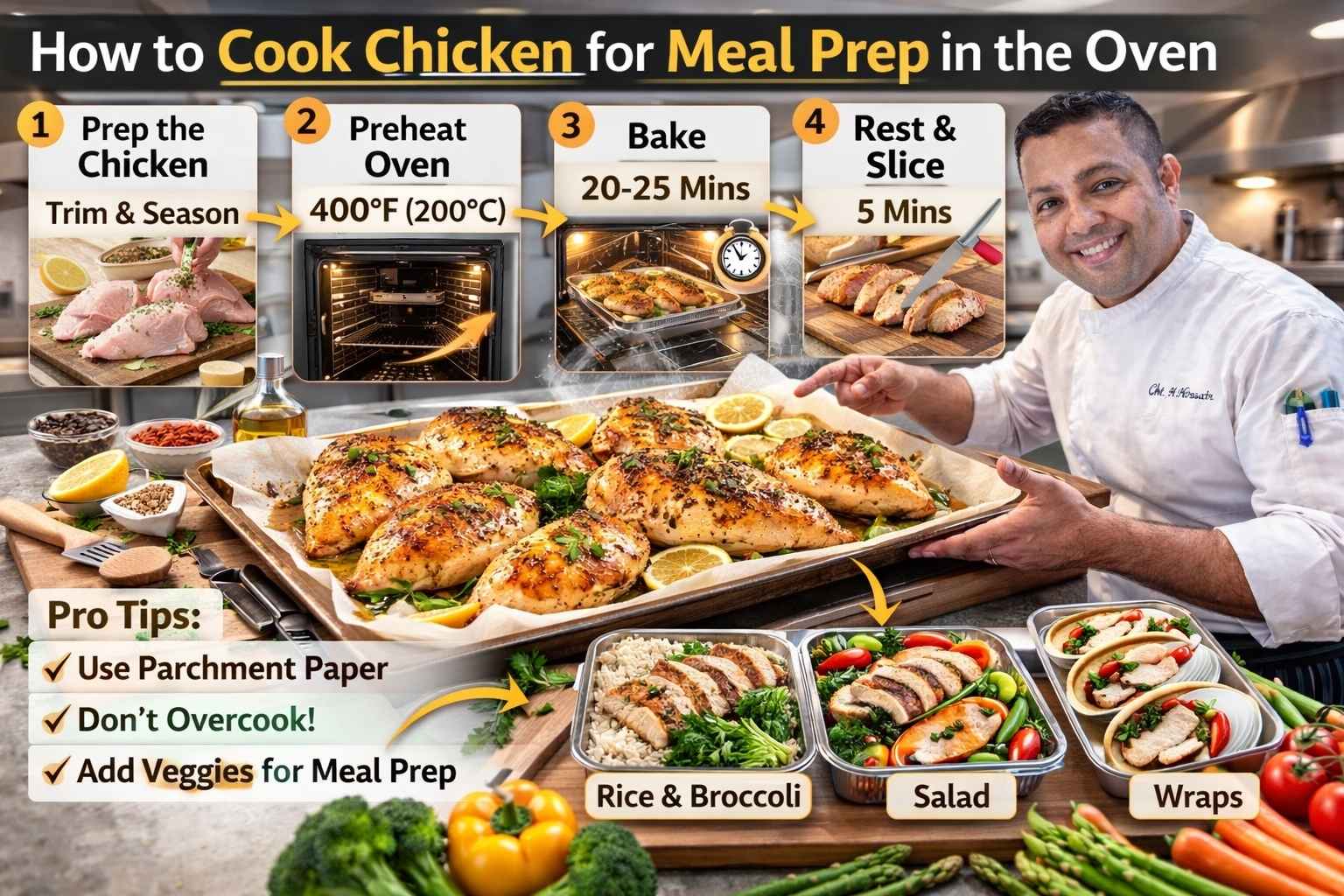
Hey, I’m Mossaraof — a cook and food blogger. One morning, I baked biscuits. They looked done, but the center was cold. I asked, how long does it take an oven to preheat? That led me to test it myself. If ovens confuse you too, read The Complete Guide to Using an Oven at Home. It breaks things down, step by step.
The Basic Timeline: What to Expect When You Turn the Dial
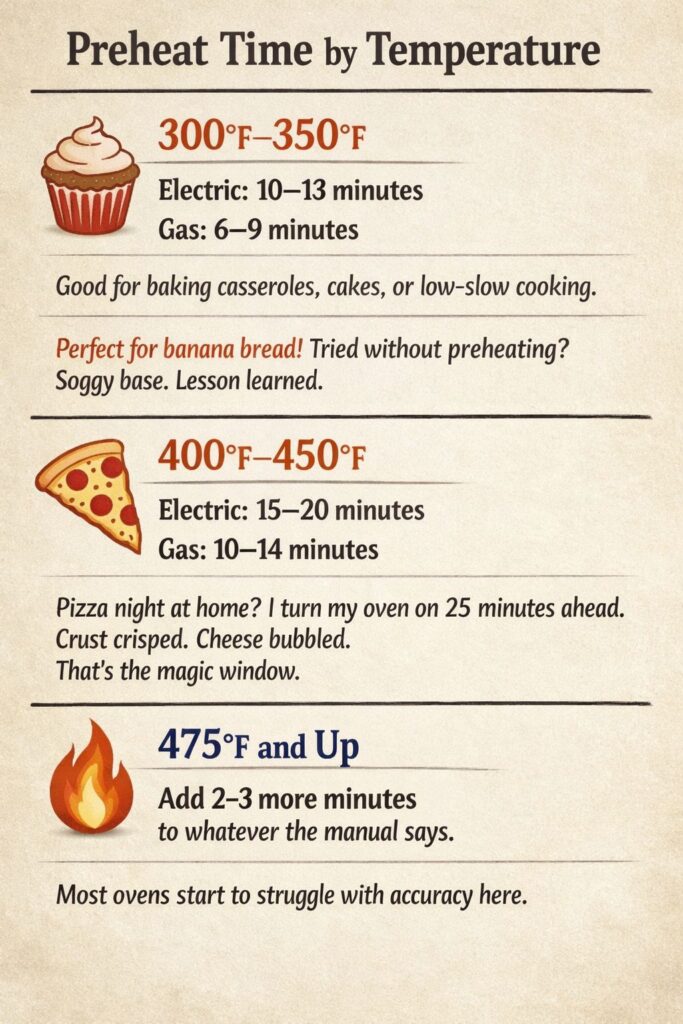
Most ovens need 10 to 20 minutes to get hot. But the exact time depends on your power source and the target temp.
If you are just warming up a frozen pizza, you might be fast. If you are roasting a Thanksgiving turkey, give it more time. Here is the reality of the clock.
Average Times for Standard Temperature Milestones
- 325°F (The Low Zone): Usually takes 8 to 10 minutes. Great for slow meats.
- 350°F (The Universal Standard): This is the sweet spot. It usually takes 12 to 15 minutes in a standard GE or Whirlpool range.
- 425°F and Up (The Sear Zone): Give it 20 minutes. Your oven has to work hard to push past 400.
Gas vs. Electric: Which Wins the Race?
Electric ovens use coils. They glow red and stay hot. They are steady but slow to start. I find they take about 15% longer than gas.
Gas ovens use a flame. Fire is instant. You hear that “whoosh” and the heat climbs fast. However, gas ovens can have “cold spots” if the air isn’t moving.
If you have a convection setting, use it. The fan moves the air. It can shave 3 or 4 minutes off your wait time.
Factors That Sneakily Change Your Preheat Speed
Your oven is not a vacuum. Everything from the weather outside to the pans inside changes the speed.
I’ve lived in places where the kitchen felt like an ice box in winter. On those days, my oven struggled to even get started.
The “Hidden” Cast Iron Obstacle
Do you store your Lodge cast iron skillet in the oven? I used to. It saves space, but it kills your preheat time.
That heavy metal acts like a heat sponge. It sucks up the warmth before the air can get hot. If you want a fast start, clear the oven out first.
Room Temperature and Regional Climates
In the US, we deal with all kinds of weather. A kitchen in a humid Florida summer feels different than one in a dry Colorado winter.
- Cold Kitchens: If your house is 60°F, the oven starts “behind.”
- High Altitude: In places like Denver, the air is thinner. Heat moves differently.
- Humidity: Damp air can actually hold heat well, but it makes your oven work harder to stay dry.
Oven Size and Capacity
A huge 30-inch professional Wolf range looks great. But it has a lot of “empty” space to heat up.
Smaller wall ovens or apartment-sized units heat up much faster. They have less air to move. If you are just making a single tray of cookies, a smaller space is your friend.
Why the “Ready” Beep Is Usually a Lie
Manufacturers want you to think their oven is the fastest. So, they set the beep to go off the second the air hits the temp.
But air is fickle. As soon as you open the door, all that hot air rushes out. If the walls of the oven aren’t hot, the temp drops instantly.
Air Temp vs. Surface Temp
Think of it like a bath. The water might be hot, but the tub is still cold. If you jump in, you’ll get chilly fast.
Your oven walls need to be “heat-saturated.” This means the metal itself is 350°F, not just the air in the middle.
The “Cycling” Effect
Ovens don’t stay at one temp. They turn on, get too hot, turn off, and cool down. They “cycle” around the target.
I always wait 5 to 10 minutes after the beep. This lets the oven find its rhythm. It ensures the heat is deep and stable.
Chef-Tested Ways to Speed Up the Wait
I’ve been in “weeds” before. That’s chef-speak for being hopelessly behind. When the tickets are flying, you need heat now.
You can’t break the laws of physics. But you can nudged them a little bit.
Using the Broiler Hack (With Caution)
The broiler element is usually more powerful. I sometimes turn it on for 2 minutes to “blast” the air.
Then, I switch back to regular bake. You have to be careful. If you forget, you’ll incinerate your dinner before it even starts.
The Convection Kickstart
Even if my recipe doesn’t need a fan, I turn it on during preheat. Moving air transfers energy much faster than still air.
Once the oven beeps, I turn the fan off. It’s a simple trick that works on almost every modern American range.
Does Preheating Actually Matter for Every Dish?
I used to be a stickler for this. I thought every single thing needed a 20-minute head start. I was wrong.
Some foods actually thrive on a slow climb. Others will be ruined if the oven isn’t screaming hot the moment they touch the rack.
The “Must-Preheat” List
- Baking (Cakes/Cookies): You need the leavening to react. Without instant heat, your cookies will spread into one giant puddle.
- Breads: That “oven spring” comes from a burst of heat hitting the dough.
- Puff Pastry: The layers of butter need to steam open immediately.
The “Cold Start” Exceptions
Believe it or not, I start my bacon in a cold oven. It lets the fat render slowly. You get way more crunch that way.
Roasting a big chunk of meat like a pork butt? A cold start is fine. It’s going to be in there for hours anyway. A 15-minute ramp-up won’t hurt a 6-hour cook.
Brand Reliability: How Different American Ovens Behave
- Intro: Every brand has its own “personality” when it comes to heating coils and sensor placement. Some are built for speed, while others are built for steady, long-term precision.
In my experience, a GE Profile range is the workhorse of the American suburbs. They usually hit 350°F in about 12 minutes. They are honest. When they beep, they are usually within 10 degrees of the target.
Samsung and LG ovens often feel more high-tech. They have bright screens and loud chimes. However, I’ve noticed they sometimes “cheat” on the preheat timer. They might beep at 8 minutes, but my independent thermometer shows they are still climbing.
High-End Pro Ranges (Wolf, Viking, BlueStar)
- The Weight Factor: These ovens are made of heavy-duty stainless steel and cast iron.
- The Wait: Because they have so much metal to heat up, a Wolf might take 25 minutes to truly stabilize.
- The Payoff: Once they are hot, they stay hot. You can open the door to baste a chicken and the temp won’t budge.
Budget-Friendly Models (Frigidaire, Amana)
- Thin Walls: These often heat up very fast because the metal is thinner.
- Heat Loss: They also lose heat the fastest. If you are baking cookies in an Amana, keep that door shut!
Tools to Verify Your Oven’s Honesty
- Intro: Your oven’s digital display is basically a marketing tool. To know the truth, you need to spend about $10 on a piece of analog hardware.
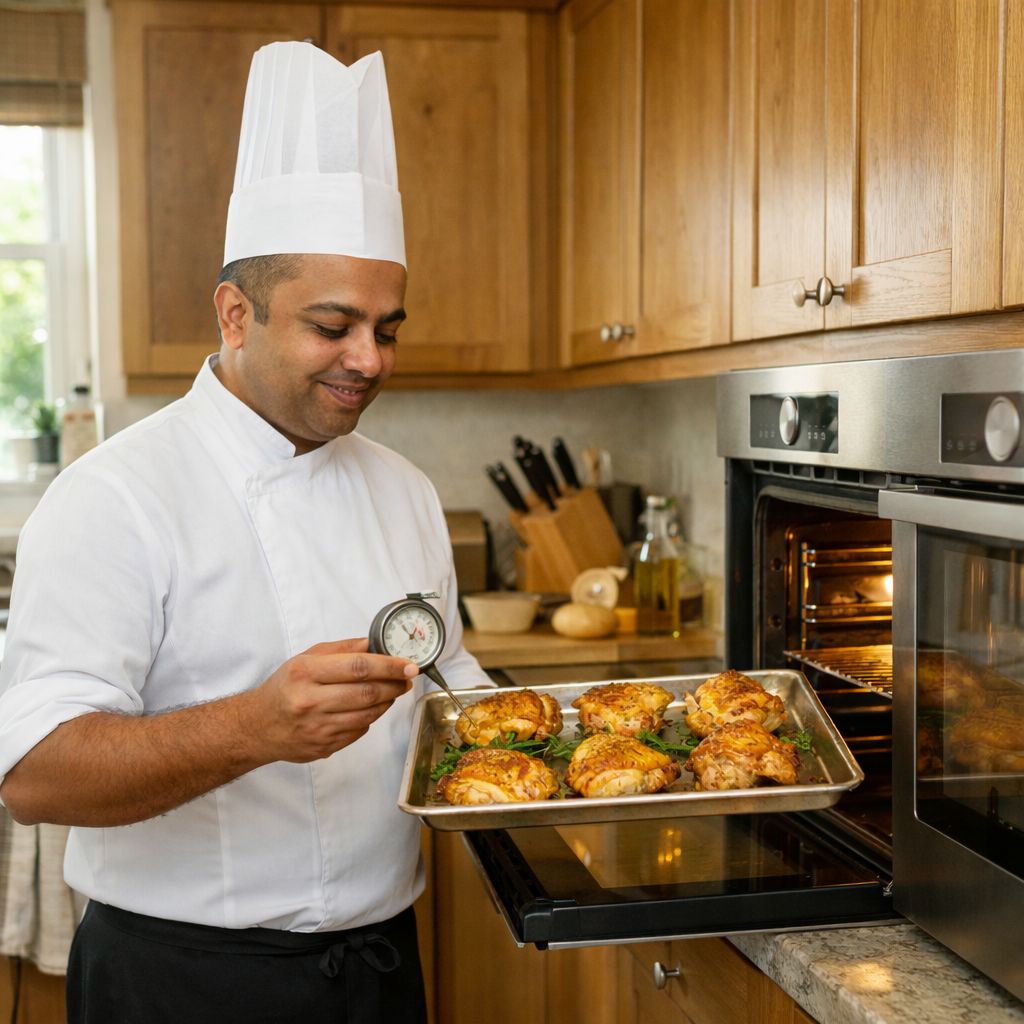
I never walk into a new kitchen without my own thermometer. I don’t care if the oven cost $5,000 or $500. I need to see what the air is actually doing.
The Classic Stainless Steel Oven Thermometer
- Placement Matters: Hang it from the middle rack, right in the center.
- The Accuracy Gap: I have seen ovens that say 350°F on the screen but are actually 325°F inside.
- Cheap Insurance: Brands like Taylor or Rubbermaid make great ones. They don’t need batteries and they never lie.
Digital Probes and Infrared Guns
- Surface Temp: An infrared “laser” gun is great for checking your pizza stone.
- Internal Temp: A wired probe is best for the meat, not the oven air.
- The Best Combo: Use the analog dial for the oven and a digital probe for the food.
Maintaining Your Oven for Peak Performance
- Intro: If your oven used to take 10 minutes and now takes 20, it’s probably not “getting old”—it’s probably just dirty or leaking.
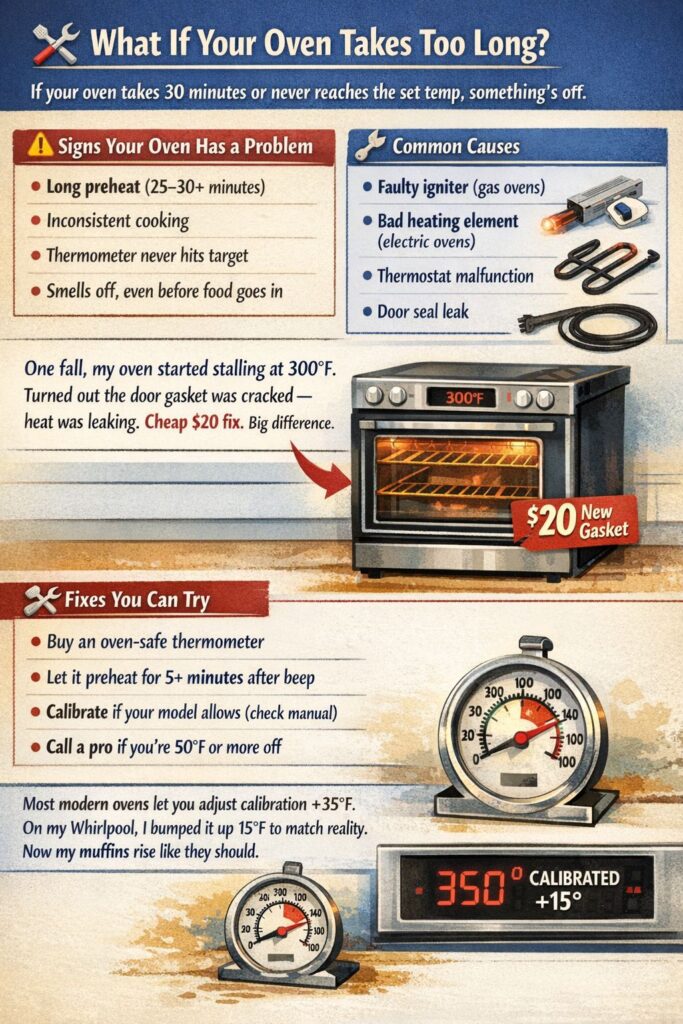
I’ve seen ovens where the door seal was so brittle it felt like a cracker. All that expensive heat was just floating up to the ceiling.
Inspecting the Door Gasket
- The Paper Test: Close the door on a piece of paper. If you can pull it out easily, your seal is shot.
- Cleaning the Seal: Use warm soapy water. Don’t use harsh chemicals or you’ll dry out the rubber.
The Hidden Cost of “Self-Clean”
Chef’s Advice: Clean your oven by hand with baking soda and vinegar. It’s safer for the electronics.
The Danger: Self-clean cycles go up to 800°F+. This can fry the delicate sensors and fuses.
Common Troubleshooting: “My Oven Takes Forever”
If you’ve noticed your oven is dragging, it’s usually a hardware issue. It shouldn’t take 40 minutes to reach a basic baking temperature.
In most American homes, we use our ovens daily. This wear and tear adds up. Here is what I look for when my heat is acting sluggish.
Faulty Igniters in Gas Ovens
If you have a gas range, listen when you turn it on. You should hear a distinct “click-click-whoosh.”
That click is the igniter. If it glows but never catches the flame, it’s failing. A weak igniter is the number one reason gas ovens take too long to preheat. It’s a cheap part to fix, and it makes a world of difference.
Burned-Out Bottom Elements in Electric Ranges
Electric ovens usually have two coils. One is on the top for broiling, and one is hidden or visible on the bottom for baking.
If your bottom coil stays black while the oven is on, it’s dead. Your oven is trying to preheat using only the top broiler. This takes forever and will burn the top of your food while the middle stays raw.
The Physics of Heat: Convection vs. Conventional
I get asked this a lot: “Should I use the fan?” As a chef, my answer is almost always yes—but you have to know how it changes your timing.
Standard ovens are just boxes of hot air. Convection ovens are boxes of moving hot air. That movement is a game changer for How Long Does It Take an Oven to Preheat?
Why Fans Are Faster
Think about a windy day. If it’s 40°F and the wind is blowing, you feel colder faster. This is “wind chill.”
In an oven, it’s the opposite. The moving air strips away the “cold envelope” surrounding your food. It forces heat into the dish.
- Preheat Time: Convection usually hits the mark 25% faster.
- Cooking Temp: You can usually drop your recipe temp by 25°F when using the fan.
- Evenness: No more rotating trays halfway through baking!
Summary Table: Preheat Times at a Glance
I put this together based on my personal testing with standard US kitchen brands. Use this as a rough guide for your next meal.
| Oven Type | Temp Goal | Average Time | Chef’s “Real” Ready Time |
| Standard Electric | 350°F | 12-15 Mins | 20 Mins |
| Standard Gas | 350°F | 8-12 Mins | 15 Mins |
| Convection | 350°F | 7-10 Mins | 12 Mins |
| Toaster Oven | 350°F | 3-5 Mins | 5 Mins |
| Pro Range (Wolf/Viking) | 350°F | 18-22 Mins | 30 Mins |
Safety, Durability, and Modern Tech
We live in a world of “smart” everything. My new oven can talk to my phone. It sounds cool, but is it actually helpful for a cook?
I have mixed feelings. On one hand, being able to start the preheat while I’m stuck in traffic on the I-95 is amazing. On the other hand, technology can be a distraction from the basics.
Smart Home Integration
Many new Samsung and Bosch models connect to WiFi. You get a notification when the oven is ready.
This is great for multitasking. But remember: the sensor is still just measuring air. Even if your phone says “Ready,” I still recommend giving it that extra 5-minute “chef’s buffer” to let the metal walls catch up.
Hidden Bake Elements
Many modern ovens hide the bottom heating coil under the floor of the oven. This looks sleek and makes cleaning easy.
The downside? It adds a layer of metal the heat has to penetrate. In my experience, ovens with hidden elements take about 2 to 3 minutes longer to preheat than the old-school ones with the exposed “snake” coil.
Calibration 101: How to Fix a Lying Oven
- Intro: If your oven consistently runs too hot or too cold, you don’t need a repairman; you usually just need to dive into the settings menu.
Most modern American ranges from GE, Samsung, or Frigidaire allow you to “offset” the temperature. This is a life-saver for a baker who keeps getting burnt cookie bottoms.
Finding the Secret Menu
- The Key Combo: Usually, holding down the “Bake” or “Settings” button for 5 seconds opens the service menu.
- The Adjustment: You can typically tell the oven to run up to 35 degrees hotter or colder than the factory setting.
- The Proof: Only do this after you’ve tested your oven with a reliable analog thermometer for at least three separate sessions.
Common Questions I Get in the Kitchen
- Intro: People ask me the same few things every time they see me prep. Here are the quick answers to the most common preheat myths.
I’ve heard it all—from “my grandma never preheated” to “it doesn’t matter if you use the top rack.” Let’s set the record straight so you can cook with confidence.
Can I put food in while it’s still preheating?
- For Roasts: Yes. A chicken or a pot roast won’t mind the gradual climb.
- For Baking: Absolutely not. If you put cake batter in a 200°F oven that is aiming for 350°F, the structure won’t set, and your cake will collapse.
Why does my oven lose so much heat when I open the door?
- The Numbers: You can lose up to 50°F in just five seconds of the door being open.
- The Chef’s Trick: If I know I have to keep the door open to baste or move racks, I actually preheat the oven 25°F higher than I need. Once the food is in, I turn it back down to the correct temp.
The Sensory Guide: How to Tell It’s Ready Without a Clock
- Intro: Eventually, you’ll develop a “kitchen sense.” You won’t need a timer to know when the air is right.
When I’m busy, I don’t always look at the clock. I use my eyes and even my skin to feel the heat. It sounds crazy, but it’s how professional cooks stay fast.
The Face Blast
- The Test: When you crack the oven door an inch, the air hitting your face should feel like a solid wall of dry heat, not just a warm breeze.
- The Smell: A clean, hot oven has a specific “scented” air. It smells like baked dust or hot metal—that’s the smell of stability.
Energy Efficiency and Your Utility Bill
- Intro: Heating a giant metal box uses a lot of juice. In the US, kitchen appliances are one of the biggest draws on your monthly electric bill.
We all want to save money. Leaving your oven on for 45 minutes of “preheating” for a 10-minute tray of nuggets is a waste of money and energy.
The Toaster Oven Advantage
- The Math: A small countertop Breville or Ninja oven preheats in 3 minutes and uses a fraction of the power.
- When to Use It: If the dish fits in the toaster oven, use it. Save the big range for the big meals.
The Chef’s Pre-Flight Checklist
- Intro: Before you slide that tray in, take five seconds to run through this mental list. It’s what separates a “good enough” dinner from a perfect one.
In my kitchen, we call this the “pre-flight.” It’s a habit. It ensures that once the food goes in, you don’t have to mess with it. Every time you open that door, you’re losing progress.
The Rack Position
- Middle: The default for almost everything.
- Top: Best for browning the cheese on a lasagna.
- Bottom: Perfect for getting a crispy crust on a pizza or bread.
- Pro Tip: Move your racks before you turn the oven on. Trying to move a 400°F metal rack with a thin oven mitt is a recipe for a burn.
The Visual Check
- Empty Space: Make sure there are no plastic containers or stray pans hiding in the back.
- Clean Floors: If you see a piece of fallen cheese from last night, scrape it out now. If it smokes during your preheat, it will ruin the flavor of your delicate cookies.
Final Thoughts: Respect the Process
- Intro: At the end of the day, cooking is about patience. You can’t rush the molecules.
I know it’s tempting to rush. We’re all busy. We have kids, jobs, and long commutes. But when you ask, How Long Does It Take an Oven to Preheat?, you’re really asking how to give your ingredients the best chance to shine.
I’ve learned that the extra 10 minutes of waiting is the cheapest “seasoning” you can buy. It’s the difference between a soggy crust and a crunch that people remember.
- Trust your tools: Get that $10 thermometer.
- Trust your senses: Listen for the clicks and feel the heat.
- Trust the clock: Give it the time it deserves.
My Personal “Go-To” Rule
If I’m baking anything with flour and sugar, I wait 20 minutes. No matter what the beep says. For everything else, 15 minutes is my “safe zone.”
Keep your seals clean, keep your racks clear, and stop opening the door to “check” every two minutes! Your oven—and your taste buds—will thank you.
✅ FAQs
How long does it take an oven to preheat to 350?
Most ovens take 10–15 minutes to preheat to 350°F. Gas ovens heat faster, while electric ones may take longer, especially if dirty.
Why is my oven taking so long to preheat?
Your oven may take longer if it’s dirty, old, or has a faulty part like the igniter or thermostat. Climate and brand also affect speed.
Can I put food in before the oven is fully preheated?
Only for long cook times like roasts or frozen foods. For baking, always wait until your oven is fully preheated to avoid poor results.
Do convection ovens preheat faster than regular ones?
Yes, convection ovens usually preheat 2–4 minutes faster due to built-in fans that circulate hot air more efficiently.
How can I tell when my oven is actually preheated?
Use an oven thermometer, wait 5 minutes after the beep, and check for steady temperature. Don’t rely solely on the preheat light.