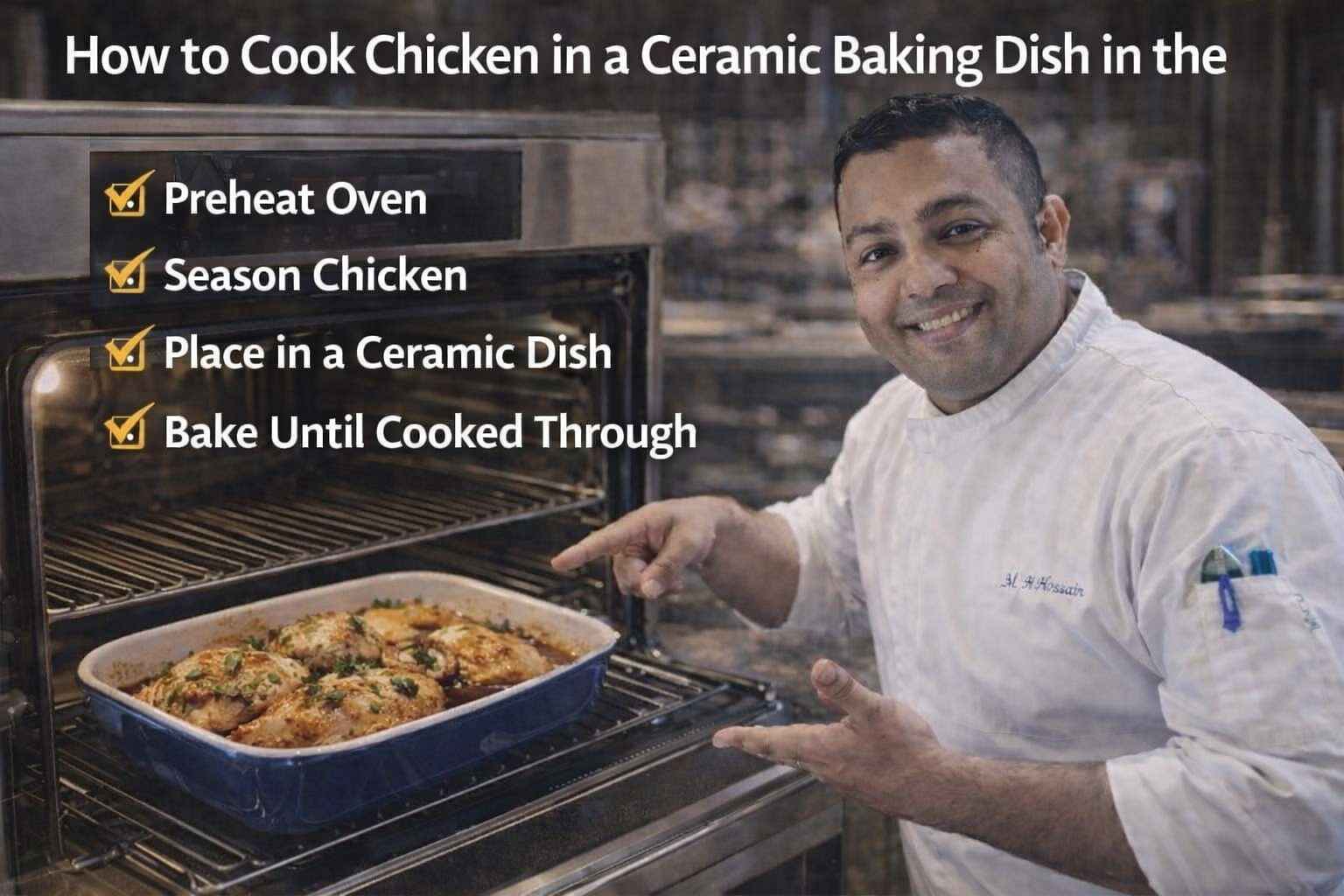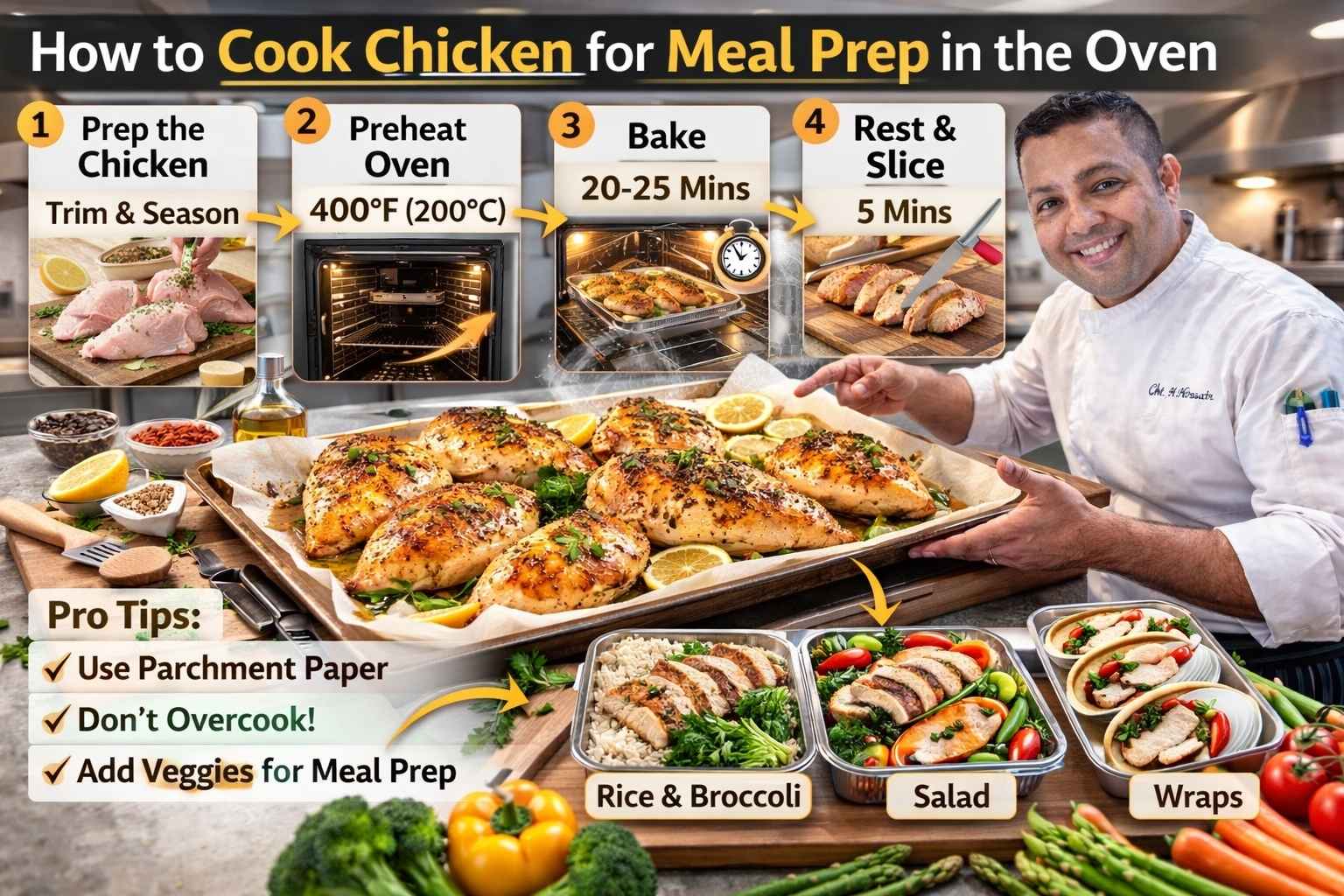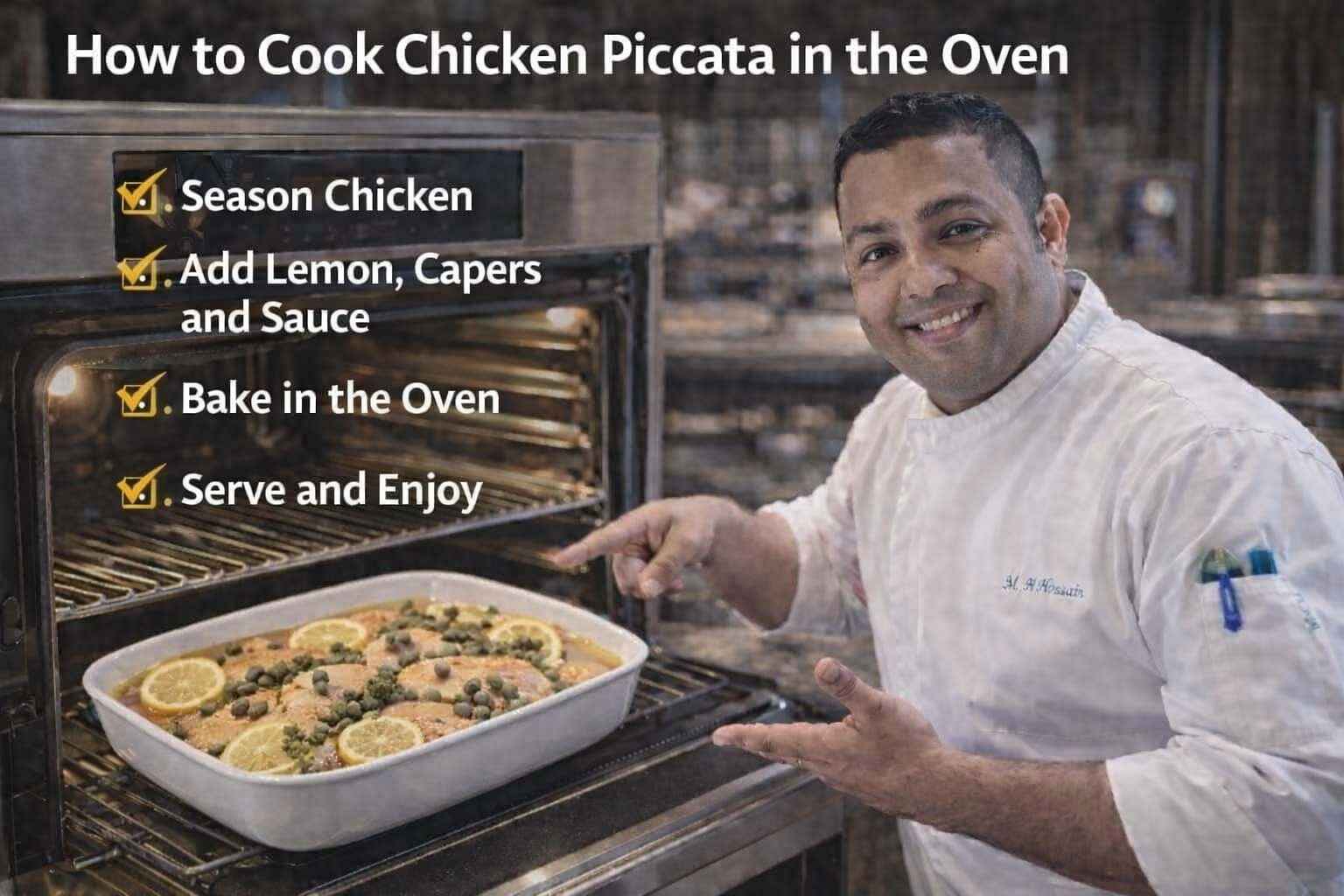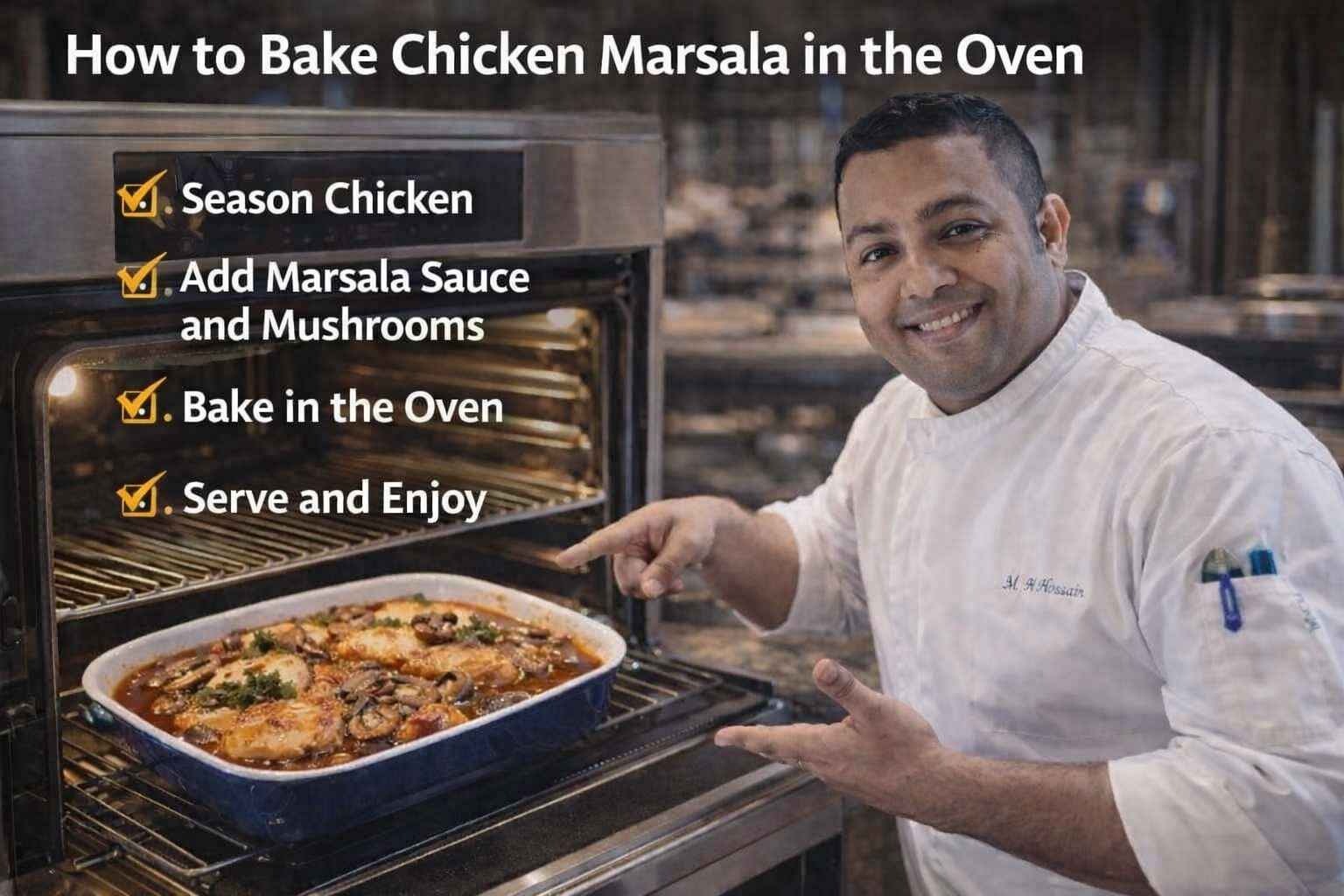
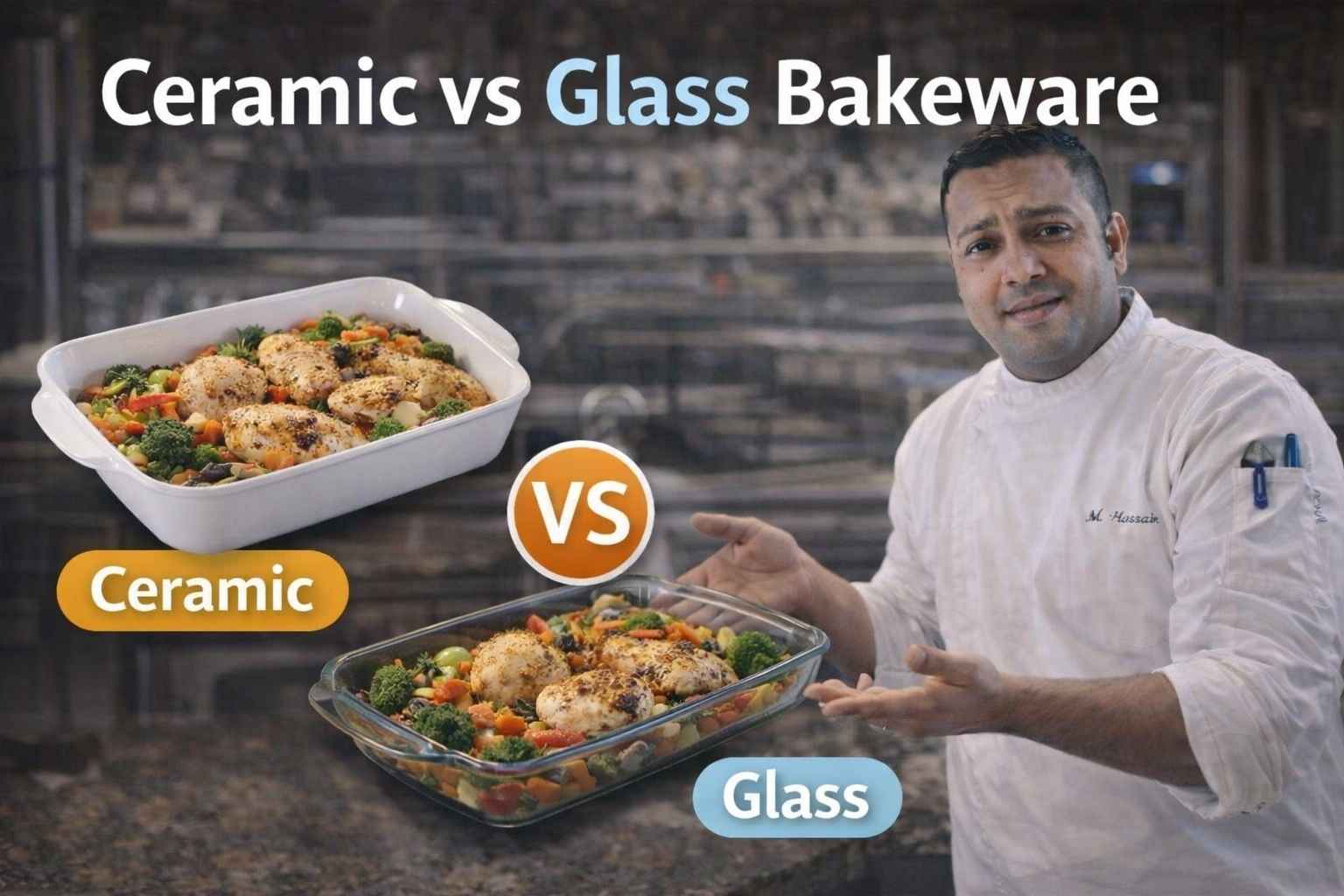
I once dropped a hot lasagna on a cold table. The glass shattered instantly. That mess taught me the hard truth about Ceramic vs Glass Bakeware. As a pro cook, I know which pan saves your dinner. I talk about heat safety in The Complete Guide to Using an Oven at Home. Let’s pick the right dish for you.
The Basics: What Are We Even Using?
Let’s look at what these pans are made of. It helps to know the material before we put it in the heat.
Glass Bakeware (The Clear Choice)
In the USA, most glass pans are “Soda Lime” glass. This is what modern Pyrex uses.
It is tough. If you drop it on the floor, it might bounce. It resists physical breaking.
But there is older stuff too. Vintage pans are “Borosilicate” glass.
This type handles heat changes better. It is less likely to crack in the oven. But it shatters easier if dropped.
The best part about glass is the view. You can see through the sides.
You can watch the crust turn brown. You can see the cheese bubble. It takes the guesswork out of baking.
Ceramic Bakeware (The Pretty Choice)
This category is confusing. It includes a few types of clay.
- Stoneware: This is clay fired at high heat. It is very hard. It is durable.
- Porcelain: This is finer clay. It is usually white and smooth. It feels fancy.
- Earthenware: This is fired at lower heat. It is more rustic. It chips easier.
Ceramic is heavy. It feels solid in your hands. It usually has a colorful glaze on the outside.
It hides the food. You cannot see the bottom crust. You have to trust your timer.
The “Explosion” Factor: Thermal Shock
This is the scary part. Physics can break your heart and your dinner.
Why Glass Shatters
Glass expands when it gets hot. It shrinks when it gets cold.
If you heat one part and cool another, it gets stressed. We call this thermal shock.
This is what happened to my lasagna. The bottom hit the cold stone. The top was still hot.
The glass could not handle the stress. It gave up.
It doesn’t just crack. It can shatter. It turns into sharp little bits. It ruins the food instantly.
Why Ceramic Cracks
Ceramic is a bit tougher here. It reacts slower to heat changes.
But it is not immune. It gets “hairline fractures.”
You might see tiny cracks in the glaze. We call this “crazing.”
This lets water get into the clay. If that water boils in the oven, the pot can crack.
Avoid putting a cold ceramic dish in a hot oven. It is risky.
Heat Conductivity: How Fast Does It Cook?
Time is money in a kitchen. But sometimes slow is better.
Glass is Fast
Glass is usually thin. Heat moves through it quickly.
It acts like a window for heat. The energy goes right into the food.
- Browning: Food browns faster in glass.
- Sugars: Sugar caramelizes quicker.
- Adjustment: This can be tricky.
If a recipe says 350°F, glass might be too hot. The edges will burn before the middle is done.
I often lower the oven temp by 25 degrees. This balances it out.
Ceramic is Slow and Steady
Ceramic is thick. The clay walls hold heat back. It acts like an insulator.
It takes a while to get hot. But once it is hot, it stays hot.
This provides gentle baking. It is great for custards.
It protects the food. Your brownies won’t have hard, burnt corners.
If you want a soft, even bake, choose ceramic.
Heat Retention: Keeping Food Warm
Thanksgiving dinner takes a long time. You need the food to stay hot while you carve the turkey.
The Ceramic Advantage
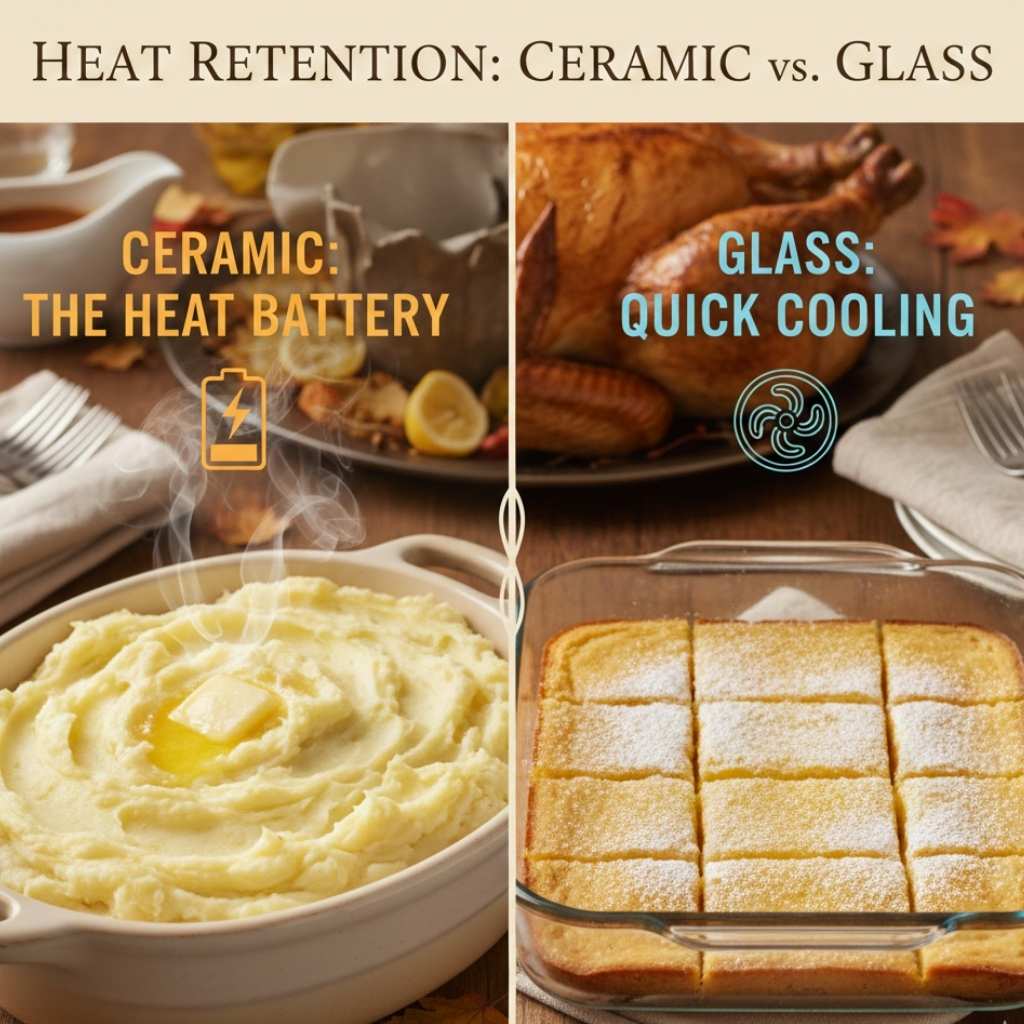
Think of ceramic like a battery. It charges up with heat.
When you take it out, it releases that heat slowly. It stays warm for a long time.
I use ceramic for mashed potatoes. I put the dish on the table.
Twenty minutes later, the potatoes are still steaming. It saves me from reheating.
It acts like a warmer on the table. It is practical for big family meals.
Glass Cools Quicker
Glass is thin. It loses heat faster than heavy clay.
It doesn’t hold that thermal energy well.
This is actually good sometimes. Think about a fruit bar or a lemon square.
You want those to cool down fast so you can cut them.
If they stay hot too long, they keep cooking. They get mushy. Glass stops the cooking faster.
Aesthetic and Presentation (From Oven to Table)
We eat with our eyes first. The dish matters.
The Rustic Look of Ceramic
I love the look of a nice ceramic dish. Brands like Le Creuset come in beautiful colors.
You can get red, blue, or orange. It adds life to the table.
It looks fancy. You don’t need a separate serving platter. You just put a trivet down and serve.
It fits the vibe of a holiday dinner. It feels homey and warm.
The Functional Look of Glass
Glass looks like “cooking gear.” It doesn’t look like “serving gear.”
It is utilitarian. It shows the messy sides of the lasagna.
But sometimes, that is cool. Think about a trifle or a layered salad.
You want to see the layers. Glass shows off the work you did inside.
For a Tuesday night meatloaf, glass is fine. For Christmas, I switch to ceramic.
Durability and Daily Care
I hate hand washing. I want stuff that survives the dishwasher.
Scratch Resistance
I am rough on my gear. I use metal spoons. I use knives.
Glass is very hard. You can cut brownies right in the pan.
A metal knife won’t scratch it easily. It stays smooth.
Ceramic is softer. The glaze can scratch.
If you use a metal spoon, it might leave gray marks. These are hard to get off.
Also, be careful with the sink. If you bang ceramic against the faucet, it chips. Glass usually bounces.
Staining and Smells
This is a big one for me. I hate leftover smells.
Glass is non-porous. It is smooth. It never smells like last week’s fish.
You can scrub it clean. It always looks new.
Ceramic can be tricky. If the glaze cracks, it absorbs oil.
I had a white ceramic dish once. I made enchiladas in it. The red sauce stained it pink.
I scrubbed for days. The pink never left. Glass cleans up easy.
Cleaning Grime
Both can soak. If you burn cheese, just add water and soap. Let it sit.
But for tough spots, glass wins. You can use steel wool on glass. You can scrub hard.
Be gentle with ceramic. Steel wool will sand off the glaze. Then it is ruined.
Cost Comparison: The Wallet Test
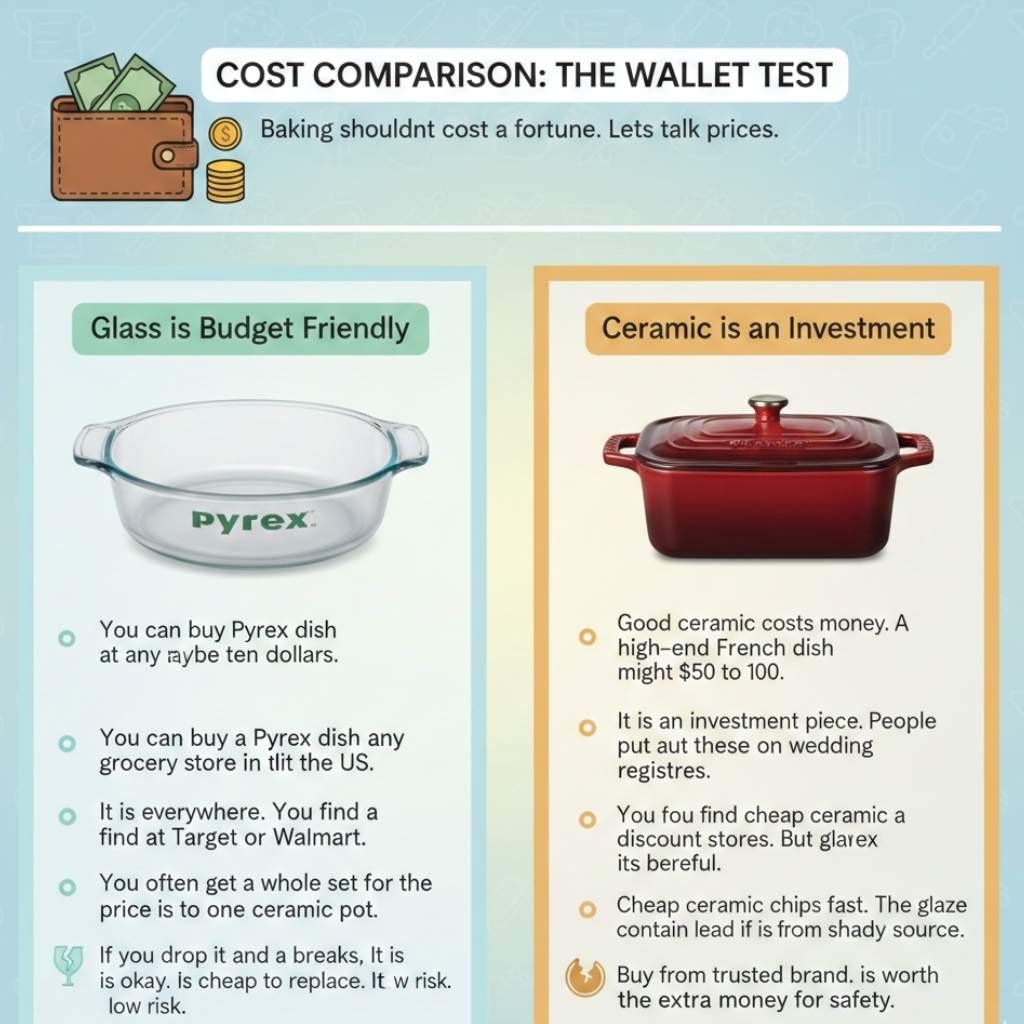
Baking shouldn’t cost a fortune. Let’s talk prices.
Glass is Budget Friendly
You can buy a Pyrex dish at any grocery store in the US. It costs maybe ten dollars.
It is everywhere. You can find it at Target or Walmart.
You can often get a whole set for the price of one ceramic pot.
If you drop it and it breaks, it is okay. It is cheap to replace. It is low risk.
Ceramic is an Investment
Good ceramic costs money. A high-end French dish might be $50 to $100.
It is an investment piece. People put these on wedding registries.
You can find cheap ceramic at discount stores. But be careful.
Cheap ceramic chips fast. The glaze might contain lead if it is from a shady source.
Buy from a trusted brand. It is worth the extra money for safety.
Best Uses for Glass Bakeware
Here is when I reach for the clear pan. It has specific jobs where it shines.
Pies (The Number One Use)
I only bake pies in glass. It is the only way.
Why? Because I need to see the bottom.
I can lift the pie up. I look underneath. Is the crust brown? Is it soggy?
If it is pale, I bake longer. Glass helps me avoid the dreaded “soggy bottom.”
You cannot do this with metal or ceramic. You are flying blind.
Casseroles
I love glass for casseroles. You can see the middle.
Is the sauce bubbling? Is the cheese melted all the way down?
If you make lasagna, you can see the layers. You can check if the noodles are soft.
It helps you monitor the cook. You don’t have to cut into it to check.
Roasting Vegetables
Glass handles high heat well for roasting.
It cleans up easily. Oil and spices scrub right off.
I like to roast potatoes in glass. They get crispy against the sides.
Best Uses for Ceramic Bakeware
Sometimes you need the heavy clay. These dishes love ceramic.
Brownies and Blondies
I prefer ceramic for brownies.
Glass gets too hot too fast. It makes the edges hard and crunchy. The middle stays raw.
Ceramic is gentle. It cooks the edges slowly.
The whole brownie stays fudgy. You don’t have to throw away the hard corner pieces.
Gratins and Scalloped Potatoes
These dishes use cream. Cream can “break” or curdle if it gets too hot.
The gentle heat of ceramic protects the sauce. It stays smooth and creamy.
Also, these dishes look great bubbling on the table.
You want that rustic presentation. It makes the food look comforting.
Bread and Rolls
I bake cinnamon rolls in ceramic.
The thick walls keep them soft. They don’t get a hard crust on the sides.
They stay fluffy. And the dish keeps them warm while people eat breakfast.
Monkey bread or pull-apart bread is perfect here.
Storage and Lids
Leftovers are the best part. How do we store them?
Plastic Lids (Glass Wins)
Most Pyrex sets sold in the US come with lids. They are colored plastic.
They snap right on. This is genius.
You bake, you cool, you snap the lid on. You put it in the fridge.
You can stack them. It saves so much space.
It is great for meal prep. I make food on Sunday and stack it up.
Foil and Wrap (Ceramic Struggles)
Most ceramic dishes do not have lids. You have to use foil.
But ceramic usually has handles. The handles stick out.
It is hard to seal the foil around the handles. Air gets in. The food dries out.
Also, you cannot stack them. The foil rips if you put something on top.
They take up a lot of room in the fridge. It is annoying.
Brand Recommendations for US Kitchens
I have bought a lot of pans. These are the ones I trust.
Top Glass Brands
- Pyrex: The American classic. Just remember the new glass is different. Don’t shock it.
- Anchor Hocking: Another solid US brand. They are tough and affordable.
- OXO: They make glass pans with big handles. Easy to grab with oven mitts.
Top Ceramic Brands
- Le Creuset: They are expensive. But they are beautiful and last forever. The enamel is top tier.
- Emile Henry: This is French clay. It is very tough. You can actually cut on it.
- Lodge: We know them for cast iron. But they make good stoneware too. It is affordable and sturdy.
Final Verdict: Which One Should You Buy?
If I had to pick just one, this is what I would do.
The Baker’s Choice
Go for Glass.
If you bake pies, casseroles, or roast veggies, get glass.
It is practical. It is cheap. It has lids. It is the workhorse of the American kitchen.
The Host’s Choice
Go for Ceramic.
If you host dinners, get ceramic.
It keeps food warm. It looks beautiful. It makes your table look complete.
My Kitchen Setup
I have a mix. I think you need both.
- The Routine: I have two glass pans with lids for Tuesday night leftovers.
- The Special: I have one nice blue ceramic pan for Sunday dinner.
Start with glass. It is easier to learn on. Then buy a nice ceramic piece for special treats.
FAQs
What is the main difference between Ceramic vs Glass Bakeware?
In Ceramic vs Glass Bakeware, ceramic holds heat longer, while glass heats faster. Ceramic gives gentle browning. Glass lets you see the bottom cook.
Which is better for even baking, ceramic or glass?
In Ceramic vs Glass Bakeware, ceramic spreads heat slowly and evenly. Glass heats quicker but can brown edges faster. Choose based on your recipe.
Does glass bakeware cook faster than ceramic?
Yes, in Ceramic vs Glass Bakeware, glass often cooks food a bit faster. It transfers heat quickly. Lower oven temp by 25°F to avoid overbaking.
Is ceramic bakeware safer than glass in the oven?
In Ceramic vs Glass Bakeware, both are oven safe if labeled properly. Avoid sudden temp changes. Brands like Pyrex and Le Creuset follow safety standards.
Which is better for casseroles, ceramic or glass?
In Ceramic vs Glass Bakeware, ceramic is great for casseroles and lasagna. It keeps food warm longer. Glass works well if you want to watch browning.