One winter morning in Chicago, I wanted warm banana bread but didn’t feel like firing up the big oven. That’s when I discovered how much I could actually do with my little countertop toaster oven. As someone who’s tested dozens of appliances in real U.S. kitchens, I’ve had plenty of wins—and a few smoke alarms—comparing toaster oven vs full-size oven in real-life meals. In this guide, I’ll share what truly matters when choosing between them, from quick weekday cooking to full family dinners. And if you’re just getting started with oven basics, check out The Complete Guide to Using an Oven at Home
Table of Contents
ToggleWhat Is a Toaster Oven and Why I Kept Coming Back to It
My first toaster oven was a hand-me-down from my cousin. I didn’t expect much—until it became my favorite tool for late-night garlic bread.
A toaster oven is basically a compact countertop oven. It heats up fast and uses radiant heat, usually from coils on the top and bottom. Most have bake, toast, and broil settings. Some also have convection fans or air fryer modes.
Why I Love It (Especially in Smaller Kitchens)
- Fast preheat: Ready in 3–5 minutes.
- Compact design: Perfect when I didn’t want to fire up the big oven.
- Energy saver: Uses less electricity for small portions.
One night in my Arizona Airbnb, I baked salmon in my Breville toaster oven. No sweaty kitchen. No preheat drama. It was done in 12 minutes—and perfect.
But It’s Not Perfect
- Heat can be uneven in cheaper models.
- Some toasters brown the back more than the front.
- Interior space is tight—I’ve jammed pans trying to make them fit.
Still, for quick meals or hot leftovers, it’s a hero.
What a Full-Size Oven Offers and Why It’s Still My Main Tool
My Whirlpool wall oven in Florida is the one I trust when cooking for a crowd. Big meals need room—and consistent results.
A full-size oven is either built into your wall or part of a freestanding range. It’s made for roasting, baking, broiling, and more. It takes longer to heat up, but the results are worth it when you’re cooking more than two servings.
What Keeps Me Using It Daily
- Roomy interior: I can fit a sheet tray or Dutch oven with no issue.
- Even cooking: Perfect for cookies, roasts, lasagna.
- Temperature control: Holds heat steady—even with multiple dishes.
I once hosted a chili night and baked three trays of cornbread at once. The full-size oven handled it with zero fuss.
Drawbacks I’ve Learned to Work Around
- Long preheat times (sometimes 15 minutes).
- It heats up the whole kitchen—rough in hot climates.
- Not worth it if you’re just reheating pizza.
In summer, I avoid it when I can. Florida humidity plus a 425°F oven? No thanks.
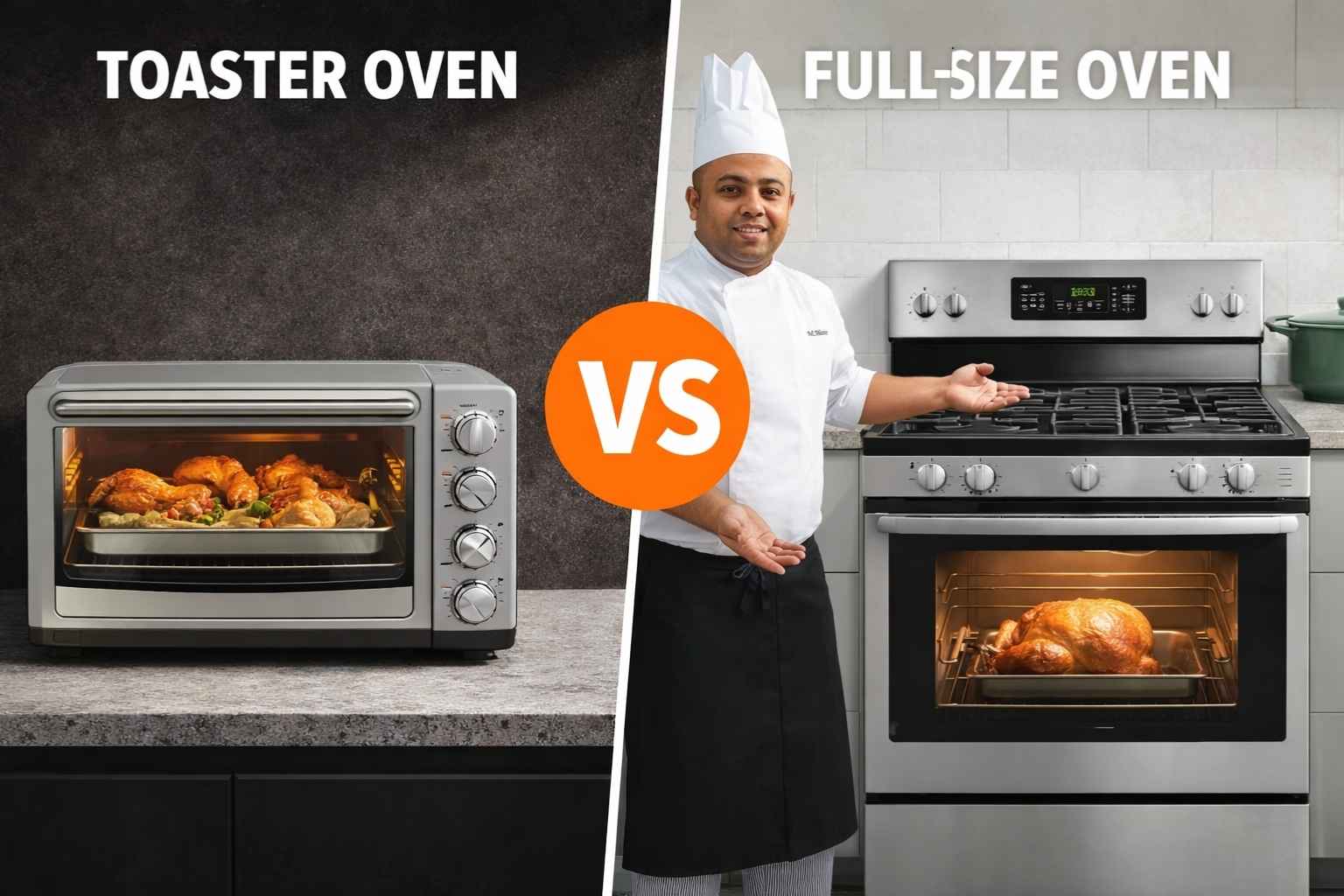
Toaster Oven vs Full-Size Oven: A Quick Comparison Table
| Feature | Toaster Oven | Full-Size Oven |
|---|---|---|
| Size | Small countertop unit | Built-in or freestanding |
| Preheat Time | 3–5 minutes | 10–15 minutes |
| Cooking Capacity | 1–2 servings | Up to family-sized meals |
| Energy Use | Lower | Higher, but efficient for large meals |
| Brands I’ve Used | Breville, Ninja, Panasonic | GE, Whirlpool, Samsung, Frigidaire |
| Best For | Toast, small bakes, leftovers | Roasting, baking, meal prep |
| Downside | Tight space, uneven heat | Slower, heats entire kitchen |
Which One Wins on Cooking Results?
Some foods turn out great in a toaster oven. Others—not so much.
In a Toaster Oven
- Thin foods brown quickly—sometimes too fast.
- Bread crisps up beautifully.
- Fish and veggies cook evenly in convection models.
But bigger bakes like pies or casseroles? They struggle.
I once tried baking a deep-dish quiche in my toaster oven. The top browned before the center set. Lesson learned.
In a Full-Size Oven
- Cookies rise better.
- Roasts develop a crisp crust and juicy center.
- Sheet pan dinners come out balanced and golden.
I trust my full-size oven when guests are coming or I need consistency.
When a Toaster Oven Saves the Day
There are moments when nothing beats it.
Quick and Solo Meals
- Heating one burrito
- Baking a single potato
- Toasting leftover bread or sandwiches
After a long shift, I throw in a frozen tamale and skip the stove. Clean, quick, done.
During Hot Weather
- No one wants to heat up the kitchen in July
- I’ve cooked everything from fish fillets to brownies using only my toaster oven in summer
- It saved me in Phoenix when the AC was struggling
In Small U.S. Kitchens
- Apartments in NYC
- RVs in Colorado
- Dorm rooms or tiny homes
I’ve cooked in all of these—and the toaster oven always fits.
When I’d Never Trade My Full-Size Oven
Some meals need more muscle.
Batch Cooking or Meal Prep Sundays
- Roasting 4 trays of veggies
- Baking 3 loaves of banana bread
- Reheating lasagna for the week
I use both racks. I rotate trays. It’s a full production—and the full-size oven makes it possible.
Holiday Meals or Entertaining
- Turkey, ham, or prime rib
- Pies, rolls, casseroles
- All going in at once
Thanksgiving at my place? I’ve got both ovens going. Full-size handles the big stuff. Toaster oven is on bread duty.
Energy Efficiency and Real Usage Costs
I checked my energy bills over the years. Here’s what I noticed.
Toaster Oven Costs Less to Use
- Shorter preheat time
- Lower wattage (1300–1800W)
- Only heats a small area
If I’m cooking for one, I save $10–15/month just using my toaster oven more often.
Full-Size Oven Uses More Power, but Can Be Smarter
- Great when cooking in bulk
- Better for batch baking
- Gas models are cheaper to run long-term
Safety and Ergonomics I’ve Learned the Hard Way
You get burned. You learn.
Toaster Oven Hazards
- Exterior gets hot—watch your hands
- Top coil can singe food fast
- Lighter models can shift if pushed
Full-Size Oven Risks
- Bending down with heavy trays
- Tricky to clean burned-on drips
- Children can reach the open door
I burned my wrist pulling out cornbread in a rush. My bad—but also a reminder to slow down.
Cleaning: Which One’s Less Work?
I hate scrubbing grease, so here’s my truth.
Toaster Ovens
- Crumb tray = daily wipe
- Grease builds fast on the glass
- Small but tight spaces
Full-Size Ovens
- Self-cleaning modes are a blessing
- But spills on the bottom rack? Annoying.
- I now use a silicone liner—changed my life.
Cooking for One vs Cooking for a Family
Different ovens for different seasons of life.
When I Lived Alone
- Toaster oven did 90% of my cooking
- From scrambled egg toast to mini casseroles
- Less waste, less cleanup
Now with Family and Dinner Guests
- Full-size oven wins
- I cook double batches, roast big trays, and use all the space
- My kids love helping with cookies, so we bake together—and we need room
Which Works Better by Climate and Region
Your kitchen location affects your cooking. Trust me.
Humid South (Florida, Gulf States)
- Toaster oven keeps the space cooler
- No added moisture from big oven heating
Cold Winters (Midwest, Northeast)
- Full-size oven doubles as kitchen heat
- I’ve warmed up a small kitchen just by slow-roasting root veggies
Dry Heat (Southwest, Arizona, Nevada)
- Fast toaster oven meals save sweat
- Convection helps crisp without drying out
The Best Brands I’ve Used (No Sponsorships—Just Real Use)
Toaster Ovens I Trust
- Breville Smart Oven Air: My top pick—reliable, even heat
- Ninja Foodi Air Fry Oven: Great for crispy snacks
- Panasonic FlashXpress: Basic but solid for toast and quick heat
Full-Size Ovens That Worked for Me
- Whirlpool Electric Wall Oven: Reliable, sturdy
- GE Profile Slide-In Range: Sleek, cooks even
- Samsung Flex Duo: Double oven in one unit—great for multitasking
When You Should Use Both
In my current kitchen, I use both every week. Sometimes at the same time.
- Roast dinner in the full-size, warm the rolls in the toaster oven
- Bake cookies in bulk while toasting nuts on top
- One burns, the other saves the day (yes, this has happened)
So… Which Is Better for Home Cooking?
Depends on your needs. Here’s how I break it down:
Choose a Toaster Oven If You:
- Live alone or cook for one
- Have a small or shared kitchen
- Want a fast, energy-saving tool
- Cook lighter meals more often
Stick with a Full-Size Oven If You:
- Cook for a group or meal prep regularly
- Bake large batches or whole roasts
- Have space and want consistency
- Host holidays or bake professionally
Pro Tips from My Real Kitchens
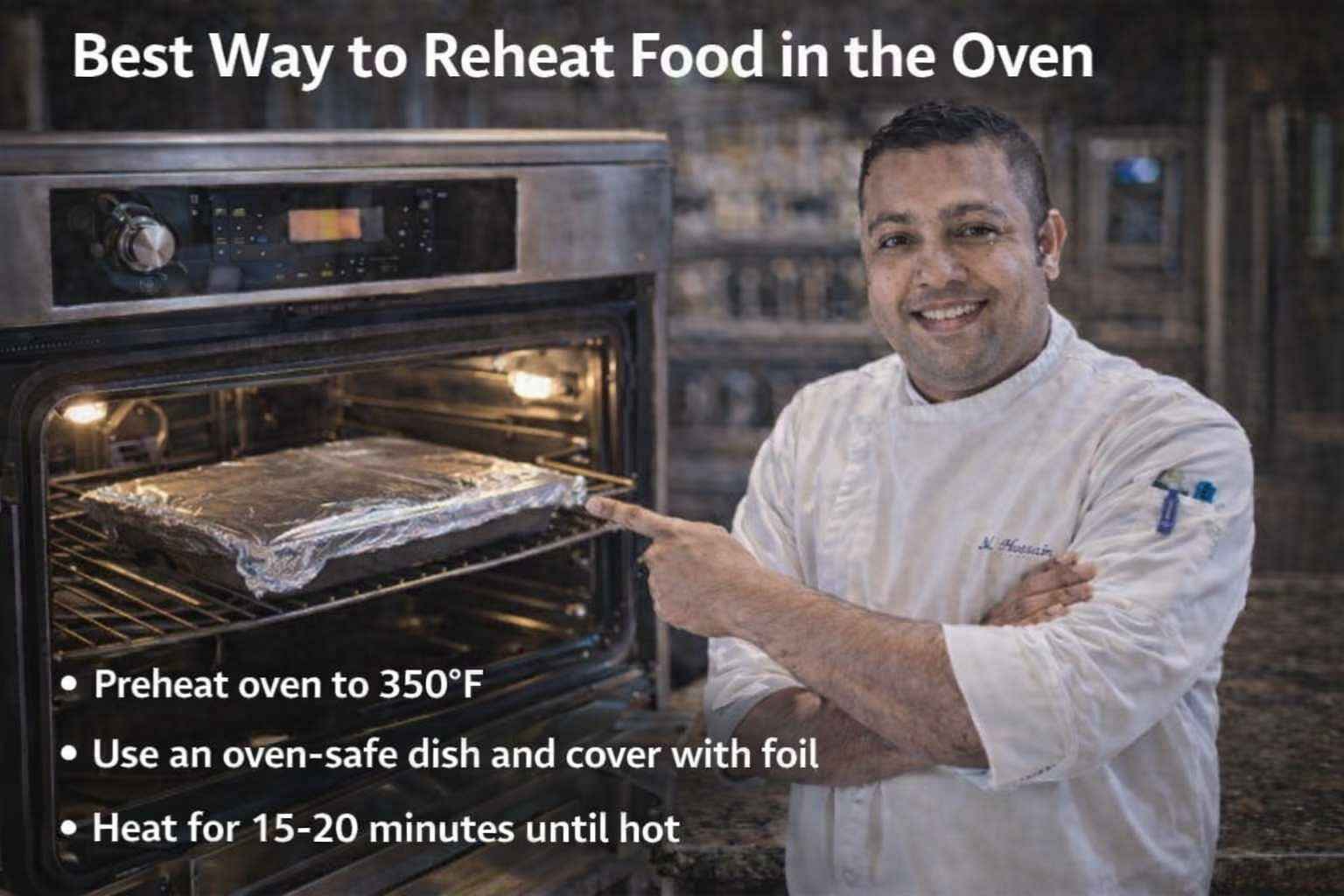
- Always preheat—even toaster ovens
- Use an oven thermometer (many toaster ovens are off by 10–25°F)
- Clean crumbs weekly
- Don’t overload toaster oven trays—it affects airflow
- Use baking mats or foil to protect trays and avoid stuck-on messes
FAQs: Toaster Oven vs Full-Size Oven
What is the main difference between a toaster oven vs full-size oven?
A toaster oven is small and heats fast. A full-size oven is larger and cooks more food at once. Choose a toaster oven for quick meals and a full-size oven for big family cooking.
Is a toaster oven more energy efficient than a full-size oven?
Yes. A toaster oven uses less power and heats a small space fast. A full-size oven needs more energy to heat a large area, so it may cost more for small meals.
Can a toaster oven replace a full-size oven for daily cooking?
A toaster oven can handle toast, snacks, and small meals. But a full-size oven is better for big dishes, baking large trays, or cooking for many people.
Which cooks food faster: toaster oven or full-size oven?
A toaster oven often cooks faster because it heats up quickly. A full-size oven takes more time to preheat, especially for large baking or roasting jobs.
Which is better for baking: toaster oven vs full-size oven?
A full-size oven is best for serious baking and large batches. A toaster oven works well for small bakes like cookies or toast when you need quick results.