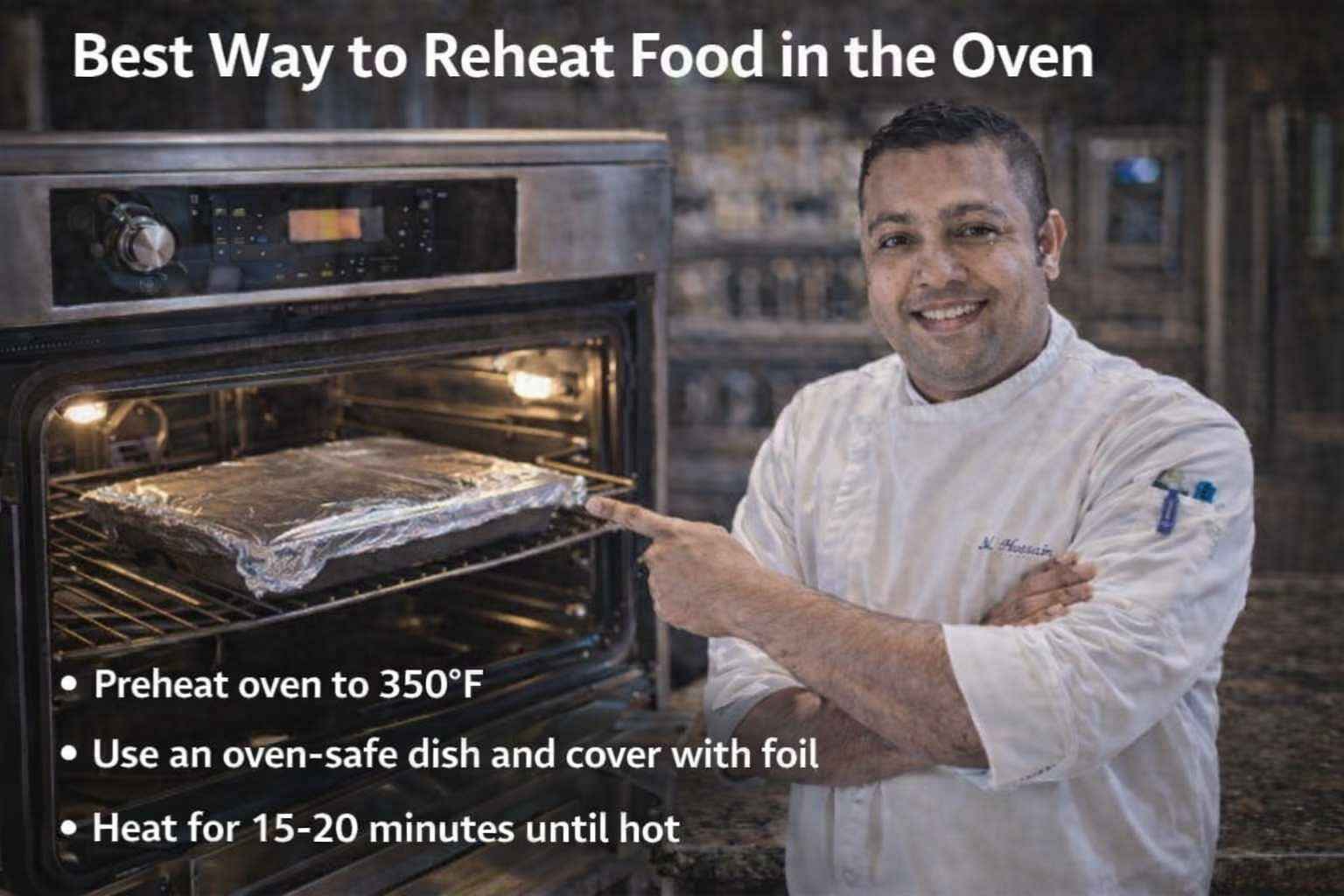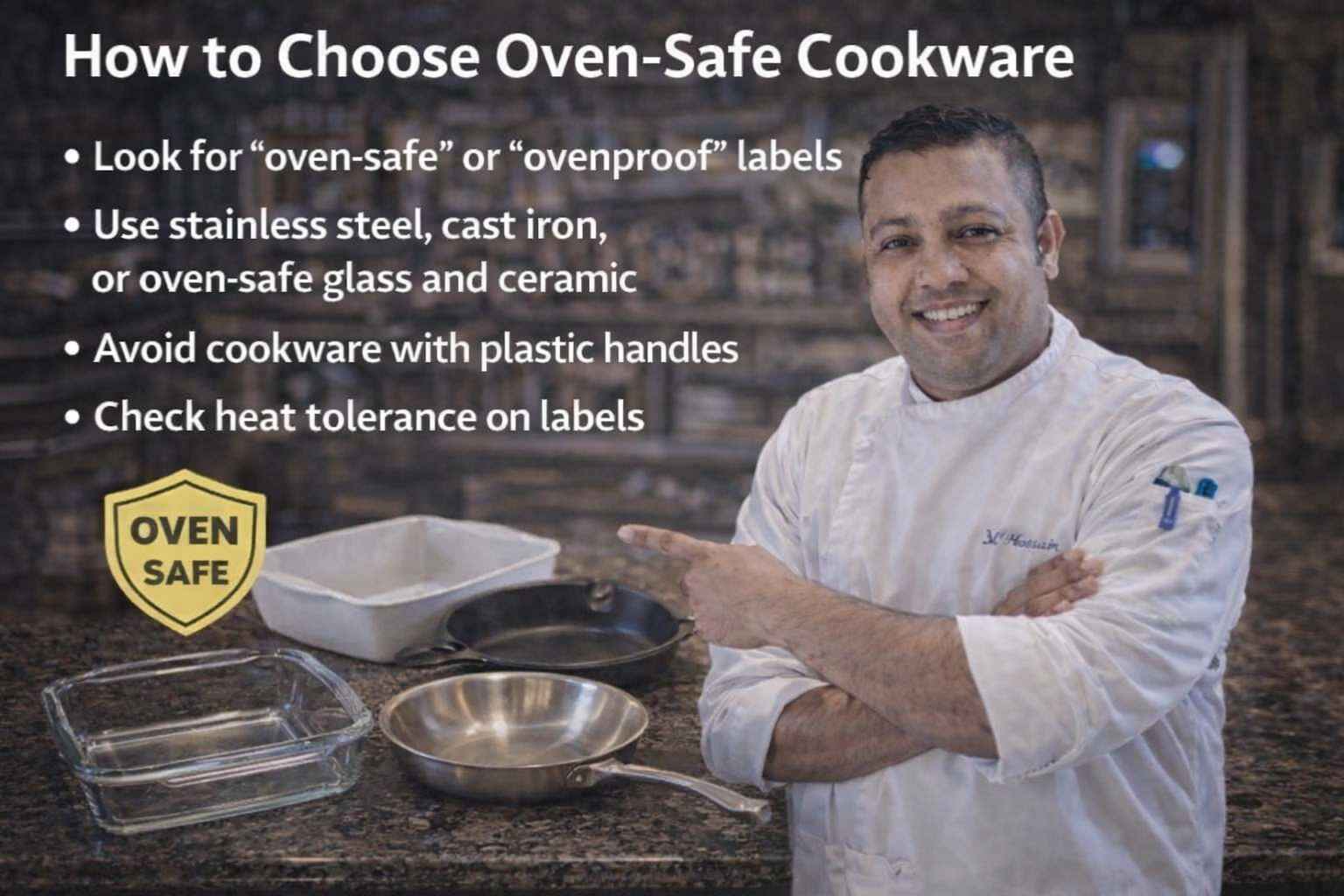
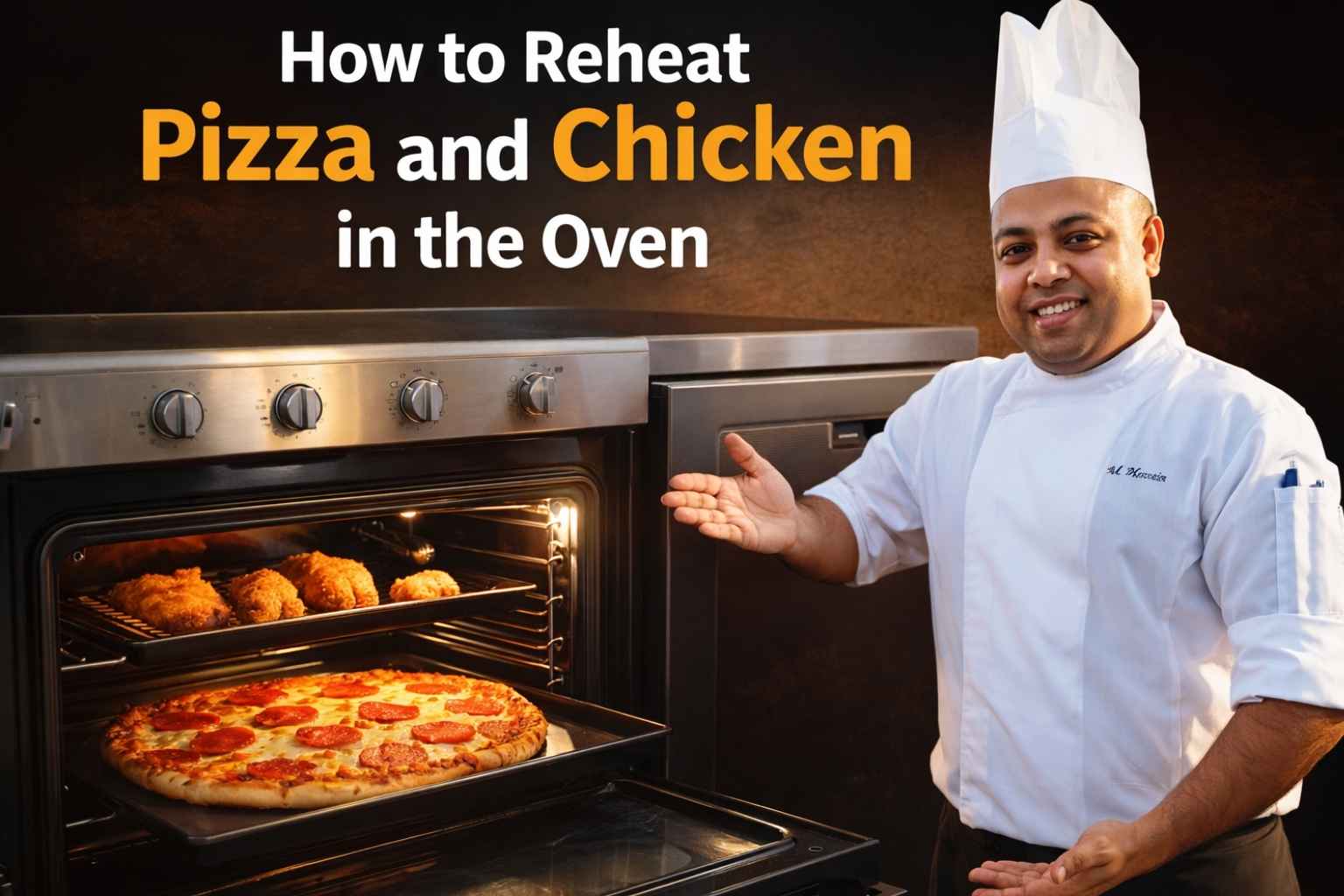
YHey, I’m Mossaraof — a professional cook and food blogger. I know how sad cold pizza and chicken can feel the next day. That is why I love teaching How to Reheat Pizza and Chicken in the Oven so leftovers taste hot, crisp, and full of life again. A good oven can turn yesterday’s meal into something that feels fresh.
I have used this method for years in my own kitchen, and it always works well. With the right heat and a few simple steps, pizza stays crisp and chicken stays juicy. If you want to learn more oven basics, read The Complete Guide to Using an Oven at Home. Now let me show you How to Reheat Pizza and Chicken in the Oven the easy way.
Table of Contents
Toggle🔥 Understanding How Ovens Reheat — Not All Heat Is Equal
Before I started getting consistent results, I had to understand what my oven was really doing to my leftovers.
I used to think my oven was just a big hot box. Set it to 350°F and forget it, right? That worked fine for casseroles. But for reheating pizza and chicken together? Total disaster. One would come out perfect, the other—ruined.
That’s when I started paying attention to how heat behaves in the oven. Especially in different parts of the oven.
🔍 How Dry Heat Affects Pizza vs Chicken
The biggest challenge is that pizza and chicken don’t want the same thing.
- Pizza loves dry heat. It makes the crust crispy and the cheese bubbly again.
- Chicken, especially white meat, hates dry heat. It dries out fast.
One weekend, I reheated a slice of mushroom pizza and two leftover chicken thighs on the same tray. The pizza turned out amazing—crispy bottom, warm cheese. The chicken? Total cardboard.
Here’s why: ovens don’t add moisture. They take it away. Especially electric ovens in dry areas like Arizona. I’ve cooked in those kitchens, and chicken dries out even faster there compared to the Midwest, where humidity helps a bit.
🌀 Convection vs Standard Oven Heating
This one made a bigger difference than I expected.
In my Frigidaire convection oven, there’s a fan that circulates air. That’s great for roasting vegetables or crisping frozen pizza. But with chicken? It can suck the moisture right out—especially boneless pieces.
So I started doing this:
- Convection on? Lower the temp by 25°F and reduce cook time slightly.
- Reheating both together? I usually just turn the fan off. Standard bake gives me more control.
When I lived in a Chicago apartment with a basic gas oven, things were different. Gas ovens tend to hold a little more moisture. My chicken came out juicier without much effort. But the pizza crust never got as crisp unless I moved it up a rack.
💨 Preheat or Not?
This one depends on what I’m reheating.
- Pizza? Always preheat. I want that crust to hit a hot surface right away.
- Chicken? I delay putting it in if the pizza needs more time.
Sometimes I’ll preheat the oven, pop in the pizza first, and then add the chicken 4–5 minutes later. That little delay keeps the chicken from drying out while the pizza finishes crisping.
Also, don’t skip the preheat when you’re in a rush. I did that once during a hectic weekday lunch—popped everything in cold, and it threw the timing way off. My pepperoni curled before the chicken was even warm.
🧂 Prepping the Leftovers — What I Do Before the Oven
I used to think the magic happened inside the oven, but honestly, most of the success comes before the food even goes in.
After way too many dry drumsticks and soggy pizza slices, I realized the tray setup, timing, and moisture all played a bigger role than I thought. Now I treat reheating more like prep work than a lazy toss-and-bake routine.
🔄 Separate & Stagger the Pizza and Chicken
If I could go back and stop my past self from piling everything onto one sheet pan… I would. I did it so many times, thinking, “It’ll all heat up together.” But chicken needs a different heat journey than pizza.
Here’s what I do now:
- Use separate pans if possible (even quarter sheet trays work great)
- Stagger the timing — nuggets go in earlier, wings go in later
- Never let sauce from chicken touch the pizza crust (trust me, not a good mix)
One Sunday, I reheated a slice of sausage pizza and some boneless BBQ wings on the same tray. The sauce bubbled and ran under the pizza. The crust came out sweet and soggy. Nope.
💧 Add Moisture Where It Matters
The chicken needs a little help before it goes into that dry oven heat.
So here’s what I do:
- For chicken (especially breast or boneless):
- Lightly spritz with water, broth, or olive oil
- Sometimes I even dab on a little BBQ sauce or lemon juice if it was already seasoned
- For pizza:
- Don’t spritz. Learned that one the hard way — the steam ruins the crust
- Sometimes I brush a tiny bit of olive oil on the crust edge for that buttery crisp
I once tried spritzing both with water to “keep them moist.” The pizza came out floppy, like it had been microwaved. Nope again.
📦 Let Them Sit at Room Temp First
This one made a surprisingly big difference—especially in winter when the fridge feels like the Arctic.
I used to grab leftovers right from the fridge and toss them straight into the oven. But cold food heats unevenly. The outer parts get blasted, while the center stays icy.
Now I let them sit on the counter for 10 to 15 minutes before reheating. That little step:
- Helps the food heat more evenly
- Reduces the chance of drying out
- Shaves a couple minutes off reheat time too
If I’m in a rush, I’ll at least spread things out on the tray while the oven preheats. It helps take the chill off.
🥘 How to Reheat Pizza and Chicken in the Oven (Together)
This is where things finally started clicking for me. Timing, temp, and tray setup made all the difference.
I used to just guess. 375°F? Sure. Everything on the middle rack? Why not. But honestly, that led to mixed results—like perfectly melted cheese but dry, rubbery wings. Or juicy chicken but floppy, sad pizza.
Now I follow a simple process that works every single time.
🔥 Temperature Guidelines for Both
I experimented a lot with different oven temps. Too high, and the pizza’s done before the chicken even warms up. Too low, and you wait forever and still end up with a chewy crust.
Here’s what works best for me:
- Standard oven: 375°F
- Convection oven: 350°F (that fan makes a big difference)
Why it works:
- Hot enough to crisp pizza
- Gentle enough to warm chicken without drying it out
Once, I accidentally left it at 400°F because I was roasting veggies earlier. Big mistake—my slice of mushroom pizza burned before the bone-in drumstick even heated through.
⏱️ Timing Breakdown (Pizza vs Chicken)
This part saved me from constantly peeking in the oven every two minutes. I wrote it down once and kept it taped inside a kitchen cabinet.
- Pizza slices: 8–10 minutes
- Chicken nuggets: 10–12 minutes
- Boneless thighs or tenders: 12–14 minutes
- Wings or drumsticks (bone-in): 14–16 minutes
What I do:
- Start with whichever item takes longer
- Add the faster-heating one a few minutes later
- Use a timer — don’t guess
Last week, I put two pizza slices in at the same time as some leftover wings. I pulled the wings after 14 minutes, then gave the pizza 2 extra minutes on broil. Perfect. Juicy wings, golden crust.
🧼 Use Foil and a Wire Rack Combo
This setup changed the game for me.
Here’s how I layer it:
- Foil-lined sheet pan to catch grease and drips
- Wire rack on top to keep food elevated
- Parchment paper under pizza (optional, but makes cleanup easier)
Why I love it:
- Air circulates underneath — crispier pizza, less soggy bottom
- Chicken fat drips off instead of pooling underneath
I use USA Pan or Nordic Ware trays (they hold up well), and a cooling rack that fits perfectly on top. Nothing fancy. Just solid tools that help me avoid mushy reheats.
📍 Where in the Oven?
I didn’t used to think oven positioning mattered. But after messing around a few times, I noticed a pattern:
- Pizza on the top rack — more heat, better crisp
- Chicken on the middle rack — gentler heat, less direct drying
When I put both on the same rack, the pizza ends up pale and the chicken cooks unevenly. Especially in my electric oven, which gets hotter toward the top. With gas ovens, it’s the opposite—so I adjust based on that.
If I’m short on time or trays, I’ll do this:
- Chicken goes in first on the middle rack
- 5 minutes later, I slide the pizza onto the rack above
- Everything finishes around the same time
🧀 How to Reheat Pizza in the Oven — Extra Crispy Edition
When I want my slice to feel like it just came out of a pizza joint’s stone oven, this is how I do it.
Some nights, I’m totally fine with soft crust and melted cheese. But when I want that crispy-bottom, chewy-edge perfection? I get a little more picky.
This method works whether I’m reheating New York-style slices, pan pizza, or even frozen leftover Domino’s from a college football night. I’ve tested it in everything from convection ovens to toaster ovens.
🔥 Skip the Baking Sheet — Use the Oven Rack
This is the number one thing that changed my pizza reheats forever.
- Place the pizza slice directly on the oven rack
- Put a foil-lined baking sheet underneath (to catch any melted cheese or toppings)
- Set the oven to 375°F to 400°F, depending on how crispy you like it
- Reheat for 7 to 9 minutes
What this does:
- Lets hot air hit the crust from all sides
- Gives you that bottom crunch without burning the cheese on top
The first time I did this, the pizza crust had that perfect audible crack when I bit into it. My kitchen smelled like oregano, garlic, and toasted cheese. I stood over the counter, burned my tongue, and had zero regrets.
🧈 Optional Touch-Ups
These are little things I add when I want my leftovers to taste even better than they did the first night.
- Butter on the crust — just a tiny swipe before baking. Gives that soft crunch with a golden glow.
- Fresh toppings — add red pepper flakes, parmesan, or a few slices of jalapeño right before it goes in
- Extra cheese? Sprinkle a few shreds of mozzarella or cheddar near the edges if the slice looks sad
I do this especially with takeout pizza that felt skimpy on toppings. It turns it into a mini upgrade without making a mess.
🫙 Reviving Dry Pizza? Try This Trick
If your slice looks like it spent too long in the fridge and dried out — don’t toss it. Here’s what I do:
- Tear a small square of parchment paper
- Lightly mist it with water (like 3–4 drops — no more)
- Place the slice on that parchment and set it on the middle rack
- Bake at 350°F for 10 minutes
The steam from the parchment helps loosen up the cheese and sauce without soaking the crust.
I tried this one evening with a forgotten slice of supreme pizza that looked like a fossil. It came back to life. Not perfect, but way better than microwave mush.
🍗 How to Reheat Chicken in the Oven — Without Drying It Out
I used to mess this up all the time. Now? My leftover chicken comes out juicy and hot every time.
Reheating chicken is a delicate dance. It doesn’t take much to go from tender to cardboard. The biggest mistake I used to make was using too much heat, too fast. I figured if I cranked the oven high, I’d be eating sooner. What I got instead? Dry meat and a weird rubbery skin.
Here’s the method I rely on now, whether I’m dealing with leftover thighs, nuggets, or bone-in drumsticks from a weekend cookout.
🌡️ Start Low, Finish Hot
This two-step method changed everything for me.
- Start at 300°F
- Cover the chicken loosely with foil to keep moisture in
- Heat for 10–12 minutes, depending on the size
- Then uncover and increase heat to 400°F for a final 3–5 minutes to crisp it up
If I’m working with boneless skinless pieces, I might skip the last blast of heat — it’s more for wings or thighs where I want a little texture.
One Thursday evening, I used this method on two BBQ drumsticks from the night before. The meat stayed juicy, the skin crisped up just right, and it actually smelled like it had just been cooked. The kitchen filled with that sweet, smoky aroma again — and I didn’t have to fire up the grill.
💦 Add a Moisture Barrier
I used to just toss chicken on a bare pan. But the bottoms would stick, dry out, or burn slightly.
Now I build a little moisture cushion underneath:
- Line the tray with parchment paper
- Add a few spoonfuls of chicken broth or water under the chicken
- Cover with foil or even an upside-down bowl if I don’t have a lid
This keeps the steam close to the meat without soaking it. I do this especially when reheating rotisserie chicken from Costco. Works like a charm every time.
🍗 Use a Meat Thermometer
I didn’t use to check temps on leftovers — and that was a mistake. Either I’d pull the chicken too early and it’d be cold inside, or I’d let it go too long and it’d be dry as dust.
Now I check the internal temp, especially for bone-in cuts:
- Safe internal temp is 165°F (USDA recommendation)
- I usually pull it at 160°F, then let it rest — carryover heat takes care of the rest
It only takes a few seconds to check, but it saves dinner.
Pro tip: if you don’t have a digital meat thermometer yet, get one. I use mine constantly, not just for reheats.
🔁 How to Reheat Pizza and Nuggets in the Oven (Kid-Friendly Combo)
This combo shows up a lot in my kitchen—especially after sleepovers, movie nights, or when lunch leftovers come back untouched.
There’s something about pizza and chicken nuggets that kids love. But reheating them together without turning one to rubber or the other to mush? Took me a few attempts.
This method gives crispy nuggets and cheesy pizza slices in the same oven session. And yes, I’ve tested this on everything from store-bought nuggets to leftover Chick-fil-A.
🧊 Reheat from Frozen or Fridge?
This step makes a difference. I’ve reheated both fresh-from-the-fridge and straight-from-the-freezer leftovers. They behave differently in the oven.
- From the fridge
- Pizza: ready in 8–10 mins
- Nuggets: ready in 10–12 mins
- I stagger start times (nuggets go in first, pizza a few mins later)
- From frozen
- Add 4–5 minutes extra for nuggets
- Pizza depends on slice size — I usually do 375°F for 15–18 minutes
Sometimes my kids leave a half-eaten slice in the freezer. I wrap those in foil and reheat them straight from frozen. A little extra time and they come out pretty good.
🧁 Use a Muffin Tin for Fun Reheats
This was a happy accident that stuck. One night, I was out of clean trays, so I used a muffin tin. Surprisingly, it worked better than I expected.
Here’s what I do:
- Pizza slices = cut into rolls or small squares
- Nuggets = one per muffin slot
- Spray with light oil if they’re dry
- Reheat at 350°F for 12–14 minutes
They crisp up nicely, and the kids love how it looks like “mini meals.” Plus, no mess sliding around the tray.
🕹️ Let Kids Build Their Own
Sometimes, I make it a little interactive. Especially if the leftovers are kind of boring on their own.
- Let them add toppings to pizza — shredded cheese, olives, pepperoni
- Let them drizzle sauces on nuggets — BBQ, ranch, honey mustard
- My younger one once added ketchup and shredded cheddar. It wasn’t gourmet, but he ate the whole thing, which is a win in my book
When kids are involved in reheating, they’re way more likely to eat everything on the plate. And honestly, it turns reheating into something fun instead of just nuking stuff.
🍽️ How to Reheat Pizza and Wings in the Oven (Game Day Leftovers)
If you’ve ever hosted a football Sunday or a UFC night, you know what the fridge looks like the next day — pizza boxes stacked like books, wing containers half-open, sauces everywhere.
This combo is one I see almost weekly during football season. Problem is, wings and pizza reheat very differently. One’s got skin and sauce, the other’s got cheese and crust. I’ve messed this up more times than I care to admit.
But now I’ve got a simple flow that brings both back to life without one drying out or getting greasy.
🧤 Start With the Wings
Wings take longer, especially if they’re bone-in. I always start those first.
- Set oven to 375°F (350°F if convection)
- Place wings on a foil-lined tray or wire rack
- Cover loosely with foil for the first 5–6 minutes
- Total reheat time: 12–15 minutes
If they’re saucy (like buffalo or BBQ), I’ll add a bit of extra sauce before they go in. Just a light brush — not too much or it’ll pool and steam the skin.
One Sunday after a Bears game, I reheated six garlic parm wings using this method and tossed in pizza later. The skin stayed crisp, and the smell filled my whole apartment. My neighbor even knocked and asked what I was cooking.
🍕 Add Pizza in the Last 8 Minutes
Pizza doesn’t need as long, and if you reheat it too long, the cheese starts to burn.
Here’s what I do:
- Add slices to the oven when the wings hit the halfway point
- Place them on the rack above the wings
- Use a drip tray under the pizza if cheese is heavy
- Bake for 7–9 minutes, depending on thickness
I’ve done this with thick crust slices too. Just bump the time by 1–2 minutes and keep an eye on it. Thicker crusts hold heat longer, so I don’t overdo it.
🍯 Want That Saucy Shine Again?
If your wings lost some shine or stickiness in the fridge, here’s my trick:
- After reheating, toss them in a bowl with a tiny bit of warm sauce
- Then hit them with a quick broil (1–2 minutes)
That broil gives them that slight char again — like they just came off the grill. Just watch closely. Sauce burns fast.
⚡ Using a Toaster Oven or Convection Oven? Adjust These Tips
Some days, I don’t feel like heating up the whole kitchen. My toaster oven gets a lot of use, especially in summer or when I’m cooking for just me.
I’ve learned the hard way that if you follow standard oven advice in a toaster oven or convection oven, you’re gonna end up with burnt crusts or dried-out wings. These ovens run hotter and cook faster, and they blast food with direct air.
So when I reheat pizza and chicken in my Breville toaster oven—or the convection setting on my full-size oven—I always adjust a few things.
🔄 Reduce Temps by 25°F
That’s my go-to rule.
- If the regular oven recipe says 375°F, I drop to 350°F in the convection oven
- For a toaster oven, I might even go down to 325°F, depending on the model
Why it matters:
- The fan moves hot air around, so your food heats faster
- That means pizza can go from crispy to burnt real fast
One time, I left a slice of pepperoni in my toaster oven at 375°F for 10 minutes. The crust was blackened, the cheese bubbled up and hardened, and I had to scrape it off the rack. Since then, I’ve always lowered the heat.
🧍♂️ Cook in Small Batches
You just can’t crowd a toaster oven tray. Trust me, I’ve tried.
- I reheat 1–2 pizza slices at most
- Or 3–4 chicken nuggets or wings, spaced out
- If I try to cram too much in, the food just steams
I remember doing this with frozen nuggets and leftover pizza from a birthday party. The nuggets came out rubbery and the pizza was soft. Lesson learned: air needs space to do its job.
So now, I reheat in rounds if I’ve got a bunch of food. It takes a little longer, but everything turns out crisp and evenly reheated.
🕰️ Watch Time Closely
Toaster ovens heat up faster and cook faster. That means I have to be on alert.
Here’s what I do:
- Check pizza slices at 5 minutes
- Check nuggets or wings at 6–7 minutes
- If needed, give it a quick broil blast for 1 minute at the end—but only if I’m standing right there
I once stepped away to wash dishes while a slice was broiling. By the time I looked, the edge was scorched, and the kitchen smelled like burnt cheese. No amount of scraping could save it.
So yeah—toaster ovens reward attention. It’s not a set-it-and-forget-it situation.
🧊 What About Frozen Pizza or Chicken?
Sometimes leftovers go straight into the freezer — either because I overcooked, over-ordered, or just didn’t want to see wings again for a few days.
I’m not always patient. There’ve been plenty of nights when I pulled out frozen pizza slices or drumsticks and thought, “No way I’m thawing this.” I’ve reheated both from frozen in regular ovens, convection ovens, and even toaster ovens — with mixed results until I figured out a few tricks.
Now I’ve got a method that works without sogginess or burned edges.
🧱 Frozen Pizza
Reheating frozen pizza slices (not the store-bought kind — I’m talking leftovers) needs more time and a little more care.
Here’s what I do:
- Preheat oven to 400°F
- Place frozen pizza slice directly on the oven rack
- Line a sheet pan below to catch any cheese drips
- Bake for 15–18 minutes, checking at the 12-minute mark
Optional: if it looks too dry halfway through, I’ll brush the crust with olive oil and sprinkle a little shredded cheese near the top. Just enough to give it some melt and moisture.
I also use a cast iron skillet or pizza stone when I want that bottom crisp without overheating the top. I warm the pan in the oven first, then slide the frozen pizza slice right on. The sizzle when it hits the hot pan? Music to my ears.
❄️ Frozen Chicken
This is a little trickier, especially with bone-in cuts. But I’ve done it — wings, thighs, even breaded tenders from earlier in the week.
Here’s what works:
- Set oven to 375°F
- Line a pan with foil and add parchment or rack on top
- Bake frozen chicken for 20–25 minutes
- Cover loosely with foil for the first 10–12 minutes to prevent drying
- Check internal temp — must reach 165°F
A few times I’ve cut into the chicken too soon, thinking it was hot because the outside looked crispy. Nope. Still icy in the middle. So now I always check with my instant-read thermometer.
Bonus tip:
If I’m reheating saucy wings (like buffalo or teriyaki), I add extra sauce halfway through. Otherwise, the original glaze just bakes off.
🍽️ Tools That Help (and Ones That Ruined My Leftovers)
I didn’t realize how much tools mattered until I saw the difference between a soggy mess and crispy magic—all from using the right pan.
At first, I thought any old baking sheet would do. I used flimsy aluminum trays, mismatched lids, even an old roasting pan I inherited from my uncle. But over time, I figured out which tools actually helped my food reheat better—and which ones just made a mess.
These are the ones I now trust every time leftovers hit the oven.
✅ Tools I Trust
These aren’t fancy, but they work. They’ve been in my kitchen through Midwest winters, Florida humidity, and dry Arizona heat. I reach for them without even thinking.
- Quarter and half sheet pans
- I use Nordic Ware and USA Pan brands — heavy-duty, don’t warp at high temps
- Perfect size for reheating just a few slices or wings
- Wire cooling rack
- I set this on top of a foil-lined pan so air can circulate underneath
- Pizza gets crispy bottoms, chicken doesn’t sit in grease
- Parchment paper
- For dry-style reheats, especially breaded nuggets or tenders
- Makes cleanup easy and avoids sticking
- Cast iron skillet
- For pizza slices I want extra crispy
- I heat it in the oven first, then slide the slice on—gives the crust a mini fry from below
Sometimes I’ll even reheat wings in cast iron if I want a little sear. It’s like a shortcut to the broiler without the risk of burning sauce.
🚫 What Doesn’t Work
Not every tool in my kitchen made the cut. Some made my food worse—especially early on when I didn’t realize how much pans could mess with heat.
- Cheap, dark-colored baking pans
- These burn the bottoms fast. My pizza crusts got black spots even at 350°F.
- Silicone baking mats
- I wanted to love these. But every time I used one under a slice of pizza, the crust came out soft and soggy. No airflow = no crisp.
- Glass baking dishes
- They’re fine for casseroles, but terrible for reheating pizza or wings
- They heat unevenly and trap moisture—not what you want for crispy leftovers
- Overcrowding one pan
- Not a tool, but a bad habit.
- I used to cram everything on one tray to “save time.” It just led to soggy pizza and uneven chicken.
🛑 Common Mistakes (I’ve Made Them All)
If it’s a mistake, I’ve probably done it—sometimes twice. Reheating seems simple, but pizza and chicken are picky.
Early on, I treated leftover reheating like a one-size-fits-all task. But crispy pizza and juicy chicken need different care. Once I started paying attention to timing, positioning, and heat, everything changed.
Here are the mistakes I made (so you can skip the regret part).
❌ Reheating Too Hot, Too Fast
This was my go-to mistake. I thought higher temps meant faster food. Spoiler: they just mean ruined food.
- Pizza got crispy on the outside but cold in the middle
- Chicken came out looking done but felt like chewing on old rubber bands
Now, I go lower and slower—then blast the heat at the end if I want crisp.
❌ Skipping Preheat
This one feels small but made a big difference. If I didn’t preheat the oven:
- Pizza sat too long while the oven warmed up = soggy crust
- Chicken heated unevenly and stayed cold near the bone
I learned to always preheat, even if it means waiting a few extra minutes. I usually use that time to prep trays or grab a snack.
❌ Putting Chicken Directly on the Pan
This led to sticking, uneven browning, and weird “dry spots” on the bottom of the meat.
Now I always:
- Use parchment paper or a wire rack
- Add broth or a tiny bit of water to create a gentle steam layer
- Avoid bare metal under the chicken—unless I’m crisping the skin
That one change made my leftovers feel like real meals again.
❌ Forgetting to Check the Center
This one’s dangerous. Just because the outside looks hot doesn’t mean the inside is safe to eat—especially with wings or thighs.
I’ve bitten into reheated chicken that was warm outside but ice-cold near the bone. Gross. Now I always:
- Use a meat thermometer
- Aim for 165°F minimum
- Let thicker pieces rest before biting in
One time, I reheated three wings for a quick lunch, skipped the check, and ended up microwaving them again after my first bite. Not proud of it.
🧤 Final Pro Chef Tips for Next-Day Leftover Perfection
After all the trial and error, these little moves made the biggest difference. They’re the kinds of tips you pick up after ruining dinner a few times — and finally getting it right.
Once I started treating leftovers like real food—not just scraps to heat up—I actually started enjoying them. These are the finishing touches I now rely on to make reheated pizza and chicken taste like they just came out of the oven the first time.
🍋 Add Acidity
This one surprised me. I started doing it by accident one night when I reheated lemon pepper wings and added a fresh squeeze of lemon. It woke up everything.
Now I do it more often:
- A splash of lemon juice on wings or tenders after reheating
- A drizzle of hot sauce or vinegar on dry slices or breaded chicken
- Even a spoon of salsa on leftover grilled chicken
Acid balances the richness and gives leftovers a little snap of brightness. Especially helpful with leftover fried foods.
🧂 Re-season After Heating
Reheating dulls flavors. Salt fades. Spices flatten. I didn’t realize how much until I tasted a slice straight from the fridge and then again after reheating. It was warmer, sure—but bland.
So now I do this every time:
- Sprinkle a little salt or seasoning right after the food comes out
- Crack fresh black pepper or dust with garlic powder if needed
- For pizza, I might add red pepper flakes or a pinch of Italian herbs
You’re not starting from scratch—you’re just reminding the food it used to taste amazing.
🧈 Butter the Crust
This one is indulgent, but totally worth it.
I take a stick of butter, rub it lightly on the edge of the crust after the slice comes out of the oven, and boom—restaurant-style finish. It smells buttery, feels crispy, and tastes richer.
Sometimes I add a sprinkle of garlic powder or parmesan too. Great for dry leftover slices that need a little life.
🧼 Bonus Tip: Clean As You Go
Not glamorous, but practical.
- I line trays with foil or parchment
- Wash the wire rack immediately after reheating
- Wipe down toaster ovens while they’re still warm (not hot)
I’ve lost way too many racks and trays to baked-on cheese. Trust me, five minutes of cleanup saves a lot of scrubbing later.
Thanks for sticking around and reading this all the way through.
I’ve burned, dried out, undercooked, and oversauced my fair share of leftovers—but these days, I’ve got it down. Whether you’re heating up one slice of pizza or a plate full of wings and nuggets, I hope these tips help your next-day meals come out crispy, juicy, and actually worth eating.
If you ever ruin a slice or two? Don’t sweat it. Been there. You’ll get it right the next time.
FAQs: How to Reheat Pizza and Chicken in the Oven
What is the best heat to reheat pizza and chicken in the oven?
Set your oven to 350°F (177°C). This warmth keeps the crust firm and the meat juicy. It is high enough to crisp the skin without burning your food.
How long does it take to reheat pizza and chicken together?
It usually takes 10 to 15 minutes. Put the chicken in first as it takes longer. Add the pizza for the last few minutes so the crust does not get too hard.
Should I cover the chicken or pizza with foil?
Cover the chicken with foil to keep it moist. Leave the pizza open so the crust gets a good crunch. This gives you the best results for both items at once.
Can I reheat pizza and chicken on the same pan?
Yes, you can use one large sheet pan. Place the chicken on one side and the slices on the other. It saves time and makes cleanup very easy for you.
How do I keep the pizza crust from getting too dry?
Place the slices on a hot pan or a piece of foil. You can add a few drops of water to the pan. This creates steam that keeps the dough soft and chewy.