
It started with a leftover slice of sausage pizza from a Tuesday night dinner. I was too tired to cook, too hungry to wHey, I’m Mossaraof — a professional cook and food blogger. I know how sad cold leftovers can feel after a long day. That is why I love teaching How to Reheat Food in a Toaster Oven so meals taste warm, crisp, and fresh again. I use this method at home all the time.
Over the years, I learned that a toaster oven can bring food back to life with gentle heat and care. It keeps texture and flavor much better than a quick microwave blast. If you want to master oven basics, read The Complete Guide to Using an Oven at Home. Now let me show you How to Reheat Food in a Toaster Oven the easy way.
Table of Contents
ToggleWhy I Switched to a Toaster Oven for Reheating Leftovers
This wasn’t some chef experiment. I made the switch out of pure frustration after too many sad microwave meals.
My “Crispy Wake-Up Call” Moment
One night after a long shift, I came home to a plate of leftover sweet potato fries. I was starving. I tossed them in the microwave like I always did — 45 seconds later, they were hot but limp, wet, and kind of depressing.
The next day, I gave the toaster oven a shot. Threw the fries on foil, set it to 375°F, and waited 8 minutes. I remember hearing the sizzle kick in around minute five. When I pulled them out? Crisp. Golden. They snapped when I bit into them.
From that point on, I was hooked.
The Microwave Can’t Handle Texture
I’m not saying microwaves are useless — they’re fast and convenient. But they fail miserably with anything that’s supposed to be:
- Crunchy (fries, wings)
- Chewy (pizza crust, sandwiches)
- Crispy on the outside and juicy inside (like fried chicken)
A toaster oven gives you dry heat, like a miniature real oven. That’s the game-changer. It revives texture, not just temperature.
U.S. Kitchen Habits That Made Me Switch
In a lot of American homes — especially smaller ones or apartments — people rely on their toaster oven more than they admit. I’ve lived in:
- A downtown Chicago apartment with a noisy gas stove
- A rental house in Tampa where the main oven heated the whole place like a sauna
- A shared college kitchen with one microwave and a communal toaster oven that weirdly worked better than both
In all those places, the toaster oven just made more sense for leftovers. It didn’t heat the whole kitchen. It didn’t turn the pizza rubbery. And it definitely didn’t need babysitting every 20 seconds.
When I Realized It Wasn’t Just Me
One time I reheated some garlic knots in the toaster oven for a friend. He took a bite and asked, “Did you just bake these?” I laughed. That’s when I realized — most people have no idea how much better their leftovers could taste.
I’m not a gadget snob. I’m just someone who wants last night’s food to still feel worth eating today.
Tools and Settings I Use (and Why)
You don’t need a fancy setup. Just a few reliable tools, the right rack placement, and a little patience can totally upgrade your leftovers.
My Personal Setup (Nothing Fancy, Just Practical)
I’ve used toaster ovens in different states, different climates, and definitely on different budgets. Right now, I’m using a Breville Mini Smart Oven on my counter. But honestly, I’ve gotten great results with basic models too — like the Hamilton Beach Sure-Crisp and even a $35 Black+Decker back in the day.
What matters more is how you use it.
Here’s what I keep nearby:
- A small baking tray (the one that fits your model — no overhang)
- A mini wire rack — crucial for airflow and crisp bottoms
- Aluminum foil and parchment paper (I switch depending on the food)
- Oven mitts — because those trays get scorching fast
The Settings That Actually Work
Toaster ovens can vary a bit, but these are the modes I reach for the most when reheating:
- Bake mode – 90% of the time, this is your best bet
- Toast mode – great for things like pizza and sandwiches
- Air fry mode – if your model has it, this helps with nuggets or fries
- Broil mode – I use this rarely and briefly (2–3 mins max) to finish tops
Never just hit “reheat” if your toaster oven has that button — it’s usually too hot or uneven.
Preheat or Not? I Always Do
Yes, even for leftovers. It only takes 3–5 minutes, but it makes a huge difference.
I made the mistake once of tossing in fries before preheating. They sat there while the oven slowly warmed up, and by the time the full heat kicked in, they were already dried out.
Preheating gives you that instant sizzle when the food hits the tray. That’s how you get the crisp edges and melty middles.
Rack Placement Matters
It’s something a lot of folks forget. Where you place your food inside the toaster oven affects everything:
- Middle rack = even heat, best for most foods
- Lower rack = slower browning, good for thick cuts or saucy items
- Top rack = aggressive heat, I only use this for a quick broil finish
One time I left nuggets on the top rack for 12 minutes. Let’s just say… they were more “coal nugget” than chicken nugget.
Thermometer? Optional, But Handy
Especially for meats like wings, thighs, or breaded cutlets — I use a ThermoPro instant-read thermometer to make sure they hit at least 165°F in the center. It’s not mandatory, but it’s saved me more than once from biting into a cold center.
How to Reheat Chicken in a Toaster Oven
Chicken is tricky. It dries out fast, especially the breast. But when you get it right? That crispy skin and juicy inside feels like you just cooked it fresh.
How I Handle Bone-In Chicken (Wings, Legs, Thighs)
I’ve messed this up more times than I care to admit. The biggest mistake? Heating it too fast.
What works best for me is this:
- Preheat the toaster oven to 350°F
- Place chicken on a foil-lined tray
- Loosely cover with foil so it doesn’t dry out
- Heat for 15 to 20 minutes, depending on size
- Uncover for the last 3–4 minutes to crisp the skin
I always use the middle rack here. And I let it sit for 3 minutes after pulling it out — that carryover heat finishes the center nicely.
One Sunday I reheated leftover BBQ drumsticks from a cookout. I followed that method and honestly, they tasted even better the next day. The sauce thickened, the skin had bite, and the meat was still tender.
For Chicken Breasts or Cutlets
These can be even fussier. They dry out fast if you’re not careful.
Here’s my routine:
- Slice thick breasts in half lengthwise if needed
- Add a splash of chicken broth or olive oil over the top
- Cover with foil and bake at 325°F for 12–15 minutes
- If breaded, uncover the last 2–3 minutes for crisp
Sometimes I toss a few roasted veggies onto the tray to warm alongside — broccoli, carrots, whatever’s leftover. Makes cleanup easier and turns it into a full meal again.
Fried Chicken (The Trick That Changed Everything)
Reheating fried chicken used to be my Everest. It either came out soggy or so hard I’d nearly break a tooth. Then I tried this:
- Set oven to 375°F
- Use a wire rack over a tray — airflow is everything
- Don’t cover it
- Reheat for 10–15 minutes, flipping once
- Let it sit 3 minutes before eating (crisp sets as it cools)
One Friday I had leftover Publix fried chicken (if you’re in the South, you know how serious that is). This method brought it back to life. My kitchen smelled like I just bought it fresh. The skin had that crinkle-crackle sound, and the inside was still juicy.
What I Learned the Hard Way
- Don’t stack pieces — steam gets trapped and ruins the crunch
- Don’t skip the foil for breasts
- And never put cold chicken straight into a hot oven. Let it sit out for 10 minutes first — it reheats more evenly that way
How to Reheat Pizza in a Toaster Oven
I’ll be honest — this is probably the #1 reason I started using a toaster oven in the first place. Reheating pizza in a toaster oven is pure magic when done right.
Thin Crust vs Thick Crust: You Gotta Treat Them Differently
One lazy Saturday, I tossed a thick slice of Chicago-style pizza into the toaster oven like it was a thin New York slice. Big mistake. The edges burned while the inside was still cold.
Here’s what actually works:
For Thin Crust Slices:
- Set toaster oven to 375°F
- Place slice directly on the rack for max bottom crisp
- Heat for 5–6 minutes
- Watch the cheese — it’ll bubble fast!
For Thick Crust or Deep Dish:
- Set to 325°F
- Place on foil-lined tray (lower rack if cheese browns too quickly)
- Heat for 8–10 minutes
- Cover loosely with foil if it’s getting too dark on top
The “Crust Flip” Trick I Swear By
If the crust starts feeling soggy halfway through reheating — flip the slice upside-down for 1–2 minutes. I know it sounds weird. But the cheese side gets a blast of heat, and the crust gets a dry-out moment. Then flip it back for 1 minute more.
It’s saved a few sad reheats, especially when the pizza sat in the fridge for two days.
U.S. Brand Note: Frozen vs Local Pizza
If you’re reheating frozen pizza leftovers (like DiGiorno or Red Baron), they usually do better at higher heat (375–400°F). But local takeout pizza — especially greasy slices from a New York-style shop — prefer a gentler reheat, or the cheese can burn fast.
I learned this the hard way with a leftover slice from Joe’s Pizza in NYC. That oil content is no joke. I now reheat those at 350°F, lower rack, just to keep the crust crispy without burning the cheese.
Pro Tip: Add a Damp Paper Towel Under the Tray
This one’s weird — but it works.
Sometimes, I place a damp (not soaked) paper towel on the very bottom of the toaster oven, under the tray. Not touching the food. Just enough to add a bit of steam to the oven air so the cheese stays gooey while the crust crisps up.
I don’t do this every time. Just when the pizza looks dried out to begin with
How to Reheat Fries in a Toaster Oven
This one frustrated me for years. Fries are like gremlins — you give them heat the wrong way, and they turn weird fast. But done right in a toaster oven? They actually crisp back up.
My Go-To Method (After So Many Failures)
I remember reheating some leftover curly fries from Arby’s on a rainy Wednesday in Tampa. The microwave turned them into chewy sadness. I almost gave up on saving fries. Then I tried this:
- Preheat toaster oven to 400°F
- Spread fries on a wire rack over a tray (no overlap!)
- Heat for 6–8 minutes, flipping halfway
- Pull them once the edges look golden and bubbly
That rack is key. It lets the hot air flow underneath — otherwise, the bottoms stay soft.
Skip the Foil
I used to toss them on foil thinking it would keep cleanup easy. Nope. Foil traps steam under the fries. You want dry, direct air.
If you don’t have a rack, parchment paper is better than foil. But still — get yourself a rack if fries are a regular thing.
The Oil Spritz Trick
This changed everything. I fill a small spray bottle with avocado oil and give fries a light mist before reheating. Not enough to make them greasy — just enough to wake them up.
I’ve used this on:
- McDonald’s fries (yes, even those)
- Thick-cut steak fries
- Sweet potato waffle fries
Even those frozen ones from Trader Joe’s get a second life this way.
Add Salt After, Not Before
Reheating salted fries makes them taste stale. That’s just how salt behaves after a fridge nap.
Now I reheat the fries first — then give a fresh sprinkle of salt (or garlic powder if I’m feeling wild) right after they come out. Way better.
One Time I Got Cocky…
I dumped a whole batch of fries from Five Guys into the toaster oven tray, thinking “eh, they’ll crisp.”
Nope. The ones on the bottom were soft, the top ones were overcooked, and the middle layer was a mystery. Learned that day: single layer only.
How to Reheat Chicken Nuggets in a Toaster Oven
I don’t care if they’re from McDonald’s, Tyson, or your own air fryer batch — cold chicken nuggets deserve better than a rubbery microwave resurrection.
Kid-Approved (and Adult-Tested) Method
One school night, I reheated a batch of nuggets for my niece. She took one bite and said, “These are crunchier than before.” That’s when I knew the toaster oven deserved credit.
Here’s how I do it every time:
- Preheat to 375°F
- Lay nuggets in a single layer on parchment paper
- Place the tray on the middle rack
- Heat for 7–10 minutes, flipping halfway
- Let rest for 2 minutes after pulling — they finish crisping as they cool
That resting step is crucial. Skip it, and the steam softens the crust too soon.
Why I Use Parchment, Not Foil
I’ve found parchment paper prevents the breading from sticking — especially for store-bought nuggets. Foil tends to trap a bit of grease underneath, which makes the bottoms soggy.
If I’m reheating homemade or air-fried nuggets that already have a lot of oil, I skip the parchment and use a rack instead.
Spritz of Oil = Magic
This works best for frozen nuggets that sat in the fridge too long. A quick spritz of avocado or canola oil right before heating helps restore that golden crunch.
It’s like they just left the fryer — minus the mess.
What Not to Do
Let me save you from my mistakes:
- Don’t stack nuggets — they steam each other into mush
- Don’t crank the heat past 400°F — they brown too fast outside and stay cold inside
- Don’t use “toast” mode — that’s for pizza or sandwiches, not dense breaded bites
Bonus Tip: Add a Dip Cup to the Tray (Safely)
Sometimes I place a little oven-safe ramekin with leftover honey mustard or BBQ sauce next to the nuggets in the last minute. It warms up just enough to feel restaurant-style.
Just make sure it’s oven-safe and don’t leave it in more than 2 minutes.
How to Reheat Wings in a Toaster Oven
If you’ve ever destroyed leftover buffalo wings in the microwave — rubbery skin, weird chew, sad sauce — you know the pain. I learned the toaster oven method after ruining three batches during one football weekend.
My Game Day Method (Crispy, Saucy, Not Burnt)
This one’s become a routine in my house, especially on Sundays. Whether they’re from Wingstop, a tailgate party, or homemade, here’s what I do:
- Preheat to 350°F
- Lay wings directly on a wire rack over a tray
- Heat for 12–15 minutes, flipping halfway
- Brush with sauce (if needed) in the last 2–3 minutes
I use the middle rack unless the wings are sauced — then I’ll move to the lower rack to prevent the sugars from scorching.
For Dry-Rubbed Wings
These are the easiest. The toaster oven brings the skin back to life.
- No foil, no covering
- 350°F for 12 mins
- Flip once
- I usually add a pinch more seasoning after reheating to freshen them up
I did this once with a batch of garlic-parmesan wings I had sitting in the fridge. Tossed them with a tiny bit of olive oil and more parmesan after heating — perfect.
For Saucy Wings (BBQ, Buffalo, Honey Garlic)
These need a little extra love to avoid burning:
- Start by wrapping them loosely in foil
- Heat at 325°F for about 10 minutes
- Unwrap and finish for 3–5 minutes at 375°F to caramelize the sauce
This saved a batch of sticky bourbon BBQ wings I brought home from a cookout. The sugars didn’t burn, and the skin still crisped up. I was impressed with myself, not gonna lie.
What I Learned by Screwing Up
- Never use broil for saucy wings — it blackens the sauce in seconds
- Don’t stack wings — space = airflow = crispy
- Let them rest 2–3 minutes after reheating — the texture settles and the steam escapes
Optional: Re-Sauce at the End
If the wings dried out in the fridge, sometimes I warm up a little sauce separately and toss them fresh after reheating. It tastes like they just came out of the fryer — but no oil splash zone.
How to Reheat a Full Leftover Meal
Some nights, I just want to throw everything onto a tray and call it dinner. Meat, rice, veggies — the whole fridge lineup. Reheating it all at once in the toaster oven? Totally doable, if you plan it right.
My Lazy Sunday Tray Meal Trick
Last winter, I was holed up in a Chicago apartment, staring at a fridge full of leftovers. Roasted chicken thighs, garlic rice, and steamed green beans. I didn’t want to reheat three things separately.
So I made a “leftover plate” and popped it into the toaster oven. It worked — and now I do it all the time.
Here’s how I usually handle it:
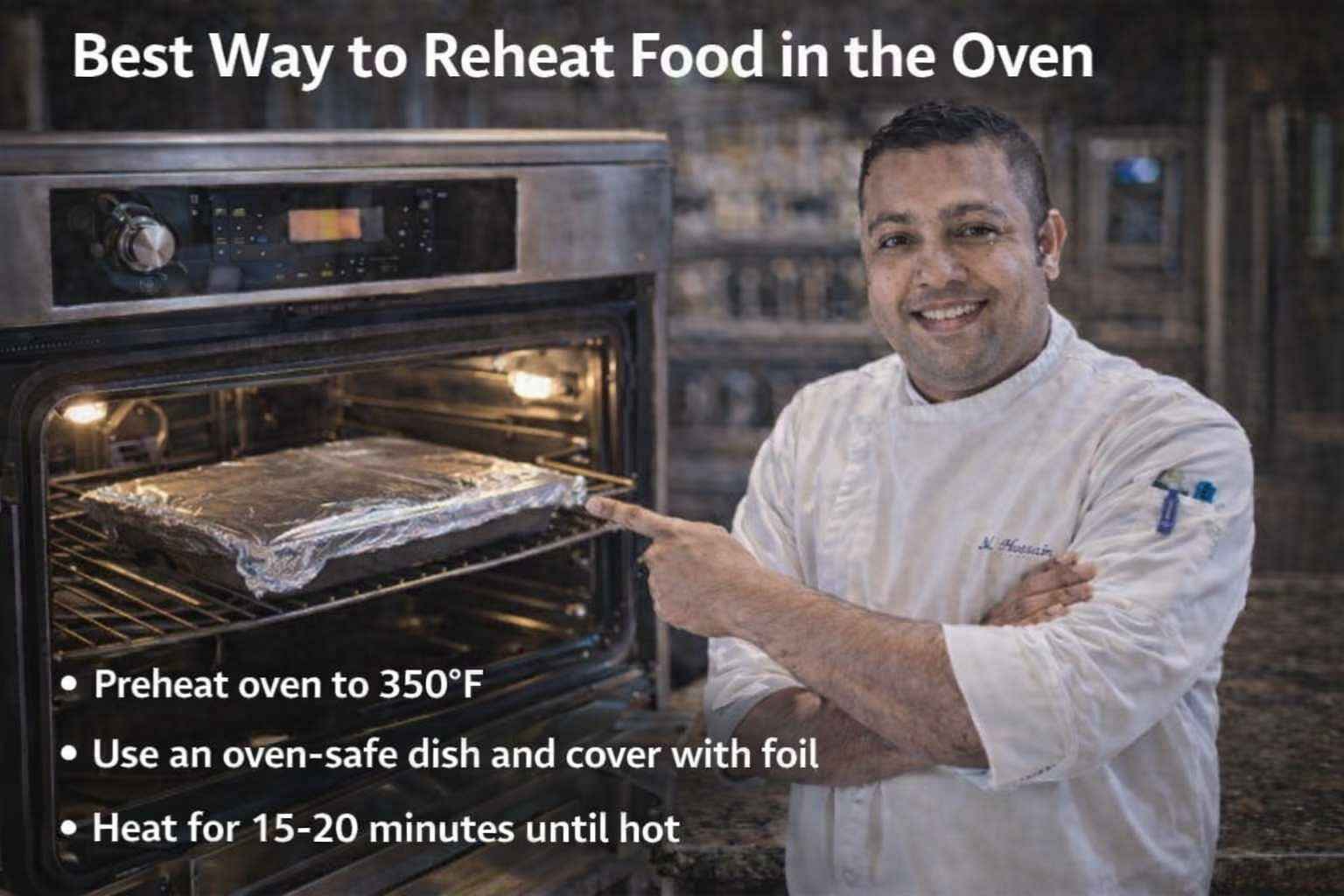
- Preheat to 325°F
- Use a foil-lined tray or shallow dish
- Arrange food in zones (so nothing steams everything else)
- Cover rice or pasta with foil and add a splash of water
- Leave roasted veggies uncovered for crispness
- Bake for 10–15 minutes, rotating tray halfway
Foods I Group Together
I try to keep similar foods side by side so they heat evenly.
Good combos:
- Roasted meat + potatoes + broccoli
- Baked salmon + couscous + asparagus
- Grilled chicken + pasta + sautéed spinach
Avoid mixing cold sauces or dairy-based sides unless you plan to add those at the very end.
Starch Rules: Don’t Let Rice Go Dry
If you’re reheating rice or pasta:
- Always cover with foil
- Add a splash of water or broth — just enough to steam slightly
- Keep the heat moderate (around 325°F)
Once, I forgot the foil on a tray of lemon orzo and it turned into a dry crusty disaster. Never again.
When to Add Cheese or Sauce
If your meal has shredded cheese or any sauce that could separate (like Alfredo), wait until the last 2–3 minutes to add it.
I usually reheat the base meal first, then top it, then return it to the oven on broil for 1 minute. Just long enough to melt, not scorch.
My Personal Rule of Thumb
If I can eat it on a single plate, I can reheat it on a single tray. Just give each section a little space and attention — like mini food zones.
Reheating Tips by Food Type (Quick Reference)
Sometimes I don’t want to think — I just want the food hot and crispy. When I’m in that mood, I go straight to this mental chart I built after years of trial and error.
I’ve used this for everything from Tuesday-night leftovers to Super Bowl snack trays. It’s based on the foods I reheat the most in my own kitchen.
My Go-To Cheat Sheet
| Food Type | Temp | Time | Covered? | Rack Position | Notes |
|---|---|---|---|---|---|
| Chicken (bone-in) | 350°F | 15–20 min | Loosely with foil | Middle | Uncover last 3 min for crisp skin |
| Chicken breast | 325°F | 12–15 min | Yes | Middle | Add broth or oil to prevent drying |
| Fried chicken | 375°F | 10–15 min | No | Rack over tray | Let rest 3 min before eating |
| Pizza (thin crust) | 375°F | 5–6 min | No | Directly on rack | Watch cheese closely |
| Pizza (thick crust) | 325°F | 8–10 min | Optional foil | Tray, lower rack | Flip trick works for soggy crusts |
| Fries | 400°F | 6–8 min | No | Wire rack | Mist with oil for better texture |
| Nuggets | 375°F | 7–10 min | No | Middle | Parchment prevents sticking |
| Wings (dry rub) | 350°F | 12–15 min | No | Wire rack | Flip halfway through |
| Wings (sauced) | 325°F → 375°F | 10 → 5 min | Start covered | Lower rack | Finish uncovered to caramelize |
| Rice / Pasta | 325°F | 10–12 min | Yes | Middle | Add splash of liquid, cover tightly |
| Roasted veggies | 350°F | 8–10 min | No | Middle | Keep uncovered for crisping |
| Full tray meal | 325°F | 12–15 min | Partial (as needed) | Middle | Cover starches, leave veg open |
Things I Always Keep in Mind
- Preheat first — even just 3 minutes helps
- Watch the top of your food — if it’s browning too fast, move the tray down
- Let food rest 2–3 minutes after pulling it out. That’s when the magic happens (steam settles, crust firms up)
I stuck a version of this chart inside a cabinet door once. Now I’ve got it memorized, but when guests reheat stuff in my kitchen, they always appreciate the cheat sheet.
U.S. Kitchen Brands and Models That Perform Well
I’ve lived in more kitchens than I care to count — from a shoebox apartment in Chicago to a friend’s guest house in Phoenix — and I’ve tried more toaster ovens than I probably should admit. Some were cheap. Some were surprisingly powerful. And a few made me want to throw dinner out the window.
Here are the ones that actually held up.
Compact Toaster Ovens I’ve Used (and Why I Liked Them)
🟤 Breville Mini Smart Oven
This one’s my current favorite. It preheats fast, distributes heat evenly, and doesn’t make a racket. It’s not cheap, but it feels sturdy — like real cookware, not a dorm-room gadget.
- Great for: reheating pizza, wings, full tray meals
- Downside: it runs a bit hot — I lower temps by 5°F sometimes
I’ve had mine for over two years and still use it almost daily.
🟤 Cuisinart Air Fryer Toaster Oven
This one’s bulky but versatile. I borrowed it for a few weeks during a house-sitting stint in Orlando. It worked wonders on fries and nuggets — the air fry mode gave them that crunchy edge without drying the inside.
- Great for: anything breaded, like nuggets or onion rings
- Downside: loud fan and larger footprint
If you have counter space, this one pulls double-duty.
🟤 Hamilton Beach Sure-Crisp
A budget-friendly option I used in my Florida rental. It surprised me. It’s not fancy, but it heats evenly and toasts like a champ.
- Great for: simple reheats like pizza, garlic bread, small trays
- Downside: knobs feel cheap, and it takes longer to preheat
Good for college kitchens or folks who don’t want to drop $200+.
🟤 Black+Decker 4-Slice Toaster Oven
This was my “starter” toaster oven. I bought it during a grocery run back in 2016 when my microwave broke and never got around to replacing the microwave after that.
- Great for: quick meals, small reheats
- Downside: hot spots — I had to rotate food halfway every time
It’s basic, but it did the job when I was short on cash.
A Few U.S. Regional Tips Based on Climate
Because yes — even the weather changes how these things work.
- Midwest winters: Toaster oven doubles as a cozy heat source. I use mine for tray bakes without heating the whole kitchen.
- Florida humidity: Avoid cranking your full oven. The toaster oven gives crisp results without sweating out your shirt.
- Southwest summers: You’ll want a model that doesn’t overheat or smell plasticky. The Breville held up in dry heat when I was in Arizona.
- Tiny NYC kitchens: A compact model with strong heating power is your best friend — vertical ovens like the Ninja Flip can help too.
What I Avoid Now
- Ovens with no temperature dial — reheats are too unpredictable
- Models with chrome trays only — I prefer nonstick or parchment-lined
- Units that get dangerously hot on the outside — safety first
Safety Tips I Always Follow When Reheating
I used to be that person who grabbed hot trays bare-handed because “it’ll just take a second.” Spoiler: I dropped an entire tray of crispy wings once. Since then, I’ve followed some simple toaster oven safety habits — especially important in smaller U.S. kitchens.
🔥 Always Use Oven Mitts — Even for Small Trays
Toaster ovens get hot fast, and the trays don’t have long handles. One bump and you’re dealing with a burn.
I keep a pair of grippy silicone mitts next to mine. They’ve saved me more times than I can count — especially when sliding out wings or gooey cheese melts.
☠️ Watch for Steam Under Foil
If you reheat covered food (like chicken breast or pasta), steam builds up under the foil. I’ve had it puff up like a balloon. Peel it back slowly and angle away from your face.
One night I wasn’t paying attention and got a full blast of broccoli-scented steam in the face. Tasty dinner, not a fun facial.
🧯 Don’t Let Foil Touch Heating Elements
I made this mistake when I was rushing: laid foil too close to the top coils. It sparked — fast.
Since then, I always:
- Keep foil flat and trimmed
- Never wrap it over the edge of the tray
- Use parchment instead when possible
Some toaster ovens (like Breville and Cuisinart) warn about this in the manual. Worth checking.
🧊 Let Cold Ceramic Dishes Come to Room Temp
Placing a cold ceramic plate or dish straight into a hot toaster oven can cause it to crack — especially if it’s from the fridge. I learned this after ruining a vintage Pyrex plate I loved.
Now I:
- Let the dish sit out for 10–15 minutes
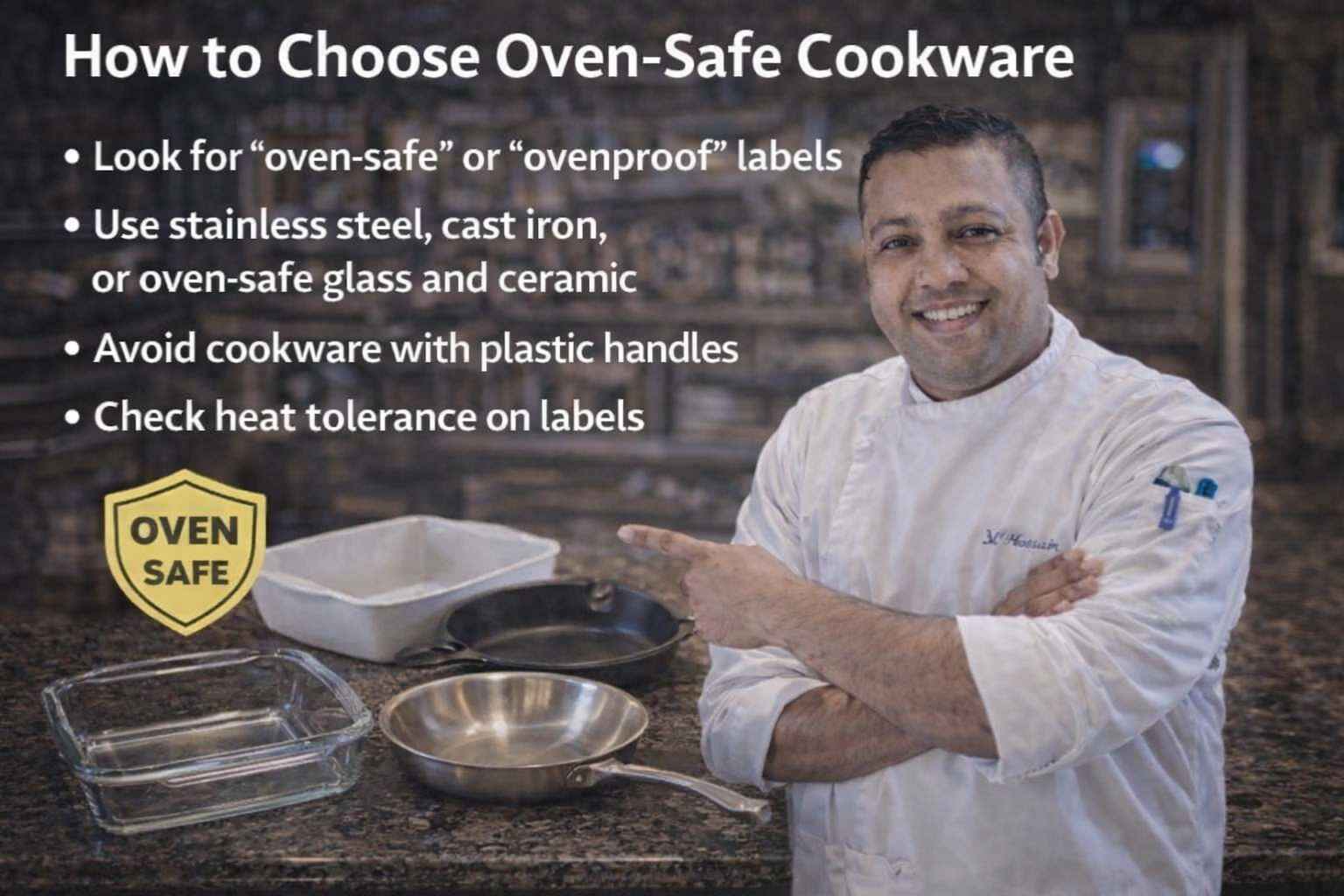
- Use metal or toaster-safe glass if I’m in a rush
🛑 Never Leave It Unattended
Yes, it’s small. But toaster ovens can overcook quickly — especially if you’re using broil mode or reheating something greasy (like wings or cheese-covered pizza).
I’ve caught bubbling cheese sliding off pizza more than once, about to drip onto the heating element. Saved by standing nearby with a spatula.
🧼 Clean It Often — Grease Buildup Can Smoke
Once, I reheated sausage on a tray with old crumbs in the bottom. The whole kitchen smelled like burnt bacon fat — and not in a good way.
I now give my tray and crumb pan a quick wipe every few uses. Keeps flavors clean and prevents smoke during high-heat reheats like fries or fried chicken.
Cleaning Up After Reheating
I’ll be honest — one of the reasons I fell in love with my toaster oven was because it made cleanup easier than my full-size oven. But if you don’t stay ahead of it, things get messy fast. Like baked-on cheese. Or fries that welded themselves to the tray.
Here’s how I keep my toaster oven ready for the next round.
Line Smart: Parchment Paper vs Foil
I used to use foil for everything. Then I started noticing grease pooling and sticking underneath nuggets or pizza crusts. So now I match the liner to the food:
- Parchment paper: Best for dry foods like fries, nuggets, or toast
- Foil: Better for saucy or oily foods like wings or ribs
- Bare tray: Only for quick reheats like garlic bread (easier to crisp)
I always trim the parchment or foil to fit flat — no edges curling up or touching heating coils. Safety first.
Wipe While Warm (Not Hot)
After reheating, I wait 5–10 minutes, then wipe the tray with a damp sponge or paper towel while it’s still warm. Not scalding. Just warm enough that the food bits lift easily.
If you wait too long, the grease solidifies and becomes a full-blown scrubbing project.
Soak the Tray, Not the Whole Oven
If I’m dealing with something stubborn — like melted cheese or stuck-on sauce — I pop the tray in the sink with a little warm water and dish soap. Let it soak for 10–15 minutes.
But I never let water get inside the toaster oven itself. One time I got a little too enthusiastic cleaning and ended up with a weird electrical smell the next day.
Now I just wipe the interior walls gently with a damp cloth when cool.
Clean the Crumb Tray Weekly
Toaster ovens collect more crumbs than you think. I once opened mine after a few months and found what looked like a tiny forest of burnt breadcrumbs under the rack.
Now I empty and wipe the crumb tray once a week. It only takes a minute but prevents burnt smells and smoke during high-heat reheats.
Avoid Harsh Scrubbers
I tried using steel wool once. Bad idea — scratched the tray and made it harder to clean later. Now I stick to:
- Soft sponges
- Plastic scrapers (for stuck cheese)
- Baking soda paste if things get gnarly
It keeps the surface smooth so food doesn’t cling as much next time.
When NOT to Use a Toaster Oven to Reheat
As much as I love my toaster oven, I’ve learned there are a few foods it just doesn’t play nice with. I’ve pushed it too far before — and ended up with either a mess, a burn, or something that tasted… off.
So, here’s what I don’t use it for — based on my own kitchen misadventures.
🥣 Soups and Stews
I tried reheating chili once. In a shallow dish. In a toaster oven.
The bubbling started fast — then it splattered everywhere. The top got crusty while the middle stayed lukewarm. Not only did it take forever, but I had to scrub dried bean goo off the oven walls afterward.
Now I stick to the stovetop or microwave for:
- Soup
- Stews
- Saucy beans
- Brothy noodles
Liquids and toaster ovens just don’t mix.
🧀 Creamy Casseroles
I love a good mac and cheese bake. But reheating it in the toaster oven? Nah. The top dries out and hardens before the middle even gets warm.
Even when I tried covering it with foil and adding a splash of milk, the texture never quite came back.
Best to reheat creamy dishes like:
- Alfredo pasta
- Tuna noodle casserole
- Lasagna with lots of cheese sauce
in the oven only if you’re doing it low and slow — or better yet, transfer to the stove or microwave first.
🥐 Delicate Pastries
I once popped a cream-filled croissant into the toaster oven thinking I’d get a nice warm center. I ended up with a half-melted mess and the outside burned before the filling even softened.
Avoid reheating:
- Danish with icing
- Eclairs
- Cream-filled anything
- Glazed donuts (they just melt and get sticky)
Instead, I’ll sometimes zap these in the microwave for 5–10 seconds or let them sit at room temp.
🍳 Fried Eggs or Scrambled Leftovers
Just… don’t. I learned the hard way. Reheated scrambled eggs turned into spongy rubber in the toaster oven. Fried eggs dried out completely.
If you must reheat eggs:
- Add a splash of milk or cream
- Use the stovetop on low
- Or eat them cold — weirdly, leftover frittata holds up better than scrambled
My Rule: If It’s Mostly Liquid or Delicate, Skip the Toaster Oven
If the food relies on moisture, or melts quickly, toaster ovens usually make things worse. I’ve ruined enough meals trying to bend the rules. Now I just pick the right tool for the jo
Conclusion & Chef Sign-Off
If you told me five years ago I’d be using my toaster oven more than my microwave, I would’ve laughed and handed you a plate of soggy leftover fries. But here I am — officially a toaster oven convert.
It didn’t happen overnight. It happened after one too many rubbery chicken reheats… after burning the edges of pizza slices trying to save time… after watching fried chicken lose its soul in the microwave. And somewhere between reheating garlic knots and perfecting wing crispiness, I realized: this tiny countertop box can actually make food better.
For me, it’s not just about heat. It’s about reviving flavor and texture — the golden edges, the crunch, the gooey cheese, the juicy center that doesn’t taste like yesterday’s disappointment.
Here’s what I’ve learned:
- A toaster oven can bring leftovers back to life — if you treat each food with care
- Preheat it like a real oven, use racks and foil wisely, and don’t rush it
- Know when to walk away (looking at you, soup)
And if you’re reheating in a U.S. kitchen — whether you’re in a Florida condo dodging humidity, a tiny NYC apartment with no oven, or somewhere in the Midwest trying to stay warm — a toaster oven is one of the best tools to make dinner feel fresh again.
Hope these tips help you skip the sad leftovers and actually enjoy round two.
See you at the next reheat.
— Mossaraof 🍽️
FAQs: How to Reheat Food in a Toaster Oven
What is the best heat to reheat food in a toaster oven?
Set your unit to 325°F or 350°F. This low heat warms the food all the way through. It stops the outside from burning before the middle is hot.
How long does it take to reheat food in a toaster oven?
Most meals take 5 to 15 minutes. Thin items like pizza heat up fast. Thicker dishes may need more time. Always check the center to see if it is warm.
Should I use foil when I reheat food in a toaster oven?
Yes, cover dishes that might dry out. Use foil for meats or pasta. Remove the foil at the end if you want to crisp up the top of your meal.
Can I put plastic containers in a toaster oven?
No, never use plastic. It will melt and ruin your food and the oven. Use glass, metal, or ceramic pans that are safe for high heat.
Is a toaster oven better than a microwave for leftovers?
Yes, it is much better for crispy food. It keeps fries and pizza from getting soggy. It also heats more evenly than a microwave does.