
Hi, I’m Mossaraof, a pro cook and food blogger. Many new cooks ask me How to Cook Sliced Chicken Breast in the Oven so it stays soft and juicy. I had the same worry when I first tried it at home.
Over the years, I found a simple way to bake thin chicken that tastes great every time. I use easy steps, a hot oven, and quick prep. If you are new to ovens, this guide from Oven Insights can help you start https://oveninsights.com/the-complete-guide-to-using-an-oven-at-home/.
In this post, I will show How to Cook Sliced Chicken Breast in the Oven with tips I use in my own kitchen. Let’s make juicy, tender chicken that you will want to cook again and again.
Table of Contents
ToggleWhy I Keep Sliced Chicken Breast in My Weekly Rotation
Sometimes it’s Perdue. Sometimes it’s store brand. Either way, it cooks fast and doesn’t hog the stove.
- It thaws in no time.
- You can season it in under five minutes.
- It bakes faster than it takes to unload the dishwasher.
I’ll share exactly how I cook thin sliced chicken breast in the oven — step-by-step, with all the quirks and shortcuts that actually work in real U.S. kitchens like mine.
Let’s start with the basics.
What Counts as Sliced Chicken Breast?
A quick note before we dive in: this is the kind of chicken you find already cut thin, usually boneless, often labeled things like “thin sliced” or “cutlets” at U.S. stores like Walmart or Kroger.
I’ve used Perdue® thin sliced chicken breast a bunch of times, especially when it goes on sale. But I’ve also sliced full breasts myself when I had more time. Here’s what I’ve learned from trying both:
- Thin sliced = usually ¼ inch thick, sometimes a little thinner
- Cutlets are often even in shape and great for even cooking
- Homemade slices can be uneven unless you use a meat mallet or a sharp knife
And thickness really matters. Too thick? It won’t cook through in time. Too thin? It can dry out in minutes.
Fresh vs. Frozen — and What the Labels Don’t Tell You
I’ve had mixed results with frozen sliced chicken breast. Some of the pre-cut frozen ones come with extra water or weird added ingredients. They don’t crisp up the same in the oven.
If you’re using frozen chicken:
- Always thaw fully in the fridge overnight
- Dry them really well before seasoning (seriously, the water will ruin the sear)
- Watch out for pre-marinated packs — they often have sugar that burns in the oven
Honestly, I get better results with fresh. But if frozen is what you’ve got, I’ve made it work plenty of times too.
How I Prep Thin Sliced Chicken Breast for the Oven
These steps make all the difference. I used to skip some — and paid the price with dry, bland chicken.
It’s tempting to go from package to pan when you’re tired. But I learned the hard way: if you don’t prep right, your chicken won’t bake right. Even the oven can’t save soggy, unseasoned slices.
Step 1: Don’t Rinse — Just Pat Dry
Back in my early days, I rinsed everything. Then I found out rinsing chicken can spread bacteria around the sink (thanks, USDA). These days?
- I skip the rinse.
- I do pat each slice dry with a paper towel.
- Less moisture = better browning and texture.
If you’ve ever had rubbery baked chicken, too much surface water might’ve been the reason.
Step 2: Flatten Out Uneven Cuts
Sometimes one end is thick and the other is paper-thin. That means one side burns while the other stays raw. I fix that with:
- A zip-top bag and a rolling pin (my favorite quick hack)
- Or just press gently with my palm if the piece is close enough
You don’t need to go full meat mallet — just aim for evenness.
Step 3: Season Like You Mean It
Now this is where you can really make it your own. I usually reach for what’s in my cabinet and go by feel. But I do have a few go-to combos:
- Garlic powder + paprika + kosher salt (basic but delicious)
- Lemon zest + cracked pepper + thyme
- Cajun spice mix + olive oil for something bold
💡 Pro tip: If you’re not adding a marinade, rub in a tiny bit of oil. Helps the seasoning stick and gives it that oven-kissed edge.
What About Marinades?
I love a good marinade — when I have time. For thin sliced chicken breast, 30 minutes is usually enough. Anything longer can break the meat down too much and make it weirdly mushy.
My go-to fast marinade:
- 2 tbsp olive oil
- 1 tbsp lemon juice
- 1 tsp Dijon mustard
- ½ tsp garlic powder
- Salt + black pepper
It smells amazing even before it hits the oven.
But real talk: most weeknights, I skip the marinade and go for a dry rub. Less mess. Less time. Still tasty.
Special Notes for U.S. Kitchens
Depending on where I’m cooking, I tweak my prep a little:
- Dry Arizona air: I’ll use a bit more oil to keep moisture in
- Humid Florida kitchens: I skip marinades and go dry rub to avoid sogginess
- Winter in Chicago: I sometimes preheat my sheet pan in the oven for a better sear — especially when the kitchen’s chilly
It’s wild how climate plays a role even inside your oven, but it really does.
How to Cook Sliced Chicken Breast in the Oven (My Step-by-Step Method)
When I finally figured this part out, everything changed. No more dry pieces. No more guesswork.
I used to think, “It’s thin chicken — how hard can it be?” Then I ended up with burnt edges or undercooked centers. Turns out, even fast-cooking meat needs the right process.
This is how I do it every single time now.
Step 1: Preheat Your Oven — But Not Too Early
You want your oven hot when the chicken goes in — not 30 minutes before while you’re still seasoning.
- 400°F is my usual go-to
- If I want extra crisp, I go 425°F
- For convection ovens, I drop the temp by 25 degrees
⚠️ One mistake I made early on: leaving the oven on too long while I prepped. My oven ran hotter than I thought, and it dried out the chicken.
U.S. tip: In colder states like Michigan, I do start my preheat earlier because it takes longer to reach temp. But in Florida, a short preheat does the job.
Step 2: Prep the Pan Right
I used to just toss the chicken on foil and bake it. Big mistake.
Now, I either:
- Use parchment paper on a rimmed baking sheet
- Or go straight onto a lightly greased metal sheet pan
Here’s why:
- Foil steams the chicken and can cause soggy bottoms
- Parchment helps with browning without sticking
- Wire rack method = best for crispy edges (especially if I coat the chicken with breadcrumbs)
I usually skip the rack unless I’m really going for that crispy “oven-fried” texture.
🛠️ I’ve had good luck with USA Pan® baking sheets — no warping, even in a hot oven.
Step 3: Lay Out the Chicken Without Overlap
This part’s simple, but easy to mess up.
- I place each slice flat with a little space between
- No stacking. No overlapping.
- If I’m baking a lot, I use two pans
Stacked chicken just steams itself — which might be fine for a stew, but not here.
Step 4: Bake Time — How Long to Cook Sliced Chicken Breast in Oven
Here’s where most people go wrong. Thin sliced chicken doesn’t need much time at all.
These are my real, tested times — from a dozen weeknight meals:
- 400°F: 15 to 18 minutes
- 425°F: 12 to 15 minutes
- Perdue® thin sliced chicken breast: 12–14 minutes at 400°F — cooks fast!
- Thicker “thin” slices (like homemade): I check at 16 min
💡 How long to cook thinly sliced chicken breast in oven?
→ I always check with a thermometer around minute 12. You’re looking for 165°F internal temp.
No thermometer?
- Press the thickest part gently — it should feel firm, not squishy
- Juices should run clear, not pink
Step 5: Let It Rest (Even If You’re Starving)
I used to skip this part. Now I don’t.
After baking, I:
- Pull the pan out
- Let the chicken sit for 5–7 minutes before slicing
This helps keep the juices inside — otherwise they just run all over the cutting board, and you’re left with dry pieces.
How to Make Thin Sliced Chicken Breast Crispy in the Oven
Some days, I just want that crunch. You know what I mean — not fried, but oven-kissed with a golden edge.
I’ve tested a lot of ways to crisp up sliced chicken in the oven. Some worked. Some left me with soggy regret. Here’s what actually gets that texture right — from weeknight experiments in my own kitchen.
Start with a Light Oil Rub
A dry rub alone doesn’t cut it for crispiness. You need fat to help the surface brown.
What I do:
- Drizzle a little olive oil on the slices
- Or use a basting brush to coat each piece lightly
- On lazy nights, I even use mayo — yep, just a thin layer, and it totally works
🧂 The oil helps with:
- Crisp texture
- Even browning
- Preventing that chalky, dried-out feel
Go Panko or Go Home
I’ve tried breadcrumbs, cracker crumbs, even crushed cereal once (don’t ask). But nothing beats panko when I want a crispy crust.
My favorite oven-crunch coating:
- 1 cup panko breadcrumbs
- 1 tbsp Parmesan (adds flavor + color)
- ½ tsp paprika
- Salt, garlic powder, and a little dried parsley
I press this mix onto the oiled chicken, then bake like normal.
Bonus: It makes your kitchen smell like a crispy chicken dream by the 10-minute mark.
Wire Rack = Crispy Underside
If you’ve got time, this is worth it.
- Place a wire cooling rack over your baking sheet
- Spray it lightly with oil
- Lay the chicken on top so air hits all sides
It’s how I avoid soggy bottoms — especially if I’m doing a breadcrumb coating.
If you don’t have a rack?
Use a heavy-duty baking sheet and flip the slices halfway through baking. It’s not perfect, but it helps.
Broil at the End (But Don’t Walk Away)
This step brings the drama. I love it for getting color and crunch, fast.
Here’s how I do it:
- When the chicken hits 160°F, I turn the oven to broil
- Let it go for 1–2 minutes max
- Watch like a hawk — it can burn in seconds
This is usually when I lean against the counter, exhausted, but watching with full intensity. That one time I walked off to check my phone? Charcoal chicken. Never again.
U.S. Kitchen Note: Not All Ovens Broil the Same
In my Chicago apartment oven, the broiler’s intense. I have to stand there and rotate the pan.
But in my sister’s newer GE convection oven in Arizona, broiling is gentler and more even — and way better at crisping without drying.
If your oven runs hot, try broiling with the door cracked slightly. I’ve seen that help keep control in high-heat models.
How to Make Chicken Breast and Rice in the Oven (One-Pan Style)
I started doing this on nights when I felt too tired to even boil water. One pan. No mess. It saved me more than once.
This isn’t fancy. It’s not Instagram-perfect. But it’s hot, hearty, and gets the job done. And when you use thin sliced chicken breast, it cooks faster than most casserole-style meals — without drying out.
Here’s What I Use
- 1 cup parboiled rice (I use Uncle Ben’s® a lot)
- 2 cups chicken broth (or water + bouillon if I’m out)
- 1 tbsp butter or oil
- Seasonings: garlic powder, onion powder, salt, pepper
- Thin sliced chicken breast (usually 4–6 pieces)
- Optional veggies (see below)
📝 Quick U.S. kitchen note:
In Arizona or Colorado, where the air is drier, I cover the whole pan with foil for most of the bake. It keeps the rice from drying out too soon.
Step-by-Step: Oven Chicken and Rice
This is the version I make on nights when I want to dump and go.
- Preheat the oven to 400°F
- Spray a 9×13 baking dish (I use my old Pyrex)
- Add:
- Parboiled rice
- Broth
- Butter + spices
- Cover tightly with foil
- Bake for 20 minutes
- Pull out the dish and lay seasoned sliced chicken breast on top
- Re-cover and bake for 15–20 more minutes
By then, the rice is tender and the chicken’s perfectly cooked.
How Long to Oven Bake Thin Sliced Boneless Chicken Breast with Rice?
In this one-pan style:
- I bake the rice alone for 20 minutes
- Then add the thin chicken for another 15–18 minutes, depending on slice size
I check it around the 15-minute mark. If the chicken’s at 165°F, I uncover it and let it rest.
The juices from the chicken drip into the rice — and I swear, that’s where the magic happens. It’s not dry. It’s not bland. It’s like it all came from one happy chicken casserole fairy.
Add Veggies? Totally Worth It
If I’ve got anything in the crisper drawer, I throw it in.
- Zucchini — sliced thin
- Broccoli florets — tossed in olive oil
- Peppers — add sweet crunch
- Cherry tomatoes — roasted and bursting (my personal favorite)
I usually toss them on with the chicken so they roast at the same time.
Sometimes the edges get a little dark — and honestly, I love that. A little crispy broccoli is comfort food to me.
What Affects Cooking Time in Real U.S. Kitchens
It’s not just about the oven temp — it’s also about where you live, what your oven’s made of, and even what time of year it is.
I used to wonder why my chicken cooked faster in some kitchens than others. Then I moved from humid Florida to a small apartment in dry Chicago winter. And let me tell you — the difference in cooking times was real.
Let me walk you through what I’ve seen change how long to cook thinly sliced chicken breast in the oven.
Gas vs Electric Ovens (Yep, It Matters)
I’ve used both — a gas oven in Arizona and an electric one in Michigan. And the way they cook sliced chicken breast is different.
Gas ovens:
- Heat up faster
- Give off more moisture (surprising, right?)
- Sometimes don’t brown the chicken as evenly on top
Electric ovens:
- Hold heat more steadily
- Are usually better for crisping (especially with convection)
- Bake more evenly in my experience
So in my gas oven, I often bake chicken a little longer or bump the heat slightly. With electric, I rely more on the broiler for final crisp.
Weather and Climate Really Do Change Things
Living across different states taught me that weather outside absolutely messes with your oven inside.
- In Florida humidity: I lower the oven temp by 10°F sometimes to avoid dry chicken — the moisture in the air helps retain juiciness
- In cold Michigan winters: My old apartment oven took forever to heat up, and I had to add 3–5 minutes to almost every bake
- In dry, high-altitude places like Denver: Water evaporates faster — and so does moisture in your meat. I had to tent chicken with foil just to keep it tender
These are the kind of adjustments no packaging or recipe ever told me. I learned them the hard way — by burning or undercooking dinner a few too many times.
The Pan You Use Makes a Big Difference
Another thing that totally shocked me? How much the pan changes everything.
- Dark metal pans: cook faster but often burn the bottoms
- Light aluminum sheets: cook more evenly, especially for chicken
- Glass dishes: take longer to heat up but stay hot longer
🛠️ In my U.S. kitchen, I reach for my Nordic Ware® or USA Pan® baking sheets most of the time. They’re light-colored, heavy-duty, and don’t warp. Total game changers.
How I Adjust My Cooking Times Based on These Factors
Now I always keep a few habits on hand to stay consistent:
- I check my oven temp with a thermometer, not just trust the dial
- I start checking doneness early — especially if I’m using a new oven or baking at high altitude
- I trust the internal temperature, not the timer — always aiming for that golden number: 165°F
How to Make Chicken Breast Taste Good in the Oven
I used to joke that baked chicken was just a protein delivery system — until I figured out how to make it pop with real flavor.
Let’s face it: sliced chicken breast can be a little boring if you don’t give it some love. It’s lean. It’s mild. And without enough seasoning or moisture, it turns bland fast.
Over the years, I’ve tested more flavor tricks than I can count — and ruined a few batches along the way. Here’s what actually works in real kitchens with real schedules.
Go Bold with Seasoning — It Needs More Than You Think
I used to under-season everything because I was worried about overdoing it. Not anymore.
Now I season sliced chicken breast like I mean it:
- Salt generously — way more than a pinch
- Add layers — garlic powder, onion powder, black pepper, smoked paprika
- Boost with herbs — rosemary, thyme, oregano, or even Italian blend
Some nights I throw in a little chili powder or cayenne for heat. Or lemon zest if I want something bright and fresh.
🧂 If it smells good before it bakes, it’s gonna taste good after.
Use a Marinade (Even a Quick One)
I’m not talking about an overnight soak. Sometimes just 15–30 minutes is enough to bring life into thin sliced chicken breast.
Here are a few of my go-tos:
Citrus Garlic Marinade
- 2 tbsp lemon juice
- 1 tbsp olive oil
- 1 tsp garlic powder
- Salt + cracked pepper
Spicy BBQ Marinade
- 1 tbsp BBQ sauce
- 1 tsp hot sauce
- 1 tsp brown sugar
- Dash of apple cider vinegar
I toss the slices in a zip-top bag, shake it up, and let them sit while I preheat the oven and clean up.
🧄 In humid states like Florida, I avoid sugary marinades unless I plan to broil — otherwise, they just get sticky without caramelizing.
Add a Sauce or Topping After Baking
When the chicken comes out of the oven, it’s still piping hot — perfect time to top it with something tasty:
- Pesto — adds richness and color
- Honey mustard — sweet and tangy
- BBQ glaze — especially if I’m craving that smoky vibe
- Salsa — yep, fresh tomato salsa or mango salsa right on top
These take plain sliced chicken from “meh” to yes please with almost no extra work.
Resting = Flavor Lock
You already know I rest my chicken after baking. But I’ve noticed something: resting also lets the seasoning settle and blend deeper into the meat.
- Rest time: 5–7 minutes
- I just cover the pan loosely with foil and step away
- I don’t cut it right away — that just leaks out the juices
Storage, Reheating, and Freezer Tips for Sliced Chicken Breast
I cook extra chicken on purpose. It’s my cheat code for lunches, salads, wraps — even next-day stir-fry. But only if I store it right.
There were times I made extra oven-baked chicken, tossed it in the fridge, and then… forgot it. By the time I remembered, it tasted like cold rubber. I hated wasting food, so I finally figured out how to make leftovers just as good the next day.
How I Store Baked Chicken Breast
Fresh from the oven, I let it rest (always), then move it straight to storage.
- I don’t slice it up first — whole pieces retain moisture better
- I store in glass containers with locking lids (no soggy plastic taste)
- If I know I’ll use it in 1–2 days, I add a drizzle of olive oil before sealing it — helps prevent drying out
🧊 In summer, I cool it completely before sealing — otherwise, condensation makes it soggy.
How I Reheat Sliced Chicken Without Drying It Out
Microwaving? Eh. It works in a pinch, but I prefer the oven when I want real texture back.
Here’s what I do:
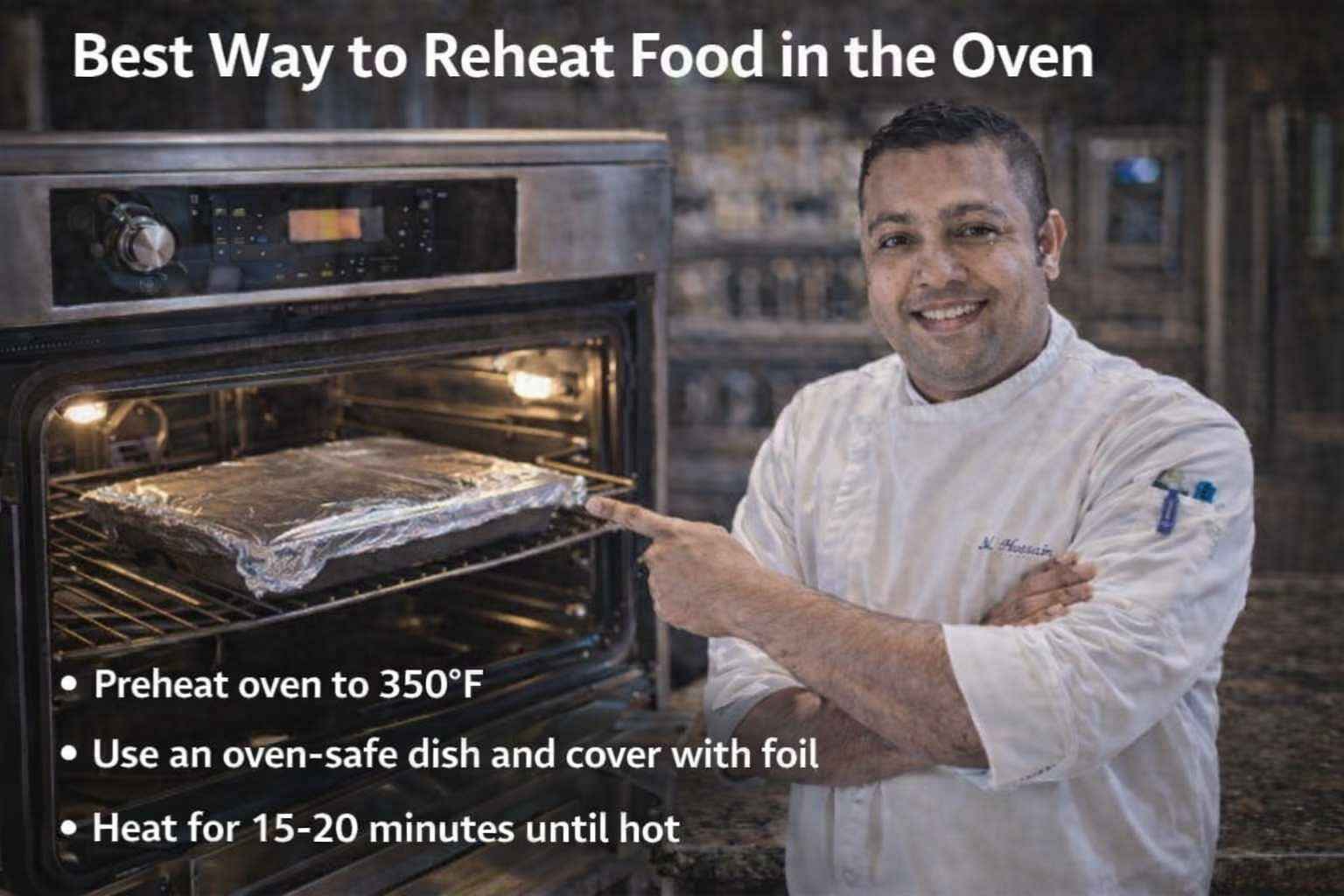
Oven Reheat Method
- Preheat oven to 300°F
- Place chicken in a small baking dish
- Add a splash of chicken broth or water
- Cover tightly with foil
- Heat for 10–15 minutes, or until warmed through
It steams gently and keeps the meat juicy. No crispy edges, but perfect for wraps, bowls, or rice plates.
Cold Chicken? Still Good If Stored Right
If I’m making lunch on the go, I’ll leave the sliced chicken cold and toss it into:
- Salads with arugula, goat cheese, and vinaigrette
- Wraps with hummus, spinach, and sliced peppers
- Pasta with olive oil and lemon zest
Cold oven-baked chicken is totally underrated — when you season it well and store it right, it’s flavorful even straight from the fridge.
How I Freeze Cooked Sliced Chicken Breast
This was a game-changer for me when I started meal prepping during a busy work season.
Here’s how I do it:
- Let the chicken cool completely
- Wrap each slice individually in parchment
- Store in zip-top freezer bags, press out the air
- Label with the date (I’ve forgotten before…)
- Lay the bags flat in the freezer
When I need one?
- I thaw in the fridge overnight
- Or reheat straight from frozen in a low oven (covered, 300°F, about 20–25 minutes)
Works great for rice bowls, wraps, or even slicing into a quick pan sauce dish.
Oven Tools That Actually Help (And the Ones I Stopped Using)
I don’t have a Pinterest kitchen. Half my gear is scratched, mismatched, or held together by stubbornness. But a few tools? Total game changers.
You don’t need fancy gadgets to cook sliced chicken breast in the oven. I’ve done it with just foil and a prayer. But after years of trial and error — across different kitchens, states, and seasons — I found a few tools that really do help.
Must-Haves in My U.S. Kitchen
These are the ones I rely on at least once a week.
✅ Instant-Read Meat Thermometer
- My #1 tip for never overcooking thin sliced chicken
- I use a basic $10 ThermoPro® — nothing fancy
- Helps me hit 165°F dead-on, every time
✅ Heavy-Duty Baking Sheets
- I use USA Pan® or Nordic Ware® — both last forever
- Light-colored pans brown more evenly than dark ones
- No warping or burned edges like I used to get with cheap ones
✅ Parchment Paper
- Makes cleanup 10x easier
- Helps chicken brown without sticking
- Way better than foil for thin chicken
✅ Wire Cooling Rack
- I use it on top of a sheet pan when I want crispy edges
- Lets air circulate so the bottom doesn’t steam
- I only do this when I’m feeling fancy — or when I want “oven-fried” texture
Tools I Tried (and Quit)
I’ve wasted time and money on gear that sounded cool but didn’t deliver.
❌ Oven Liners
- They messed with my oven’s airflow
- Chicken never crisped up right
- Also, they melted once — that smell? Never again
❌ Silicone Mats for Crisping
- Love them for cookies
- Hate them for meat
- Trapped moisture and gave me sad, soft chicken
❌ Disposable Foil Pans
- Great for parties, not great for flavor
- Thin metal burns chicken edges fast
- Cleanup is easier, but the cooking is worse
Bonus Tool: Cast Iron Sheet Pan
This one isn’t for everyone, but I’ve used a Lodge® cast iron baking pan when I want serious browning. It takes longer to preheat, but wow — the sear on that chicken? Unreal.
Just don’t forget oven mitts. That pan stays hot for a long time.
Final Notes From My Oven to Yours
I didn’t always like thin sliced chicken breast. But now? It’s one of the most reliable, flexible, weeknight-friendly proteins in my kitchen.
Honestly, I used to avoid it. I thought it was too easy to mess up — and sometimes it was. But once I stopped treating it like a throwaway protein and started learning how to cook sliced chicken breast in the oven the right way? Game changer.
This cut went from “plan B” to my go-to for fast, flavorful meals.
What I’ve Learned From All My Oven Experiments
I’ve cooked thin chicken on stormy Florida nights, in freezing Midwest winters, and in dry Arizona heat. Across all those ovens and seasons, a few things stayed true:
- Prep matters. Even if it’s just drying it off and seasoning with salt and garlic powder.
- Thin cooks fast. Don’t walk away. Don’t overthink. Just check it early.
- Oven tools help — but only a few. A good baking sheet and a cheap thermometer go a long way.
- Flavor comes from confidence. Don’t be afraid to use bold spices, bright citrus, or a last-minute glaze.
And let’s be real — I’ve burned a few. I’ve dried out more than I can count. But I’ve also made some of the best-tasting chicken with just 20 minutes and a hot oven.
When I Use This Method the Most
- On busy weeknights when I need protein fast
- During meal prep for salads, wraps, and bowls
- When I want crispy chicken without frying
- On days when the stovetop feels like too much effort
And sometimes? I make a few extra pieces just so I can eat cold chicken over rice with a splash of lemon the next day. Is that weird? Maybe. But it hits.
Final Thought: Keep It Simple, and Trust Your Oven
Thin sliced chicken breast doesn’t need to be fussy. You don’t need a marinade that takes 12 hours. You don’t need gadgets that beep and flash.
You just need:
- An oven
- A little seasoning
- The right timing
- And a hungry appetite
Trust your instincts. Taste as you go. And don’t stress the little things. Because once you get the feel for it? Cooking sliced chicken in the oven becomes second nature — and honestly, pretty satisfying.
FAQs
How to Cook Sliced Chicken Breast in the Oven so it stays juicy?
Preheat the oven to 400°F. Season the sliced chicken breast and spread it on a tray. Bake for about 15–18 minutes. The heat cooks it fast and helps keep the meat soft and juicy.
What temperature works best for sliced chicken breast in the oven?
A hot oven works best. Set it to 400°F for thin chicken slices. This heat cooks the meat fast and keeps the inside moist while the top gets light color.
How long should I bake sliced chicken breast in the oven?
Thin sliced chicken breast usually needs 15–18 minutes at 400°F. Check that the meat is white inside and the juice runs clear before you take it out.
Should I cover sliced chicken breast when baking in the oven?
You do not need to cover it. Bake the sliced chicken breast open on a tray so heat moves around the meat. This helps the chicken cook fast and stay tender.
How do I add more flavor when I cook sliced chicken breast in the oven?
Rub the chicken with oil, salt, garlic, and herbs before baking. The slices soak up the flavor fast. A short rest after baking also helps the taste stay rich.