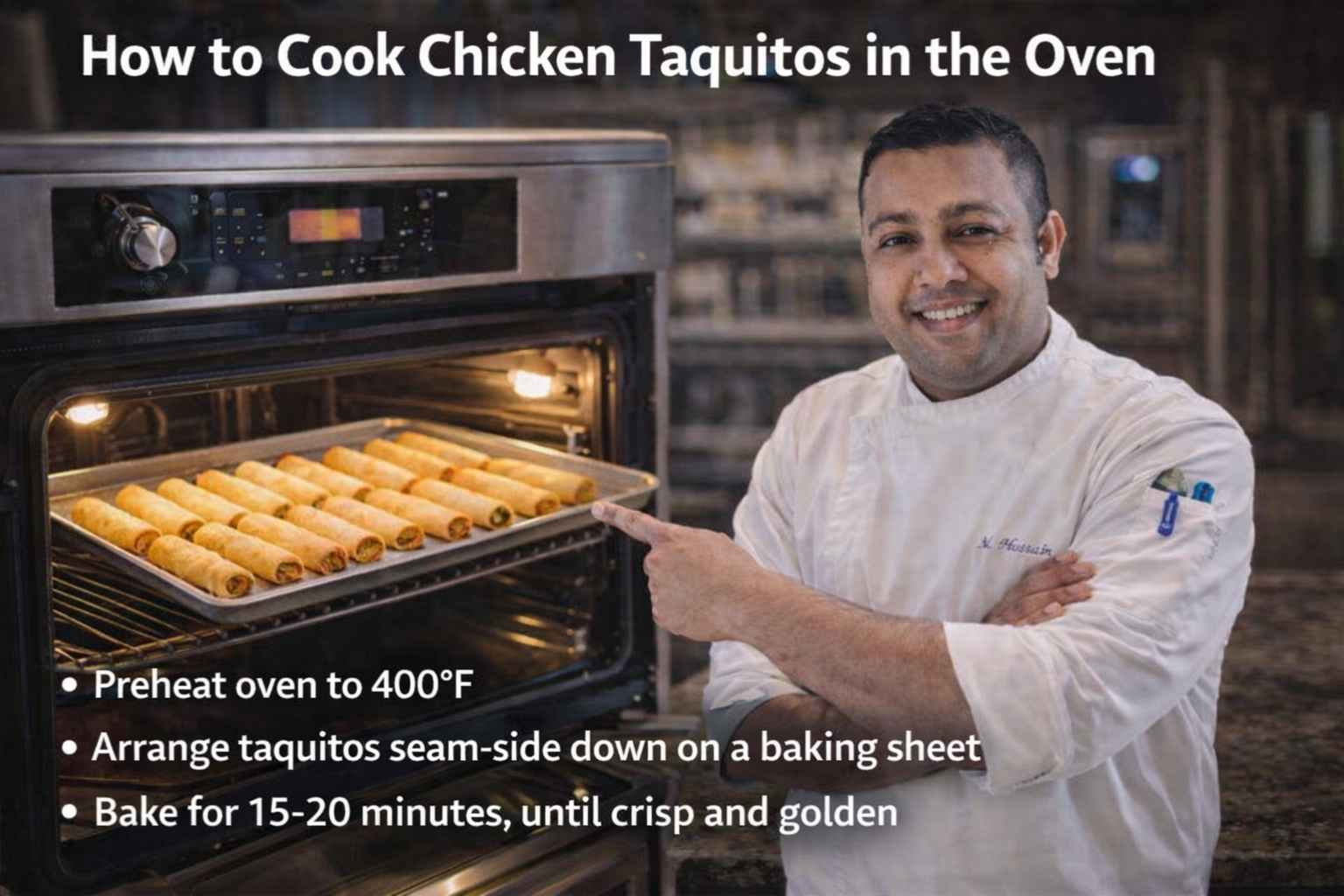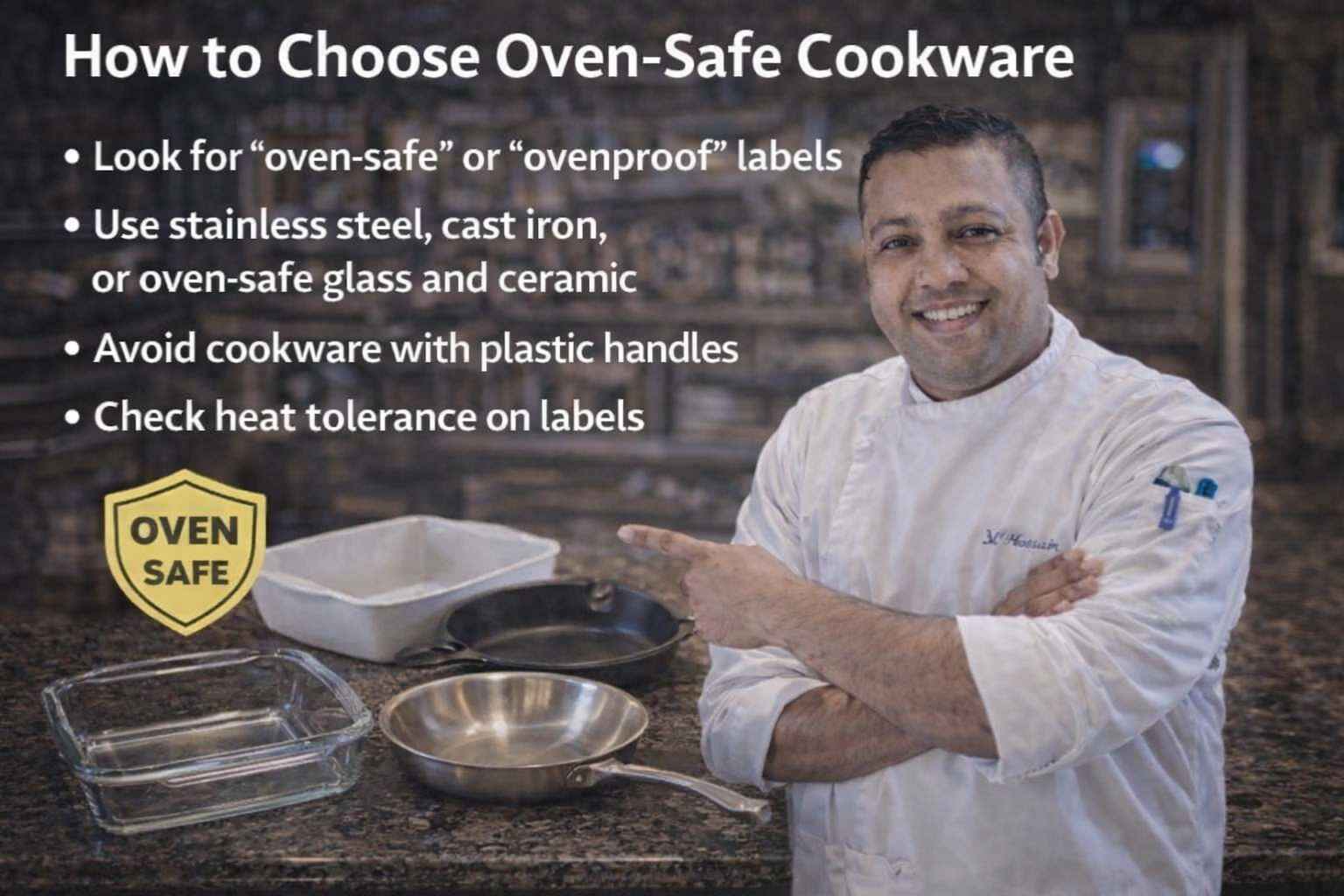

Hey, I’m Mossaraof — a professional cook and food blogger. Some days you just want a fast meal that still tastes great. That is why I often use How to Cook Frozen Chicken Patties in the Oven when my day feels busy. The oven turns a simple frozen patty into a hot, crisp bite.
I have cooked frozen chicken patties this way many times for quick lunches and easy dinners. With the right heat and time, the outside turns golden while the inside stays juicy. If you want to learn more oven basics, read The Complete Guide to Using an Oven at Home. Now let me show you How to Cook Frozen Chicken Patties in the Oven so you can make a fast and tasty meal.
Table of Contents
ToggleWhy Frozen Chicken Patties Are a U.S. Weeknight Hero
There’s something comforting about opening the freezer and seeing those little breaded circles of hope sitting there.
I’ve leaned on frozen chicken patties during back-to-back 12-hour workdays, when groceries were low, or when I just didn’t want to deal with raw meat. I’m not proud of all my reasons—but I am thankful.
When Life Gets Too Real
One night in Orlando, it was humid, I was tired, and the only thing colder than my fridge was my motivation. I grabbed two frozen patties, threw them in the oven, and fifteen minutes later, I had dinner that didn’t involve cereal or drive-thru regret.
That’s the thing about frozen chicken patties—they’re:
- Fast (no thawing, no prep)
- Kid-friendly (especially when paired with ketchup or ranch)
- Customizable (you can dress them up or keep ’em plain)
- Affordable (compared to takeout or fresh meat prices)
Who Actually Uses These?
In my experience, frozen chicken patties are kind of a kitchen equalizer. I’ve seen them:
- In a cramped college dorm toaster oven in Ohio
- On a metal tray in a Chicago apartment with no ventilation
- Stacked into late-night burgers in a Texas backyard with teenage cousins hovering nearby
You don’t need fancy tools or chef skills. Just a working oven and maybe a slice of cheese.
They’re especially great for:
- Busy parents juggling work and homework help
- Shift workers looking for something fast after clocking out
- Meal preppers who want easy sandwich protein
- Anyone with freezer space and a little hunger
U.S. Brands That Hit the Freezer Aisles
If you’re shopping in the U.S., you’ll probably run into:
- Tyson – classic, slightly peppery breading, thicker than average
- Perdue – thinner, cooks faster, kid-approved
- Applegate – more natural/organic vibe, costs more but flavorful
- Store brands (Kroger, Walmart’s Great Value, etc.) – great for budget meals, but texture varies
Each brand bakes a little differently. I’ve noticed Tyson patties are chunkier and need extra time in the oven, while Perdue crisps up quicker.
Sometimes, I just pick based on price. Other times, it’s nostalgia—Tyson Original reminds me of middle school lunches when life was a bit simpler.
Preheat Your Oven — But Not Always. Here’s the Truth
There was this chilly night in February, I was staying with family in the Midwest. The oven was one of those older gas models that takes forever to heat up, and honestly, I didn’t have the patience. I tossed the patties in cold, cranked it to 400°F, and crossed my fingers.
Guess what? They still cooked. A little slower, a little softer on the bottom, but totally edible.
That moment made me start experimenting with when preheating matters—especially with frozen chicken patties.
When Preheating Helps
If you want that perfect crispy crust and even cook-through, preheating is your best friend. Here’s why:
- It helps the outside brown faster without overcooking the inside.
- Keeps bake time predictable (usually 18–22 minutes at 400°F).
- Makes sure you don’t get that weird, semi-soggy base.
Especially in electric ovens that hold heat evenly, preheating gives more control. I learned that the hard way with a batch that cooked unevenly in my Florida rental oven (which ran cooler than it claimed).
But… When You Can Get Away Without It
If your oven takes forever, or you’re using a toaster oven, skipping preheat might be fine.
Here’s what I’ve noticed when I don’t preheat:
- The patties take 3–5 minutes longer.
- The crust stays a little softer—less crisp, more golden.
- The center stays juicy, though, which surprised me.
I wouldn’t do this if I had guests over or wanted a “restaurant-style” crunch, but for a solo night with Netflix and sweatpants? It works.
My Preheat Rule of Thumb
Here’s how I decide:
- Preheat when: I want crisp, have time, using a big oven.
- Skip when: I’m tired, hungry, or using a small or slow oven.
It’s not a sin to skip preheating. Just adjust your expectations and your timing.
Oh—and if your oven has hot spots (like mine did back in Arizona), preheating and rotating the tray halfway is basically mandatory. Otherwise, one patty ends up golden and the other’s barely breathing.
How Long to Cook Frozen Chicken Patties in Oven at 400°F (and Why That’s My Go-To)
Let me just say this: not all frozen chicken patties are built the same. Some are thick and dense (like Tyson’s), others are flat and quick-cooking. So when people ask how long to cook frozen chicken patties in the oven, I always say—it depends, but 400°F is your best starting point.
My Go-To Timing for 400°F
Here’s what works in my kitchen, across multiple ovens:
- Bake at 400°F for 18–22 minutes
- Flip at the 10- to 12-minute mark
- Check internal temp around 18 minutes (goal: 165°F)
That’s the timing sweet spot where patties turn golden and crunchy without drying out.
With Tyson frozen chicken patties, I always need the full 22 minutes. They’re thicker and take a bit longer to heat through.
With thinner store-brand patties, I’ve had them fully cooked (and crispy!) at 17 minutes flat.
A Real-Life Example (Chicago Electric Oven)
One Sunday afternoon, I tested three patties side by side—Tyson, Perdue, and a generic store brand—on a parchment-lined tray.
- Tyson: Juicy, great texture, but took the longest (22 mins).
- Perdue: Cooked evenly in 18 mins, crispier edges.
- Store-brand: Edges browned fast, but center needed an extra minute to hit 165°F.
All three were cooked on the middle rack, no convection fan. I flipped them at the 10-minute mark with a spatula and let them finish unbothered.
Internal Temp: Don’t Skip This
If there’s one rule to follow, it’s this: get a meat thermometer. I don’t care how good you are—chicken needs to hit 165°F inside.
- I use a digital thermometer and poke it into the center from the side (not the top).
- No thermometer? Cut one open after 18 minutes and look for clear juices and no pink in the middle.
Especially if you’re baking multiple patties or stacking anything on top (like cheese), this helps avoid dry outs or cold spots.
Why 400°F Beats Other Temps (Usually)
I’ve experimented at 375°F and 425°F—and yeah, they work, but they come with trade-offs.
375°F:
- Softer crust
- Slightly longer cook time (21–25 minutes)
- Better for picky eaters or toddlers who don’t love crunch
425°F:
- Super crispy (almost like air-fried)
- Easy to overbake or burn edges if you forget to flip
- Good for sandwiches where you want structure
So for me, 400°F is the oven’s version of the “Goldilocks zone.” Hot enough to crisp, low enough to stay juicy.
Baking Frozen Chicken Patties in the Oven: Step-by-Step
After testing this in more ovens than I can count (including an ancient Whirlpool in a Florida rental and a new GE model here in Chicago), this is the method I keep coming back to.
It works. It’s clean. It gets results.
What You’ll Need
Nothing fancy here. If you’ve got a baking tray and a working oven, you’re halfway there.
- Baking sheet or cookie sheet
- Parchment paper (or aluminum foil with light oil spray)
- Optional: wire rack for better airflow
- Tongs or a spatula
- Meat thermometer (for best results)
And of course—your frozen chicken patties.
My Go-To Method (Used Way Too Many Times)
I’ve probably done this over 100 times—especially after long shifts when I didn’t want to think. Here’s how I do it, no fluff:
- Preheat your oven to 400°F.
(Unless you’re in a rush—then skip it, but be prepared to wait a few extra minutes.) - Line your sheet pan with parchment paper.
Makes cleanup so much easier. Trust me, I’ve scrubbed one too many trays. - Place the frozen patties on the tray.
Give them space—don’t let them touch. Air needs to circulate. - Bake on the middle rack for 10–12 minutes.
- Flip with tongs or a spatula.
Don’t forget this step—it helps both sides get golden and crispy. - Bake for another 8–10 minutes.
Total time = around 20 minutes depending on your oven and patty thickness. - Check internal temp.
Make sure the center hits 165°F. Use a thermometer if you can. If not, slice one open and check for no pink.
Extra Chef Tips (That Took Me Way Too Long to Learn)
- Want crispier bottoms?
Place a wire rack on top of your baking tray and set the patties on that. More airflow = better crunch. - Breading starting to burn?
Loosely cover with foil after flipping. Works like a charm. - Cooking multiple batches?
Let the tray cool slightly between rounds or the second batch might burn faster.
This method is simple but consistent. And once you get the timing down, it’s hard to mess up—even if your oven runs a little hot or cold like mine used to in Arizona.
How to Cook Tyson Frozen Chicken Patties in Oven (U.S. Brand Spotlight)
If I had a dollar for every Tyson frozen chicken patty I’ve cooked, I’d probably still buy more Tyson. They’re thick, seasoned just right, and seriously dependable on busy nights.
But they do behave a bit differently in the oven.
Tyson’s Instructions vs. Real-Life Results
The box usually says something like:
“Bake at 400°F for 18 minutes.”
Sure. That’s a good start. But in my oven? They usually need a little longer.
- My average: 20–22 minutes total
- Flipping at the 10- or 12-minute mark helps with even crisping
- I always check the thickest one with a thermometer — Tyson patties are chunkier than most
Sometimes I’ll even let them go an extra minute or two if I want that crispy, almost toasted edge.
Texture and Flavor Notes (From a Chef’s POV)
I’ve worked with a lot of chicken textures, and Tyson’s patties are definitely more consistent than generic store brands.
Here’s what I’ve noticed:
- Breading: Slight pepperiness with a golden, crunchy finish when baked right
- Meat: Moist, lightly seasoned — not too salty, which makes it great for adding sauces
- Thickness: Heftier than Perdue or generic, so you get more bite per sandwich
They hold up well under melted cheese, sauces, or even being chopped into strips.
Best Ways to Use Tyson Patties in a Meal
Honestly, I don’t just eat them plain (unless I’m wiped out). Here are a few ways I’ve served them in real U.S. kitchens:
- Crispy chicken sandwich: Toasted brioche bun, mayo, pickles, shredded lettuce
- Oven chicken parm: Add marinara and shredded mozzarella for the last 3 mins
- Quick chicken sliders: Slice into thirds, serve on Hawaiian rolls with hot honey
- Salad topper: Slice and lay over a Caesar salad — adds crunch and protein fast
One night in Arizona, I even crumbled one over nachos. Not traditional, but it worked.
Note for U.S. Oven Users
If you’re baking Tyson patties in an older oven, especially gas models, watch for uneven heating. I’ve seen the back row cook faster than the front. Rotating the tray halfway through helps.
In newer electric ovens, they brown more evenly, but may crisp up faster. So keep an eye on the edges.
What About Toaster Ovens? (Yes, They Work — But Watch This)
Back when I lived in a tiny studio in NYC, my toaster oven was the oven. No stovetop, no range—just that little beast sitting on the counter humming louder than my AC. I didn’t think it’d work for frozen chicken patties.
But it did. With a few adjustments.
Cooking Frozen Chicken Patties in Toaster Oven
Toaster ovens run hotter and closer than full-size ovens. The heating elements are right there—just inches from the food. So if you follow standard oven instructions, you might end up with a burnt top and a cold center.
Here’s how I make it work:
- Lower the temp to 375°F
- Line the tray with foil or parchment, and spray lightly with oil if your toaster oven tends to stick
- Place patties in center, not too close to the walls
- Bake 16–18 minutes, flipping halfway through
- Keep an eye on the top after the first 10 minutes—it can brown fast
Some models (like the Breville Smart Oven Air or the older Black+Decker I had in Orlando) bake more evenly. But if you’ve got a bargain-brand one that toasts unevenly, rotate your tray at the halfway point.
Best Times to Use the Toaster Oven
Sometimes, the toaster oven is the better tool. Like:
- When you don’t want to heat up the whole kitchen in summer (especially in Florida — oof, the humidity)
- When you’re just baking one or two patties and don’t want the full oven blast
- In dorm rooms, basement kitchens, or RVs, where space and power are limited
I even used a toaster oven during a power-saving challenge in Arizona where I tried to avoid running my big oven for a whole week. The patties came out surprisingly crispy, and I didn’t roast myself in the process.
A Quick Caution
- Don’t walk away from your toaster oven.
I’ve had patties nearly go up in smoke because I forgot how fast the tops brown under that close heat. - Avoid using the broil setting unless you know exactly what you’re doing.
I’ve tried it—once—and I scraped black crust off with a butter knife.
If you’re working with limited space or avoiding your main oven, toaster ovens absolutely get the job done. Just give them a little more supervision.
Flavor Boosts: How to Make Frozen Chicken Patties Actually Taste Amazing
I’ll be honest—frozen chicken patties can taste pretty plain on their own. Like… breaded cardboard with a chicken afterthought. But over time, I figured out how to make them shine without making extra mess.
My Go-To Flavor Upgrades
You don’t need to be a chef to pull these off. I do these even when I’m half-asleep on a Thursday night.
- Add cheese in the last 2–3 minutes
Pepper jack is my favorite. It melts fast, adds heat, and gets bubbly right as the patty finishes. - Brush with sauce before baking ends
Try barbecue, buffalo, honey mustard, or even teriyaki. I use a silicone brush and coat both sides after the flip. - Toss with seasoning before baking
Garlic powder, paprika, onion powder, Italian herbs — or my lazy favorite: taco seasoning. - Top with crispy fried onions or pickles after baking
Adds texture and a zing of flavor without effort.
One night, I even layered a frozen patty with leftover coleslaw and hot sauce. I had no idea it’d become a regular rotation in my meal planning.
Creative Serving Ideas That Work
These are meals I’ve actually made in my own kitchen—usually when I was starving and wanted something more exciting than a plain sandwich.
- Crispy chicken sandwich
Brioche bun, shredded lettuce, tomato, mayo, pickle slices — add a little sriracha if you’re feeling bold. - Oven chicken parmesan
Add marinara and mozzarella in the last 5 minutes. Serve with spaghetti or garlic bread. - Breakfast chicken melt
Patty + fried egg + cheddar on an English muffin. Ideal for cold Midwest mornings when nothing else feels warm. - Chicken patty salad
Slice it up, throw it over chopped romaine, drizzle ranch or Caesar dressing. Instant protein boost. - Buffalo chicken sliders
Toss cooked patties in buffalo sauce, slice into smaller pieces, stack on mini buns with ranch and celery slaw.
I don’t always get fancy. But when I do, frozen patties are way more flexible than people give them credit for.
Tip from Trial and Error
One time I added the cheese too early and it melted off into the tray. Now I always wait until the last 2–3 minutes. Same with sauces—add them too soon and they dry out.
If you’re using the toaster oven, be even more cautious. Cheese will brown lightning-fast, and sauces can bubble over in seconds.
Troubleshooting: What Can Go Wrong and How to Fix It
You’d think frozen chicken patties would be foolproof. But even with something this simple, things can go sideways.
Let’s talk about the most common problems I’ve run into—and how I handled them without starting over or ordering pizza.
Problem 1: Soggy Bottoms
This one gets me when I’m rushing or feeling lazy.
What causes it:
- Lining the tray with foil and not flipping
- Overcrowding the pan
- Baking at a lower temp (like 350°F) for too long
How I fix it:
- Use parchment paper instead of foil (less steam trap)
- Flip the patties at the halfway point—every time
- Add a wire rack so heat hits both sides
One time I skipped flipping because I was on a Zoom call. Came back to patties that were crisp on top but soft like a wet sponge underneath.
Problem 2: Burnt Edges, Undercooked Center
Oof. Been there. Especially with toaster ovens.
What causes it:
- Oven temp too high (like 425°F) without flipping
- Placing tray too close to top element
- Uneven oven heat (older ovens are the worst for this)
How I fix it:
- Bake on the middle rack
- Flip and rotate the tray halfway through
- Check oven temp with an external thermometer — mine was off by 25°F once
One winter in Michigan, I thought the patties were ready at 17 minutes. They were golden outside, but the center was still chilly. Since then, I always temp-check or cut one open.
Problem 3: Dry, Tough Texture
Chicken jerky, anyone? Didn’t think so.
What causes it:
- Overbaking past 25 minutes
- Using convection mode too aggressively
- Forgetting to cover when reheating leftovers
How I fix it:
- Stick to 18–22 minutes max at 400°F
- Add cheese, sauce, or even a drizzle of oil near the end if they look dry
- Place a small oven-safe bowl of water on the bottom rack for moisture (old bakery trick!)
I once reheated patties from the night before and they turned into leather. Now I either reheat them covered or repurpose them into a saucy dish (like smothered in gravy or chopped into soup).
U.S. Oven Differences: Why Every Kitchen Isn’t the Same
You’d think an oven is an oven, right? Set it to 400°F, toss in the patties, done.
Not quite.
Over the years, I’ve learned that U.S. ovens are quirky. They’ve got personalities, temperaments, and sometimes grudges.
High Altitude Baking (Hello, Colorado)
I once spent a winter in Colorado Springs, house-sitting for friends. I followed my usual method, but the patties baked way slower—and drier.
Turns out, higher elevation = lower air pressure, which means:
- Water evaporates faster (so things dry out)
- Food takes longer to cook
- Oven temps may need slight increases
Fix I use now:
- Add 3–5 extra minutes of bake time
- Tent with foil for the last few mins to prevent over-drying
- Use a meat thermometer religiously
Humid Florida Kitchens
Back in Florida, I had a rental with a gas oven from what felt like 1973. On humid summer nights, frozen patties never crisped quite right.
Humidity affects texture, especially with breaded food.
What I noticed:
- Breading browned slower
- Bottoms got soft, even with parchment
- Reheating leftovers was a mushy mess
My tweaks:
- Use convection mode (if you’ve got it) to keep air circulating
- Bake directly on a wire rack to reduce steam buildup
- Don’t stack patties or cover them in foil unless you want soft results
Dry Arizona Air = Crunchy Heaven
Arizona was a dream for crispy food. I didn’t even have to try.
The dry heat made everything toastier. Frozen patties cooked faster and had this light, golden crunch without needing oil or broiling.
Only catch:
My electric oven in Phoenix ran hot. I had to dial it down to 375°F sometimes or risk overbaking the edges.
Tip I still use:
- Place an oven thermometer inside to check for accuracy
(some ovens lie by 10–25 degrees — no joke)
Gas vs. Electric Ovens in the U.S.
I’ve used both, and here’s my quick breakdown:
- Gas ovens: Heat unevenly, often hotter near the back. Better for juicy meats, but trickier for crispiness unless rotated halfway.
- Electric ovens: More even heat, great for frozen foods, but dry things out fast if left too long.
One Chicago apartment had a Frigidaire electric oven that roasted patties perfectly at 400°F—but in my Florida rental, the Whirlpool gas oven always needed 5 extra minutes and mid-bake rotation.
Oven Safety, Cleaning, and Smell Tips
You wouldn’t think frozen patties could cause chaos, but I’ve smoked up my kitchen more than once. Especially in toaster ovens. Especially with cheese.
Here’s how I keep things under control now.
Safety Tips I Wish I’d Followed Sooner
These sound basic, but trust me, I’ve made every one of these mistakes.
- Use oven mitts.
Sounds obvious, right? I once grabbed a tray with a damp towel—burned clean through in 3 seconds. - Keep a fire extinguisher nearby.
I’ve never needed it for patties (thankfully), but cheese drips or paper too close to heating coils? It happens fast. - Don’t broil frozen patties unless you’re watching like a hawk.
I’ve broiled cheese-topped patties and walked away. Came back to smoke and shriveled buns. - Avoid stacking patties.
More surface contact = more steam = more sogginess = more frustration.
Keeping the Oven from Smoking
Even clean ovens get smoky—especially if you’ve baked something greasy the night before.
Here’s how I stay ahead of it:
- Line the baking sheet with parchment or foil.
Catches crumbs, melted cheese, or sauce run-off. Just don’t let foil touch the oven’s heating element. - Clean spills ASAP.
If BBQ sauce drips off a patty and bakes onto the tray, scrape it off once the oven cools. Otherwise, it burns next time. - Use a pan with a lip.
I’ve used flat cookie sheets that let grease drip into the oven. Not fun to clean after.
Odor Tips (Especially in Small Kitchens)
One of my old apartments had zero ventilation. A single burned edge and the place would smell like chicken toast for days.
Here’s what helped:
- Let patties rest before slicing.
It locks in moisture and keeps the steam (and smell) from flooding the kitchen. - Leave the oven door cracked after turning it off.
Helps the heat and smell vent out faster without blasting your face. - Place a bowl of baking soda or vinegar nearby.
It absorbs odors in small kitchens (especially helpful if you’ve got guests coming over in 15 minutes).
If I’m cooking patties with cheese or sauce, I also open a window—just in case. Better to let fresh air in than spend the night airing out burnt barbecue smell with a towel.
Conclusion: Frozen Chicken Patties, Done Right
I didn’t think I’d become a frozen chicken patty expert. But here we are.
After cooking them in old ovens, new ovens, toaster ovens in college dorms, and even in an RV parked near Flagstaff—I’ve seen every way this can go right (and wrong).
Sometimes you need dinner to be simple. Not gourmet. Not slow-roasted. Just hot, satisfying, and done before you lose the motivation to eat.
And frozen chicken patties? They deliver. Especially when:
- You bake at 400°F (give or take, based on your oven)
- You flip halfway, check the temp, and don’t overcrowd
- You add flavor with cheese, sauce, or your favorite bun setup
- You’re working with a quirky oven in a real U.S. kitchen — not a picture-perfect test lab
From dry Arizona air to steamy Florida nights, I’ve baked these patties in every kind of environment. And through it all, they’ve become one of my favorite low-effort, no-apology comfort foods.
So next time you’re tired, hungry, or just need something you can trust to work?
Open the freezer.
Fire up the oven.
And give those humble patties the bake they deserve.
FAQs: How to Cook Frozen Chicken Patties in the Oven
How long does it take to cook frozen chicken patties in the oven?
It takes 15 to 20 minutes at 400°F. Turn them over at the 10-minute mark. This helps both sides get hot and crisp for a great meal.
What is the best oven heat for frozen chicken patties?
Set your oven to 400°F (204°C). This high heat makes the breading very crunchy. It also heats the inside fast without making the meat dry.
Should I thaw frozen chicken patties before I bake them?
No, do not thaw them. They are made to go right from the freezer to the oven. Baking them frozen helps the patties keep their shape and crunch.
Do I need to use oil or spray on the baking sheet?
A light spray of oil can help with the crunch. You can also use parchment paper. This stops the chicken patties from sticking to the pan as they cook.
How do I know when the chicken patties are done?
The outside should be a deep golden brown. The center must be hot all the way through. They will feel firm to the touch when they are ready to serve.