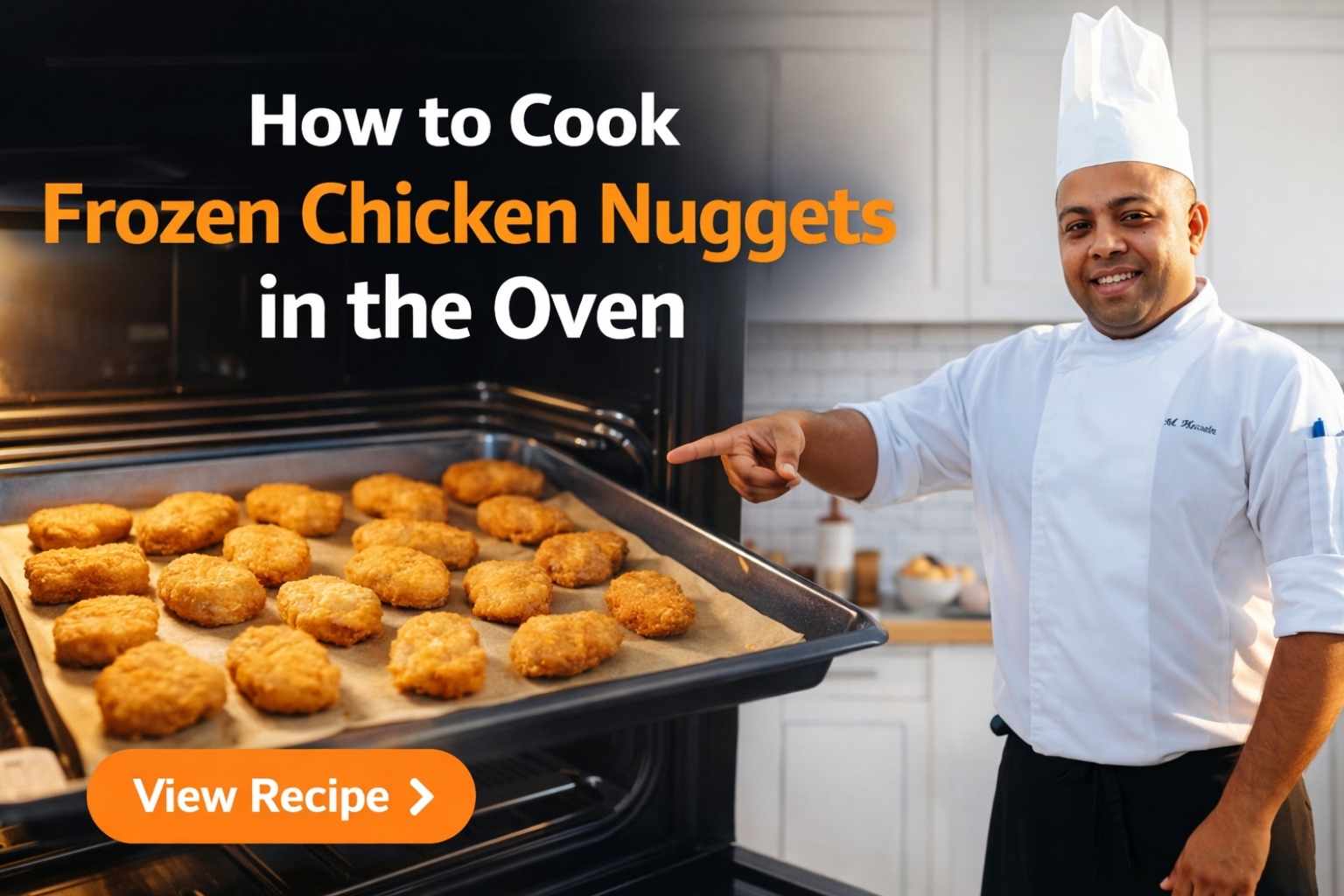
Hey, I’m Mossaraof — a professional cook and food blogger. Some nights you just want a fast snack that still tastes great. That is when I use How to Cook Frozen Chicken Nuggets in the Oven to make them hot, crisp, and full of flavor. The oven always gives better texture than a quick microwave.
I have made frozen nuggets this way many times for easy meals and late snacks. With the right heat and time, the outside turns golden while the inside stays soft and juicy. If you want to learn more oven basics, read The Complete Guide to Using an Oven at Home. Now let me show you How to Cook Frozen Chicken Nuggets in the Oven step by step so you get the best results every time.
Table of Contents
ToggleHow to Cook Frozen Chicken Nuggets in the Oven (The Right Way)
I used to think tossing nuggets onto a tray and hitting bake was enough. But over time — and too many soggy bites — I learned it’s all about the small details. Let me walk you through how I get them crispy, fast, and evenly cooked.
Preheat First — Yes, It Matters
I’ll admit it — I skipped preheating for years. Who has time when everyone’s already hungry? But once I started preheating the oven to 400°F, I saw a real difference.
- The breading crisped up instead of going soft.
- Nuggets cooked through faster and more evenly.
- No cold centers, no weird rubbery textures.
Especially in older ovens — like the Whirlpool I used when living in Chicago — skipping preheat meant uneven cook times. And in Florida’s humid air, it took an extra couple of minutes to heat up, so I started turning it on while prepping everything else.
Even if your oven says it’s preheated, trust me, give it an extra 2 minutes. It’s worth it.
Single Layer = Crispy Nuggets
One night, I dumped an entire bag onto the tray like I was feeding a sports team. Big mistake. The bottom layer steamed instead of baking, and the top barely browned.
- Always spread them out in a single layer.
- Leave space between each piece — no overlapping.
- For large batches, use two pans instead of cramming one.
I use a Nordic Ware half-sheet pan now. It holds about 16–20 nuggets without crowding. If I need more, I rotate the pans halfway through.
Use the Middle Rack (Always)
This one took me a while to figure out. In my Arizona kitchen, I noticed the nuggets on the top rack browned too fast — but were still cold inside. Lower rack? They got soggy.
Middle rack = best airflow + even heat.
Simple rule: when in doubt, go center.
Unless you’re broiling (which you’re not with nuggets), just keep it in the middle.
Flip or Don’t Flip? (It Depends)
This one’s tricky. I’ve cooked Tyson nuggets that didn’t need flipping — the breading is thick and crispy enough. But with thinner store-brand ones? If I didn’t flip halfway, one side stayed pale and soft.
Here’s what I do now:
- If they’re panko-coated or extra thick, skip the flip.
- If they’re smooth-breaded or thinner, flip at the 7–8 minute mark.
- Always use tongs — fingers + 400°F = ouch (been there).
Once, I forgot to flip a batch while multitasking — they cooked fine, but had a sad, limp underside. No crunch. Lesson learned.
How Long to Cook Frozen Chicken Nuggets in Oven (Real Test Results)
Oven timing isn’t one-size-fits-all. I’ve tested nuggets from Tyson to store brands in gas, electric, and convection ovens. Let me walk you through what actually works — not just what the bag says.
Average Cooking Time at 400°F
400°F became my go-to after burning one too many batches at 425°F. It’s the sweet spot between speed and crunch.
- Thin nuggets: 10–12 minutes
- Thicker breaded or panko nuggets: 14–16 minutes
- Kid-sized mini nuggets (like dino shapes): 8–10 minutes
If I’m being real, I always start checking at the 10-minute mark. I’ve had some store brands that looked done outside but were still cool inside. I now give them a gentle poke with tongs — if they feel firm and the breading is golden, they’re done.
One time I pulled a tray out at 12 minutes and the inside was still icy. That was in a rental apartment with a very slow electric oven. Since then, I keep a thermometer nearby just in case. Cheap insurance.
How Long to Bake Chicken Nuggets in the Oven at 375°F
Sometimes I bake at 375°F — like if I’m cooking something else alongside or just want a little wiggle room.
- 375°F = 14–18 minutes
- Not as crispy, but good for multitasking
- Best if your oven tends to run hot (like my old Frigidaire did)
I tried a full tray at 375°F in the Midwest during winter, and they came out okay — just a little softer. They browned slower, but didn’t dry out. So if you’re not in a rush or don’t want to crank the heat up, 375°F works.
Cooking Tyson Chicken Nuggets in the Oven
Ah, Tyson. The nugget king in my house. I’ve cooked these in three different states and at least four ovens.
Here’s what worked:
- 400°F for 16 minutes on a dark metal sheet pan
- No flipping needed (but I still sometimes do it out of habit)
- Let them rest for 2 minutes before serving — that’s when the crust firms up
They’ve got a thicker breading, so they can handle a little longer cook time without drying out. In my Arizona kitchen (super dry air), they crisped even faster — around 14 minutes. But in Florida’s sticky humidity? 16 full minutes, no shortcuts.
Oh, and don’t trust your oven light. I once thought they were done because they looked golden — turned out they were still soft underneath. I now tap them with tongs to check for crunch.
Do You Need to Thaw Frozen Nuggets Before Cooking?
For years, I thawed frozen nuggets “just in case.” Spoiler alert: that caused more problems than it solved.
Why Cooking from Frozen Is Best
One evening, I was in a rush and forgot to thaw anything. I threw the nuggets in frozen and hoped for the best — and honestly? They came out better than when I defrosted them.
- The breading stayed crisp.
- No weird mushy coating.
- They browned more evenly.
When I asked a friend who works in food safety, she confirmed it: USDA guidelines actually recommend cooking directly from frozen to reduce bacteria risks. Makes sense — thawing at room temp means the outside gets warm while the inside stays icy. Not a great combo.
I noticed especially with Tyson nuggets, thawing made the coating almost rubbery. That firm snap when you bite into a hot, crispy nugget? Gone.
What Happens if You Microwave Then Oven-Bake?
I tested this once when my old gas oven in Illinois took forever to heat up. I thought I’d get clever and “pre-soften” them in the microwave before baking.
Terrible idea.
- The inside turned mushy.
- The coating started to peel off.
- They didn’t crisp at all — even at 425°F.
It might shave off a few minutes, but the texture never recovers. Trust me, I’ve tried.
That trick might work for some frozen dinners, but not for nuggets. Especially not if you’re aiming for that golden brown bite you can dunk into ranch or barbecue sauce.
I’ve also lived in small U.S. apartments where the microwave-oven combo was the only option — even then, I learned to wait for the oven. It’s just not worth sacrificing flavor and texture.
Best Oven Settings for Frozen Chicken Nuggets
Not all ovens are built the same. I’ve tested nuggets in everything from a 90s electric oven in Michigan to a high-end convection unit in Arizona. Each one cooks a little differently — and your settings can make or break dinner.
Conventional Bake vs Convection Mode
Let me be real: I was team “Bake” for years. Convection scared me. I thought it’d dry everything out. But once I tested it with nuggets, I changed my mind fast.
Here’s what happened:
- Convection mode shaved off 2–3 minutes.
- The breading crisped up better — no flipping needed.
- Color was more even, especially on thicker nuggets like Tyson.
When I first used convection in my Frigidaire oven, I forgot to adjust the time. The nuggets got a little too dark — still edible, just a touch dry. Now, I set it to 400°F but check at the 10-minute mark instead of waiting the full 14.
Quick tips for convection:
- Lower the cook time by about 2–3 minutes.
- Avoid overcrowding the pan — air needs space to move.
- If your oven runs hot, go down to 375°F.
Using a Toaster Oven
Back when I lived in a small Chicago apartment, my toaster oven was my savior. I had no full-sized oven for a year, and yes — I cooked frozen chicken nuggets in it more than I care to admit.
What worked:
- 400°F for 8–10 minutes (smaller space = faster cook)
- Use the bake setting, not broil
- Line the tray with foil or use a mini wire rack for extra crisp
I was using a Breville Smart Oven Air, and honestly, it did a solid job. I’d still rotate the tray halfway through, especially since the back cooked hotter than the front. One side always browned first.
Toaster ovens are great for:
- Small batches (5–8 nuggets max)
- After-school snacks
- Late-night cravings when you don’t want to heat the whole kitchen
How to Make Frozen Nuggets Crispy in the Oven
No one wants soggy nuggets. I’ve ruined more than I care to count, but after testing nearly every trick, I’ve nailed down what actually makes them crispy.
Use a Wire Rack on Your Sheet Pan
Game changer. I started using a wire rack when I was roasting veggies — then one day, tossed nuggets on it just to try something new.
And wow.
The bottoms crisped just as much as the tops.
No soggy or steamed sections.
Cleanup wasn’t even that bad.
I use a USA Pan cooling rack that fits inside my baking sheet. Just spray it with a little oil first so the nuggets don’t stick. I did forget to spray once and lost half the coating on the first flip — not pretty.
Best part? You don’t have to flip them. The airflow does all the work.
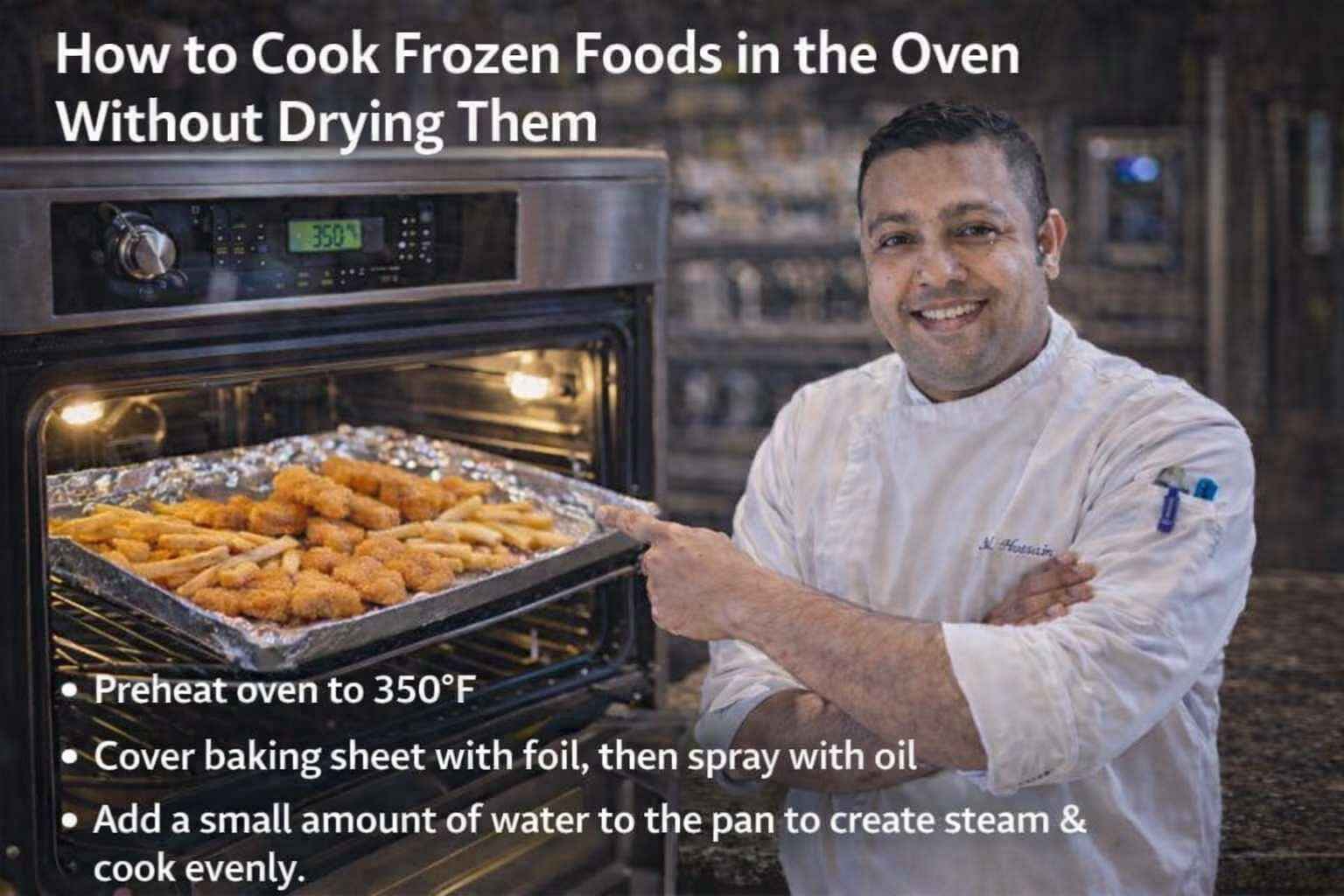
Spray Lightly with Oil (Optional, But Works Wonders)
I was skeptical about spraying nuggets with oil. But one night I was testing out different methods, and the sprayed ones won. Hands down.
I use avocado oil spray — it’s neutral and handles high heat.
A light mist over the top before baking adds a crisp finish.
Just don’t drench them — it’ll make them greasy.
I once tried brushing them with olive oil. Too heavy. They didn’t brown evenly and felt almost fried (but not in a good way). A mist is all you need — treat it like dry shampoo for food.
Dark Sheet Pans vs Shiny Pans
This one surprised me. I used to think any pan would do, but turns out, the color matters.
Dark pans = faster browning, crispier bottoms
Shiny/light pans = slower cook, softer texture
My dark metal pan from Nordic Ware became my go-to for nuggets. The first time I used it, I actually pulled them out early because they looked done way faster than usual.
Just be careful — darker pans cook faster, so watch your timing. I nearly burned a batch once by following the box time instead of checking early.
And parchment paper? It’s fine for cleanup, but I found it makes the bottoms a little softer. If I want maximum crunch, I skip it or switch to a rack.
What Tools Help Cook Chicken Nuggets Evenly?
Turns out, it’s not just about the nuggets or the oven — the tools you use can totally change the results. These are the ones I’ve tested in my own kitchen that actually helped.
Oven Thermometer
My oven used to lie to me. I’m not kidding — it said 400°F, but it was barely hitting 360°F. After a few weird batches of undercooked nuggets, I finally bought a simple oven thermometer.
- I’ve used both Rubbermaid and OXO brands — under $15 and super accurate.
- Turns out my gas oven in Arizona ran 25°F hotter than my electric one in Chicago.
- That explained why some batches browned too fast or came out soft.
Now I always check the temp before tossing in nuggets. Makes a big difference, especially if your oven is older or hasn’t been calibrated in a while.
Silicone Tongs for Easy Flipping
Metal tongs used to scrape the coating off my nuggets — especially the thinner store-brand ones. I switched to silicone-tipped tongs and haven’t looked back.
- Gentle grip = no breading loss
- Heat-safe up to 500°F
- Great for flipping mid-bake or testing doneness
I keep a pair from OXO in my drawer — they’re light, easy to clean, and don’t scratch up my sheet pans. Bonus: they’re way better for grabbing a hot nugget than your fingers. Trust me.
Pan Liners vs Foil vs Bare Sheet
I’ve tested all three — and the results definitely varied.
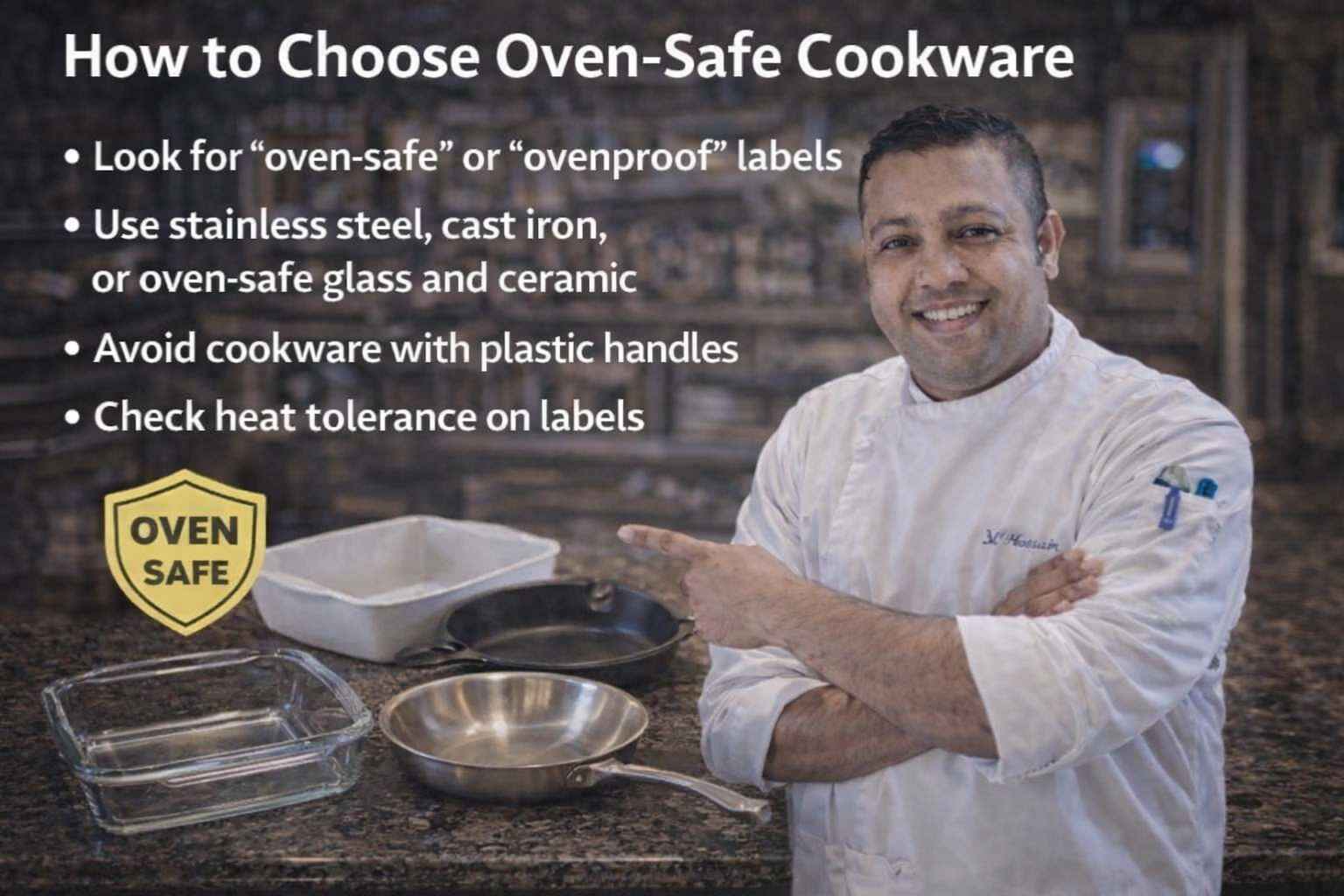
- Foil: fine if you spray it first. If you don’t, the nuggets will weld to it.
- Parchment paper: easy cleanup, but soft bottoms. Not my fave for crispiness.
- Bare sheet: best crunch, but more scrubbing.
If I’m lazy or in a rush, I’ll use foil and give it a quick spray of avocado oil. But if I want full crunch, I use a wire rack over the sheet with no liner. It’s worth the cleanup.
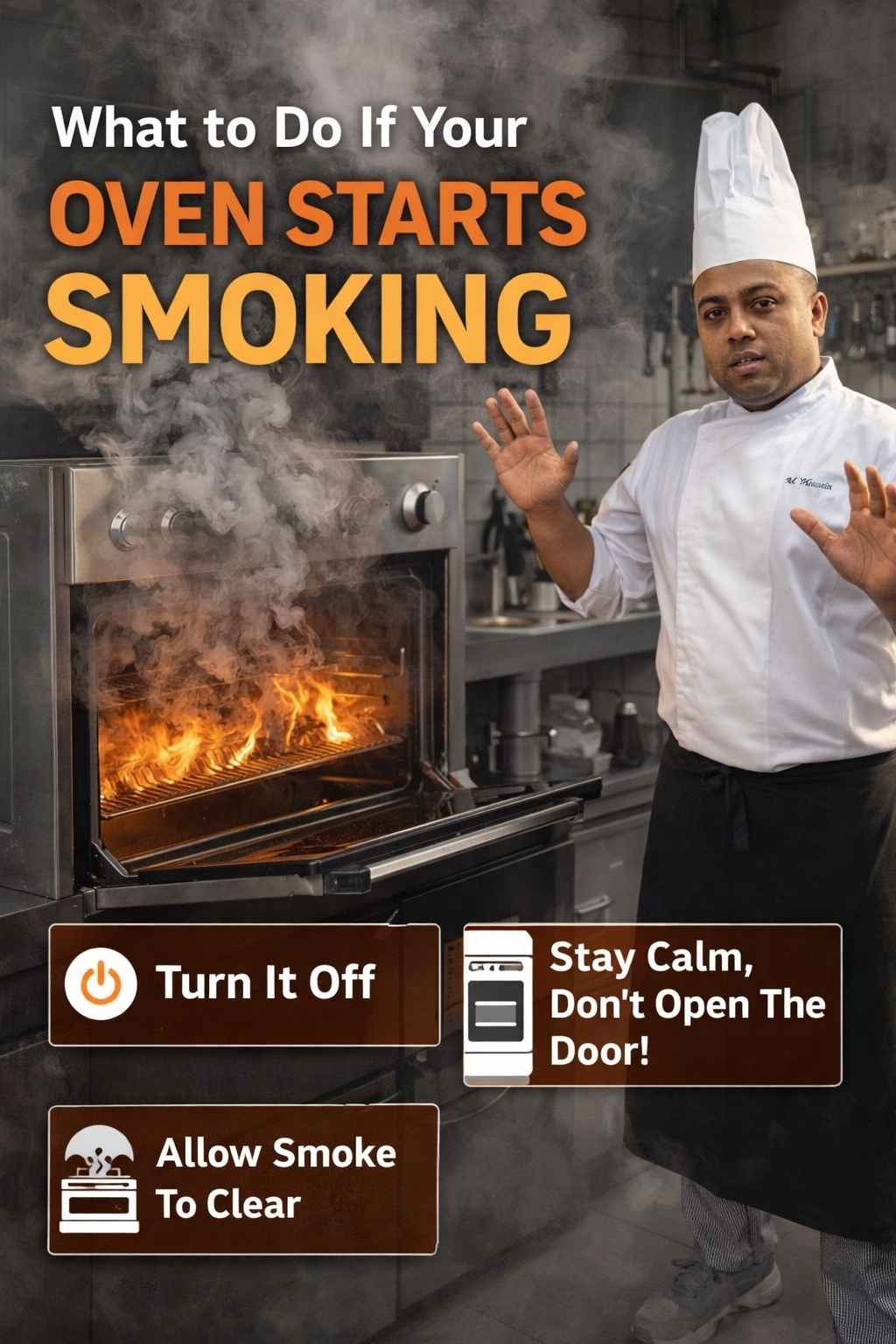
Also — avoid wax paper. I made that mistake once. It smoked up the kitchen and almost ruined dinner.
Can You Cook Nuggets with Other Foods? (Multitask Your Oven)
One Tuesday night, I tried to roast broccoli and bake nuggets on the same tray. Long story short — the nuggets turned soggy, and the broccoli turned into chips. That’s when I realized timing and spacing matter more than I thought.
Cook-Time Conflicts
Frozen chicken nuggets cook fast — usually 12 to 16 minutes at 400°F. But roasted veggies or fries? They often need more time, more space, and sometimes a different temp.
Here’s what I learned (the hard way):
- Don’t toss everything in at once. Start the veggies or fries first, then add the nuggets halfway through.
- Use separate trays if you can — especially if the foods need different textures.
- Nuggets release a bit of moisture as they cook. That steam will soften whatever is next to them.
I once made the mistake of lining up nuggets right next to sweet potato fries. The result? Nugget-flavored mushy fries. Not ideal.
Now I stagger everything. I let the veggies roast for 10 minutes alone, then slide in the nuggets on a second tray — different rack. Works like a charm.
Oven Space & Hot Spots
Not every oven heats evenly. In my Whirlpool oven, the back-left corner always ran hotter. I didn’t notice at first — until half the nuggets were browning too fast while the others looked frozen still.
- I rotate trays halfway through the bake.
- I switch racks if I’m cooking two things at once.
- I always place nuggets on the middle rack and let other stuff take top or bottom.
If I’m using just one tray, I try to keep nuggets toward the center and give them breathing room from veggies or anything greasy. That way, everything gets the right texture.
Sometimes, I’ll even cook the nuggets separately and reheat them during the last few minutes of roasting the rest. They stay crisp that way — and I get less chaos juggling oven temps.
Safe Handling Tips: Post-Oven
Pulling nuggets out of the oven isn’t the finish line. I’ve messed up the last step more times than I’d like to admit — rushing, forgetting, or just getting distracted. These tips help seal in the crunch and avoid common mishaps.
Let Them Sit for 2–3 Minutes
I used to serve nuggets the second I pulled them out — steam still rising, everyone hovering. But they’d burn mouths or lose that fresh-from-the-oven crunch by the time they hit the plate.
Then I started giving them 2–3 minutes of rest.
- The breading sets and firms up.
- Steam escapes instead of getting trapped.
- No more soggy-bottom surprises.
Think of it like resting a steak — same logic, lower stakes (pun intended). The inside settles, and the outside holds its crisp.
I usually just slide the tray onto the stovetop and clean up while they cool. By the time I grab the dipping sauces, they’re perfect.
Don’t Leave Leftovers in the Oven
This one bit me during a late dinner in Florida. I forgot a second tray of nuggets in the warm oven after turning it off. When I remembered — nearly 45 minutes later — they were rubbery and weirdly chewy.
- Warm ovens trap humidity, especially in closed spaces.
- Nuggets lose their crisp and turn soft.
- They also become unsafe if they sit too long above 40°F.
If I’m not serving right away, I move them to a wire rack or plate lined with a paper towel. Keeps the bottom from steaming out. And if they cool down too much? Quick reheat (more on that next).
Now I always double-check the oven before walking away. I’ve forgotten nuggets more times than I’d like to admit.
How to Reheat Leftover Chicken Nuggets in the Oven
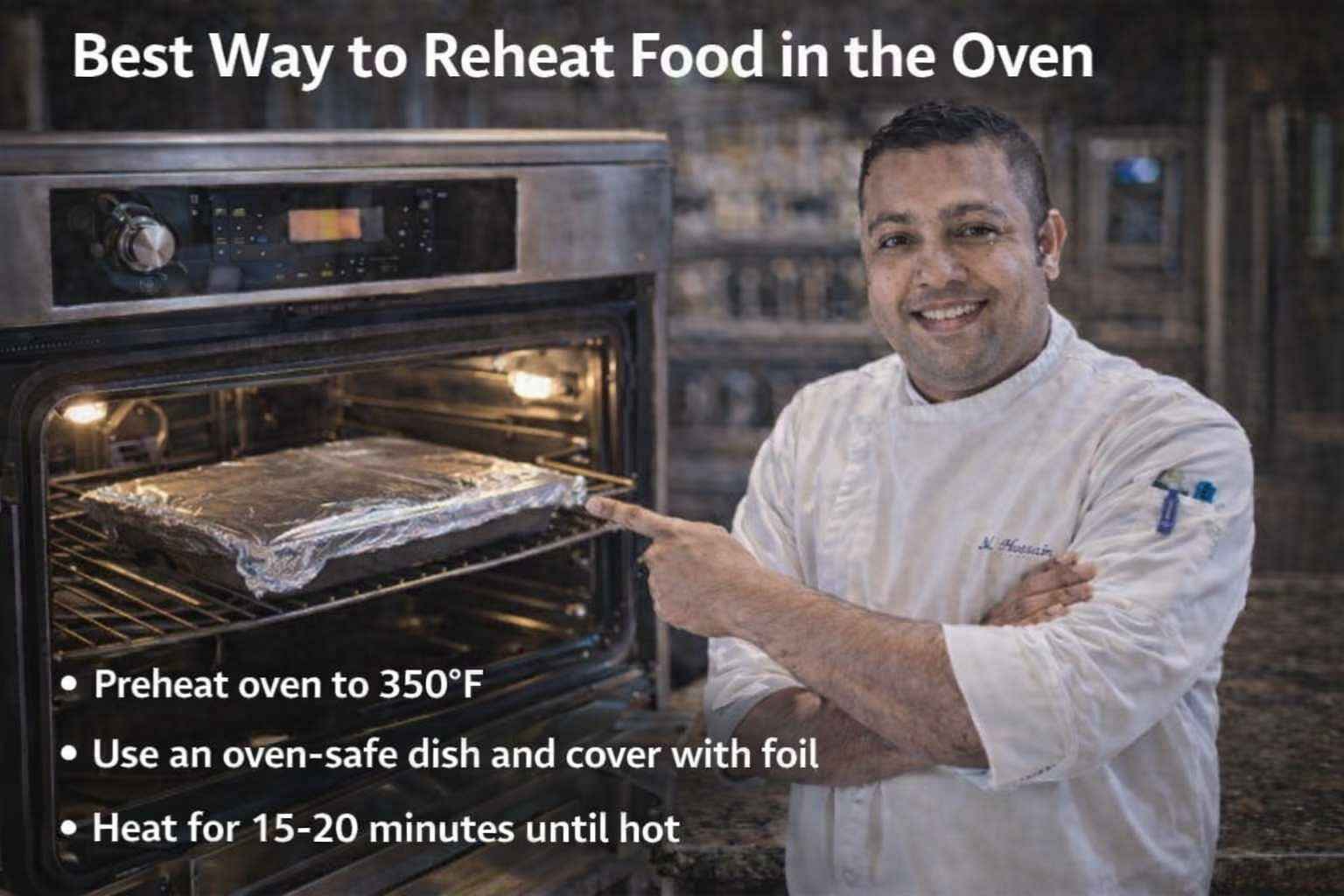
I used to microwave leftover nuggets. Once. Never again. They turned rubbery, weirdly hot in the center, and the breading peeled off in floppy layers. That’s when I started experimenting with oven reheats — and now, I actually look forward to leftovers.
Best Way: 375°F for 5–7 Minutes
After plenty of trial and error, this is what works best in my kitchen:
- Preheat to 375°F
- Spread the nuggets in a single layer
- No foil — just bare pan or wire rack
- Bake for 5–7 minutes
They come out hot, crispy, and not dried out. The coating gets a second life, and the inside stays juicy (well, as juicy as frozen nuggets get).
If I have the time, I let them sit out of the fridge for 5 minutes before reheating. That helps avoid cold centers.
One time I skipped preheating to save time — mistake. The nuggets heated unevenly, and I had to put them back in. Not worth it.
What Not to Do
Let me save you some disappointment.
- Don’t microwave. Even at 50% power, they come out chewy and sad.
- Don’t use broil mode. I tried it once thinking I’d speed things up — I nearly burned the tops while the inside was still cold.
- Don’t reheat more than once. The texture degrades fast. After the second go, they taste like regret.
I’ve also learned to avoid reheating with wet foods on the same tray — like leftover mac and cheese. The steam kills the crisp.
Now, if I make a big batch and know I’ll have extras, I underbake a few by 1–2 minutes the first time around. Then I finish them off during the reheat. Works great.
Common Mistakes to Avoid When Cooking Frozen Nuggets
I’ve made almost every frozen nugget mistake imaginable — usually while hungry and distracted. If it’s happened, I’ve probably burned it, undercooked it, or peeled it off the foil in frustration.
Overcooking by Trusting the Box Instructions
This one got me more than once.
- Box says 425°F for 10–12 minutes? That burned half my nuggets.
- My oven runs hotter — yours might too.
- Now I bake at 400°F and check at 10 minutes, always.
Remember, those instructions are just guidelines. They don’t know your oven, your tray, or that your kid just slammed the oven door mid-bake.
One night I followed the package directions exactly — they looked perfect outside, but the middle was still icy. Ever since, I go by feel and color, not just a timer.
Using Foil Without Spraying It
Oh man. Nothing is worse than pulling off a nugget and leaving the breading stuck to the foil like a skin. I made this mistake so many times in the beginning.
- Always spray foil lightly with oil first.
- Or better yet, use parchment or a wire rack.
- And never skip the spray — even for “nonstick” foil.
The first time I forgot, I lost half the coating. The nugget looked like it had been scraped on a sidewalk. Now I keep an oil spray bottle right next to my pan.
Opening the Oven Too Often
Guilty. I used to check on nuggets every couple of minutes like they were cookies. But every time you open that door?
- You lose 25–50°F of heat
- The bake time resets
- Crispiness suffers
One time during a party night in Phoenix, I kept checking too early, worried they’d burn. Instead, they just dried out slowly from all the temp changes. I learned to trust the process — and the timer.
Now I peek only once, halfway through. Quick check, quick flip (if needed), then close it fast. Nuggets like consistency. They don’t like drama.
Final Thoughts from My (Messy) U.S. Kitchen
Let’s be real — frozen chicken nuggets aren’t fancy. They’re not a five-star meal, and they’ll never win a plating competition. But when the day’s been long, the dishes are already piled high, and you just need something fast and satisfying? Nuggets get the job done.
And if you cook them the right way — golden brown, just the right crunch, piping hot inside — they’re not just good. They’re comforting. Nostalgic. Dare I say… perfect in their own way.
I’ve cooked them in gas ovens, toaster ovens, convection setups, even in the middle of a summer heatwave in Arizona with fans blowing on my ankles. I’ve burned a few, undercooked a few more, and finally found what works best for my rhythm — and my sheet pans.
Whether you’re feeding a crew of hungry kids, snacking after a late shift, or just trying to avoid another Uber Eats order, I hope this guide helped you feel a little more confident (and maybe a little more hungry).
I’m Mossaraof — a professional cook, food blogger, and someone who definitely has a tray of nuggets in their freezer right now. Thanks for spending time with me in the kitchen.
Catch you next meal.
FAQs: How to Cook Frozen Chicken Nuggets in the Oven
How long does it take to cook frozen chicken nuggets in the oven?
It takes 12 to 15 minutes at 400°F. Turn them over at the 7-minute mark. This ensures the breading is crunchy and the meat is hot on both sides.
What is the best oven temperature for chicken nuggets?
Set your oven to 400°F (204°C). This heat makes the outside very crisp. It also warms the center fast without drying out the breaded meat.
Should I thaw the nuggets before I bake them?
No, do not thaw them first. They are meant to be cooked from frozen. This helps the nuggets keep their shape and gives them a better crunch.
How do I make frozen nuggets extra crispy in the oven?
Use a wire rack on top of your pan. This lets hot air hit the top and bottom. It stops the nuggets from getting soft or soggy as they bake.
Do I need to spray the pan with oil?
You do not have to, but it can help. A light spray keeps the breading from sticking. It also adds a nice golden glow to the nuggets as they cook.