
I’lHey, I’m Mossaraof — a professional cook and food blogger. The smell of warm meatballs from the oven always takes me back to cozy home dinners. If you wonder how to cook chicken meatballs in the oven, you are in the right place. I have tested this easy baked chicken meatball recipe many times in my own kitchen. In this guide, I will show simple steps so you can make juicy, tender meatballs with ease.
If you are new to ovens, I also share tips from my favorite guide, The Complete Guide to Using an Oven at Home. Let’s start and make a warm, tasty meal today.
Table of Contents
ToggleWhat Makes Chicken Meatballs Different From Beef or Pork?
Not all meatballs are built the same. I learned that the hard way when I tried swapping ground chicken into my usual beef meatball recipe. Thought I could keep everything the same—same breadcrumbs, same oven temp, same cook time.
Nope. Not even close.
Chicken meatballs are a whole different game. They’re leaner. Softer. A little more delicate. But once you understand how to work with them, they become one of the easiest and most forgiving proteins you can bake.
Chicken’s Lower Fat = Faster Cooking, Easier Drying
One of the first things I noticed: chicken meatballs cook faster than beef. A lot faster.
That’s because ground chicken—especially the common 93/7 mix—doesn’t have the fat content that beef or pork does. Less fat means less cushion. If you go just 3–5 minutes too long in the oven, you might end up with dry, rubbery bites instead of juicy flavor bombs.
Now I always set a timer. Always.
Here’s what I do to lock in moisture:
- Add one egg per pound of meat
- Use grated onion or a splash of milk
- Mix in panko breadcrumbs to hold it all together
- Don’t overbake — I always check early, especially if I’m using a convection oven
And of course, a meat thermometer is my safety net. 165°F internal temp is my finish line. No guesswork, no dry surprises.
The Texture Factor — Sticky, Not Firm
If you’ve ever tried to roll chicken meatballs with your hands and thought, “Why is this so sticky and gross?”—you’re not alone.
I had that exact moment in a hot Florida kitchen. My hands were sweaty, the mix was mushy, and everything clung to my fingers like glue.
Here’s the truth: ground chicken isn’t supposed to feel firm like beef. That sticky texture is normal. It’s soft because there’s less connective tissue and fat.
What helped me?
- Using a medium cookie scoop instead of hand-rolling
- Lightly oiling my scoop or spoon
- Keeping the mix cold — sometimes I chill it for 10 minutes before shaping
And I don’t overmix. Once everything’s combined, I stop. No kneading, no mashing. Just fold gently with a spatula until it’s combined, then shape and bake.
Flavor Absorption and Seasoning Strategy
Here’s where chicken shines—it absorbs flavor like a sponge. Whatever you season it with becomes the star.
My go-to blend is garlic, parsley, parmesan, salt, pepper, and a little Italian seasoning. But I’ve also gone rogue:
- Taco-style: chili powder, cumin, lime zest, crushed tortilla chips
- Asian-style: ginger, soy sauce, scallions, and sesame oil
- Mediterranean: feta, oregano, lemon, and fresh mint
Once I even did a buffalo chicken meatball batch with hot sauce and blue cheese crumbles mixed in. It was messy. It was weird. But it worked.
And that’s kind of the point—chicken meatballs are flexible. If you’re tired, or just working with pantry scraps, you can make something good happen.
How to Make Ground Chicken Meatballs in the Oven
Here’s where the magic happens. This is my go-to method—messy apron, 400-degree oven, and all. It’s fast, forgiving, and I promise, the cleanup is painless.
I usually make these when I’m low on energy but still want something that feels homemade. Tuesday night, fridge half-full, and everyone’s asking, “What’s for dinner?”
This is what’s for dinner.
Ingredients You’ll Need
This is what I grab from my kitchen when I’m making a standard batch of chicken meatballs. You can tweak as needed, but this mix has never let me down.
- 1 pound ground chicken (93/7 is my sweet spot—lean but not too dry)
- 1 egg (for binding)
- 1/3 cup panko breadcrumbs (adds structure and crisp edges)
- 1/4 cup grated parmesan (flavor and moisture)
- 1 small grated onion or 2 tbsp onion powder
- 2 cloves garlic, minced
- 1 tsp salt
- 1/2 tsp black pepper
- Optional: chopped parsley, red chili flakes, lemon zest, whatever’s in the drawer
I’ve even added a handful of shredded zucchini once when I needed to stretch it for more people. They turned out super juicy.
Step-by-Step Method
This is how I make them — no fancy prep bowls, no unnecessary gadgets.
- Preheat your oven to 400°F.
If you’re using convection, I go 375°F and shorten the time a bit. - Line a baking sheet with parchment paper or foil.
No sticking. No scrubbing. - In a big bowl, gently mix everything.
I use a spatula, not my hands. Less mess, less overmixing. - Scoop into 1.5-inch balls using a cookie scoop or spoon.
You want them all about the same size so they cook evenly. - Space them out on the tray — don’t let them touch.
- Bake for 20–22 minutes or until internal temp hits 165°F.
- Broil for 1–2 minutes (optional) if you like crispy tops.
That’s it.
Once I get them in the oven, I usually take those 20 minutes to toss together a salad, heat up some marinara, or just sit down for a minute.
Because some nights, I just need to win dinner without burning out.
U.S. Kitchen Tips for Real-Life Prep
A few tools I always rely on when making these in my own kitchen:
- OXO medium cookie scoop – makes portioning fast and even
- Nordic Ware sheet pans – they heat evenly and don’t warp at high temps
- Reynolds parchment paper – game changer for cleanup
- ThermoPro meat thermometer – never overcook again
Sometimes I prep the mix earlier in the day, cover the bowl, and let it chill in the fridge until I’m ready to shape. It firms up and holds together better.
Other times I wing it with warm hands and a messy counter.
Both ways work.
How Long to Bake Chicken Meatballs in Oven (By Temp)
This part took some real testing. Different ovens, different days, different moods. Sometimes I’m trying to crisp them fast before a football game. Other times I want them soft and juicy for pasta night.
I’ve baked chicken meatballs at just about every temp—mostly out of desperation. Here’s what I learned.
Baking at 375°F
If you’ve got time and want super tender meatballs, go with 375°F.
They bake up soft in the center with light browning on the outside. I use this temp when I’m pairing them with pasta and sauce, or if I want to keep things extra moist.
- Cook time: 25 to 27 minutes
- Texture: Juicy and soft
- Great for: Meal prep, pasta dishes, kids’ dinners
Tip: At this temp, I always line the tray with parchment and rotate it halfway through. Keeps the bottoms from getting too dark.
Baking at 400°F
This is my sweet spot. Not too slow. Not too aggressive.
If anyone asks me how long to bake chicken meatballs in oven at 400, I say 20 to 22 minutes—on the dot. They come out golden on the outside, cooked through but still juicy.
- Cook time: 20 to 22 minutes
- Texture: Balanced — crisp edges, moist inside
- Great for: Everything. It’s my default.
I usually bake at 400°F when I’ve got company coming and I want them to look a little fancy without the stress. Pair them with rice, salad, pasta, or even toothpicks and dipping sauce.
Baking at 425°F
Okay, so this is my “I forgot to start dinner” temp.
When I’m in a rush and people are already asking, “Is it ready yet?”, I crank the oven to 425°F and throw the tray in.
But this temp needs watching.
They brown fast. You’ll get crispier edges, especially if you broil them briefly at the end, but it’s easy to dry them out if you lose track of time.
- Cook time: 17 to 19 minutes
- Texture: Toasty, caramelized, slightly drier
- Great for: Appetizers, BBQ-sauced versions, crispy cravings
I usually check these at 15 minutes, just to be safe.
Bonus – Broil Finish (Optional but Glorious)
Sometimes I take the tray out, squint at it, and think… “Needs a little something.”
That’s when I flip the broiler on.
If you want golden tops and slightly crispy bites, broil them on high for 1–2 minutes. Watch like a hawk. They go from golden to burned in seconds.
Broiling is especially good when:
- You’re glazing with sauce (like BBQ or teriyaki)
- You want extra browning for appetizer-style meatballs
- You’re serving them without sauce and want that texture pop
How Do I Know When Chicken Meatballs Are Done?
I’ve second-guessed myself more times than I can count when baking chicken meatballs. They look done… but are they?
I used to poke one open with a knife, then panic when I saw a tiny bit of pink. Other times, I overbaked just to be safe, and they ended up dry and tough.
Eventually, I stopped guessing. Here’s what I do now—and it works every time.
Use a Meat Thermometer (Trust Me)
This is the #1 way I know chicken meatballs are fully cooked. It’s also how I avoid drying them out.
I use a basic ThermoPro digital thermometer (under $20 at Target or Amazon), and I check the biggest meatball in the center of the tray.
- Target internal temp: 165°F
- Insert the probe straight into the middle, not touching the pan
I usually check at the 18-minute mark if I’m baking at 400°F. If they’re at 160°F, I give them another 2 minutes and check again.
No more guessing. No more surprises.
The Finger-Poke Trick (Quick Test)
If you don’t have a thermometer handy—and I get it, sometimes it’s buried in a drawer—you can try the bounce test.
Gently press a meatball with a spoon or tongs:
- If it feels soft and mushy, it’s not ready yet
- If it bounces back with a little resistance, you’re in the zone
- If it’s rock-hard, yeah… you went a bit too far (been there)
This trick’s not perfect, but it works in a pinch.
Juices Should Run Clear
This one’s old-school but still solid.
I slice one meatball right in half—usually the fattest one on the tray—and check the inside.
- The juices should be clear, not cloudy or pink
- The center should be white and steaming, not raw-looking
Sometimes chicken meatballs have a slightly pink tint even when fully cooked. That’s normal if you’ve added things like grated onion or certain seasonings. Go by texture and temp, not just color.
What I Stopped Doing
- I stopped relying on the oven timer alone. Every oven’s a little different.
- I stopped assuming they’d be done just because they “looked” golden.
- I stopped winging it on busy nights. That’s how I ended up with dry, sad meatballs once before a family dinner.
Now, I go by internal temp first, then texture. Makes life easier—and the meatballs better.
Best Ways to Serve Oven-Baked Chicken Meatballs
Here’s my favorite part: eating them.
By the time the tray hits the counter, the smell alone has already drawn everyone into the kitchen. And depending on the day, I either go full comfort-food mode… or just grab a few with a fork and eat them straight off the tray. No shame.
These meatballs work for more than just pasta night. Here’s how I’ve served them in real life—busy weeknights, lazy Sundays, and last-minute potlucks included.
Classic Spaghetti + Red Sauce
This is a crowd-pleaser. And it’s the reason I keep a jar of Rao’s in the pantry at all times.
I toss the baked chicken meatballs into a saucepan with marinara (sometimes homemade, but honestly? Usually store-bought), and let them simmer for 5 minutes while I boil pasta.
- Sprinkle with shaved parmesan
- Add some fresh basil if I’m feeling fancy
- Garlic bread on the side = full dinner win
These meatballs soak up sauce like crazy, so I always make a few extra.
BBQ Glazed + Cornbread
I’ve done this on nights when I didn’t want Italian vibes. I brush the chicken meatballs with Sweet Baby Ray’s during the last 5 minutes of baking, then serve them with:
- Warm cornbread (Jiffy box mix is perfect)
- A side of coleslaw or steamed green beans
- Maybe some pickles if I want tang
It feels Southern-inspired without being heavy. Great in warm-weather kitchens or when you’re trying to break out of the pasta cycle.
Meal-Prep Bowls
I’ve packed these meatballs in so many lunch containers it’s not even funny.
Usually, I start with a base of:
- Cooked white or brown rice
- Roasted veggies (broccoli, zucchini, red pepper — whatever’s leftover)
- A drizzle of tahini sauce or tzatziki on top
They hold up great for 3–4 days in the fridge. I reheat in the toaster oven so they stay crisp. It beats any sad deli sandwich, I’ll tell you that.
Buffalo-Style Appetizer
I discovered this during football season. The guys were coming over, and I didn’t have wings—but I had chicken meatballs.
So I tossed a baked batch in:
- 2 tablespoons of Frank’s RedHot
- 1 tablespoon of melted butter
- Served them with toothpicks, celery sticks, and a side of ranch
They were gone in under 10 minutes.
Pro tip: If you’re doing this, bake the meatballs at 425°F so they get a little crust, then toss and broil for 1–2 minutes after saucing. They get slightly charred on the edges—so good.
How to Cook Aidells Chicken Meatballs in the Oven (Pre-Cooked Shortcut)
Let’s be real—some nights I don’t have the energy to mix, scoop, or even think about raw meat.
That’s when Aidells chicken meatballs come in. They’re fully cooked, come in different flavors, and honestly? They’ve saved dinner more than once in my house.
I keep a pack in the freezer or fridge at all times—just in case.
What Are Aidells Chicken Meatballs?
If you haven’t tried them, they’re pre-cooked chicken meatballs sold in grocery stores across the U.S.—I’ve picked them up at:
- Costco (bulk packs = freezer stash)
- Target
- Whole Foods
- Kroger or Publix, depending on where I am
They come in different flavors like:
- Teriyaki & Pineapple
- Italian Style with Mozzarella
- Carmelized Onion
- Spicy Mango Jalapeño (a little wild, but fun)
They’re gluten-free, no weird fillers, and pretty flavorful on their own. You can eat them straight out of the package… but I like them better warmed through and slightly browned in the oven.
Reheating in the Oven
Here’s my go-to method that keeps the texture nice without drying them out:
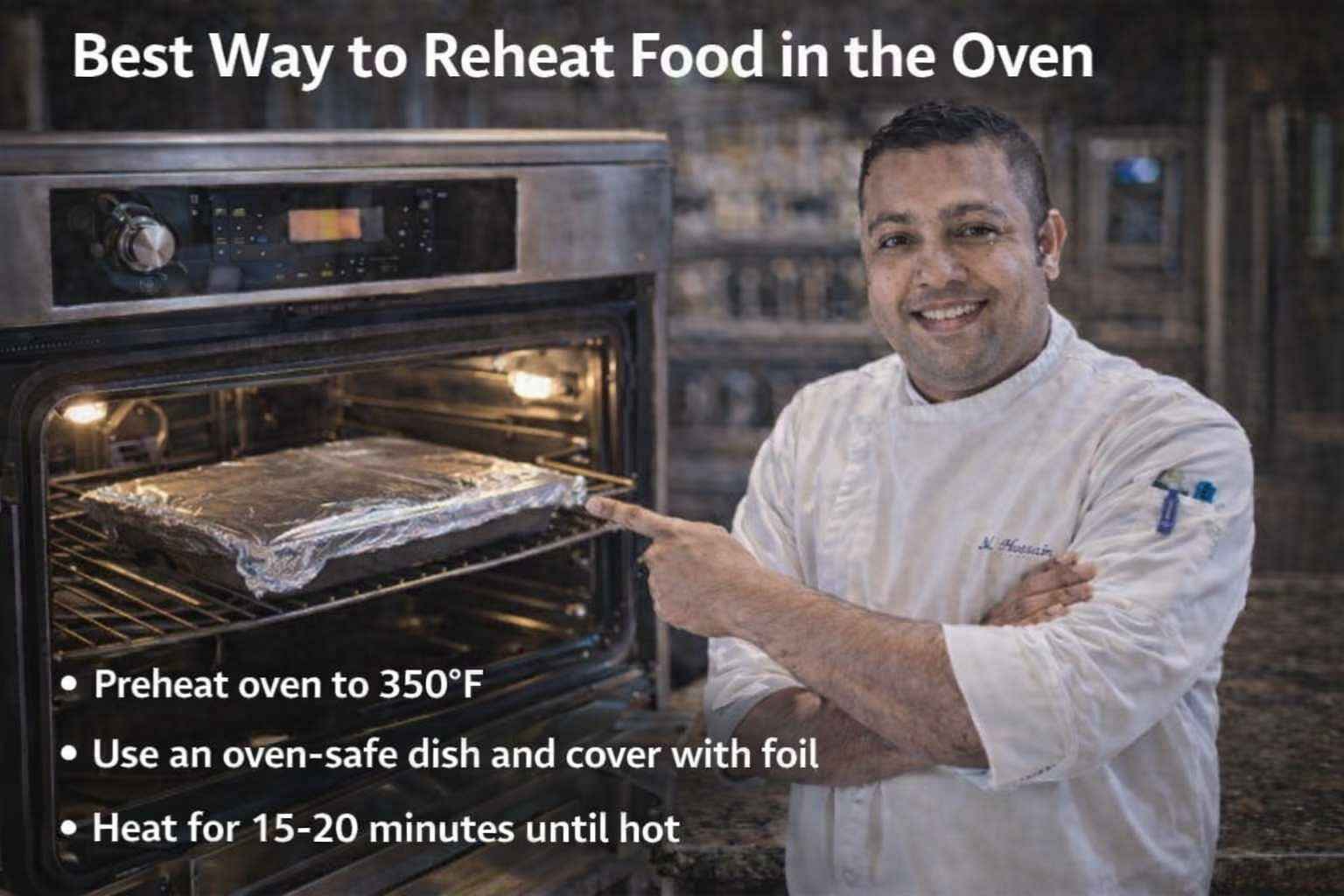
- Preheat your oven to 375°F
- Line a baking sheet with foil or parchment
- Spread the meatballs in a single layer — don’t crowd them
- Bake for 12–14 minutes until heated through
- Optional: broil for 1–2 minutes for extra browning
If I’m pulling them straight from the fridge, 12 minutes usually does it. From frozen, I give them a few extra—more like 17–18 minutes.
I always give one a test bite before serving. And yeah, sometimes I snack on one while plating the rest. They’re that easy.
Flavor-Up Ideas
Even though they’re pre-seasoned, I still like to dress them up.
Here’s how I’ve served them:
- Teriyaki meatballs: Tossed in a little extra soy sauce and sesame oil, served with jasmine rice and stir-fried green beans
- Italian style: Added to marinara and mozzarella, then baked 5 more mins in the oven — boom, meatball parm
- Spicy mango version: Skewered with pineapple chunks for a quick party tray
You don’t need to reinvent the wheel. These are for the nights you just need to eat something warm without getting flour on your shirt or meat juice on your hands.
No shame in the shortcut game. I’ve leaned on Aidells plenty of times when life got busy.
Mistakes I’ve Made With Oven Chicken Meatballs (So You Don’t Have To)
Look, I’ve made some rough meatballs.
Rubbery ones. Bland ones. Meatballs that stuck like cement to the tray. I’ve learned most of these lessons the hard way—usually after a long day when dinner really needed to work.
Let me save you the frustration.
Overmixing = Tough Meatballs
This one got me early on. I used to mix like I was making bread dough—pressing, folding, smashing everything until it looked smooth and firm.
Bad idea.
Ground chicken doesn’t like being overworked. The more you mix, the tighter and drier the meatballs get.
What I do now:
- Mix just until combined
- Use a rubber spatula, not my hands
- If I’m adding cheese or herbs, I fold them in after the main mix
They turn out way softer and juicier when I leave them alone.
Baking Directly on Metal = Dry Bottoms
I’ve scorched more than one batch by skipping the parchment paper.
Chicken meatballs have less fat than beef. That means they don’t release much oil while cooking, so if you put them straight onto a bare baking sheet… they brown too fast underneath and get dry.
What I do instead:
- Always line the pan with parchment or foil
- Sometimes I use a wire rack to elevate them, especially if I want them crispier all around
- Or I lightly oil the foil if I’ve run out of parchment (but parchment is still better)
Don’t underestimate how much difference that thin sheet makes.
Making Them Too Big
I once made baseball-sized chicken meatballs thinking bigger = better. Spoiler: the outsides were dry and the centers were raw.
Now I keep them around 1.5 inches max—like golf balls. That way:
- They cook evenly
- They finish faster (which matters when you’re starving)
- You get more crispy surface area per bite
Plus, they fit better in sauce, bowls, or lunch containers.
Skipping the Thermometer
I winged it for years. Sometimes I undercooked. More often, I overcooked out of fear.
Then I finally bought a digital thermometer.
Now I check the largest meatball at the 15–18 minute mark, depending on the temp I’m using. When it hits 165°F, I’m done. I don’t wait a minute longer.
No more rubbery meatballs. No more stress.
FAQs: How to Cook Chicken Meatballs in the Oven
How long does it take to cook chicken meatballs in the oven?
It usually takes 15 to 20 minutes at 400°F. Use a meat thermometer to check that the internal temperature reaches 165°F for safe, juicy results every time.
Can I bake frozen chicken meatballs without thawing them?
Yes, you can cook them straight from the freezer. Add 5 to 10 minutes to your total baking time. Ensure they are hot all the way through before you serve them to guests.
How do I stop my chicken meatballs from getting too dry?
Do not overmix the meat. Add a little olive oil or milk-soaked breadcrumbs to the mix. This keeps the chicken moist and tender while it roasts in the hot oven.
Should I turn the meatballs over while they are baking?
You do not have to, but flipping them halfway helps. It ensures they get a golden brown crust on all sides. This gives your chicken meatballs a better look and texture.
What is the best way to tell if the meatballs are done?
The best way is to use a digital scale or thermometer. Look for a reading of 165°F. The juices should run clear, and the centers should no longer look pink or raw.