
IHey, I’m Mossaraof — a professional cook and food blogger who loves turning simple cuts into warm, home-style meals.
If you have ever wondered how to cook chicken gizzards in the oven, you are not alone. I still smile when I think of the first tray I baked at home. The smell was rich and warm. The bites were soft and full of spice.
Over the years, I have tested many easy oven baked chicken gizzards recipes in my kitchen. I learned small tricks that make tough gizzards turn soft and tasty. If you are new to ovens, you can also see The Complete Guide to Using an Oven to feel more sure before you start.
In this guide, I will show you how to cook chicken gizzards in the oven step by step with simple tips and a quick spice mix. Let’s get the oven hot and make a dish you will want to cook again.
Table of Contents
Toggle🥄 What Are Chicken Gizzards, Anyway?
This part is for you if you’re staring at the pack like I once did, wondering, “Is this something I’m actually supposed to eat?”
I felt the same way.
🧠 So, what even is a gizzard?
A gizzard is a small, muscular organ in a chicken’s digestive tract. It works like a grinder — helping the bird break down food. It’s meaty, a little chewy, and kind of like if dark meat had a firm, bouncy cousin.
When cooked right, it’s:
- savory
- satisfying
- slightly chewy (but not rubbery)
Honestly, I now treat gizzards like dark meat bites. I roast them until they crisp up a little, then toss them in hot sauce, BBQ rub, or just eat them plain with a cold soda.
🍴 Why do people in the U.S. cook gizzards?
Gizzards have deep roots in Southern and soul food kitchens across the U.S. You’ll find them:
- fried and sold hot in gas stations
- tucked into giblet gravies at Thanksgiving
- simmered low and slow for Sunday suppers
I’ve had crunchy fried gizzards in Alabama that made me question everything I thought I knew about chicken. But honestly? I prefer the oven version — less mess, still loaded with flavor.
Next up, I’ll tell you why the oven is perfect for gizzards — especially in a real-world American kitchen where we don’t always have deep fryers sitting on the counter.
🔥 Why the Oven Is Perfect for Gizzards
It took one smoky stovetop disaster for me to realize the oven was my new best friend.
I’d tried pan-frying gizzards once, in a shallow pool of oil, thinking I could get them crispy fast. Instead, I got oil splatter on my cabinets, a half-burnt batch, and a kitchen that smelled like fried shoe leather. Not my finest moment.
That’s when I gave the oven a shot. Total game-changer.
💡 Dry Heat + Time = Perfect Texture
The thing with gizzards is they need time. You can’t rush it.
That firm, almost rubbery texture people complain about? That’s what happens when you don’t cook them long enough — or fast fry them without tenderizing.
But when I started baking them at 375°F to 400°F, I got this magical combo:
- crisp, browned edges
- a tender inside with a light chew
- no splatter, no stress
It felt like cheating, honestly. All I did was toss them in oil and seasonings, lay them out on a tray, and walk away.
I even used the convection setting once in a friend’s newer Whirlpool oven — it sped things up and gave a beautiful finish. But even in my old GE electric oven, they turned out great.
🧼 Less Mess, More Flavor
You know what I don’t miss?
That greasy layer on my counters after pan-frying.
Baking gizzards is:
- easier to clean up (especially with parchment or foil)
- way healthier (I use a light olive oil spray)
- less hands-on (no babysitting the pan)
When I’m meal-prepping or cooking late on a weeknight, I don’t want to stand over a skillet. I want to sip my tea, throw on some music, and let the oven do its thing.
🇺🇸 Real-Life U.S. Kitchen Tested
I’ve tried this method in:
- a cramped Chicago apartment (barely had counter space)
- my friend’s Florida rental during peak humidity (no way was I deep frying in that heat)
- my own oven during Midwest winters (cozy and efficient)
It worked every time. I don’t say that lightly.
Next, I’ll walk you through the tools and ingredients that make the process even smoother — nothing fancy, just what I actually use in my kitchen.
🛒 What You’ll Need (Tools + Ingredients)
Let’s keep it simple. You don’t need a gourmet setup to make oven-baked gizzards taste amazing.
I’ve cooked these in everything from a full-size convection oven to a countertop toaster oven in a friend’s RV. As long as your oven holds steady heat, you’re good to go.
🔪 Tools I Actually Use in My Kitchen
I’ve tried baking gizzards on bare pans, foil, and even inside a Staub Dutch oven once (don’t recommend — too crowded). Here’s what actually works:
- Sheet pan or cast iron skillet
I switch between my old Lodge skillet and a rimmed baking sheet depending on how crispy I want them. - Oven thermometer
I learned the hard way that my old GE ran 25°F cooler than it said. Totally threw off cook times. Now I use a $10 thermometer every time. - Tongs or slotted spoon
Makes flipping cleaner. Especially once the juices start sizzling. - Foil or parchment paper
Keeps cleanup minimal. I usually use parchment unless I want super-crisp bottoms — then it’s foil. - Optional: Wire rack
Great if you want airflow underneath. I don’t always use it, but when I do, the edges get extra golden.
🧂 What’s Going in the Bowl
My spice drawer’s seen it all. But when I’m making gizzards, I tend to keep it old-school and pantry-based.
For Classic Roasted Gizzards:
- 1 to 2 lbs of chicken gizzards (fresh or thawed)
- Olive oil or melted butter
- Salt and black pepper
- Garlic powder
- Paprika or smoked paprika (adds color + kick)
- Optional: onion powder, dried thyme, cayenne
I eyeball most of these — I like to coat the gizzards just enough so they glisten but don’t drown.
For Breaded Versions:
- All-purpose flour
- Cornstarch (helps with crispiness)
- Seasonings above, plus a little oregano or chili powder
- Egg wash or buttermilk bath
For Dog-Friendly Gizzards:
- Just the gizzards
- Maybe a drizzle of olive oil
- No salt or spices — plain and safe
I usually do a quick batch for my friend’s dog while I’m prepping mine. Two trays, one oven, everyone’s happy.
Coming up next: how I clean and prep gizzards before baking. (Don’t skip this — trust me, I did once… and regretted it.)
🧽 How to Clean and Prep Gizzards Before Cooking
If you’ve never handled raw gizzards before, I’ll be honest — they look a little… strange.
The first time I opened a pack, I stared at the contents and actually said out loud, “Am I really doing this?” But once I got over the visual, it was easy. Cleaning gizzards takes five minutes, tops — and it makes all the difference in how they cook.
🚿 Cleaning Chicken Gizzards: Step-by-Step
I like to do this part early, toss on a playlist, and knock it out like a mini kitchen ritual.
Here’s how I prep them:
- Rinse in cold water
I dump the gizzards into a colander and run cold water over them, using my hands to separate any stuck pieces. - Trim excess fat or silverskin
Some come pre-trimmed, but most have a little yellowish fat or slippery connective tissue. I grab a small paring knife and snip it off — doesn’t have to be perfect. - Pat them dry
This step is key. I use paper towels to blot them dry so the oil and seasoning actually stick — and so they roast instead of steam in the oven. - Optional: Cut large ones in half
If I notice any that are huge (they sometimes are), I slice them in half for even cooking.
That’s it. It’s not glamorous, but it’s quick. And after that, you’re ready to season them or toss them in flour, depending on which recipe you’re going with.
❄️ Fresh vs Frozen Gizzards
I’ve cooked both, and here’s what I’ve found:
- Fresh gizzards (from the butcher or meat section) are easier to prep — no thaw time, less water content, better texture.
- Frozen gizzards work just fine too — but make sure they’re fully thawed and drained before seasoning.
I usually thaw frozen packs overnight in the fridge or, if I’m short on time, in a bowl of cold water for about 1 hour. Just don’t microwave-thaw them. I tried that once. Never again.
Next up: I’ll walk you through my go-to method — classic roasted chicken gizzards in the oven. This is the version I make the most when I want a crisp, flavorful bite without frying.
🍗 Method 1: How to Cook Chicken Gizzards in the Oven (Classic Roasted)
This is the version I make when I don’t want to think too hard. Just gizzards, seasoning, a hot oven — and boom. Crispy edges, soft chewy centers.
I’ve made these late on a Monday night when I had nothing defrosted but a pack of gizzards and a stale bag of rice. Still turned out amazing.
Here’s exactly how I do it.
🕒 Step-by-Step: My Go-To Oven Gizzard Recipe
Step 1: Preheat Your Oven to 375°F (or 400°F if you like crispier edges)
I usually go with 375°F in my regular electric oven. But if I’m using a convection oven or I want extra browning, 400°F is my sweet spot.
Pro tip: If you’ve never checked your oven temp with a thermometer, do it. Some ovens run hot or cool. I’ve had both — and they’ll mess with your cook time.
Step 2: Season the Gizzards
I toss about 1.5 pounds of cleaned gizzards in a big bowl with:
- 1–2 tablespoons olive oil
- 1 teaspoon salt
- ½ teaspoon black pepper
- 1 teaspoon garlic powder
- ½ teaspoon smoked paprika
- Optional: pinch of cayenne or thyme
I don’t measure exactly every time — I eyeball it. The goal is to lightly coat them so they roast, not steam.
Step 3: Arrange on a Baking Sheet
I line a rimmed sheet pan with foil or parchment for easy cleanup. Then I spread the gizzards out in a single layer — not touching.
Sometimes I use a wire rack on the tray to let the heat hit all sides. It gives crispier results, but it’s not required. I skip it when I’m tired or don’t want extra dishes.
Step 4: Bake for 45–60 Minutes
This part depends a bit on your oven and how thick your gizzards are.
Here’s how I time it:
- Bake for 25 minutes, then flip each one with tongs
- Return to the oven for another 20–30 minutes
- Look for browning around the edges and a slight puffiness
If you’re not sure, cut into one — it should be fully cooked but not dry. Think: firm but juicy.
Step 5: Let Them Rest (Optional but Worth It)
I leave the tray on the stovetop for 5–10 minutes before serving. It helps the juices settle, and the outsides crisp up a little more.
I usually serve these:
- over white rice with hot sauce
- in a pita with chopped lettuce and garlic mayo
- straight from the pan with a cold soda (don’t judge)
And yes, they reheat beautifully — I’ll cover that in a later section.
Up next: how to cook chicken gizzards and hearts in the oven (because combo packs are common, and hearts cook differently).
🍽️ Method 2: How to Cook Chicken Gizzards and Hearts in the Oven
One day I bought a big family pack labeled “gizzards and hearts” — didn’t even read it closely. Opened the bag, and surprise: half of them were little chicken hearts.
At first, I wasn’t sure if I could bake them the same way. Spoiler alert — you can. You just have to adjust for timing.
🧠 What’s Different About Chicken Hearts?
Chicken hearts are much smaller and more tender than gizzards. They cook faster, and they can dry out if you leave them in the oven too long.
Texture-wise:
- Gizzards are meaty and firm
- Hearts are softer, with a slight chew but more delicate
So when baking them together, you’ve got two options — and I’ve tested both.
👨🍳 Option 1: Cook Everything Together, Remove Hearts Early
This is what I do when I’m feeling lazy. And honestly? It works.
Here’s how I make it:
- Preheat oven to 375°F
- Clean and prep gizzards and hearts the same way (rinse, trim, pat dry)
- Toss all in oil + seasoning mix (like I do in the classic roasted recipe)
- Spread on a baking sheet — try to keep gizzards and hearts grouped separately
Timing:
- Bake 25 minutes, then open the oven
- Check the hearts — if they’re browned and slightly firm, remove them
- Flip the gizzards and keep them baking for another 20–30 minutes
The hearts turn out super flavorful — kind of like little meaty nuggets. I like to snack on them while the gizzards finish up. No shame.
👨🍳 Option 2: Bake Hearts Separately at Lower Temp
If I want to really focus on the hearts (or impress someone with a fancy-looking meal), I bake them on their own at 350°F for 25–30 minutes.
They come out tender and juicy, perfect over salad or tucked into a wrap with garlic sauce. One time I tossed them with leftover chimichurri and served them with roasted potatoes — huge hit.
🍴 How I Serve the Combo
This is one of those meals where I don’t need to be fancy. I usually pile them over rice with a splash of:
- hot sauce
- BBQ sauce
- or garlic yogurt (sounds weird, tastes amazing)
But I’ve also tossed them into:
- pita bread with lettuce and tahini
- warm tortillas with pickled onions
- meal prep bowls with roasted veggies
They’re versatile. And cheap. And filling. Perfect for real-life American weeknights when I don’t feel like cooking something from scratch.
Coming up next: the dog version! Yep — how I make chicken gizzards in the oven for pups (no salt, just simple, chewy goodness).
🐶 How to Cook Chicken Gizzards in Oven for Dogs
Okay, this one started as a favor for a friend — but now I make these almost every month.
Their golden retriever, Max, was having digestion issues and the vet suggested trying organ meats like chicken gizzards. “But bake them, don’t fry them,” they told her.
Guess who got volunteered to figure out the oven method? Yep. Me.
Now Max practically jumps into the fridge whenever he smells gizzards cooking. And honestly? It’s so easy.
✅ Why Gizzards Are Great for Dogs
Before I get into the how, here’s why they work so well (according to the vet and my own research):
- High in protein, iron, and B vitamins
- Natural source of glucosamine, which helps with joint health
- Affordable — especially if you find bulk packs at Walmart or Costco
🐾 My Method: Plain Baked Chicken Gizzards for Dogs
This version skips the seasoning and keeps it gentle on sensitive tummies.
What I use:
- 1 lb of chicken gizzards (fresh or frozen-thawed)
- A drizzle of olive oil (optional — helps keep them moist)
- No salt, no spices, nothing fancy
Step-by-step:
- Preheat oven to 350°F
I go a bit lower here than for human gizzards. Keeps them softer and gentler. - Clean and trim gizzards
Same method I use for mine — rinse, trim fat, pat dry. - Lightly oil (optional)
Sometimes I skip this, but a teaspoon of olive oil helps them stay juicy. - Bake for 45–50 minutes
I spread them out on a parchment-lined sheet. They’ll firm up but not get tough. - Cool completely
Don’t serve them warm — I let them sit until they’re cool to the touch. Max has zero patience, but I make him wait.
🐾 Bonus: Homemade Gizzard Dog Treats (Dehydrated Style)
If you want to go all out (or just have leftovers), you can make crunchy treats.
Here’s how I do it when I have time on the weekend:
- Bake at 200°F for 2.5 to 3 hours
- Flip halfway through for even drying
- Let them cool completely, then store in an airtight jar
They keep in the fridge for about a week, or longer in the freezer.
I even brought a batch to the dog park once — now I’m “the gizzard guy.” Not how I expected my culinary skills to be recognized, but I’ll take it.
Next up: my crunchy version — breaded chicken gizzards in the oven. If you want crispy bites that feel like fried but use zero deep oil, don’t miss the next section.
🧂 How to Make Breaded Chicken Gizzards in the Oven
This one’s my comfort food move. When I’m craving something crunchy but don’t want to deal with frying — this breaded gizzard method hits the spot.
It’s crispy, golden, and oven-baked. No bubbling oil, no grease smell in your clothes, no cleanup panic.
The first time I tried this, I was aiming for “fried chicken energy” but didn’t feel like pulling out my Dutch oven or cleaning up splattered flour from the counters. So I experimented — and it worked better than expected.
🧄 What You’ll Need (Breaded Version)
I like to keep it simple and flavorful — Southern-inspired, but baked.
For the dredge:
- 1 cup all-purpose flour
- 2 tablespoons cornstarch (helps crisp things up)
- 1 teaspoon paprika (or smoked paprika)
- ½ teaspoon garlic powder
- ½ teaspoon onion powder
- Salt and pepper to taste
For the wet dip:
- 1 egg
- 2 tablespoons milk or buttermilk
- Optional: hot sauce splash (I add this when I want a little kick)
You’ll also need:
- Cleaned chicken gizzards (1–1.5 lbs)
- Olive oil spray or melted butter for misting the tops
- A wire rack and baking sheet setup — this is the secret to oven crisp
🧑🍳 Step-by-Step: Breaded Oven Gizzard Recipe
1. Preheat oven to 400°F
Higher temp = better crunch. Trust me.
If you’ve got convection mode, this is the time to use it. Otherwise, regular bake is totally fine — just flip for even crispiness.
2. Set up your dredging station
- One bowl for the flour mix
- One bowl for the egg wash
- Clean plate for coated gizzards
I like to do this on a cutting board to catch drips — learned that lesson after a flour explosion on my counter.
3. Dip + Dredge
- Dip each gizzard into the egg wash
- Roll in the flour mixture, pressing gently to coat
- Shake off the excess
- Place on a wire rack over a lined sheet pan
Make sure they’re spaced out — no clumping.
4. Spray or brush with oil
A light spritz of olive oil over the tops helps them brown and crisp. I’ve used melted butter too when I was feeling extra.
5. Bake for 45–50 minutes
- Flip at the 25-minute mark
- Watch for golden brown crust
- Gizzards should be fully cooked, crispy on the outside, chewy inside
I once forgot to flip them, and they were still good — just crispier on the bottom. So if you get distracted (like I did watching reruns), it’s not the end of the world.
🍽️ How I Serve Them
These are snackable. I serve them with:
- hot honey
- ranch
- spicy mustard
- over mashed potatoes when I’m feeling Southern
- or in a paper-lined basket like bar food at home
The combo of seasoned crust and oven roasting gives you the fried vibe without the oil guilt. It’s also way less mess, which is always a win in my book.
Next up: how to boil then bake gizzards for extra tenderness. It’s the method I use when I’ve got more time and want the inside super soft.
🔁 Optional: How to Boil Then Bake Chicken Gizzards
Sometimes I want the tenderest gizzards possible. That soft, almost melt-in-your-mouth inside with a crisp oven finish.
When I’ve got extra time — like a lazy Sunday afternoon or during meal prep on a quiet Midwest winter day — I go with this two-step method.
It’s especially good if you’re new to gizzards and worried about them being too tough.
🍲 Why Boil First?
Gizzards are naturally firm — they’re muscle meat. Boiling them first:
- breaks down the tough fibers
- makes them easier to chew (even for kids or older folks)
- reduces cook time in the oven
- lets them soak up more flavor if you season the water
The texture is noticeably different from just baking — more like braised meat inside, with that oven-kissed outer layer.
🧑🍳 My Step-by-Step: Boil and Bake Gizzard Method
Step 1: Simmer the Gizzards First
Here’s what I do:
- Place 1–2 lbs of cleaned gizzards in a saucepan
- Cover with water (or broth for more flavor)
- Add:
- 1 bay leaf
- ½ teaspoon salt
- 2 garlic cloves (optional)
- A few peppercorns
Then bring it to a simmer — not a rolling boil, just gentle bubbling.
Let it cook for 45 to 60 minutes, uncovered or loosely covered. You want the gizzards fork-tender but not falling apart.
Tip: If you’re in a rush, 30 minutes will still make a difference. I’ve done it in a pinch.
Step 2: Drain and Dry
Once boiled:
- Drain the gizzards
- Pat them dry with paper towels
- This is important — you want the oven to crisp them, not steam them
Let them sit for 5 minutes to cool slightly while the oven preheats.
Step 3: Bake at 400°F for 15–20 Minutes
Now toss them in:
- olive oil
- garlic powder, paprika, pepper, or whatever seasoning blend you love
Then lay them on a baking sheet — parchment or foil-lined — and roast them at 400°F until the edges start to brown.
It doesn’t take long since they’re already cooked. You’re just adding texture and deepening the flavor.
🍴 When I Use This Method
I do the boil-then-bake version when:
- I’m meal prepping for the week
- Someone in the house wants softer gizzards
- I want to toss them in sauces (BBQ, teriyaki, garlic butter)
One time I simmered them in a Dutch oven, baked them, then glazed them with hot honey and lime juice. They were gone in minutes.
Coming up: how I play with flavor combos — from Cajun-style to lemon pepper and garlic ranch. Easy seasoning swaps that keep things fun.
🍗 Extra Flavor Combos (Try These!)
Once you’ve got the basic roasted or breaded gizzard method down, the fun really starts.
I’ve had weeks where I made gizzards three different ways — each with its own flavor twist. It keeps things exciting and helps them fit into all kinds of meals.
These aren’t just ideas — these are combos I’ve actually tested, tweaked, and served (sometimes to myself, sometimes to very honest friends).
🔥 1. Cajun-Style Gizzards
Perfect for when I want bold, smoky heat. I make this version a lot in colder months — something about the spice warms up the whole kitchen.
Seasoning mix:
- 1 tsp paprika
- ½ tsp cayenne
- ½ tsp garlic powder
- ½ tsp dried thyme
- Salt + black pepper to taste
I toss the gizzards in this after boiling and before baking. Serve with cornbread or dirty rice and it feels like a Southern dinner.
🍯 2. Honey Garlic Glaze (Post-Bake)
This one is messy and so worth it.
I roast the gizzards plain with salt, then toss them in a hot skillet post-bake with:
- 1 tbsp butter
- 1 tbsp honey
- 2 minced garlic cloves
- A splash of soy sauce
It’s sticky, sweet, garlicky magic. The glaze thickens in seconds and coats every bite.
Great with jasmine rice or wrapped in lettuce leaves for a lighter twist.
🍋 3. Lemon Pepper
Fresh, bright, and not overpowering. I like this when I want something light but still snacky.
How I do it:
- Zest from 1 lemon
- 1 tsp cracked black pepper
- ½ tsp garlic powder
- Salt to taste
Sometimes I squeeze lemon juice over them while they’re still hot. Adds a sharp kick that balances the chew of the gizzard perfectly.
🧄 4. Garlic Ranch Coated
My guilty pleasure. I once made this batch for a game night and folks thought it was popcorn chicken.
Steps:
- After baking, toss hot gizzards in a little melted butter
- Sprinkle with dry ranch seasoning + garlic powder
- Serve with ranch dip or spicy mayo
This version is ridiculously snackable. Also pairs well with beer if you’re hosting.
🧂 5. BBQ Dry Rub
Quick and classic — especially when I’m throwing them into a BBQ-style dinner.
Rub mix:
- 1 tsp smoked paprika
- 1 tsp brown sugar
- ½ tsp mustard powder
- ½ tsp chili powder
- Dash of salt and pepper
You can even toss them in a bit of BBQ sauce afterward if you want sticky, saucy bites. I do this in summer with baked beans and slaw.
🧊 Storage, Reheating & Meal Prep Tips
I never thought chicken gizzards would become part of my weekly meal prep — but here we are.
They’re cheap, protein-packed, and easy to reheat. I’ve packed them in lunchboxes, eaten them cold from the fridge (don’t judge), and revived them in the air fryer more times than I can count.
Here’s what I’ve figured out over time — the good, the not-so-great, and the “do this instead.”
📦 How I Store Cooked Gizzards
Once they’re baked and cooled, I usually portion them out like this:
- Into glass containers with tight lids (less plastic smell)
- Or sealed zip-top bags for the freezer — I label with the date and flavor
Storage times:
- Fridge: 3 to 4 days
- Freezer: Up to 2 months (but I try to use them within 4 weeks for best texture)
If I made two batches with different flavors (like BBQ and lemon pepper), I keep them separate so the flavors don’t mix.
🔁 Reheating Chicken Gizzards Without Drying Them Out
This part took some trial and error. I’ve had rubbery gizzards before — they’re not fun. But with the right method, they stay juicy and crispy.
👇 My go-to ways:
- Air fryer:
- Preheat to 350°F
- Reheat for 5–7 minutes
- Flip halfway through
- Best for breaded or roasted versions — brings back the crisp!
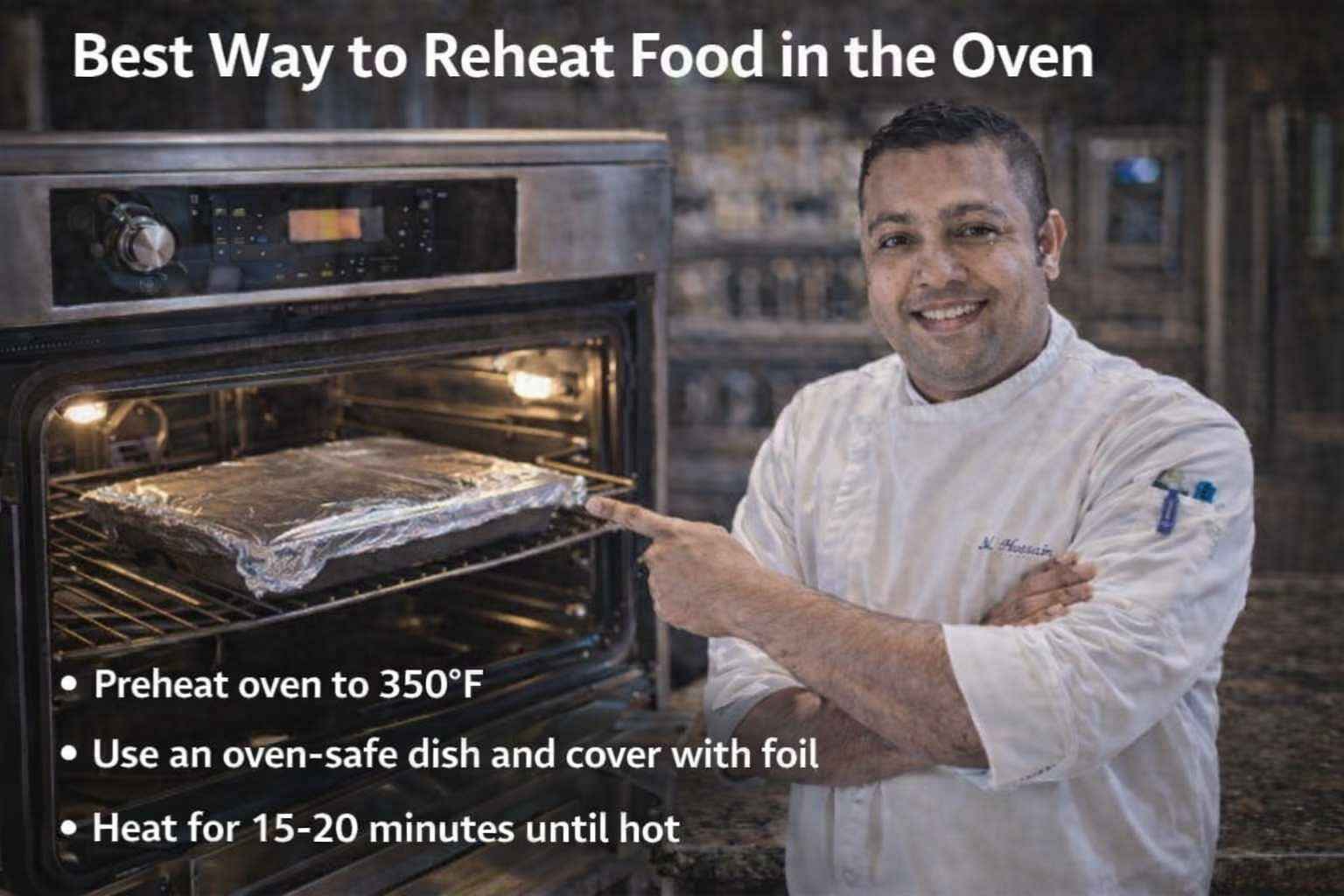
- Oven:
- Preheat to 350°F
- Place gizzards on foil-lined tray
- Heat for 10–12 minutes
- Add a splash of broth or water under the foil if they’re drying out
- Microwave:
- Not ideal (gets chewy fast)
- But if I have to, I wrap them in a damp paper towel and zap for 30–40 seconds
I usually reheat small portions — they warm up faster and stay more tender that way.
🥗 How I Use Them for Meal Prep
Here are a few real combos I’ve packed for weekday lunches:
- Southern-style bowl:
Gizzards + mashed sweet potatoes + green beans - Protein power box:
Cajun gizzards + brown rice + roasted broccoli - Snack box:
Breaded gizzards + carrot sticks + ranch dip
One time I even chopped them into tiny pieces and stirred them into leftover mac and cheese. It was… shockingly good.
They’re flexible. Once you know how to cook gizzards in the oven, you can prep them plain and season them after reheating — which is great for switching things up midweek.
Next up: the most common gizzard questions I’ve heard (and Googled myself) — from how long to cook them, to whether they’re healthy.
FAQs
How to cook chicken gizzards in the oven so they turn soft?
To learn how to cook chicken gizzards in the oven, clean them well and boil first for about 30 minutes. Then season and bake until brown. This step helps the gizzards stay soft and juicy.
How long does it take to cook chicken gizzards in the oven?
When you cook chicken gizzards in the oven, bake them at 375°F for about 25–35 minutes after boiling. The heat makes the outside crisp while the inside stays tender and full of flavor.
Do you need to boil gizzards before baking them in the oven?
Yes, many cooks boil gizzards before oven baking. This step helps break down tough meat. It makes oven baked chicken gizzards soft, juicy, and easier to chew.
What temperature is best for chicken gizzards in the oven?
A good heat for how to cook chicken gizzards in the oven is 375°F. This heat cooks them slow and even. It helps the meat stay tender while the edges get a light crisp.
How do you add flavor to oven baked chicken gizzards?
Use salt, garlic, black pepper, and a little oil before baking. These simple spices soak into the meat as it cooks. They make oven baked chicken gizzards rich and tasty.