
Hi, I’m Mossaraof — a professional cook and food blogger. I love simple meals that bring big joy. One of my top party snacks is How to Bake Chicken Sliders in the Oven. They are warm, juicy, and so easy to make.
I still smile when I smell sliders bake in the oven. Soft buns, tender chicken, and gooey cheese make a great bite. If you are new to ovens, you can read The Complete Guide to Using an Oven at Home. It will help you bake with ease and calm.
In this guide, I will show you How to Bake Chicken Sliders in the Oven step by step. You will learn the right heat, bake time, and a few chef tips I use at home. Let’s start and bake a tray of warm sliders today.
Table of Contents
ToggleHow to Bake Chicken Sliders in the Oven — Step-by-Step From a Real Chef’s Kitchen
These aren’t your average game-day sliders. This is the full-flavor, melt-in-your-mouth version I make for both clients and last-minute weeknight dinners.
Choosing the Right Chicken for Sliders
This is where it all starts. The meat.
I’ve tried everything from ground chicken patties to thin-sliced baked breasts. Heck, one time I even chopped up leftover lemon chicken from the night before and stuffed it into slider buns like a rogue sandwich scientist.
Here’s what’s worked best for me:
- Ground chicken patties – Juicy but can get bland if not seasoned well
- Shredded rotisserie chicken – Super convenient and surprisingly flavorful
- Leftover grilled or baked thighs – My personal favorite (tender + rich)
💡 Real-life moment: I once had half a grilled thigh leftover from a lunch salad. I shredded it, tossed it in buffalo sauce, stuffed it into a King’s Hawaiian roll, and melted provolone on top. Instant slider magic.
The key is to keep the chicken moist. Dry breast meat is a slider killer. If you do use breast, either brine it first or mix it with a bit of sauce before layering it into the buns.
Building the Flavor Base: Seasoning, Sauce & Cheese
This part’s fun because there are so many combinations. I get bored easily, so I switch things up depending on my mood (or what’s sitting in the fridge looking sad).
Some combos I love:
- Buffalo + ranch + cheddar
- BBQ + pepper jack
- Honey mustard + Swiss
- Sriracha mayo + mozzarella
Don’t overdo the sauce though—just a light coating so things don’t get soggy. And make sure your cheese melts well. I avoid pre-shredded bags because they often have that weird anti-caking powder. Real slices or hand-grated cheese always give better melt.
🧀 Little quirk of mine: I layer cheese both under and over the meat. Bottom cheese keeps the bun from soaking up too much sauce. Top cheese melts into gooey heaven.
Assembly: Rolls, Layers & Baking Setup
Not all slider buns are created equal. I love using King’s Hawaiian rolls — they get perfectly golden, a little sweet, and they hold up well to juicy fillings. But potato buns or brioche sliders also work great.
Here’s how I layer mine:
- Slice the buns as a whole sheet (don’t separate yet)
- Lay bottom halves on a parchment-lined baking sheet
- Add cheese → chicken → more cheese → maybe a few pickles
- Top buns go on, then brush the tops with melted butter (sometimes I mix in garlic powder or sesame seeds)
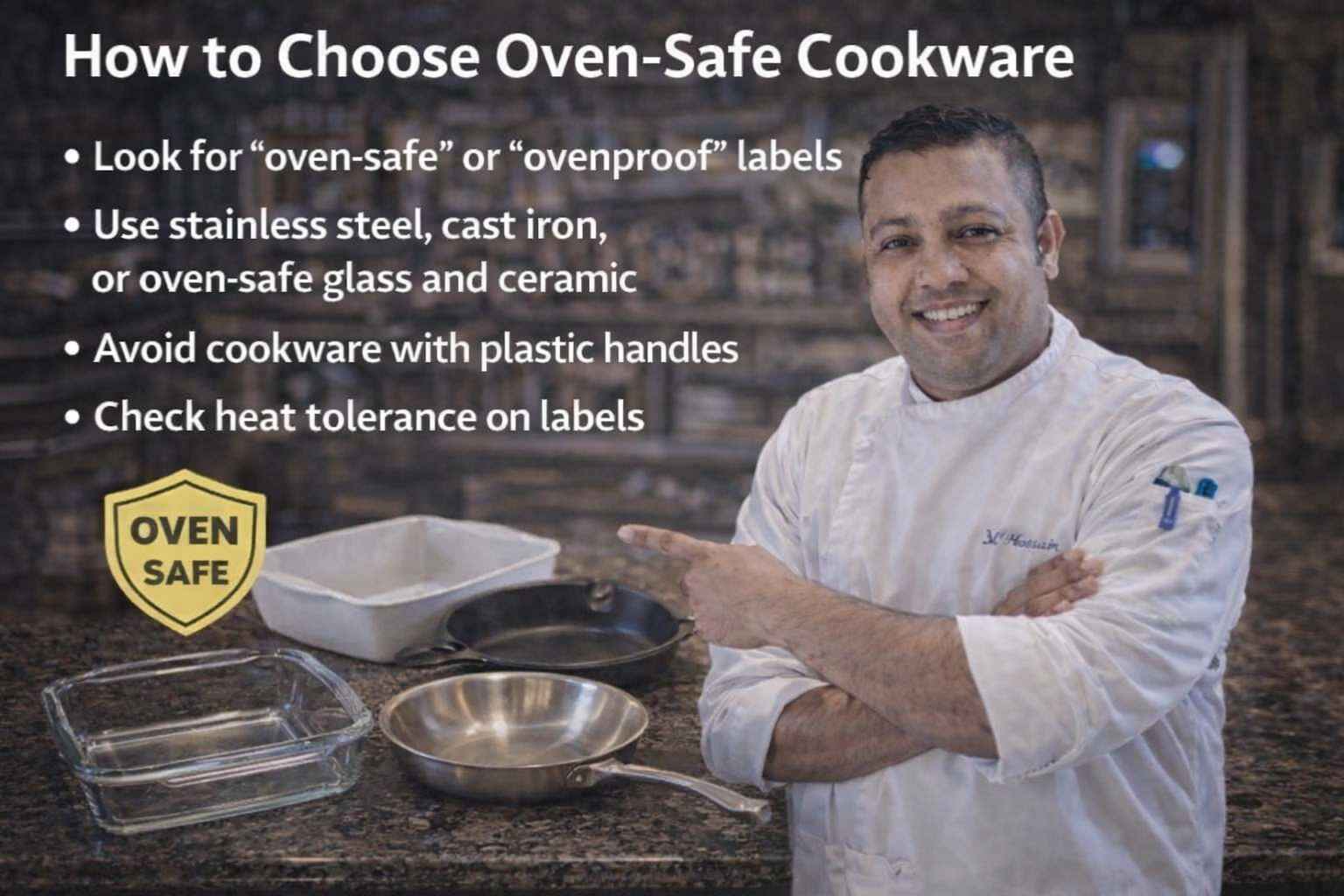
For the tray, I prefer a cast iron sheet or a ceramic baking dish. If you use foil, just make sure to spray it lightly—these buns love to stick.
🏠 In my Florida kitchen, the humidity makes bread extra soft. To avoid steamed-out sliders, I leave a tiny gap between each bun so heat can circulate better.
How Long to Cook Chicken Sliders in the Oven
The magic number in my kitchen? 375°F for 15–18 minutes.
That’s long enough for the cheese to melt, the tops to get golden, and the fillings to heat through.
But here’s what I learned the hard way:
- If your oven runs hot (like my old Whirlpool electric did), cover with foil for the first 10 minutes
- If the tops aren’t browning, remove the foil and bump the heat to 400°F for the last 5
Always check that the chicken reaches 165°F inside if you’re using raw patties. I usually pre-cook mine to avoid that issue altogether.
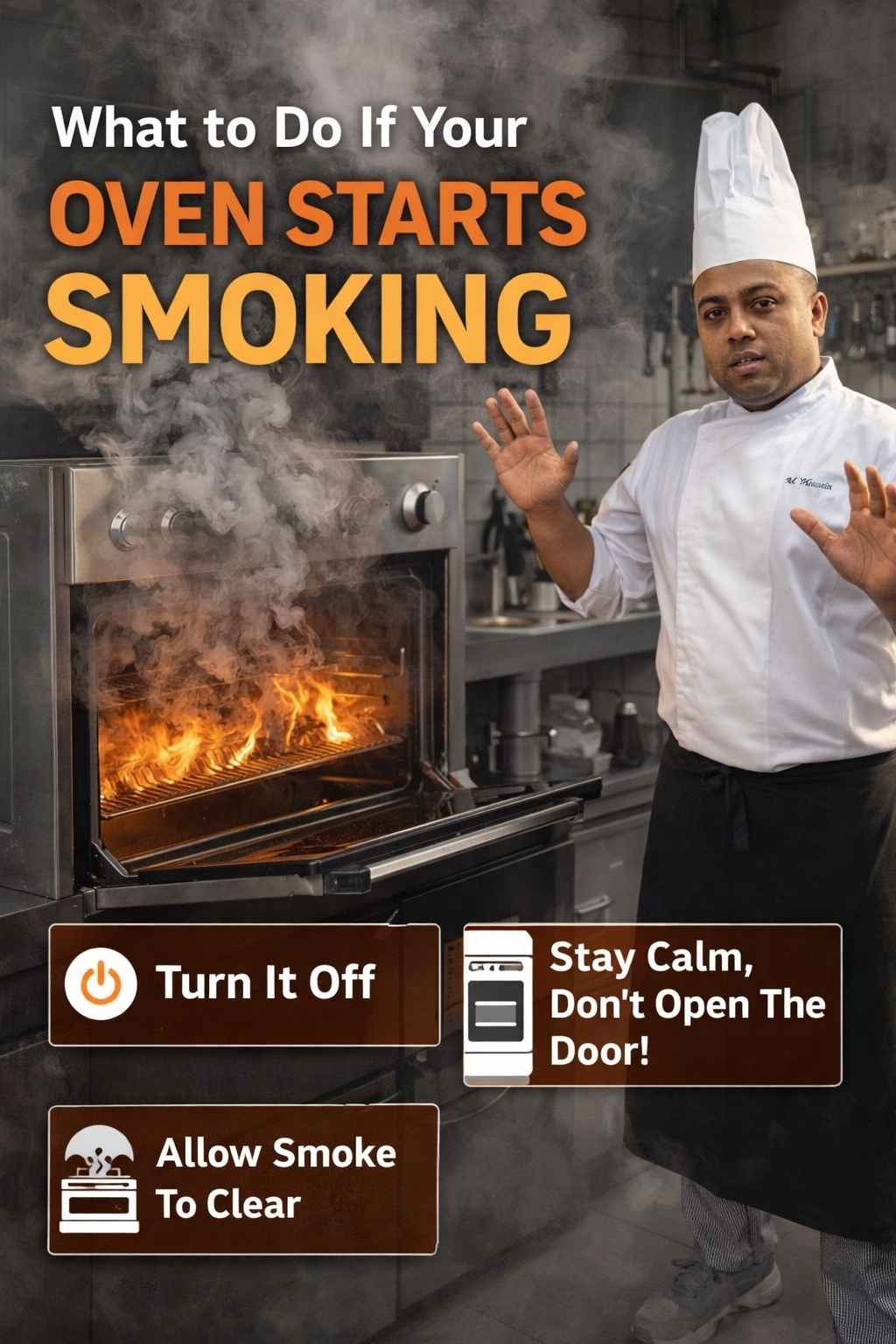
🕒 One late night: I made sliders at midnight after a long prep shift. I fell asleep while they were in the oven (whoops). Woke up to charcoal buns and smoky sadness. Moral of the story: set a timer, especially if you’re tired!
Quick Tips for Crispy Tops and Gooey Centers
- Brush tops with melted butter + garlic salt before baking
- For extra crunch, sprinkle with parmesan or breadcrumbs
- Don’t overcrowd the tray — airflow matters for browning
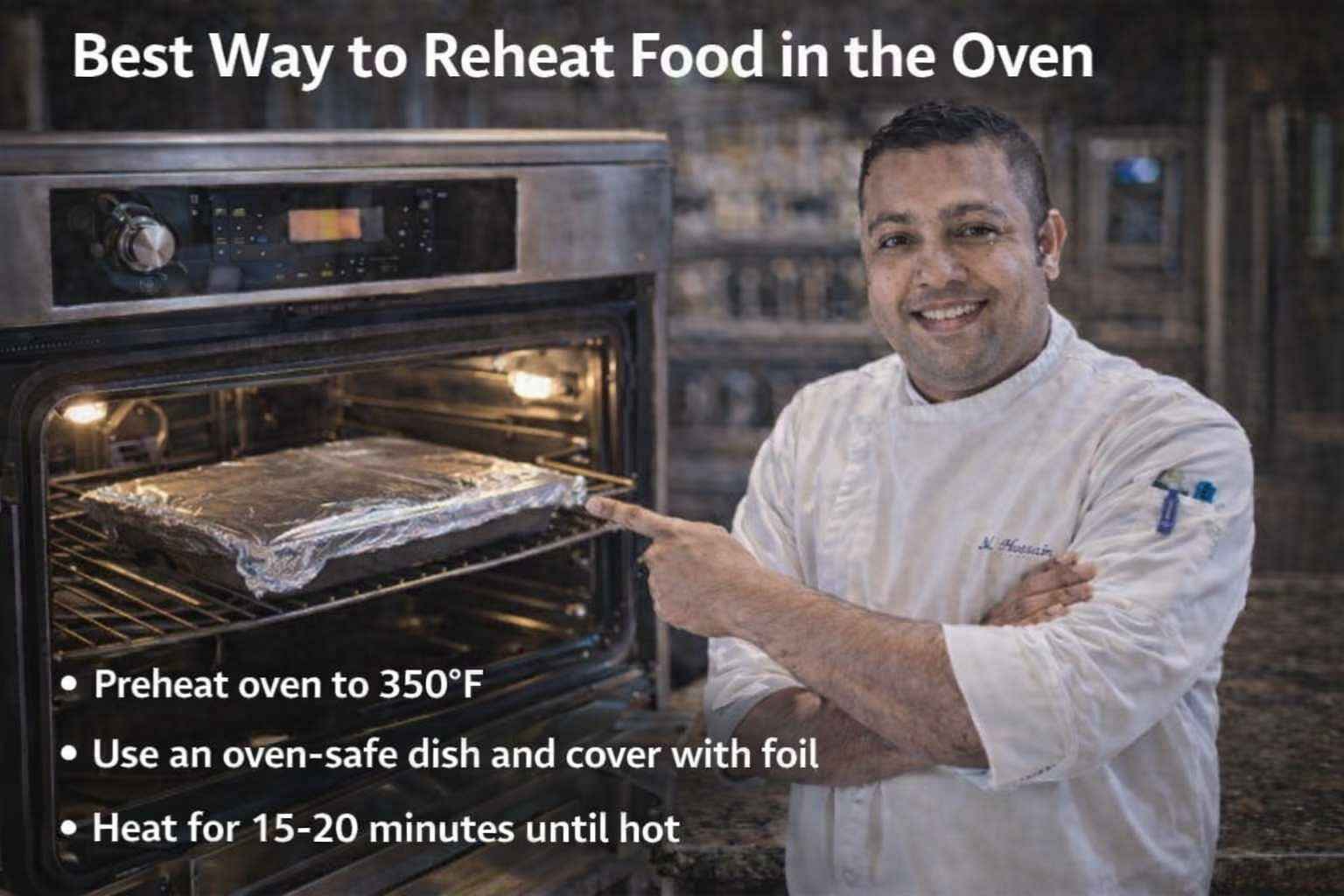
- To reheat leftovers, wrap in foil and bake at 300°F for 10 mins
I sometimes throw mine under the broiler for a quick 2-minute blast. You have to watch them like a hawk though — I’ve torched a few tops when I looked away to check my phone.
How to Make Chicken Sliders in the Oven With Store-Bought or Leftovers
This one’s for those nights when you open the fridge and just stare, hoping something edible jumps out. Been there more times than I’ll admit.
Using Rotisserie Chicken or Leftovers
There was a Thursday when I was completely wiped out after prepping for a weekend brunch job. I opened the fridge and saw half a rotisserie chicken, a bag of half-melted shredded cheddar, and a pack of dinner rolls I forgot I bought. That’s all it took.
That night? Best no-effort sliders I’ve made in months.
Rotisserie chicken is gold when you’re short on time (or energy). I just shred it roughly with two forks, warm it up with a little BBQ or buffalo sauce in a pan or microwave, then build the sliders from there.
Other leftover chicken you can repurpose:
- Grilled chicken breast → slice thin and add ranch or pesto
- Baked thighs → shred and mix with honey mustard
- Breaded tenders → slice and layer with marinara + mozzarella (like mini chicken parms)
If the chicken’s a little dry (it happens), just stir in a tablespoon of mayo or ranch to bring back some moisture.
🔥 Little chef trick: Add a splash of chicken broth to warm leftover meat without making it mushy. Works wonders.
When to Toast the Buns Separately
Here’s something I learned the hard way: if your filling is too saucy or hot when you assemble, the buns can get weirdly soggy on the bottom. Nobody wants a slider that falls apart halfway through the first bite.
So, when I’m using leftovers or anything that’s still warm, I toast the bottom buns for about 3 minutes in a 375°F oven before assembling.
That gives them just enough of a barrier. You still get soft centers, but the base doesn’t collapse into goo.
🧈 Optional (but worth it): After toasting, I’ll rub the bottoms with a bit of garlic butter or olive oil. Adds flavor and a slight crunch.
What to Skip (Because I’ve Made These Mistakes)
Let me save you some trial and error:
- Don’t overload with sauce — I once drowned sliders in buffalo and they turned into a mush pile
- Don’t layer cold chicken and expect even heating — either warm it slightly or bake the sliders longer with foil
- Don’t skip the cheese glue — it keeps the meat in place and adds that satisfying pull
Also, don’t use super airy buns (like ciabatta rolls) unless you want to fight your sandwich with each bite. Stick to soft rolls that stay together without being dry.
👎 One time I tried gluten-free buns and didn’t warm them first… they crumbled like sandcastles. Never again.
Go-To Lazy Slider Night Combos I Actually Use
These are combos I come back to when I don’t feel like thinking:
- Buffalo rotisserie + ranch + cheddar
(especially good after work on Mondays) - BBQ shredded thigh + pepper jack + jalapeños
(for Friday nights with a beer) - Garlic mayo + grilled chicken + Swiss + caramelized onions
(works great when you have leftovers from a roasted chicken dinner)
Sometimes I just do chicken + cheese + pickles. No frills, but so satisfying.
Pan Setup for Leftovers vs Fresh Sliders
When using pre-cooked meat or leftovers, I usually cover the sliders with foil for the first half of the bake to lock in moisture. Then uncover them for the last few minutes to crisp the top.
- Covered bake → keeps cheese from drying out and reheats the meat
- Uncovered finish → browns the buns and melts the cheese just right
⏲️ My sweet spot:
375°F for 12–15 minutes covered, then 3–5 minutes uncovered.
Every oven is a little different — mine leans hot in the back right corner (classic uneven heat).
So I rotate the tray halfway through, especially if I’m making a full dozen sliders on a sheet.
How to Cook Seasoned Chicken Legs in Oven — Bold Flavors, Big Oven Payoff
Sometimes, you just want that bone-in, crispy-skin, big-flavor kind of dinner. Chicken legs? Absolute champions for that.
Dry Rubs & Marinades That Actually Stick in the Oven
There’s something so satisfying about peeling the skin off a crispy baked drumstick with your teeth. But only if the flavor is actually in the skin — not just sprinkled on top like dust.
I learned early on that seasoning has to stick.
I used to just shake some salt and garlic powder on and toss them into the oven. They came out bland. A little oily. Not terrible, but not memorable either.
Then I started testing dry rubs and marinades. Game. Changer.
My go-to dry rub:
- 2 tsp smoked paprika
- 1 tsp garlic powder
- 1 tsp brown sugar
- ½ tsp salt
- ½ tsp black pepper
- ½ tsp chili powder
- A tiny pinch of cayenne if I’m feeling spicy
I rub it in with olive oil, not after. Helps everything cling to the skin and actually penetrate a bit while baking.
🧂 Tip: Dry the chicken legs with a paper towel before seasoning. Moisture makes rubs slide off.
Marinades That Add Flavor Without Making the Skin Mushy
I do love a good marinade — but there’s a catch. If you leave the legs in something too acidic (like lemon or vinegar) overnight, the skin turns rubbery in the oven.
So if I marinate, I do it for just a few hours — not all night.
Quick marinade idea:
- 2 tbsp olive oil
- Juice of ½ lemon
- 1 tsp Dijon mustard
- 1 clove garlic, minced
- Dash of Italian seasoning or fresh rosemary
Then I pull them out, pat dry just a bit, season again with salt + pepper, and roast.
Oven Timing & Rack Placement
I used to overcook chicken legs because I was nervous about them being underdone. You don’t have to do that.
Here’s what works for me consistently:
- Temp: 400°F
- Time: 35–45 minutes
- Rack Position: Center
- Pan: Foil-lined baking sheet with a wire rack (for airflow)
I flip them halfway through if I want even browning, but sometimes I don’t bother and just let the top crisp.
If I really want shatter-crisp skin, I’ll switch to broil mode for the last 3 minutes. But don’t walk away! Broilers are sneaky little fire-starters.
🔥 True story: I scorched a beautiful garlic-parm rub because I turned away to load the dishwasher. Came back to blackened drumsticks and a very smoky kitchen. Learned that lesson real quick.
How to Know They’re Done (Without Guessing)
I always use a meat thermometer now. I used to cut into the thickest part, but that lets the juices run out.
The safe temp for chicken is 165°F, but for drumsticks, I like to go closer to 180°F. They’re forgiving and actually get more tender that way.
🛠️ I use a basic digital thermometer (ThermoPro or MEATER are good ones). Poke right near the bone but not into it.
Favorite Oven-Baked Chicken Leg Flavor Combos
These are ones I come back to again and again:
- Honey garlic: Bake with a soy-honey glaze, then brush more on after baking
- Buffalo-style: Toss baked legs in Frank’s RedHot + butter
- Dry rub BBQ: Use my paprika-brown sugar mix and serve with ranch on the side
- Crispy Cajun: Use store-bought Cajun seasoning + broil to crisp up
- Lemon pepper: Finish with lemon zest and cracked pepper after baking
📍 In my Midwest apartment (back when I was living above a loud sports bar), these were my Sunday meal prep staple. Toss six drumsticks in the oven, throw on some Netflix, and 40 minutes later? Dinner + leftovers.
How to Cook Sweet and Sour Chicken in the Oven (Without a Deep Fryer in Sight)
I first made this version on a sticky summer night in my Florida kitchen — the kind where just boiling water feels like a bad idea. This oven method saved me.
Choosing the Right Cut (Thighs vs Breast)
This recipe taught me one thing fast: not all cuts of chicken work the same when baked with a sticky sauce.
I started with boneless, skinless breasts. They cooked fast but dried out before the sauce had a chance to caramelize. I tried again with boneless thighs — much better.
Here’s what I found works best:
- Thighs – stay juicy, hold up well in sweet sauces
- Breasts – work if cubed and tossed in cornstarch or baked covered
- Tenders – fast-cooking but can go from great to dry real quick
Now, I mostly cube the chicken into 1.5-inch chunks. Keeps them bite-sized and perfect for spooning over rice.
The Sauce Game: Homemade vs Jarred
I’ve used both store-bought sauces and homemade ones — depends on the night. But if you’ve got 10 minutes, making your own sweet and sour sauce is totally worth it.
Here’s my go-to combo:
- ½ cup pineapple juice (or orange juice if that’s all I’ve got)
- 3 tbsp ketchup
- 2 tbsp rice vinegar or white vinegar
- 1½ tbsp soy sauce
- 2 tbsp brown sugar
- 1 tbsp cornstarch + 2 tbsp cold water (mixed separately)
I mix everything (except the slurry) in a small saucepan over medium heat. Once it simmers, I stir in the slurry and cook until thickened.
🍍 One night I didn’t have vinegar, so I used pickle juice… not recommended. The chicken came out weirdly tangy, like barbecue chicken with an identity crisis.
Breading Options for Texture Lovers
Some people skip the coating altogether. I’ve tried that, but I like a little texture — something for the sauce to cling to.
When I have time, I toss the raw chicken in:
- Cornstarch only → for a light, crisp finish
- Egg + cornstarch → slightly puffier result
- Breadcrumbs → great for oven baking but needs oil spray
I bake the pieces first (on a parchment-lined tray, spaced apart) at 400°F for 20 minutes, flipping halfway.
Then I toss the cooked chicken in the sauce and pop it back in the oven for 5–7 minutes, uncovered.
That final bake makes the sauce stick and sizzle, almost like what you’d get from a wok. No deep frying. No stovetop splatter.
Pan & Foil Setup for Easy Cleanup
Use parchment paper if you want easy cleanup and no sticking. Trust me, I once tried foil without spray and lost half the breading.
If you’re skipping the coating, you can bake the chicken directly in a baking dish and pour the sauce on at the beginning — just stir once midway so it doesn’t separate.
Also, use a rimmed baking sheet or casserole dish so the sauce doesn’t overflow. I’ve had sweet-and-sour drip onto the oven coils before. The smell was… not pleasant.
Optional Add-Ins (For When You’re Feeling Fancy)
I throw in some extras depending on what’s in the crisper drawer:
- Pineapple chunks (canned or fresh)
- Bell peppers (especially red and green)
- Red onion slices
- Snap peas or carrots, cut thin
Just toss them in during the last 10 minutes of baking so they stay tender-crisp.
🎨 One time I did a rainbow mix — red peppers, yellow pineapple, purple onion. Looked so good I almost took a picture (but let’s be honest, I was too hungry).
How to Cook Succulent Chicken Breast in Oven Without Drying It Out
This is the recipe I fall back on when I need protein for meal prep but still want flavor. No one wants rubbery chicken, and I’ve had my share of dried-out disasters.
Brining & Seasoning for Moisture Retention
Let me be honest: I ruined a lot of chicken breasts before I figured this part out.
The trick? A quick brine.
If I’ve got 20 minutes, I throw the chicken breasts into a bowl of warm water with salt — about 1 tablespoon per cup of water. That’s it. It makes such a difference.
It’s the kind of step I used to skip when I was in a rush. But once I actually tried it, I was hooked.
After brining, I rinse and pat them dry with paper towels. Then I season them simply:
- Olive oil
- Garlic powder
- Smoked paprika
- Kosher salt and cracked pepper
If I’m feeling fancy, I’ll add Italian herbs or a touch of chili powder.
Cover or Uncover? The Foil Strategy
This was a game-changer for me.
I used to bake the chicken uncovered the whole time. It browned nicely, sure — but inside? Dry as drywall.
Then I started covering the dish with foil for the first half of the bake. It keeps the moisture in, almost like steaming, and then I remove the foil to let the tops brown.
My go-to timing:
- 375°F
- Cover for 15–20 minutes
- Uncover for the last 10–12 minutes
🧈 Optional: Brush the tops with melted butter or olive oil before the final stretch. Gives a beautiful finish and extra richness.
Internal Temp Check — The Key Moment
Chicken breasts can trick you. They look done when they’re still undercooked. Or they’re technically safe at 165°F but already dry.
So here’s what I do:
- Check the thickest part with a digital thermometer
- Pull them out at 160°F
- Let them rest, loosely covered, for 5–10 minutes (they finish cooking on their own)
The resting step is huge. I learned this after slicing into a gorgeous piece too early and watching the juices run out onto the cutting board. Painful moment.
Now I rest everything, even if I’m starving.
Bonus Flavor Tricks (When You’ve Got Time)
If I want to level things up:
- I add a slice of lemon on top of each piece while it bakes
- Or I bake the chicken on a bed of sliced onions and garlic
- Sometimes I even tuck a little pat of butter under the chicken for extra juiciness
🧄 One night, I roasted thin-sliced garlic under the chicken and it caramelized into sweet, crispy chips. Accident? Yes. Delicious? Also yes.
Storing and Reheating Without Drying Out
I use these baked chicken breasts in everything: wraps, salads, sliders, bowls.
To reheat:
- Splash of water + microwave covered
- Or bake at 300°F wrapped in foil for 10 minutes
Never uncovered. That’s a fast track to rubber.
📦 If I’m meal prepping for the week, I store them in glass containers with a drizzle of olive oil on top to lock in moisture.
How to Cook Stouffer’s Chicken Pot Pie in Oven (Because We All Need a Shortcut)
Sometimes the best “home-cooked” meals come from the freezer aisle. I’ve had nights where even chopping an onion felt like too much. That’s when the pot pie comes out.
Box Instructions vs Real-Life Timing
The first time I baked a Stouffer’s chicken pot pie, I followed the box directions to the letter.
- 375°F
- 60 minutes
- “Place on baking sheet. Do not cover.”
It seemed simple enough. But at the 60-minute mark, mine was still cold in the center. The crust was golden, but that filling? Lukewarm.
So here’s what I do now, every single time:
- Bake at 375°F for 65–70 minutes
- Place it on the lower-middle rack
- Let it sit for 5 minutes before cutting
And I always check the middle with a knife to make sure it’s bubbling.
💡 One time I skipped the baking sheet — huge mistake. The pie bubbled over and dripped onto the oven floor. My kitchen smelled like burnt dairy for three days.
Making It Better: Add-Ins & Toppings
Look, the base pie is comforting. But with a few small tweaks? You can make it feel more like homemade.
Things I’ve added:
- Frozen peas or corn — Stirred in halfway through (poke under the crust)
- Shredded cheddar — Sprinkled on top during the last 10 mins
- Hot sauce — A few dashes stirred in right before serving
- Garlic butter crust — Brush melted garlic butter over the top crust 10 mins before it’s done
🧄 That last one makes the crust flaky and flavorful. I did it once by accident when I had extra garlic butter from making garlic bread — now it’s a must.
Tips for Even Heating
I’ve found Stouffer’s pot pies can heat unevenly depending on your oven setup. Some tricks that help:
- Don’t use convection — it can brown the edges too fast
- Always use a metal baking tray underneath — helps cook the bottom crust
- If the crust starts browning too soon, lay a small piece of foil loosely over the top for the last 20 minutes
Also, never microwave these, no matter how hungry you are. I tried once. The crust turned into cardboard and the filling had cold spots. Total regret.
Why It’s Worth Keeping One in the Freezer
There’s comfort in knowing a warm, filling meal is just an hour away — no prep, no dishes, no thinking.
I keep one or two Stouffer’s pot pies in my freezer for:
- Snowy nights when grocery delivery’s backed up
- Sudden cravings for creamy chicken + flaky crust
- Days when I’m too tired to even boil pasta
They’ve saved me during a few recipe test fails too. Burned one dinner, popped a pot pie in instead. No shame.
How to Cook a Stuffed Whole Chicken in the Oven — A Sunday Dinner Showstopper
I still remember the first time I made this for my in-laws. It was a chilly Sunday in the Midwest. I wanted something rustic, warm, and impressive — but still doable in a small apartment oven. This was it.
Stuffing Strategy: Inside the Bird vs On the Side
Let’s talk stuffing.
I’ve cooked whole chickens both ways — stuffing inside the cavity, and baking it separately in a dish. Honestly, they both have their place.
When I stuff the chicken:
- It feels traditional — especially for holiday-style meals
- The drippings add flavor to the stuffing
- The bird takes a little longer to cook, but it’s totally worth it
What I usually put inside:
- Sautéed onion + celery
- Day-old bread cubes
- Chopped apple or dried cranberries
- Sage, thyme, butter, salt
The aroma is ridiculous. Warm, savory, cozy. Like Thanksgiving in a smaller package.
But if I’m short on time (or just don’t want to babysit the cook time), I bake the stuffing on the side in a separate pan. It crisps better that way, too.
Tying the Legs & Foiling the Wings
Here’s something I didn’t know until I messed it up: you need to truss the legs.
The first time I didn’t, the legs splayed out like the poor bird was doing jumping jacks. The stuffing started spilling out. Lesson learned.
Now I always:
- Tie the legs together with kitchen twine
- Tuck the wing tips under the body (so they don’t burn)
- Loosely cover the top with foil for the first half of baking
That foil is key. It protects the skin until the last stretch, when I remove it to crisp everything up.
Timing & Temperature
A stuffed whole chicken takes longer than you think. I go by 20 minutes per pound at 350°F, but I always use a thermometer to be sure.
- Insert it into the thickest part of the thigh, not touching bone
- Internal temp should hit 165°F
- If stuffed, the center of the stuffing also needs to be 165°F
Mine usually takes 1 hour 45 minutes to 2 hours, depending on the size.
⏲️ I also let it rest for 15–20 minutes once it’s out of the oven. That helps the juices settle — and gives me time to make gravy.
Serving It Up Like a Pro (Even If You’re Just in Pajamas)
Once it’s rested, I carve it right in the baking dish or transfer to a wooden board. I spoon stuffing around the edges, scatter fresh herbs on top, and boom — it looks like a magazine photo even if I’m in sweatpants.
📸 One Sunday, I did the whole thing with roasted carrots and crispy smashed potatoes. My cousin thought I catered it. Nope — just me, my apron, and my loud old Frigidaire oven humming in the
How to Cook Spring Chicken Thigh in the Oven With Lemon & Herbs
One April afternoon in Arizona — sunny, breezy, warm enough to open the kitchen windows — I was craving something light. No sticky sauces, no heavy rubs. Just bright, zesty roasted chicken thighs that smelled like spring. So I whipped up this lemon-herb version that’s now in regular rotation.
Flavor Profile for Spring Vibes
I wanted something that tasted clean and refreshing, but still satisfying. I grabbed a couple skin-on, bone-in chicken thighs, a lemon, some fresh thyme, and garlic — that was it.
Here’s my go-to marinade:
- Zest + juice of one lemon
- 1 tbsp olive oil
- 2 garlic cloves, smashed
- 1 tsp Dijon mustard
- 1 tsp salt
- A few sprigs of thyme or rosemary (fresh is best)
I mix it all in a bowl, then toss the chicken thighs in and let them sit for 30 minutes at room temp. If I’m planning ahead, I marinate them in the fridge for 4 hours. Either way, it soaks in beautifully.
🌿 That lemon zest? It makes the whole kitchen smell like a citrus grove.
Cooking Time
I preheat the oven to 375°F — just hot enough to crisp the skin, but gentle enough to keep things juicy.
Here’s how I do it:
- Arrange the thighs skin-side up on a rimmed sheet pan or shallow baking dish
- Bake for 35–40 minutes, depending on thickness
- Optional: broil for the last 2–3 minutes to crisp the skin
The skin should be golden, the juices should run clear, and the chicken should register 165°F in the thickest part.
🧄 Bonus move: Toss a few whole garlic cloves and lemon slices around the chicken. They caramelize and become soft, sweet, and spreadable.
Serving Suggestions for a Light Spring Meal
I usually pair this with:
- Roasted asparagus or green beans
- Baby potatoes tossed in olive oil and sea salt
- A side salad with vinaigrette (something tart to balance the richness)
If I’m feeling casual, I’ll even shred the chicken and stuff it into a pita with arugula and tzatziki. Super fresh and picnic-ready.
📍 Funny enough, I once made this for a lunch client who said it “tastes like you cooked it with sunshine.” Not wrong.
Storage + Leftover Tip
This chicken keeps well in the fridge for 3–4 days. I like slicing it cold and layering it onto grain bowls or wraps.
If you’re reheating, do it gently — 300°F oven, covered, for about 10 minutes. Don’t microwave unless you’re okay with rubbery skin.
How to Cook Skinless Chicken Breast in Oven (UK vs U.S. Style Compared)
This one came from a random kitchen video call with my friend Lucy in Manchester. We were both meal prepping — her in drizzle and chill, me in Arizona heat — and we realized our oven chicken methods were worlds apart.
U.S. Approach: Olive Oil, Broil Finish, Spice-Heavy
In my U.S. kitchen, when I’m baking skinless chicken breasts, it’s all about locking in moisture and getting flavor that packs a punch.
Here’s what I usually do:
- Coat with olive oil
- Season generously — garlic powder, onion powder, paprika, cayenne, salt, pepper
- Bake at 400°F uncovered for 18–22 minutes, depending on thickness
- Finish with a broil blast for a golden top (2–3 minutes, max)
I also add lemon zest or chili flakes when I want to switch things up. And I never bake them straight from cold — I let the meat sit out 15–20 minutes to knock the chill off first.
🇺🇸 This is what most folks I know in the U.S. do too — flavorful, fast, and high-temp cooking with bold seasonings. It’s all about multitasking: oven on, side dish cooking, laundry running in the background.
UK Style: Simpler Flavors, Gentle Bake
Now Lucy? She does it differently.
She rubs her chicken breasts with butter, a little sea salt, and fresh herbs. Maybe a squeeze of lemon if she’s feeling fancy.
Then she wraps them in foil and bakes at 160°C (about 320°F) for about 30–35 minutes. It’s slower, quieter, and honestly, a lot more tender than I expected.
The result is more subtle — not spicy, not bold — but very moist and almost silky in texture. Great for slicing into tea sandwiches or serving with roasted root veg.
She said it’s common over there to bake chicken for meal prep this way and just let the sauces or sides do the flavor work later.
☕ She laughed when I broiled mine. “You’re trying to grill your chicken in the oven again?” Guilty as charged.
My Take After Trying Both Styles
I’ll admit — I’ve adopted some of Lucy’s tricks.
When I’m baking for kids or clients who prefer mild food, I now:
- Lower the heat to 350°F
- Use butter instead of oil
- Add herbs like thyme and parsley
- Bake covered or wrapped in foil
But when I’m cooking for myself or making burrito bowls, I still go full-on U.S. style with spices, heat, and broiler finish.
Sometimes I even bake two ways in one session — one spicy, one plain. That’s the beauty of oven-baked chicken breasts: they’re a blank canvas.
How to Cook Skinless Chicken Breast Crispy in the Oven (Yes, It’s Possible)
I didn’t believe this was even possible until I pulled it off during a meal prep binge one Sunday. Skinless chicken breast… with crunch? I was honestly shocked. And yes — it’s baked, not fried.
Coating Techniques That Actually Work
I tested a bunch of coatings before finding one that gave a satisfying crunch without making the chicken dry or rubbery.
What worked best for me?
Yogurt + Panko Method:
- Slather each chicken breast in plain Greek yogurt
- Press into panko breadcrumbs seasoned with salt, pepper, garlic powder, and paprika
- Let rest for 10 minutes before baking to help the coating stick
The yogurt adds moisture and tang. The panko brings the crunch. And unlike flour-egg-breadcrumb methods, it skips the mess (and the raw egg stress).
🥣 One time I ran out of yogurt and used sour cream. Still worked, but browned faster — so I had to tent with foil halfway through.
Temperature + Rack Strategy
The setup matters just as much as the coating.
Here’s what I do:
- Preheat oven to 425°F
- Line a sheet pan with parchment or foil
- Place a wire rack on the pan
- Spray the rack lightly with oil to prevent sticking
- Bake for 22–25 minutes, flipping halfway if needed
That rack is key — it lifts the chicken so hot air circulates all around, and the bottom crisps up too. No soggy undercoating.
🥵 Once I forgot the rack and baked straight on foil. The bottom was pale and soft. Flavor was fine, texture wasn’t. That mistake only happened once.
Extra Flavor Twists to Try
When I want to switch things up, I mix different flavors into the panko:
- Parmesan cheese – adds sharpness and helps brown
- Crushed cornflakes – super crisp, nostalgic vibe
- Cajun seasoning – spicy, smoky, addicting
- Dried Italian herbs – more savory and aromatic
I’ve even added lemon zest and black pepper for a lighter, fresher take. That one’s especially nice in the spring with a big salad on the side.
Serving Suggestions (Beyond Just Dinner)
This crispy chicken is so versatile. I slice it for:
- Chicken Caesar wraps
- Grain bowls
- On top of mashed potatoes with gravy
- Sandwiches with pickles and spicy mayo
- Or just straight off the tray with a side of ketchup if I’m hangry
And it reheats surprisingly well — 350°F for 10 minutes in the oven. Don’t microwave unless you like soft breading (I don’t).
📦 I make a double batch often and keep extras in the fridge. It’s one of those meal prep staples I actually look forward to eating.
Final Thoughts From My Oven
There’s something kind of satisfying about cracking the code on crispy oven chicken — especially when it’s not deep-fried, doesn’t need skin, and still comes out golden.
It might take a little prep — the yogurt, the rack, the panko — but once you’ve done it once, it becomes part of the rotation.
FAQs
How to Bake Chicken Sliders in the Oven the easy way?
To learn How to Bake Chicken Sliders in the Oven, place filled slider buns in a baking dish. Brush butter on top and bake at 350°F for about 12–15 minutes until warm, soft, and golden.
What temperature is best for How to Bake Chicken Sliders in the Oven?
The best heat for How to Bake Chicken Sliders in the Oven is 350°F. This heat warms the chicken, melts the cheese, and keeps the slider buns soft while the tops turn light and crisp.
How long should chicken sliders bake in the oven?
When learning How to Bake Chicken Sliders in the Oven, most sliders bake in 12–15 minutes. Bake until the cheese melts and the buns feel warm and soft with a light golden top.
Can I make chicken sliders ahead before baking?
Yes. When planning How to Bake Chicken Sliders in the Oven, you can prep sliders early. Store them in the fridge, then bake when ready. This works well for parties or quick family meals.
What cheese works best for baked chicken sliders?
For How to Bake Chicken Sliders in the Oven, use cheese that melts well. Cheddar, mozzarella, or provolone are great picks. They melt fast and add a rich, creamy bite to each slider.