
I still remember the first time I tried baking chicken fries instead of tossing them in oil. It was a Tuesday night, middle of summer in Florida, and the last thing I wanted was to stand over a skillet while my window A/C fought Hi, I’m Mossaraof, a pro cook and food blogger who loves easy comfort food. If you want to learn how to bake chicken fries in the oven, you are in the right place. I have tested this oven method many times, and it gives crisp chicken fries with very little work.
In this guide, I will show you simple steps, the best oven temp, and a few small tricks I use at home. If you are new to ovens, you may also like my guide, The Complete Guide to Using an Oven at Home. Let’s bake chicken fries that turn crisp, hot, and full of flavor.
Table of Contents
Toggle🍗 What Are Chicken Fries, Anyway?
Before we start cooking, let’s make sure we’re all talking about the same thing.
Chicken fries are basically the love child of a chicken tender and a French fry. You cut boneless chicken (usually breast or tenderloin) into slim, stick-like shapes, season or bread them, and bake (or fry) until golden. Simple idea. Big reward.
I started making these years ago when I needed a finger food for my niece’s birthday party. Nuggets were too round and boring. Chicken wings were too messy. But these? These were perfect. Long enough for dipping, crunchy enough to feel snacky, and grown-up enough to season however I liked.
🔸 Not Just Nuggets: What Makes Chicken Fries Unique
- Shape matters – They’re cut like fries, not chunked like nuggets
- Surface area = flavor – More space to coat with spice blends or breading
- Crispy + juicy – If baked right, you get that fast-food crunch without deep-frying
They’re also super freezer-friendly, which makes them a win for batch cooking.
🔸 Store-Bought vs Homemade: Pros and Cons
I’ve tried both, and they each have their place depending on your day.
Store-bought brands I’ve tested in my U.S. oven:
- Tyson Chicken Fries: Widely available at Walmart and Kroger. Good crunch, but can be salty.
- Perdue Simply Smart: Less processed, great if you want something that tastes more homemade.
- Banquet Chicken Fries: Cheap and cheerful—crispy if baked on a rack, but kind of oily if done on foil.
Homemade versions are where you can get creative. You choose the cut, the seasoning, the breading (or not), and how much oil to use. Plus, I know exactly what’s going into it—which matters a lot when I’m meal prepping or cooking for folks with dietary needs.
Homemade also lets me skip the preservatives and dial up the flavor. I’ve done lemon-pepper fries for spring, Cajun fries during football season, and even Parmesan-herb fries for fancier vibes.
🔥 Prepping Your Chicken Fries for the Oven
Getting the texture right starts way before the oven even preheats.
This is the part where the magic really starts. If you rush it, you’ll end up with soggy fries that taste like boiled string. But take a few minutes to prep it right? Total game-changer. The difference between chewy and crispy often comes down to what you do before that tray even hits the heat.
I’ve tested every combo you can imagine—chicken breast, tenderloins, pre-cut freezer packs, dry seasoning, wet marinades, you name it. Here’s what actually works.
🧂 Choosing the Chicken: Breast, Tenderloins, or Pre-Cut
For me, chicken tenderloins are the sweet spot. They’re already the right thickness, they cook evenly, and they slice into perfect fry shapes without much fuss. I usually grab a few packs when they’re on sale at Publix or Safeway.
That said, chicken breast works too—you just have to slice it thin and evenly. I like to cut mine on a slight diagonal to get that longer “fry” look.
Pre-cut frozen chicken fries from U.S. brands like Tyson or Banquet are fine in a pinch. But when I want control over the texture and flavor (especially for picky eaters or health-conscious meals), I go homemade every time.
💡 Pro tip from my humid Florida kitchen:
Always cut against the grain if you want tender bites that aren’t stringy. Makes a big difference in mouthfeel.
🧴 Marinated or Plain?
This one depends on your goal: bold flavor vs. speed.
If you’re wondering how to cook marinated baked chicken in the oven, here’s what’s worked best for me:
- Quick marinade (30 min): Olive oil + lemon juice + garlic + paprika
- Overnight soak: Buttermilk + hot sauce + salt (like a faux-fried chicken flavor)
The longer it sits, the more flavor it absorbs and the tenderer it becomes. (Is tenderer a word? Who cares, it’s true.)
But here’s the thing—don’t go straight from marinade to baking tray. Pat the chicken dry before baking or breading, or it’ll steam instead of crisp.
🧊 Fresh or Frozen: What Works Best
I’ve baked both, and here’s my honest take:
- Fresh homemade fries are best for texture. You control everything—cut size, seasoning, cooking time.
- Frozen store-bought fries are all about convenience. Just pop and go.
If you’re baking straight from frozen, add 6–8 extra minutes to your total cook time. And space them out on the pan—crowded chicken = soggy chicken.
In my Chicago apartment with a slower electric oven, frozen Tyson fries take about 22 minutes at 400°F to get that real crisp.
🔧 The Tools That Make It Crispy (Without Frying)
I’ve tested this on every pan, rack, and foil setup you can think of — here’s what actually works.
There’s something oddly satisfying about opening the oven and seeing a tray of golden chicken fries with crispy tips and sizzling edges. But that doesn’t just happen. It takes the right tools—especially if you want them crispy without using a deep fryer.
I’ve burned fries to a dark, smoky crisp on bad pans and made limp ones on silicone mats. After trial (and way too much error), here’s what actually works in a real-life U.S. kitchen.
🥄 Best Pans for Baking Chicken Fries
Not all sheet pans are created equal.
Here’s what I’ve learned the hard way:
- Light-colored aluminum pans (like USA Pan): They reflect heat, which means more even cooking and less burnt bottoms.
- Dark metal pans (like old-school Wilton): They absorb heat and brown faster but can burn if you don’t watch them.
- Nonstick baking sheets: Great for cleanup, but they often mute the crisp factor unless you add a wire rack.
If I had to choose just one, it’d be my Nordic Ware Natural Aluminum Half Sheet. It’s sturdy, warps less, and works like a charm—even in my quirky old oven that runs hot on the right side.
🧻 To Line or Not to Line: Foil, Parchment, or Naked Pan?
Another decision that seems minor but isn’t.
- Foil: Gives you a slightly crispier bottom but sticks like crazy unless you oil it.
- Parchment: Softer bottom texture but perfect for easy cleanup. Ideal when I’m batch cooking.
- Silicone baking mats: Eco-friendly, but honestly? They mute the crunch. I rarely use them for chicken.
My routine: parchment for big meal-prep batches, foil for small crispy craving nights.
Bonus: Spray either one lightly with avocado oil spray for added browning without overdoing fat.
♨️ Convection vs Regular Bake Mode
This might sound fancy, but it’s a real game-changer.
I tested chicken fries in both modes on the same day:
- Convection (with fan) at 400°F: Crispier, cooked 4–5 mins faster
- Regular bake at 400°F: Still great, but slightly softer edges
In my Arizona kitchen (dry climate), convection made a noticeable difference. The fan circulates hot air, so everything browns more evenly—and you don’t need to flip them halfway through.
But if you’re using a regular oven, don’t stress. You can still get amazing results—just space your fries out and give them breathing room on the tray.
⏲️ How Long to Bake Chicken Fries in the Oven
This is where most people either dry it out or undercook it. Timing matters more than you think.
Timing is everything when it comes to oven-baked chicken. Too long, and you’re chewing on sad, dry strips. Too short, and you’re playing a dangerous game with raw chicken.
I’ve cooked chicken fries in every type of oven—from a finicky gas range in a Chicago apartment to a modern convection beast in an Arizona home kitchen. Here’s what I’ve learned from all that oven hopping.
🔥 Time & Temperature by Chicken Type
You can’t use one bake time for all chicken fries. It really depends on the cut, whether it’s frozen, and how thick you slice it.
Here’s my go-to breakdown:
🍗 For Fresh, Homemade Chicken Fries
- Temp: 400°F
- Time: 16–20 minutes
- Flip halfway for even browning if not using a wire rack
- Watch for golden edges and bubbling juices
❄️ For Frozen, Pre-Cooked Chicken Fries (Tyson, etc.)
- Temp: 425°F
- Time: 12–15 minutes
- No need to thaw—straight from freezer to oven
- Place on wire rack for best crisp (especially the bottoms)
🧊 For Raw Frozen Chicken Fries (Homemade or Store-Bought)
- Temp: 400°F
- Time: 22–26 minutes
- Always check internal temp—raw frozen takes longer
- Flip once, and don’t crowd the tray
🧪 How to Know When They’re Done
The best way? Use a meat thermometer. I use my ThermoPro almost daily.
- Look for 165°F in the thickest part of the fry
- It should be firm to the touch but still juicy inside
- You’ll hear a little sizzle when you open the oven—yes, sound matters too
- If you cut one open and it’s steaming and white throughout, you’re good
Real talk: I once served undercooked chicken at a family barbecue. Never again. Now I always temp-check before serving.
🛑 Avoid These Common Mistakes
Let me save you from my own past failures:
- Crowding the pan: If the chicken fries are shoulder-to-shoulder, they’ll steam instead of crisp. Give them room.
- No flipping (when needed): Unless you’re using a wire rack, flipping halfway gives you even browning.
- Overbaking “just to be safe”: That’s how you end up with chicken jerky. Trust the thermometer, not your timer alone.
- Starting with cold chicken: Let refrigerated fries sit out for 10–15 mins before baking. It helps them cook evenly.
🧂 How to Make Tender, Flavorful Oven-Baked Chicken
Texture makes or breaks chicken fries. Here’s how I lock in the moisture and get that bite-through feel.
You know that disappointing moment when you bite into something that looks golden and crisp, but inside it’s dry like desert wind? Yeah… been there. That’s why I’m so obsessed with getting that juicy bite every time — the kind that steams when you tear it open and still has just the right amount of give.
I’ve tested everything from overnight brines to simple oil rubs. These tricks are what I now do without even thinking.
💧 Brining Basics (Optional but Worth It)
If you’ve got the time, this is the #1 trick for juicy chicken.
Here’s my go-to quick brine:
- 2 cups water
- 2 tablespoons kosher salt
- Optional: a pinch of sugar, garlic powder, or a splash of vinegar
Let the chicken strips soak for 30 minutes at room temp, or up to 2 hours in the fridge.
My Arizona kitchen gets bone-dry, especially in winter. This trick helped me finally stop serving dry chicken at family dinners. Big win.
Make sure you pat the chicken dry before seasoning or baking. Otherwise, you’ll lose that surface crisp.
🧴 Fat = Flavor
This one’s simple: a little oil makes a huge difference.
I use a light drizzle of olive oil or a quick mist of avocado oil spray. Not only does it help spices stick, but it gives the fries that golden oven-baked finish without needing a deep fryer.
Here’s what’s worked best for me:
- Olive oil: Great for flavor, especially with garlic or Italian seasonings
- Avocado oil spray: High smoke point, perfect for 400°F+ ovens
- Avoid butter for this one — it browns too fast and burns easily
You don’t need much—just enough to coat the surface.
🌿 Seasoning Combos I Actually Use
I’ve got a whole cabinet of spices, but I keep coming back to a few tried-and-true blends.
🧄 My Classic House Blend:
- Garlic powder
- Smoked paprika
- Onion powder
- Black or white pepper
- A little salt (if not brined)
I call this my “don’t-think-just-sprinkle” blend. It works on everything — chicken, fries, even roasted chickpeas.
🔥 Spicy Cajun Mix:
- Cayenne
- Paprika
- Garlic powder
- Oregano
- Cracked black pepper
Goes great with ranch or blue cheese dip. I’ve served this combo on game day in my Chicago apartment, and it disappears in minutes.
🧀 Parmesan-Herb:
- Grated Parm (the good kind!)
- Italian seasoning
- Garlic + onion powder
- Olive oil drizzle
Toss this on right after baking for that melty finish.
🥗 Want It Healthier? Here’s How I Do Low Fat Chicken Fries
You can have crispy, crave-worthy fries without wrecking your calorie count.
I’ll be honest—there were weeks where I lived off chicken fries and ranch. Then my jeans started voting against that lifestyle.
So I started tweaking the recipe to keep the flavor but cut the fat. And guess what? I didn’t miss the grease one bit.
This part’s for you if you’re:
- Meal prepping for the week
- Counting calories or macros
- Trying to avoid fried food but still crave the crunch
🥄 Smart Substitutions
You don’t need to do a total overhaul. Just swap a few key ingredients.
| Instead of this | Use this instead |
|---|---|
| Chicken thighs | Chicken breast or tenderloins |
| Flour dredge | Panko or crushed cornflakes |
| Whole egg dip | Egg whites or Greek yogurt |
| Deep frying | High-heat baking or air fryer setting |
I’ve found that crushed cornflakes give you that fried chicken vibe with barely any oil. Toss them in a bit of smoked paprika and garlic powder, and you’ll forget they’re “healthy.”
🍽️ Bake, Don’t Fry
This one’s obvious, but it’s worth repeating.
Baking at 400°F–425°F gives you that same golden crunch as pan-frying—without the splatter, smell, or oil bloat.
If you’ve got an air fryer oven, even better. I use the convection setting at 400°F and the fries come out crispy in 14–16 minutes flat.
Bonus: I don’t have to open every window in my Florida kitchen like I do when pan-frying. No grease smell clinging to the curtains.
🧴 Watch the Oil (But Don’t Skip It)
Oil is still your friend—but in tiny amounts.
I use a fine mist spray bottle with olive oil or avocado oil. Just enough to coat the surface so it browns nicely.
Avoid dunking or drizzling. It’s way too easy to go overboard with calories that way.
My motto: “Mist, don’t pour.” You’ll be amazed at how little oil you need for crispy results.
📦 How to Store Oven Baked Chicken Fries
Let’s be real — if you’re meal-prepping or cooking in bulk, storing properly is everything.
I make chicken fries in batches all the time. Sometimes for weekday lunches. Sometimes just because I know I’ll be too tired to cook after a long shift. But nothing ruins the magic like soggy, rubbery leftovers.
I had to learn the hard way (like reheating a fridge-cold pile in the microwave—never again). Here’s what actually works if you want to keep your fries crispy and delicious even days later.
🧊 Refrigerating
When you’ve got leftovers, timing and packaging are key.
- Let them cool completely before storing — tossing hot chicken into a sealed container traps steam, and boom, soggy town.
- Store in an airtight container lined with a paper towel. This absorbs any extra moisture and helps preserve that outer crisp.
- Shelf life: 3–4 days in the fridge is your safe zone.
Midwest trick I picked up during a snowy meal-prep week in Michigan: stick a dry paper towel under the lid — keeps your fries from getting gummy.
❄️ Freezing
You can freeze chicken fries — I do it all the time, especially after big batch Sundays.
Here’s how to do it right:
- Cool completely
- Spread in a single layer on a baking sheet — not touching
- Freeze for 2–3 hours until solid
- Transfer to a freezer-safe bag or container, label with date
They’ll last about 1–2 months in the freezer.
To reheat from frozen:
- Bake at 375°F for 18–20 minutes
- Don’t thaw — straight from freezer to oven gives the best texture
- Mist lightly with oil or water to re-crisp the edges
🔥 Reheating Tips
Please don’t microwave these. Just don’t.
I know it’s tempting. I’ve done it in a pinch, and the result is always disappointing: soggy outside, dried-out center.
Here’s how I reheat mine now:
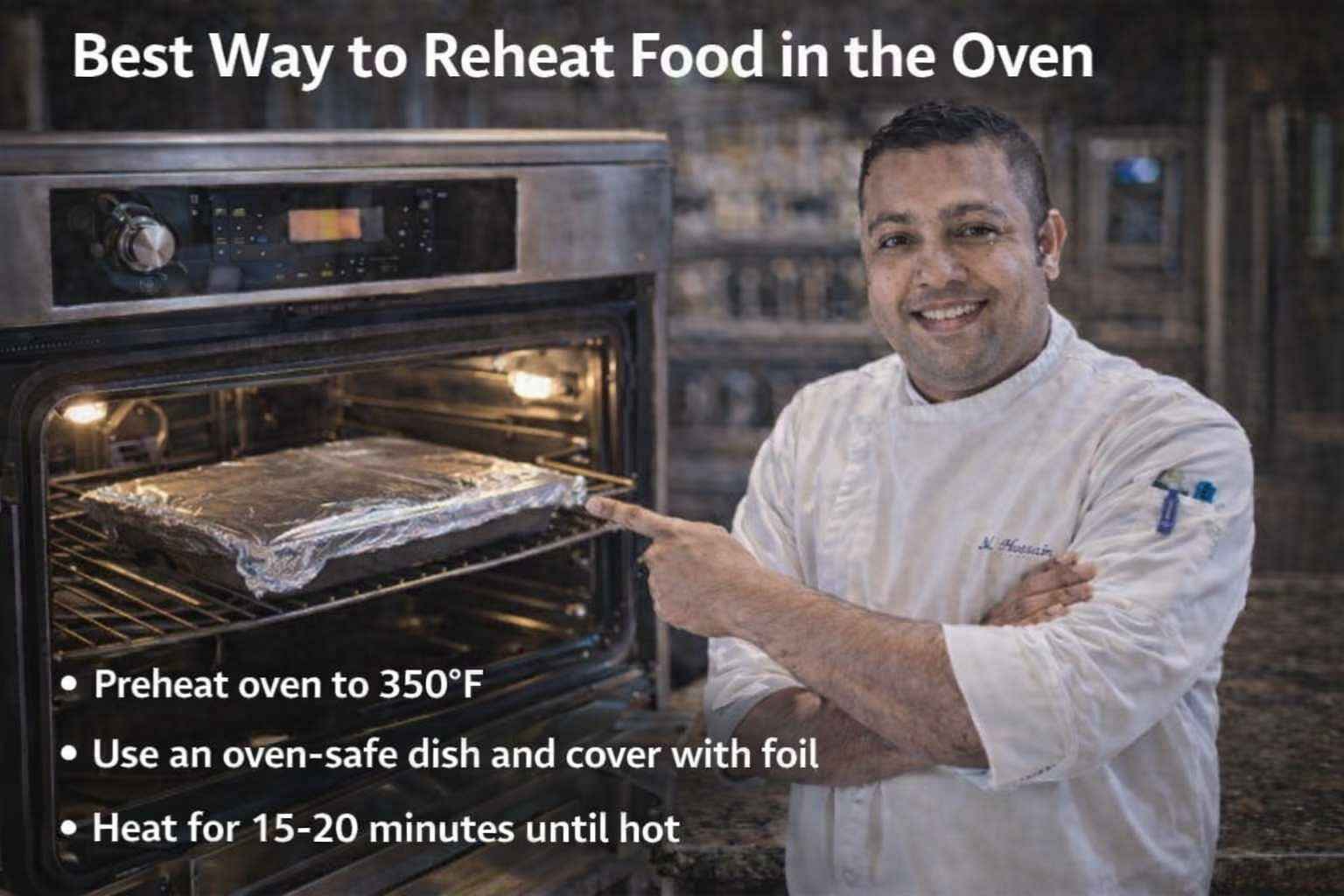
- Oven or toaster oven at 375°F for 8–10 minutes
- Place on wire rack for airflow
- Optional: Mist lightly with oil or water for steam/crisp balance
- Flip halfway through if you’re not using convection
In my Arizona kitchen, the toaster oven is my weeknight hero. I reheat fries without heating up the whole room or blasting the A/C.
🍴 Serving Ideas (Beyond Ketchup)
Once they’re baked, how you serve them can take things from basic to bold.
When I first started making chicken fries, I’d just dump some ketchup in a ramekin and call it a day. And hey, sometimes that’s all you need. But other times, especially when I’m hosting, I like to dress things up a little.
Whether you’re serving kids, feeding guests, or just want something a little extra at lunch—there are so many ways to elevate your chicken fries into something crave-worthy.
🥣 Dips Worth Trying
I’ve become a bit of a sauce snob over the years, and chicken fries are the perfect excuse to play around.
Here are my tried-and-true favorites:
🔥 Spicy Mayo
- 2 tbsp mayo
- 1 tsp sriracha
- Dash of garlic powder
Creamy, spicy, and addicting. I eat this with everything.
🍯 Honey Mustard
- 1 tbsp Dijon
- 1 tbsp honey
- 1 tsp apple cider vinegar
Sweet + tangy = best with crispy breaded fries.
🧄 Ranch Remix
- Start with ranch
- Add a pinch of smoked paprika and black pepper
My niece calls this “pink ranch.” It’s a hit every time.
🍗 BBQ Ranch Swirl
- Mix equal parts BBQ sauce + ranch
- Add a dash of chili powder
I made this on a whim for a football party. It disappeared in minutes.
🇺🇸 U.S. Regional Sauce Ideas
- Alabama White Sauce – tangy mayo + vinegar base
- Texas Hot Honey – warm honey + cayenne
- Carolina Gold BBQ – mustard-based BBQ sauce that’s perfect for oven-baked chicken
🍽️ Full Meal Combos
Chicken fries don’t have to be just a snack. I’ve served them as a full dinner on lazy nights (no shame), and they hold up surprisingly well with the right sides.
Here are a few easy combos I rotate through:
🥔 Weeknight Comfort
- Chicken fries
- Roasted sweet potato wedges
- Steamed green beans with lemon and salt
🧀 Game Day Classic
- Chicken fries
- Mac and cheese
- Crunchy coleslaw or pickle spears
🥗 Lighter Lunch Plate
- Chicken fries over mixed greens
- Cherry tomatoes, red onion, shredded carrots
- Balsamic vinaigrette or Greek yogurt ranch
When I’m meal prepping, I’ll do a few of each. One “hearty” plate, one “light,” and one “grab-and-go.” Keeps lunch from getting boring.
🧠 Bonus Tips from My U.S. Kitchen Tests
Here’s the stuff I wish I’d known earlier, after dozens of test batches.
After baking chicken fries in four different ovens across three states—and yes, one sad toaster oven in a college dorm—I’ve picked up a few nuggets of wisdom. Some of these tips came from trial and error, others from my chef mentors, and a few just from sheer desperation when the fridge was nearly empty.
These bonus ideas can make your life easier, your chicken crispier, and your energy bill a little less shocking.
🧪 Best Time to Bake Chicken Fries (Energy-Saving Tip)
This one’s especially helpful if you’re cooking multiple things at once or meal prepping.
- Bake in the late afternoon — not only does your oven warm up faster in a warm kitchen, but you can often reuse that residual heat for side dishes.
- Skip the long preheat — if your oven hits 400°F in 7 minutes, don’t wait 15. That’s just wasted energy.
- Use the oven light instead of opening the door — every time you open it, you lose about 25°F. Learned that one the hard way.
In my Florida kitchen during summer, I plan oven time around the A/C — usually right before sunset when it’s cooler outside. Every degree counts.
🧍 For Busy Parents or College Students
You don’t need a full kitchen to make these work.
For College Dorm Warriors:
- Use a toaster oven with a small baking tray
- Buy pre-sliced frozen chicken fries
- Pair with bagged salad and a cup of instant rice = full meal in 20 minutes
For Parents Feeding a Crowd:
- Bake a double batch on two racks — rotate trays halfway through
- Let kids mix their own dipping sauces (less mess than expected!)
- Store leftovers in lunchbox portions with mini ranch cups
I used to help a friend prep lunchboxes for her three kids in Arizona — we’d make 60 chicken fries on Sunday, freeze half, and dole them out with grapes and carrots all week. No complaints from the kids. Ever.
🔁 What I’d Do Differently (If I Could Start Over)
- I would’ve bought a wire rack earlier — it changed my whole baking game.
- I would’ve stopped flipping them so much — more flipping = less browning.
- I would’ve ditched the microwave altogether for reheats. Total downgrade every time.
You don’t need a fancy setup or 12 spice jars to get this right. Just a few good habits, a hot oven, and a little seasoning swagger.
FAQs : How to Bake Chicken Fries in the Oven
How long does it take to bake chicken fries in the oven?
Bake chicken fries in the oven at 400°F (200°C) for about 15–20 minutes. Turn them halfway so they cook well and turn crisp on all sides.
What temperature is best to bake chicken fries in the oven?
The best oven temp for chicken fries is 400°F. This heat helps them cook fast and get a crisp outside while the inside stays warm and juicy.
Do you need to flip chicken fries while baking?
Yes. Flip chicken fries once halfway through baking. This step helps both sides cook well and gives you a nice, even crisp in the oven.
Can you bake frozen chicken fries in the oven?
Yes, you can bake frozen chicken fries in the oven with no thaw. Place them on a tray and bake at 400°F for about 18–20 minutes.
How do you make oven-baked chicken fries extra crispy?
Spread chicken fries in a single layer on the tray. Do not stack them. Leave space so hot air can move and make the fries crisp in the oven.