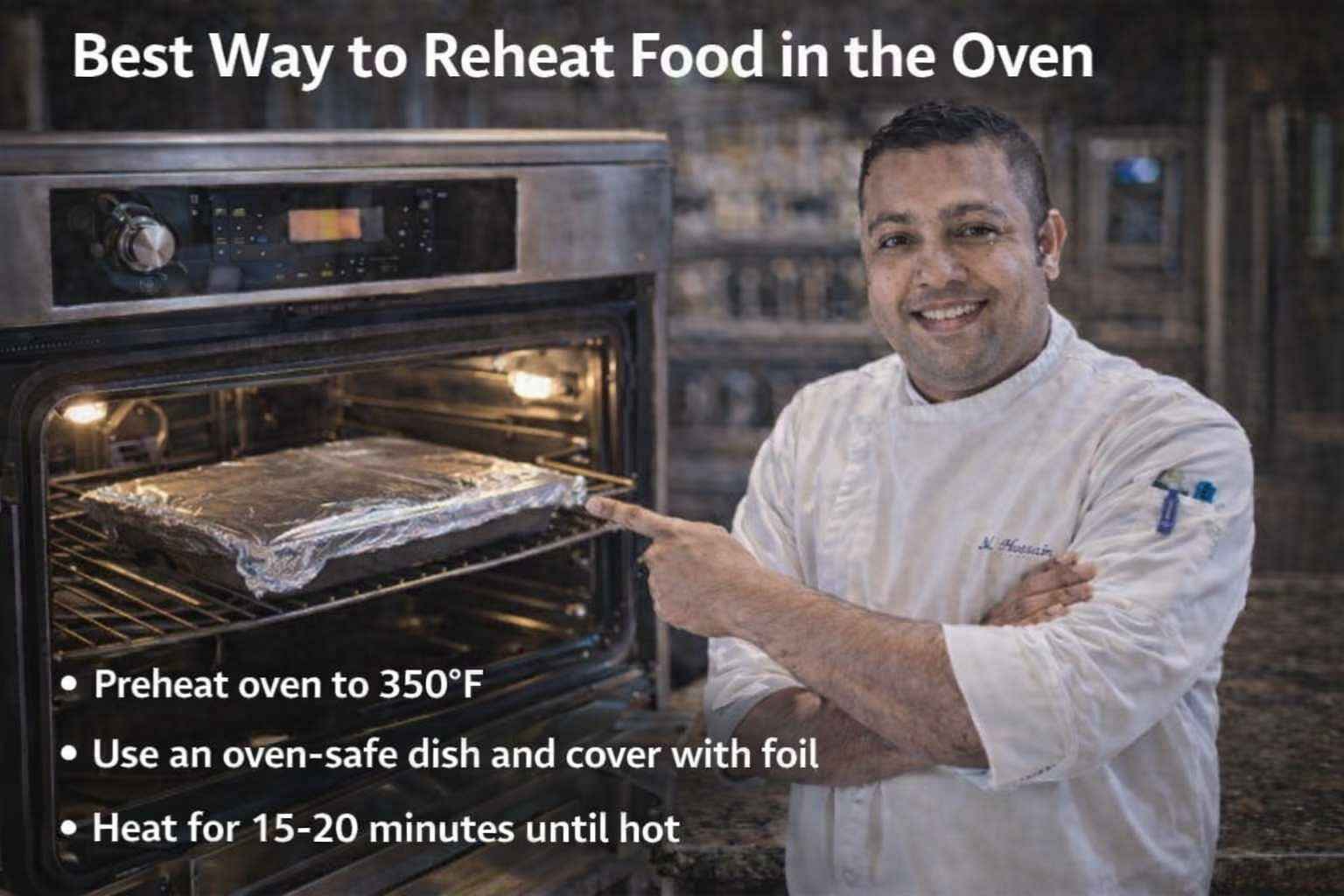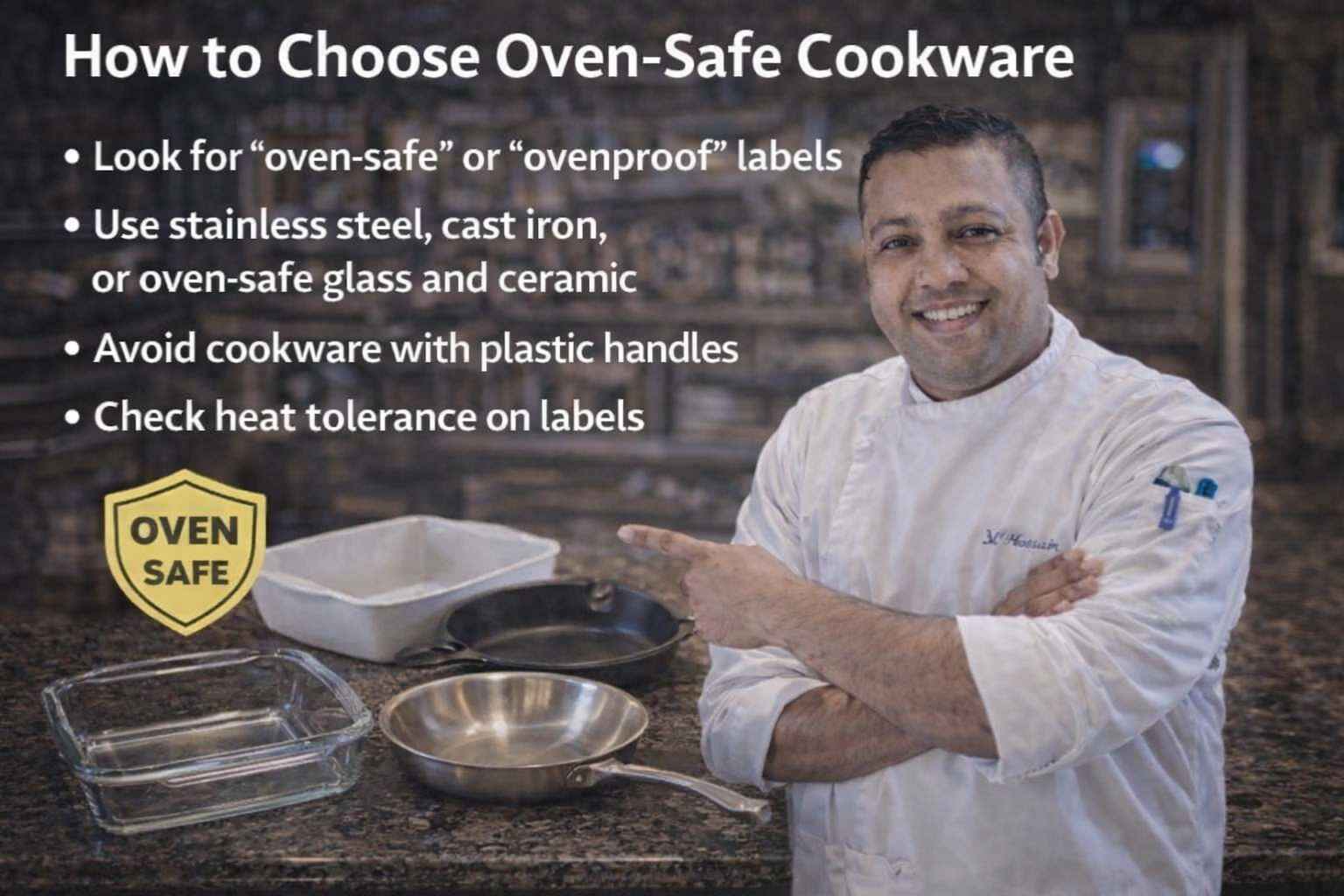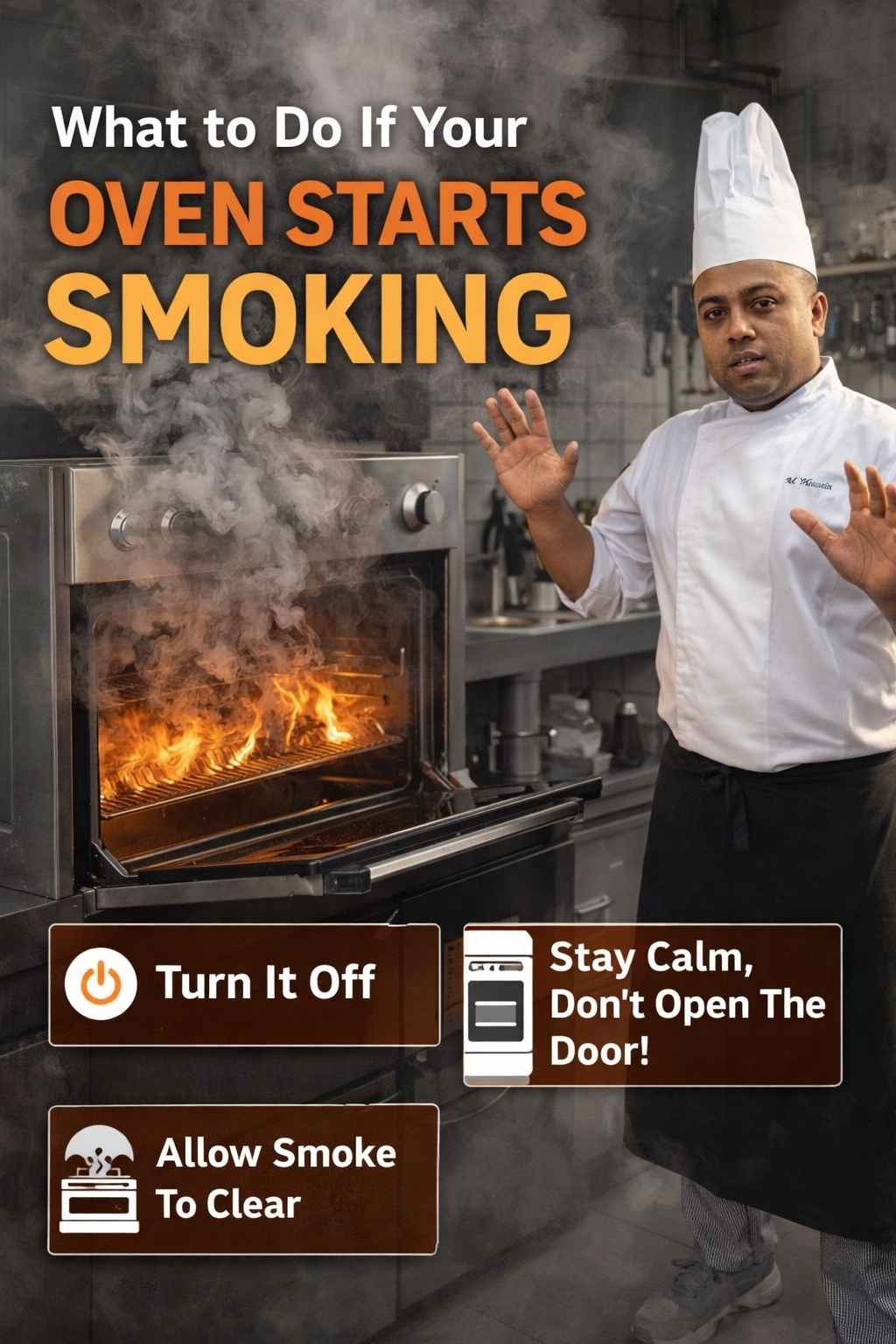
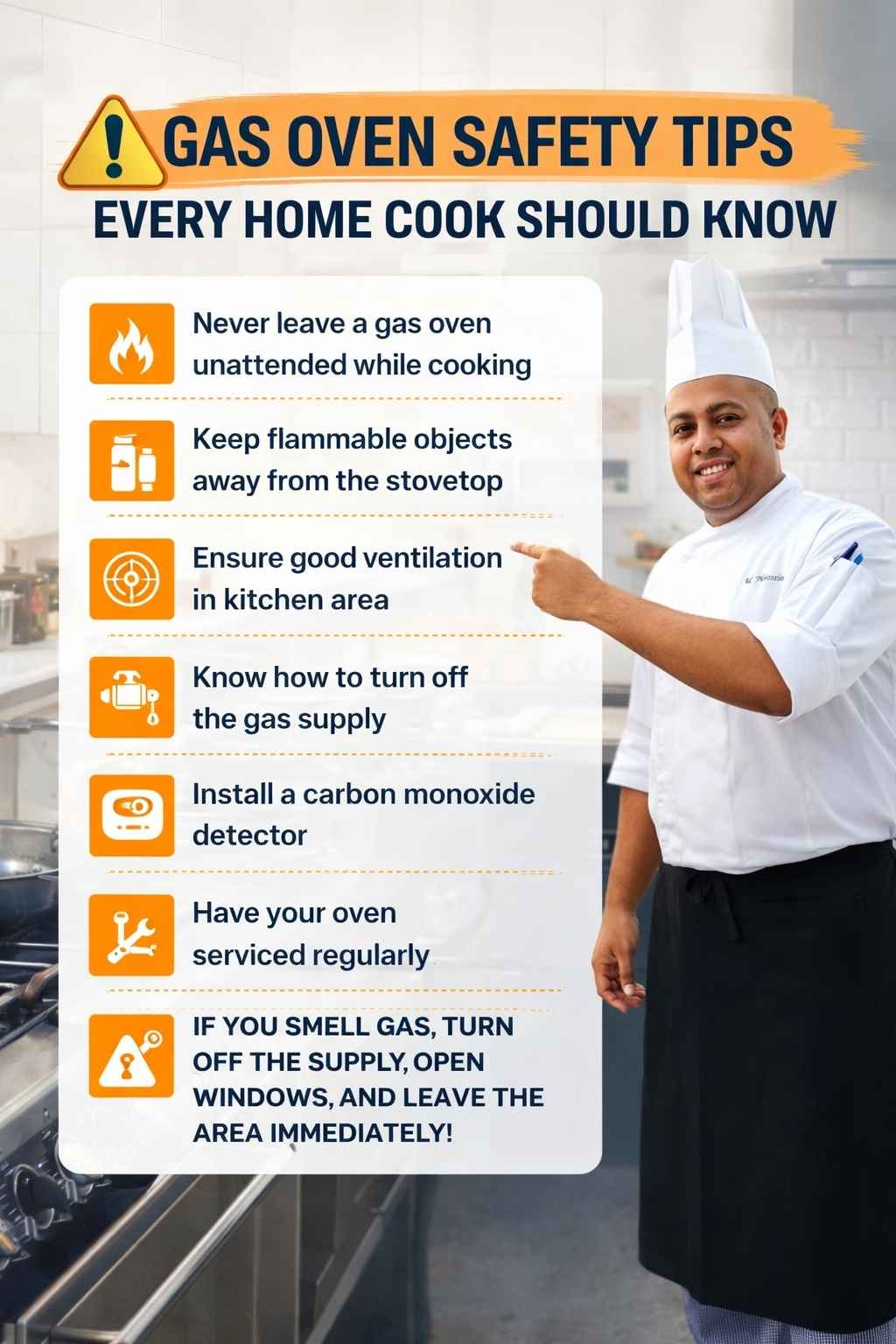
One small mistake with a gas oven can turn a cozy dinner into a smoky mess—I’ve been there more than once. As a professional cook and food blogger, I’ve picked up real-life gas oven safety tips every home cook should know, from scorched lasagnas to sizzling broiler surprises. Whether you’re in a Midwest rental or a Florida condo, safety starts with simple habits that make a big difference. I’ll walk you through what’s worked for me, and if you’re brand new to ovens, check out The Complete Guide to Using an Oven at Home for even more help.
Table of Contents
ToggleUnderstand How Gas Ovens Work Before You Light Up
Before you bake your first dish, it’s worth knowing what’s really happening when that flame kicks on.
Ignition Systems: That “Click” Is Doing More Than You Think
In some kitchens, you’ll still find pilot lights—those little blue flames that burn constantly. But most modern gas ovens (like the Frigidaire in my old Chicago walk-up) use an electric igniter that clicks until gas catches fire.
- If it clicks too long or doesn’t light at all, something’s off.
- Sometimes, food splatter or grease blocks the igniter.
- Other times, the gas flow is slow—especially in older homes.
I once had to preheat twice in winter because the line was sluggish. I learned to wait for the flame, not just the beep.
Burner and Flame Placement: Why Heat Feels Different
Most gas ovens heat from the bottom burner, with a second flame up top for broiling. Unlike electric ovens that glow orange, gas flames stay blue and flicker with life.
- You’ll notice hot spots near the flame.
- Broiling is intense—meats sizzle within seconds.
- Some models, like GE and Samsung, broil unevenly in the corners.
During a Thanksgiving roast in Minnesota, the turkey browned faster on the right side. I had to rotate it every 20 minutes to keep it from charring unevenly.
Gas Thermostats and Cycling: Why the Heat Comes and Goes
Gas ovens cycle more than electric ones. That means they turn off the flame once the target temp is hit, then re-light when it drops.
- This explains why your cookies bake unevenly sometimes.
- A thermometer inside helps you track the real temp swings.
I use a ThermoPro thermometer now. It’s saved my banana bread more than once.
Safety Tips Every Gas Oven Owner Should Know
I’ve burned cheese, melted foil, and once nearly singed my lashes broiling chicken too close to the flame. These rules? Non-negotiable.
Always Check for Gas Smells—Even if It’s Subtle
Natural gas smells like rotten eggs. Not strong perfume—not soap. If you smell it:
- Don’t light anything.
- Don’t flip on a fan or open-flame stove.
- Open a window, leave the house, and call your gas provider.
One winter morning in Chicago, I thought I smelled something “weird” near the stove. Turns out the back burner had a slow leak. I’m glad I didn’t light the oven that day.
Keep the Igniter Area Clear
I used to line the bottom of my oven with foil to keep it “clean.” Big mistake.
- That foil blocked the flame’s path.
- It made the oven overheat and smell weird.
- And one time, it trapped grease and caught fire.
Now I use a rimmed baking sheet on the bottom rack as a drip tray. Works just as well—and doesn’t risk a meltdown.
Choose the Right Cookware (And Avoid Explosions)
Glass dishes can shatter under direct flame. Yes, I learned this the hard way with a lasagna in a Pyrex dish placed too close to the broiler.
- Stick to metal pans or broiler-safe dishes.
- Use silicone mats only for baking—not broiling.
My Lodge cast iron pan is now my go-to for anything under the broiler. It heats evenly and can take the flame like a champ.
Be Careful with That Broiler Flame
I’ve charred more garlic bread under a broiler than I care to admit. That top flame is intense.
- Keep food 3–4 inches away from the broiler.
- Watch constantly—things go from golden to black fast.
- Use a timer even for 2-minute browns.
In Arizona, broiling chicken thighs took just 4 minutes per side—no joke. The dry heat outside didn’t help either.
What to Do If You Smell Gas or the Oven Won’t Light
It was a Saturday morning in Florida. I was prepping cinnamon rolls when I turned the dial—and nothing. Just endless clicking and a faint gas smell. Here’s what I’ve learned from moments like that.
How to Tell If You Have a Gas Leak
You don’t need to be an expert—you just need to trust your nose.
- If you smell rotten eggs, even faintly, that’s natural gas.
- If the smell gets stronger when you turn the oven on, shut it off immediately.
- Hearing a hiss or feeling heat around the knobs? That’s a red flag.
I once ignored a faint smell in my New Jersey apartment and assumed it was the trash. It wasn’t. The back burner was leaking slowly. I shut it off just in time.
First Things to Do If You Suspect a Leak
Don’t mess around—safety first. Here’s what I do now without thinking:
- Open all windows and doors.
- Don’t turn on lights or use your phone inside.
- Head outside and call your gas company or 911 from a safe spot.
Some gas companies in the U.S. (like PG&E or Con Edison) have emergency hotlines. Add yours to your phone—just in case.
If the Oven Clicks But Won’t Ignite
Sometimes it’s not a leak—it’s just a fussy igniter. Here’s how I troubleshoot:
- Turn off the oven and wait a minute.
- Try again and listen for the click and “whoosh.”
- If it clicks without lighting, the igniter may be dirty or failing.
A soft toothbrush and some warm water saved my Whirlpool oven once. There was grease around the igniter tip, stopping the flame from catching.
If it still doesn’t light after cleaning? Time to call an appliance tech.
Cleaning Your Gas Oven the Right Way (No Smoke, No Risk)
I’ve learned that how you clean your oven matters just as much as how you use it. Skip the smoke and stress with these habits.
Start With Manual Cleaning
Forget harsh sprays. I now use a simple homemade paste:
- 1 part baking soda, 1 part water, a splash of vinegar.
- Spread it inside your cooled oven and let it sit overnight.
- Wipe clean with a damp cloth.
One tip? Don’t slather it near the igniter. A soggy igniter won’t spark—and that’s a whole new problem.
Should You Use Self-Clean Mode?
I’ve used self-clean in the past. But now? I’m picky about when.
- Run it only when you’ll be home for several hours.
- Open a few windows—it gets hot and can smell like burning plastic.
- Never run it the day before guests arrive. I did that once and regretted it.
Some gas ovens from GE and Maytag have aggressive self-clean cycles. They work—but they’re not gentle. Always check the manual first.
Deep-Clean the Burner Components Too
The stovetop matters just as much as the oven box.
- Soak grates and burner caps in hot, soapy water.
- Use a brush or toothpick to unclog burner holes.
- Dry thoroughly before reassembling.
I once put a wet burner cap back on, thinking it would dry while I cooked. It didn’t. The flame struggled, and dinner took forever. Lesson learned.
Ventilation and Air Quality Tips (Especially in Small Kitchens)
I’ve cooked in everything from wide-open Arizona kitchens to shoebox-sized Chicago studios. And let me tell you—ventilation matters.
Use a Proper Range Hood (Don’t Just Rely on the Fan)
Range hoods aren’t just for show. In a gas kitchen, they pull out heat, smoke, and carbon monoxide.
- Ducted hoods that vent outside work best (Broan, Zephyr, etc.).
- Look for models with 300 CFM or more.
- Clean the filters monthly if you cook daily.
I used to have a microwave with a “vent” feature—it just recirculated air. Now I use a full-size hood that vents outside. It’s louder but worth it.
Crack a Window While Cooking Long Meals
This is especially helpful when:
- Roasting meats for over an hour
- Broiling on high
- Baking in high humidity (hello, Florida)
I didn’t open a window once while baking lasagna for an hour. The kitchen steamed up, and the smoke lingered until the next day.
Install a Carbon Monoxide Detector
If you use gas, this is non-negotiable. It’s just like a smoke alarm—but for an invisible danger.
- Install one 15–20 feet from your oven.
- Test it monthly and change batteries every 6 months.
- Brands like First Alert and Kidde are affordable and reliable.
I keep one near the hallway. Peace of mind costs about 20 bucks—and it’s worth every penny.
Cooking Tips to Prevent Fires and Flare-Ups
Some of my worst kitchen messes didn’t come from bad recipes—they came from not paying attention to little things. Overfilling, forgetting drip trays, or walking away from the broiler. Here’s what’s saved me.
Avoid Overfilling Pans (Trust Me, It Bubbles Over)
One fall night in Michigan, I made baked mac and cheese in a shallow dish. The bubbling cheese overflowed and hit the flame. It smoked so bad I had to air out the whole house with two fans.
- Leave at least ½ inch from the top.
- Use deeper pans for casseroles or baked pasta.
- Don’t “eyeball it” if your dish is full—grab a larger pan.
Use Drip Trays or Liners—But Use Them the Right Way
I love using oven-safe drip trays now. They catch grease before it hits the flame. But I learned the hard way not to place them directly on the oven floor.
- Put foil-lined trays or baking sheets on the lower rack.
- Never cover the burner area or block vent holes.
- Use nonstick oven liners designed for gas ovens if needed (Nordic Ware makes a good one).
In my Arizona kitchen, one small sausage leak made a mess that smoked for days. A simple tray would’ve saved me.
Rotate and Watch—Gas Ovens Are Uneven by Nature
Gas ovens don’t always heat evenly. The side closest to the flame gets hotter, and the temperature can fluctuate more than you think.
- Rotate pans front to back halfway through cooking.
- Use the middle rack for even heat.
- Check food a few minutes early—recipes assume even electric heat.
I once burned an entire tray of cookies on the right side because I didn’t rotate. Now I set a mid-bake reminder.
Know Your Oven’s Quirks and Features
Every gas oven I’ve used—from my old Frigidaire to my current Whirlpool—has its own rhythm. Understanding it makes all the difference.
Find Your Oven’s Hot Spots
Here’s a trick I learned from another chef in Minneapolis:
- Bake a sheet of sliced white bread across the middle rack.
- Watch which pieces brown fastest.
- That’s your hot spot.
Mark it mentally or write it on a sticky note and stick it to your oven door (I do).
Use a Thermometer—Don’t Trust the Dial
Gas oven dials aren’t always precise. My Whirlpool said 375°F, but the thermometer inside read 405°F.
- Use an oven-safe thermometer on the center rack.
- Brands like ThermoPro or Taylor are cheap and accurate.
- Adjust your settings based on what you see.
This one step changed how I bake. No more undercooked muffins or burnt cookies.
Give Your Oven Time to Preheat—Really
Gas ovens take longer than electric to stabilize. Don’t trust the preheat beep alone.
- Wait an extra 5–10 minutes after the beep for consistency.
- Use the oven light and thermometer to double-check.
- Don’t load food too early or it’ll cook unevenly.
In Chicago winters, I preheated for 20 minutes. But in Florida, 12 was enough. It varies with season and location.
Real-Life U.S. Cooking Scenarios With Gas Ovens
I’ve cooked in different states, climates, and oven models. Here’s what I’ve noticed that may help you depending on where you live.
Midwest Winters: Cold Air, Hot Meals
When it’s freezing outside, your oven works overtime to maintain temp.
- Foods brown faster up top due to trapped heat.
- Use the middle rack and check food early.
- Don’t leave the oven door open long—it loses heat fast.
In Illinois, my lasagnas cooked 10 minutes faster in January than in June.
Florida and Gulf Coast Kitchens: Humid and Hot
Humidity messes with baking, and your oven can heat the whole kitchen.
- Broiling in summer = instant sweat.
- Use lighter meals or shift to countertop ovens if needed.
- Vent early to avoid steam buildup.
I once baked cornbread during a Florida storm. The extra moisture made it gummy, even though it looked done.
Dry Western Heat: Arizona, Nevada, Southern California
The air is dry, and your food dries out faster too.
- Cover dishes with foil when roasting to keep in moisture.
- Watch broiled items—they can go from crisp to dry in seconds.
- Grease evaporates quickly—clean drips right after they happen.
In Phoenix, my baked chicken thighs needed more oil to stay juicy compared to Chicago.
Apartments and Rentals: Small Spaces, Big Smoke
Many U.S. rentals come with outdated gas ovens. I’ve cooked in plenty.
- Test burners and igniters before big meals.
- Always keep a fan or open window nearby.
- Keep foil and paper towels away from open flames.
In one Brooklyn sublet, the oven didn’t even have a window. I learned to cook with my nose and ear—listening for sizzles and smelling for trouble.
Final Safety Habits I Follow Every Month
These habits didn’t come from a manual—they came from mistakes. From burnt toast to smoky kitchens, these monthly checks keep me (and my meals) safe.
Sniff Around Once a Month
It sounds silly, but trust your nose.
- Walk by the oven and burners with the gas off.
- Smell for anything odd—sulfur, plastic, or burnt dust.
- If something smells off, pause and investigate.
I caught a slow leak once just from noticing a faint eggy smell while making coffee. A simple fix saved me from a major issue.
Check the Burners for Blockage
Sometimes it’s crumbs. Other times it’s grease.
- Use a dry brush to clean burner caps.
- If a flame is orange or weak, it needs cleaning.
- Let everything dry fully before using again.
In my Chicago apartment, one clogged burner took forever to heat a pan. Cleaning it made it burn blue again in seconds.
Clean the Igniter Area Gently
Grease builds up there fast, especially if you cook meats or casseroles often.
- Use a dry toothbrush to dislodge buildup.
- Wipe lightly with a damp cloth.
- Never soak or scrub aggressively—it’s fragile.
I once used a metal brush. Regretted it immediately. The igniter sparked slower after that. Lesson learned.
Test the Oven Light and Timer
This seems small—but when you rely on visual cues and timers, they matter.
- Replace burned-out bulbs so you don’t open the oven often.
- Test the built-in timer or use a backup (I use my phone).
In one New Jersey rental, I used an old analog oven with no timer. Forgot the broiler was on. The garlic bread? Gone in under 90 seconds.
What I Keep On Hand (Always Within Reach)
These aren’t luxury items—they’re survival tools in a gas oven kitchen. I don’t cook without them anymore.
1. Baking Soda
- For smothering grease flare-ups fast.
- Store in an easy-to-reach jar, not a box shoved in the pantry.
2. Oven Thermometer
- I use a ThermoPro—it reads fast and accurate.
- Always place it near the middle rack.
3. Carbon Monoxide Detector
- Wall-mounted, 15–20 feet from the oven.
- I test mine on the first of every month.
4. Fire Extinguisher
- Class B (kitchen-safe) or ABC-rated.
- Stored under the sink or beside the fridge.
5. Oven Mitts and Tray Liners
- Silicone mitts don’t burn or slip.
- My liners are made for gas ovens—no melting, no flare-ups.
To Anyone Nervous About Using a Gas Oven…
You’re not alone. I was nervous too. That first whoosh of flame feels intense when you’re not used to it.
But now? I love gas ovens.
They’re responsive, powerful, and perfect for real cooking. You just need to understand how they work—and respect their heat.
Even as a pro, I’ve made mistakes. Burnt meals. Smoky kitchens. A near flare-up while roasting duck in Phoenix. But I learned. And now I feel totally confident lighting that oven, any day of the week.
If you’re just starting out, pair this with The Complete Guide to Using an Oven at Home. It’ll give you more context and help you feel at home in your own kitchen—gas oven and all.
FAQs
What are the top gas oven safety tips every home cook should know?
Check for gas smells, use the right cookware, stay near the broiler, and clean the igniter area monthly for safe, stress-free cooking.
What should I do if my gas oven smells like gas before lighting?
Turn it off, open a window, and leave the kitchen. Call your gas company from outside. Never try to relight or use switches.
Can foil be used in a gas oven safely?
Avoid lining the oven floor with foil. Use a drip tray on the bottom rack instead to catch spills without blocking heat or airflow.
Why does my gas oven cook unevenly?
Gas ovens heat from the bottom and cycle often. Rotate dishes halfway through and use the center rack for best results.
Should I use self-clean on my gas oven?
Yes, but only when home with good airflow. It gets very hot and may cause smoke. Remove racks and read the manual first.