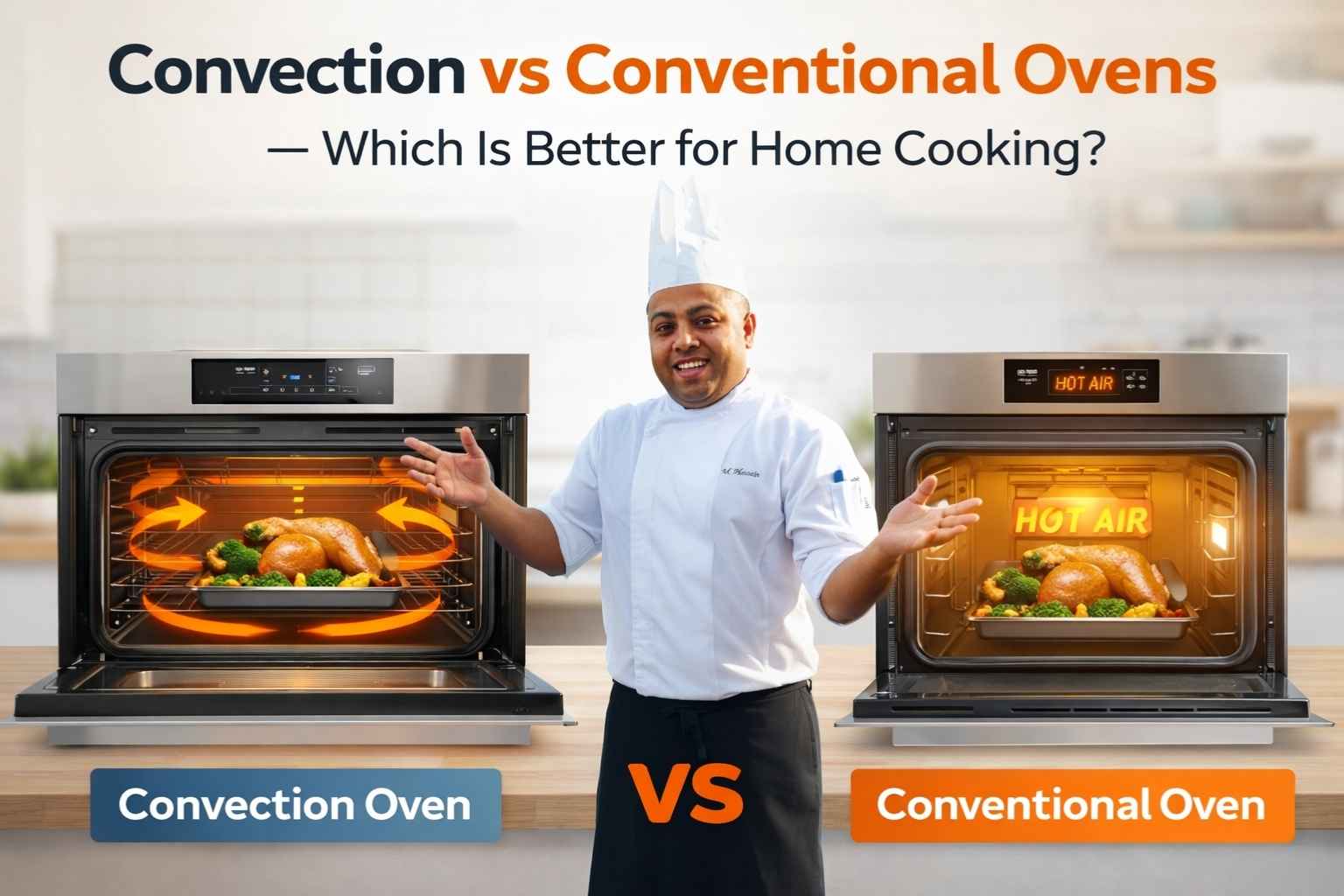
Hey, I’m Mossaraof — a professional cook and food blogger who’s spent years tinkering with different ovens across the U.S. From cozy winter meals in my old Chicago kitchen to quick sheet-pan dinners in humid Florida, I’ve seen how ovens can make or break a meal. One question I hear all the time (and ask myself) is: Convection vs Conventional Ovens — Which Is Better for Home Cooking?
In this guide, I’ll walk you through real results from my own kitchens—crispy veggies, cracked cakes, uneven bakes—and share what actually works in everyday cooking. Whether you’re new to ovens or ready to upgrade, I’ll break it down in plain, no-fluff language. And if you’re starting from scratch, check out The Complete Guide to Using an Oven at Home for the full scoop.
Let’s figure out what kind of oven fits your cooking life.
Table of Contents
ToggleWhat Is a Conventional Oven?
This is probably the oven you grew up with—no bells, no fans, just basic, radiant heat.
I still remember my mom’s old Whirlpool in our Midwest kitchen. You could hear the bottom coil pop when it heated up.
No fan. Just hot air rising naturally.
How It Works
- Heat comes from stationary elements (bottom and sometimes top).
- The air inside stays mostly still.
- You get temperature zones—hot at the top, cooler at the bottom.
Typical Use Cases
- Casseroles
- Sheet cakes
- Frozen pizza
- Classic baked goods like banana bread or brownies
U.S. Kitchen Reality
Most rental apartments and older homes here in the U.S. still use conventional ovens.
I had one in my Chicago walk-up, and I’ll tell you—it taught me patience.
What Is a Convection Oven?
The first time I cooked in a convection oven, I honestly thought I had ruined dinner.
Everything was…done. Way faster than I expected.
That’s when I learned—convection isn’t just a buzzword. It’s a serious upgrade.
How It Works
- There’s a fan in the back that circulates hot air.
- This airflow evens out the temperature inside the oven.
- Food cooks faster—usually 25% quicker—and more evenly.
Types You’ll Find
- Fan-assisted convection (no extra heating element)
- True convection (has an additional heating element behind the fan)
Most modern U.S. ovens now come with a convection mode. You’ll usually see it as a separate setting or symbol.
Great For
- Roasting vegetables
- Cooking on multiple racks
- Getting golden, crispy finishes
I use convection all the time for Brussels sprouts—crispy edges every time.
Convection vs Conventional: What’s the Actual Difference?
Here’s the quick breakdown I wish someone had given me early on.
| Feature | Conventional Oven | Convection Oven |
|---|---|---|
| Heat Source | Radiant coils | Fan-circulated hot air |
| Cooking Time | Standard | 20–30% faster |
| Evenness | Can have hot spots | More consistent heat |
| Texture | Softer finish | Crispier, golden finish |
| Best For | Cakes, casseroles | Roasts, cookies, crisp veggies |
| Ease of Use | Simpler | Requires adjustments |
How Food Actually Turns Out (In My Experience)
Baking Cakes and Breads
Let me be honest—convection ovens can mess up your cake if you’re not careful.
Conventional:
- Gentler, consistent rise
- Better for moist banana bread or thick brownies
Convection:
- Crust can form too soon
- Sometimes bakes uneven if the pan blocks airflow
I once baked a yellow cake in convection mode without adjusting temp.
It puffed up, cracked, and dried out. Lesson learned.
Cookies and Pastries
Now, cookies? That’s convection heaven.
- They brown more evenly
- No rotating trays mid-bake
- Works great on two racks at once
I did a batch of chocolate chip cookies in Arizona using convection—crispy outside, gooey inside. No burnt bottoms.
Roasting Veggies and Meats
This is where convection really shines.
- Brussels sprouts caramelize beautifully
- Chicken skin crisps up faster
- Roasted potatoes get golden without drying
In my Florida rental, I had a GE convection oven. It shaved 15 minutes off my sheet pan dinners—lifesaver during those hot humid nights.
Which Oven Is Better for Baking?
Stick to Conventional If:
- You’re making delicate items like soufflés, pound cakes, or anything with a rise.
- You want soft, moist textures.
Use Convection For:
- Scones, biscuits, puff pastry
- Evenly browned cookies
- When using multiple trays
I always go conventional for birthday cakes.
But for my cranberry scones? Convection all the way.
Which Is Better for Roasting?
Convection Is the Roasting King
- Chicken thighs? Crispy.
- Carrots? Sweet and golden.
- Pork loin? Juicy inside, brown outside.
Watch For:
- Over-browning (lower temp helps)
- Dry edges on long roasts
In the Midwest winter, I slow-roast squash in the conventional oven to help heat the house.
But in summer? Convection saves time and keeps the kitchen cooler.
What About Frozen Foods and Reheating?
I’ve had my share of lazy nights reheating frozen pizza or leftover lasagna.
Convection:
- Faster thawing and crisping
- Great for French fries or pizza
Conventional:
- Slower but gentler
- Better if you don’t want crispy edges
My teenage nephew nuked his frozen burritos in convection and they turned into crunchy bricks.
So yeah—know what texture you want.
Cooking for a Family or Hosting?
I hosted Thanksgiving in Arizona last year—convection saved the day.
Why Convection Helped Me:
- I baked rolls and roasted vegetables at the same time on different racks.
- Everything came out evenly cooked—no soggy bottoms.
Why Conventional Still Works:
- Simple dishes, one tray at a time
- Less risk of overcooking
If you’re juggling five dishes, convection can help—just remember to adjust timing.
Convection and Conventional in U.S. Climates
I’ve cooked in dry Arizona heat, muggy Florida humidity, and Chicago snowstorms.
Hot Climates (Florida, Southern California):
- Convection heats faster, so the oven isn’t running as long
- Keeps the kitchen from overheating
Cold Climates (Midwest, Northeast):
- Conventional ovens add warmth to the kitchen
- Long, slow bakes double as house heaters
In January, I’ll run my oven all afternoon just for roasted squash and free heat.
Energy Use: Which Is More Efficient?
This part surprised me when I started comparing utility bills.
Convection:
- Uses heat more efficiently
- Shorter cook times = less energy
Conventional:
- Slower to preheat
- Longer cooking = more electricity/gas use
In my Florida apartment, using convection for sheet pan meals shaved about $15/month off my summer bills.
Ease of Use: Which Is Simpler?
Let’s be honest—sometimes you just want to throw something in and hit start.
Conventional Wins for Simplicity
- No settings to fiddle with
- No adjustments needed
Convection Takes Practice
- You have to lower the temp (usually by 25°F)
- You need to watch for faster browning
I forgot to adjust once while baking muffins.
Came back to sad, dry muffin tops. Still edible, but meh.
Cleaning and Maintenance
Every oven gets dirty. But convection adds a twist.
Convection Ovens:
- The fan collects grease and crumbs
- Needs deeper cleaning every few months
Conventional Ovens:
- Easier to wipe down
- Fewer moving parts
I use baking soda + vinegar to clean the fan—learned that from a chef buddy in Seattle.
Which Should You Buy for Your Home?
If you’re shopping for a new oven, don’t just go with what’s trendy. Think about how you cook.
Buy Convection If You:
- Love roasted veggies and meats
- Bake often and want even browning
- Live in a hot climate and want faster cook times
Stick With Conventional If You:
- Bake mostly cakes and soft textures
- Prefer a “set it and forget it” approach
- Want a budget-friendly option
My sister in New York has a conventional oven and swears by it for her cheesecakes.
I’ve got a convection combo and use both modes weekly.
Chef’s Shortcut: When I Use Each Mode
I taped this cheat sheet inside my cabinet. You can borrow it.
- Cakes, muffins, loaf bread → Conventional
- Cookies, scones, puff pastry → Convection
- Roasted meats & veggies → Convection
- Slow bakes (casseroles, lasagna) → Either (but I lean conventional)
- Frozen foods → Convection, but reduce time
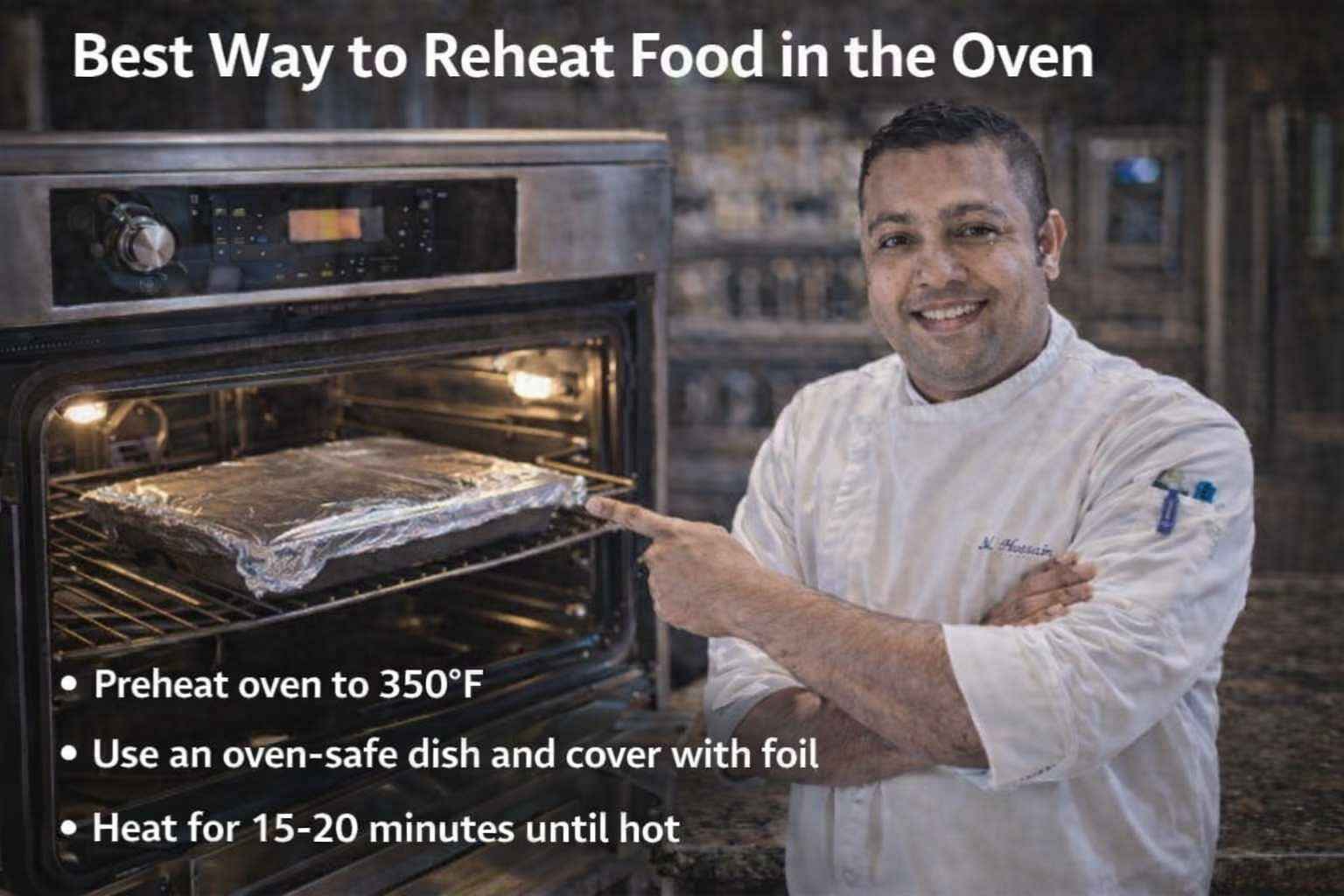
- Reheating leftovers → Conventional at lower temp
Final Word (from My Kitchen to Yours)
You don’t have to choose just one.
Some ovens now have both modes. Mine does—and I switch based on what I’m making and how I feel.
There’s no “best” oven for everyone. But with a little trial and error (and maybe a burnt tray or two), you’ll figure out what works in your kitchen.
Trust your nose, your gut, and your experience. That’s what I do.
FAQs: Convection vs Conventional Ovens — Which Is Better for Home Cooking
What is the main difference between convection vs conventional ovens for home cooking?
A convection oven uses a fan to move hot air. This helps food cook faster and more evenly. A conventional oven uses still heat, which can create hot spots while baking.
Is a convection oven better than a conventional oven for baking at home?
Convection ovens are great for cookies, roasting, and crisp food. The fan spreads heat well. But delicate cakes and breads may bake better in a conventional oven.
Do convection ovens cook food faster than conventional ovens?
Yes. Convection ovens cook about 20–25% faster. The fan moves heat around the food, so dishes brown and roast more evenly than in many conventional ovens.
When should I use a conventional oven instead of a convection oven?
Use a conventional oven for soft cakes, custards, or quick breads. Still heat helps them rise well. Convection heat can sometimes dry or crack delicate bakes.
Which is better for everyday home cooking: convection or conventional ovens?
For most home cooking, convection ovens are more flexible. They cook faster and brown food well. Many modern ovens offer both modes, so you can choose what fits the dish.