Hey, I’m Mossaraof — a professional cook and food blogger. One afternoon, I had no oven, but I wanted cake. That’s when I asked, can I bake a cake in a microwave oven? To my surprise, the answer was yes — with a few tricks. If you’re still learning the basics, The Complete Guide to Using an Oven at Home is a great place to start. But for now, let me show you how to get that warm, fluffy slice — straight from your microwave.
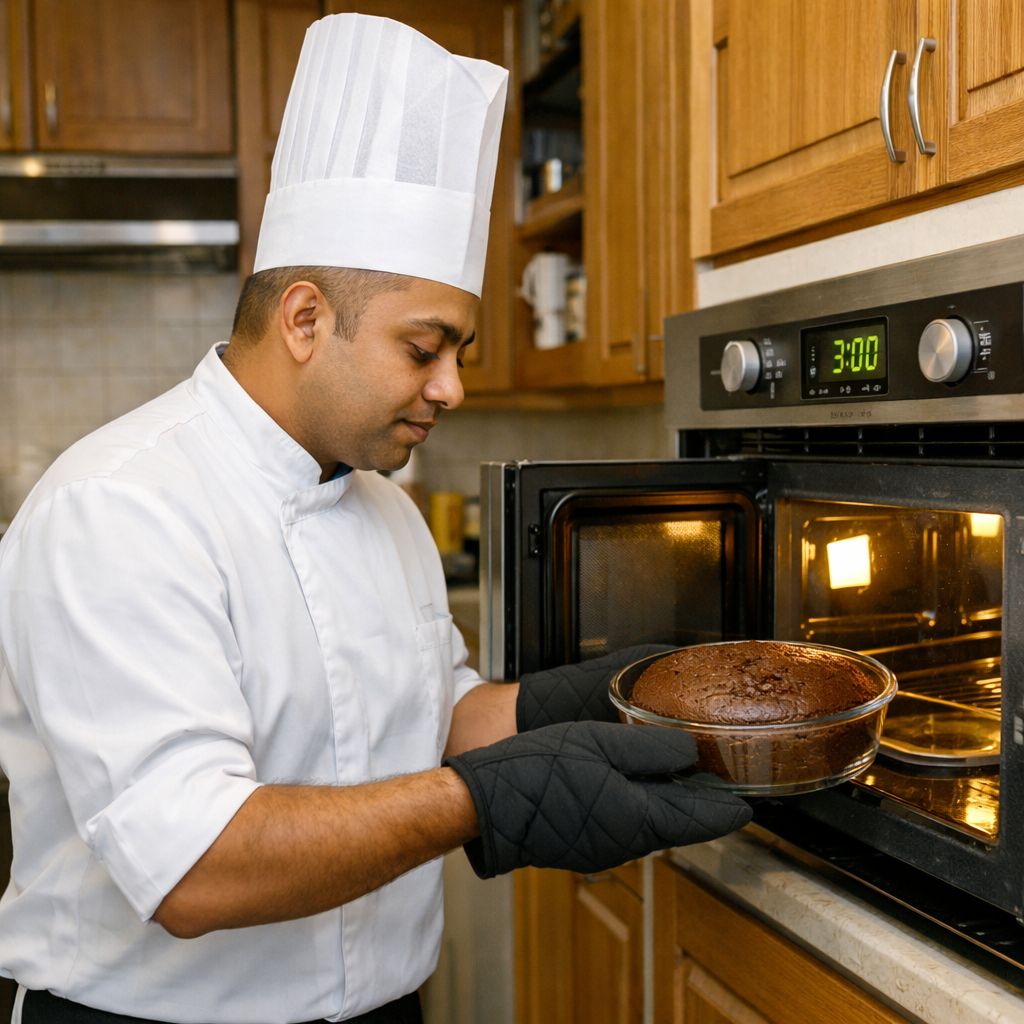
Can You Really Bake a Cake in a Microwave Oven?
It sounds like a shortcut. But surprisingly, yes — you can.
Microwave baking works, especially when you’re short on time, space, or tools. But it’s not exactly like baking in a full-sized oven. And that’s okay.
What “Baking” Really Means in the Microwave
Let’s be honest — you won’t get that golden crust or crispy edges from a microwave. Why? Because there’s no dry heat. Microwaves heat by exciting water molecules inside the food. That means:
- You get steamier, softer textures
- No browning or caramelization
- Cakes cook faster but can dry out if you’re not careful
The first time I tried this, I expected a regular oven-style cake. Instead, I got something closer to a steamed sponge. Light, sweet, warm — but no top crust.
Cakes That Work Best in Microwaves
Not every cake is microwave-friendly. Some need low, slow heat to rise evenly. But these types? They shine.
- Sponge cakes — light, eggy, fluffy
- Mug cakes — single-serve, quick to rise
- Flourless cakes — fudge-like, dense textures hold up well
If you’re aiming for a tall layer cake with frosting and structure, use the oven. But for late-night cravings? Microwave cakes hit the spot.
Which Microwave Types Actually Bake Well
Not all microwaves are built the same. Trust me — I’ve tested plenty.
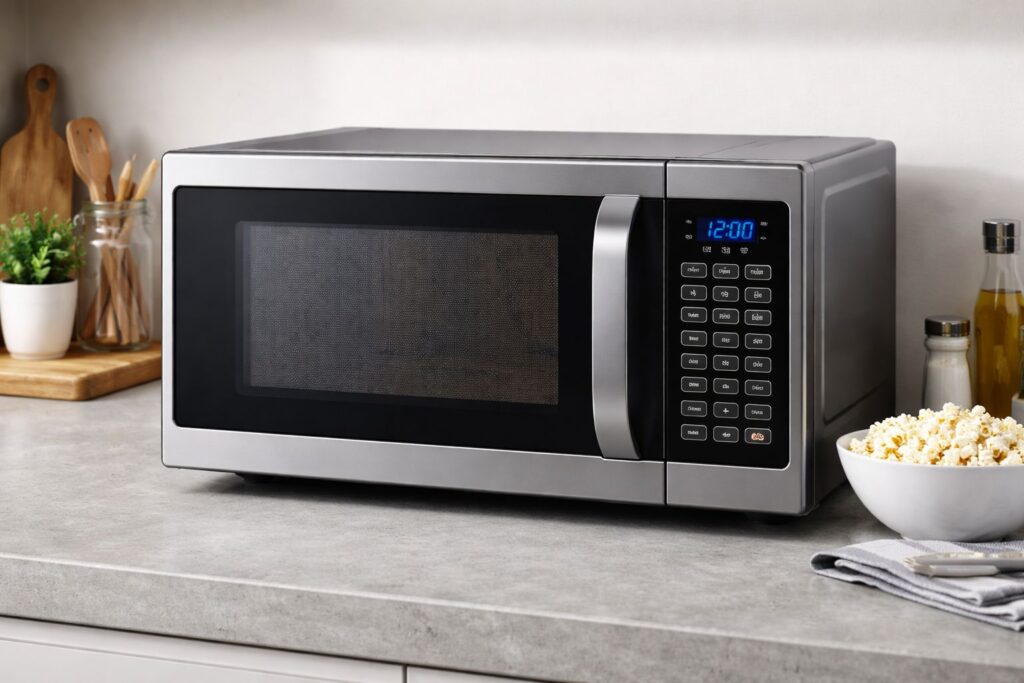
- Standard microwaves (700W–1000W): Good for mug cakes or small bakes
- Convection microwaves: These combine microwave heat with dry heat from a fan. You’ll get closer to “real” baking results
- U.S. brands I’ve used:
- Panasonic Inverter: Even heating but slightly tricky timing
- GE Over-the-Range: Powerful, good for bigger mugs
- Whirlpool Countertop: Shorter cook time, works well with silicone molds
Always check your wattage. Lower watts need more time. Higher watts can overcook quickly.
The Tools and Containers That Actually Work
Some days I nailed the texture. Other days? I melted a plastic bowl into a weird shape. Picking the right dish matters — more than I expected.
Microwave-Safe Cake Pans
Skip metal. That’s non-negotiable.
Stick with:
- Glass (like Pyrex): Durable, distributes heat evenly
- Ceramic: Great for mug cakes or ramekins
- Silicone: Nonstick and flexible, ideal for round cakes
I once used an OXO silicone muffin mold in my Arizona kitchen. Worked perfectly — moist centers, clean edges.
Why Shape and Size Make a Difference
Shallow and round bakes better than deep and square. Why?
- Microwaves heat unevenly
- Deep dishes lead to raw centers
- Smaller surface areas cook quicker and fluffier
I use an 8 oz ramekin for solo servings and a 6″ round silicone dish for small cakes.
Real-Life Gear I Trust
In my own tests across states, these stood out:
- Anchor Hocking glass bowls — no cracks even after dozens of uses
- OXO silicone mold — reliable texture and easy release
- Ikea 365+ microwave bowl — dirt cheap and shockingly good
My Step-by-Step Method to Bake Cake in the Microwave
Let me walk you through what actually works — not the Pinterest fantasy version.
This method took me a dozen tries to perfect. Here’s what I landed on.
Ingredients That Hold Up in the Microwave
Moisture is key. Otherwise, you’ll end up chewing on sweet rubber.
I use:
- Oil instead of butter — stays moist
- A splash of milk — adds steam
- Sour cream or yogurt — huge moisture boost
- Baking powder — lifts the cake quickly
Avoid heavy mix-ins like big chocolate chips or nuts. They sink and overcook.
Mixing and Prepping Tips
The batter should be slightly thinner than oven cake batter.
Here’s my prep process:
- Mix dry ingredients in a bowl
- Add wet, stir just until combined
- Grease the dish lightly (I use butter or spray)
- Let it rest 3–5 minutes before microwaving (this helped with fluffiness!)
No mixer needed — just a fork.
Power Settings and Timing Tricks
I learned the hard way: Don’t blast it on high the whole time.
Instead:
- Microwave on 70% power for 60 seconds
- Check doneness (look for pulling away from sides)
- Add 15-second bursts if needed
In my 1000W microwave in Chicago, a mug cake takes about 1:20. In Florida’s more humid air, it takes closer to 1:35.
How I Know It’s Done (Without a Toothpick)
I do the jiggle test.
- If the center wobbles, give it 10 more seconds
- If it’s firm, it’s done
- I let it sit 1 minute before eating — it keeps cooking slightly
No dry crumbs on a toothpick needed. Trust your eyes and nose.
Real-Life Examples from My Kitchen
No theory here — just actual cakes I made (or messed up) across different U.S. homes. Every one taught me something.
Florida: Mug Cake Meltdown on a Humid Afternoon
It was August. My kitchen in Tampa felt like a sauna. I mixed a chocolate mug cake in a ceramic coffee mug and popped it in for 90 seconds.
Boom. Batter overflowed. It puffed up, collapsed, then glued itself to the sides.
What I learned:
- Humidity slows cooking — more moisture in the air
- My batter needed less milk than usual
- Switching to a wider bowl helped prevent overflow
Second try? Still ugly, but tasted like a brownie with frosting. Win.
Arizona: Dry Air, Dry Cake (Until I Fixed It)
I was visiting my cousin in Phoenix. She had a slick GE countertop microwave, 1100W — strong and fast. I followed my usual vanilla cake mix, but the result? Bone dry.
That dry desert air plus high wattage zapped all the moisture.
What worked better:
- I added sour cream and a spoonful of applesauce
- Cooked at 50% power for 2:30 in short bursts
- Covered the dish with a vented lid to hold steam
By the third attempt, it came out fluffy with a slight custardy feel. I was impressed.
Midwest Winter: Chocolate Cake in a Pyrex Bowl
During a snowstorm in Chicago (same broken oven story), I wanted something warm and rich. I made a small chocolate cake in a round Pyrex bowl using a convection microwave.
This one? Nailed it.
- Batter: cocoa, flour, sugar, oil, splash of brewed coffee
- Dish: 6″ Pyrex greased with butter
- Power: convection at 350°F for 6 minutes
It rose, cracked slightly on top, and had a brownie-like texture. I spooned leftover ganache on top. Pure joy in a bowl.
What to Avoid When Baking in a Microwave
Trust me — I’ve ruined my fair share of microwave cakes. These are the biggest mistakes I learned to dodge.
Common Microwave Cake Mistakes
- Using the wrong dish: Deep mugs = raw center, burnt edge
- Overcooking: It keeps cooking after the timer ends
- Adding too many mix-ins: Chocolate chips become rocks if they overheat
- Not greasing the container: Cake sticks, crumbles on the way out
If it feels dry after cooking, it probably is. Better to undercook and test than to nuke it to death.
Don’t Trust Every Online Recipe
This one’s hard to say, but it’s true — a lot of YouTube and TikTok mug cake videos don’t test for U.S. kitchen variables.
I’ve followed plenty, and here’s what I noticed:
- Recipes from drier regions work differently in humid climates
- Not all microwaves are created equal — wattage makes a big difference
- Some suggest metal pans (please don’t)
I now always test recipes twice — once in a standard microwave, once in a convection.
Safety Reminders (From Someone Who’s Seen Sparks)
I almost fried my old microwave once trying foil-wrapped cake.
Never:
- Use metal or foil — it can spark or catch fire
- Overfill the bowl — batter expands fast
- Grab the dish immediately — ceramic holds heat like crazy
Use oven mitts. Let the cake rest for at least a minute. Steam can burn.
Tips to Make Microwave Cakes Taste (Almost) Oven-Baked
No, it won’t be exactly the same — but you can cheat a little.
Add Texture with Toppings
Once the cake’s out, it needs some love.
Here’s what I top mine with:
- Crushed graham crackers or cookie crumbs
- Toasted nuts (added post-bake)
- Microwave-fudged glaze: melt chocolate chips + cream for 30 seconds
If I’m using a convection microwave, I sometimes broil the top for 2 minutes to firm it up. Just watch it closely.
Flavor Tricks That Actually Work
I’ve messed with dozens of ingredient swaps. These stood out.
- Add a pinch of espresso powder to boost chocolate
- Swap white sugar for light brown sugar — it stays moist
- A bit of salt enhances vanilla or lemon
Want it richer? Stir in a spoon of peanut butter or Nutella before microwaving. Swirl it just a little for pockets of flavor.
My Steam Trick (Especially for Dry Climates)
This one changed everything for my Arizona cakes.
Place a small cup of water beside the baking dish in the microwave. Not inside the batter — just nearby.
Why it works:
- Adds humidity
- Prevents drying from inside out
- Keeps cake tender without going soggy
It’s like a tiny spa day for your cake.
Convection Microwave vs. Standard: Worth It?
Let’s settle this. I’ve used both. There’s a clear difference.
What Is a Convection Microwave?
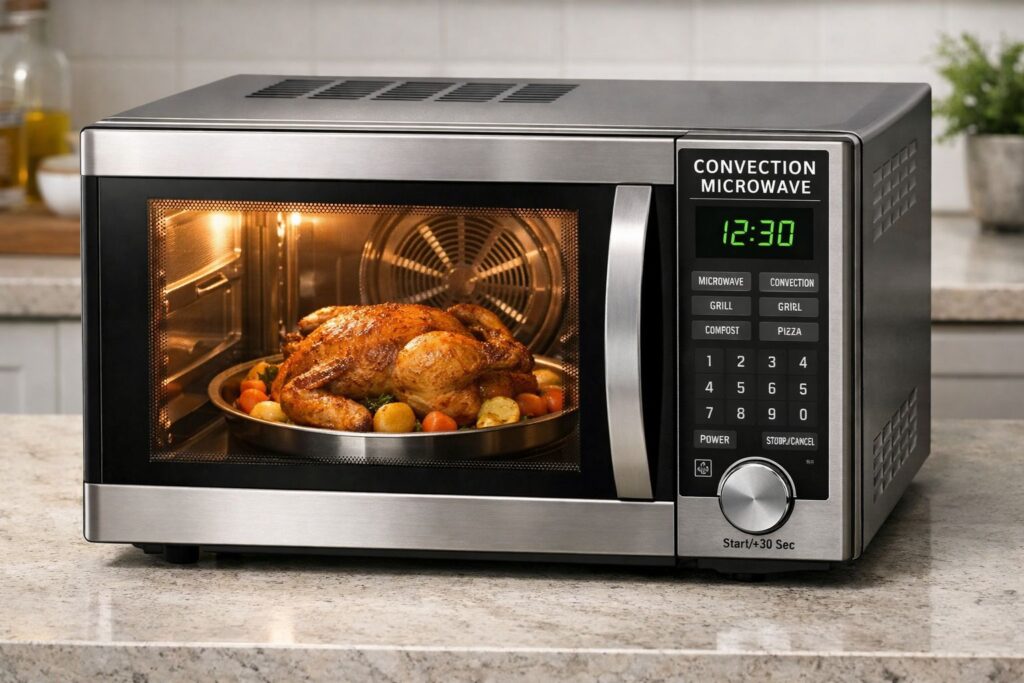
It’s a microwave that also includes:
- A fan
- A heating coil
Basically, it bakes and heats like a mini oven. Not just nuking your food.
My Real-World Results
Same chocolate cake batter, two machines:
- Whirlpool convection: Cracked top, semi-crust, 9/10 texture
- Panasonic standard microwave: Puffy and soft, but soggy bottom
The convection version looked like something you’d slice. The regular one? Better for a spoon.
Should You Get One?
Depends on your lifestyle.
- If you bake often but lack a full oven — yes
- College students, RV owners, studio apartments — yes
- Just want to microwave soup and pizza? Stick with standard
You can get used convection microwaves for under $100 on Craigslist or Facebook Marketplace. That’s how I got mine.
When Should You Use a Real Oven Instead?
Let’s be honest — some cakes don’t belong in a microwave.
If You’re Baking for a Group
Microwave baking is great for 1–2 servings. Any more, and it’s not worth the time.
- Layered cakes
- Frosted birthday cakes
- Sheet cakes or cupcakes for parties
Use the oven when you want consistency across batches.
Cakes That Don’t Work Well
Avoid these in the microwave:
- Cheesecakes — need slow heat
- Angel food cake — won’t rise without oven air circulation
- Pound cake — too dense, ends up gummy
Tried them all. Regretted it every time.
My Rule of Thumb
I go microwave when I want:
- A quick dessert
- A small treat
- Something warm and cozy on a weeknight
I go oven when:
- I want layers, frosting, or crust
- I need to serve others
- I want leftovers to last
FAQ — Can I Bake a Cake in a Microwave Oven?
Can you really bake a cake in a microwave oven?
Yes, with the right dish and recipe, microwave cakes turn out moist and fast.
How long does it take to bake cake in a microwave?
Single mug cakes cook in 1½–2 minutes. Bigger cakes take 5–6 minutes.
What kind of container should I use?
Use microwave-safe glass or silicone. Avoid metal or anything with foil.
Does the cake brown in the microwave?
No. Microwaves steam, so your cake will stay soft without a crust.
Can I use boxed cake mix in a microwave?
Yes, just reduce the portion and add a bit more moisture like oil or milk.