Leftovers should taste like real food—not like cardboard. I’ve spent years in busy kitchens, from humid Florida to freezing Midwest winters, and I’ve tested just about every method. As a professional cook and food blogger, I’ve learned the best way to reheat food in the oven without drying it out or turning it hard. In this guide, I’ll show you the real tricks I use at home to bring leftovers back to life—crispy where they should be, tender where it matters. If you’re just getting started with your oven, check out The Complete Guide to Using an Oven at Home for all the basics.
Table of Contents
ToggleWhy the Oven Is Still the Best Reheat Tool in My Kitchen
Sometimes I stare at the microwave. It’s fast. It’s easy. But most times? I walk right past it and turn on my oven.
I’ve reheated food in dozens of kitchens—Florida humidity, icy Chicago winters, and now in my dry Arizona apartment. Through all of it, the oven remains my favorite. Especially when I want food to actually taste good.
Texture Matters — And the Oven Delivers
When I reheat pizza or fried chicken, I want that texture back. Crispy crusts. Juicy centers. Not rubbery or dried out.
- Microwaves make things soggy or weirdly chewy.
- The stovetop is okay, but messy.
- The oven? It takes longer, but it’s worth it.
When I used to rush, I’d reheat leftover chicken tenders in the microwave. They’d go from golden brown to limp. Switched to the oven? Game-changer.
Real Scenarios From My U.S. Kitchens
Florida summers are brutal. If I reheat fried food without airflow, it turns soft fast. That’s when I learned to use a wire rack on a baking tray.
In Chicago, winters called for thick casseroles. My oven heated them gently—bottom to top. Microwaving them left cold spots in the center.
Arizona? Super dry. Reheating pasta uncovered here turned it into glue. Now I always cover and add moisture.
Oven vs Other Reheating Methods
Here’s what I’ve used and when I avoid it:
- Microwave: Best for soup. Worst for meat.
- Air fryer: Okay for small things. Too drying.
- Toaster oven: Great if you don’t have a full oven.
- Stovetop: Works for stir-fry or saucy dishes.
But for balance? The oven gives me the best shot at food that feels freshly cooked.
My Go-To Oven Reheating Setup (Simple But Game-Changing)
After years of reheating meals, I’ve landed on a method that just works. No fancy tricks — just smart steps.
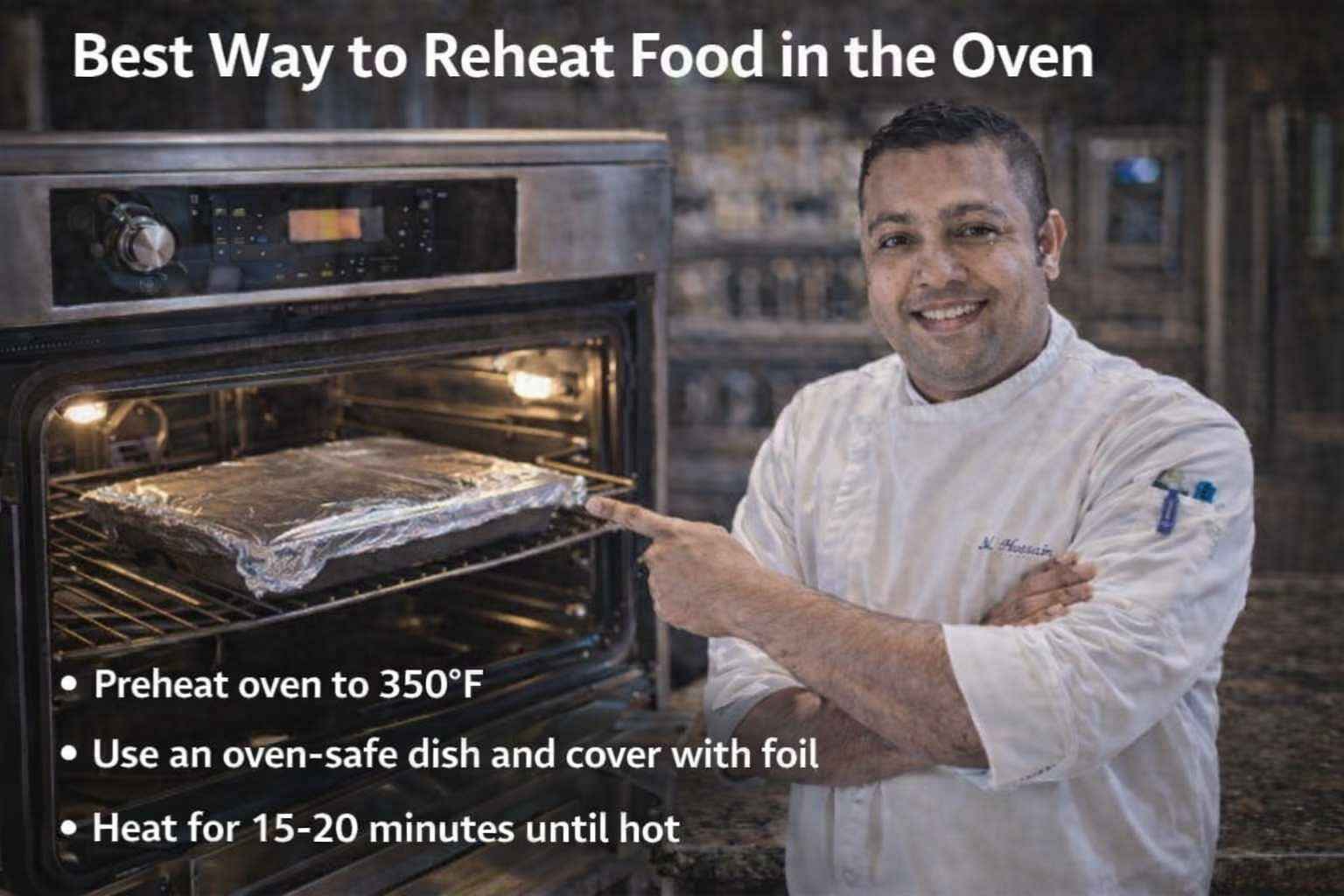
Preheat — Always
I used to skip preheating. I thought it didn’t matter.
Wrong.
Without it, food sits too long waiting for heat. That’s when it dries out. Now I let my oven beep, then wait 5 more minutes. It sounds silly, but it works.
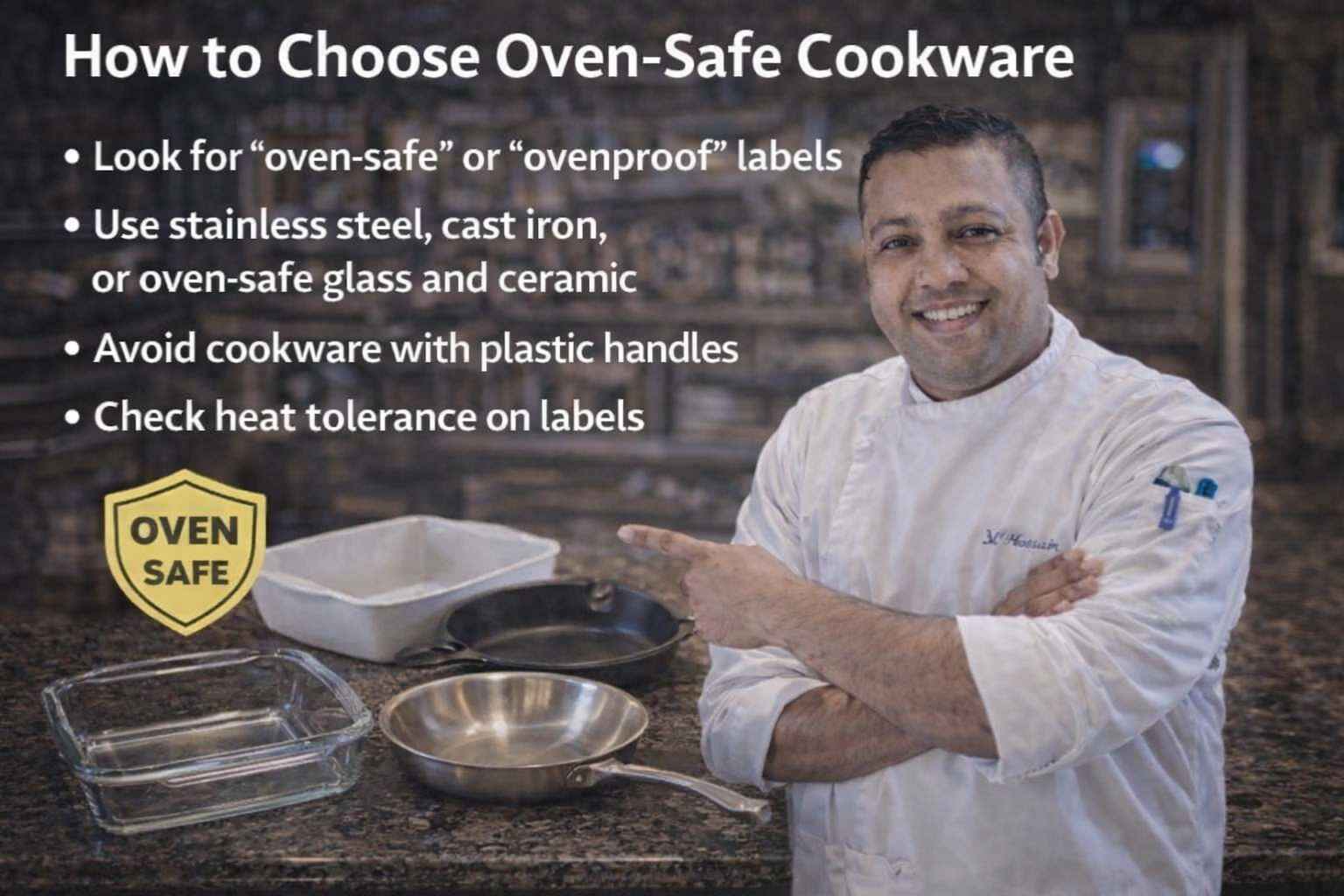
The Right Pan Makes a Difference
What you use matters. I’ve tried them all.
- Rimmed baking sheets for airflow
- Glass baking dishes for casseroles or pasta
- Cast iron when I want crispy reheats
I once used a thin metal pan for lasagna. Big mistake. The bottom burned before the middle was warm.
Low and Slow = Juicy, Not Jerky
275°F to 325°F is my reheating sweet spot.
High heat might seem faster, but it overcooks the outside before the inside is warm. Especially with meat or pasta.
Now I give food time to come back to life gently.
My Real Oven Techniques That Keep Food from Turning Hard
These are the real tricks I use almost daily. They came from ruined meals and accidental wins.
Add Moisture — But the Right Way
Water is magic when reheating — if you use it right.
- For rice or pasta: add a tablespoon of broth or water
- For meats: cover with foil to trap steam
- For breaded items: just a mist of oil or butter
I once dumped water on mac and cheese. It turned into soup. Lesson learned — go light.
Use Parchment, Not Foil, for Certain Foods
Foil can over-steam or crisp too much. I use parchment paper when reheating:
- Pizza slices
- Croissants or muffins
- Roasted veggies
It lets heat through but keeps moisture in just enough.
Timing by Texture
Every food has its rhythm. I’ve learned to listen.
- Baked goods, pizza: 5–10 min
- Casseroles, pasta, meats: 15–20 min
- Roasts, baked potatoes: 25–35 min
I always check halfway. Ovens vary. And leftovers aren’t consistent either.
Rotating Trays — A Tiny Habit That Helps
Some ovens have hot spots. Mine definitely does.
Halfway through reheating, I rotate the tray. Front to back. Sometimes top to bottom.
It’s a small step that makes a big difference in even heating.
Specific Foods I Reheat Often — And How I Nail the Texture
Here’s how I reheat my regular leftovers. Each one took some trial and error.
Pizza
Temp: 325°F. Time: 8–10 minutes.
- Use parchment on a baking sheet
- Skip foil — it traps moisture
- Optional: place a ramekin with water on a lower rack
I’ve even reheated three-day-old pizza this way. Still tasted fresh.
Fried Chicken
Temp: 300°F. Time: 15–20 minutes.
- Use a wire rack over a tray
- Cover loosely with foil for the first half
- Remove foil to crisp the skin
I tried microwaving it once. Regretted it instantly. The crust went soggy and sad.
Casseroles & Bakes
Temp: 275°F–300°F. Time: 20–30 minutes.
- Use a glass or ceramic dish
- Add a splash of water or broth before covering
- Keep it covered until the last 5 minutes
I make a cheesy zucchini bake every fall. This method keeps it creamy, not crusty.
Rice, Pasta, and Noodles
Temp: 275°F. Time: 15–20 minutes.
- Stir in water or broth
- Cover tightly with foil
- Stir halfway through if possible
I never reheat pasta dry anymore. It ends up crunchy. That Arizona air doesn’t play.
Baked Goods (Bread, Muffins, Rolls)
Temp: 300°F. Time: 5–8 minutes.
- Wrap in foil
- Warm on the middle rack
- Brush with butter if needed after reheating
I love a warm biscuit in the morning — not one that turns into a hockey puck.
Roasted Meats or Veggies
Temp: 300°F–325°F. Time: 20–25 minutes.
- Drizzle with oil or cover if it’s lean meat
- Use convection if crispiness is okay
- Keep an eye on smaller veggies like carrots — they brown fast
Roasted sweet potatoes? I reheat them face-down on parchment. Keeps them tender and caramelized.
What Not to Do (From My Trial-and-Error Failures)
These mistakes taught me more than any cookbook.
Don’t Skip Moisture When Needed
I reheated chili once with no lid. The top layer dried like a crust.
Now I always:
- Add a tablespoon of water to anything starchy
- Keep casseroles covered
- Let it rest after reheating to lock in moisture
Avoid High Heat Unless You’re Crisping
One day I tried reheating pork chops at 400°F. The outside looked great. The inside? Ice cold.
Now I reheat slower. If I want crispiness, I crank it up in the last 5 minutes only.
Don’t Reheat in Takeout Containers
Cardboard and plastic don’t belong in ovens.
- Plastic melts or leaches chemicals
- Paper dries out food
Always transfer leftovers to something oven-safe. I learned that after a soggy carton of Chinese food collapsed mid-reheat.
Reheating for Different Needs (Work Lunches, Family Leftovers, Meal Prep)
Reheating isn’t one-size-fits-all. Here’s how I tweak things based on my day.
Reheating for One (My Weeknight Routine)
I live alone now. So I usually reheat just one plate.
- Use a quarter-sheet pan or small baking dish
- Preheat the oven while I unwind
- Keep the temp low and check after 10 minutes
Most nights, I’m heating up roasted veggies, baked chicken, or leftover pasta.
Batch Reheating for a Family
When my nieces visit, I reheat big trays of lasagna or enchiladas.
- Stagger dishes in the oven
- Use multiple racks — rotate halfway
- Set oven to 300°F and adjust time as needed
A convection setting helps here. The fan makes sure the top tray doesn’t overcook.
Meal Prepping with Oven Reheats in Mind
I often cook in bulk. Chicken thighs. Roasted squash. Ziti.
Here’s what works best for future reheating:
- Use foil trays for freezing
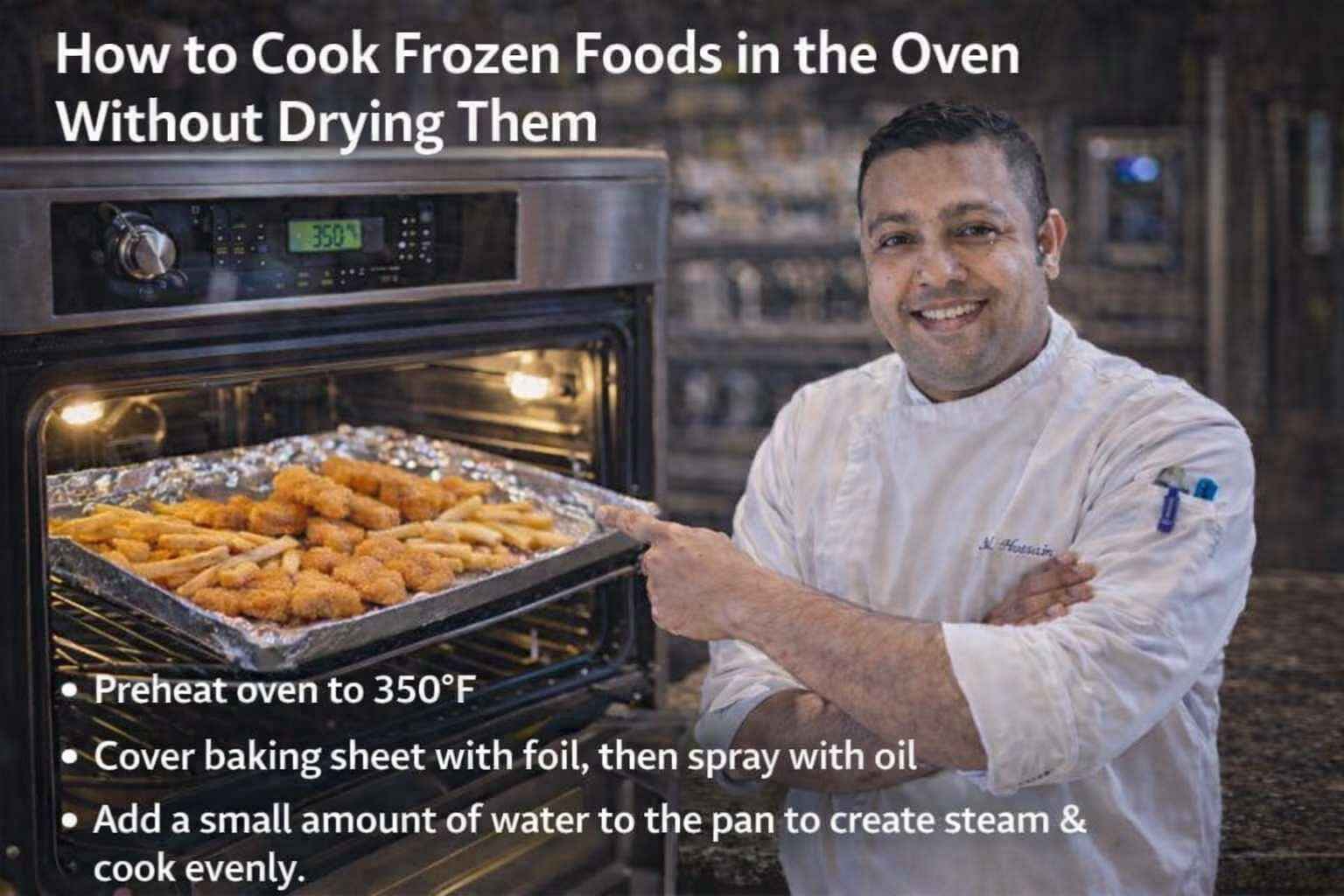
- Let food thaw in the fridge overnight
- Reheat low and slow — same rules apply
Sundays are usually my prep day. I plan ahead for oven reheat time during the week.
Real Talk — Oven Type and Kitchen Setup Makes a Difference
Your oven’s personality matters. I’ve worked with a few — and none of them behaved the same.
Gas vs Electric
- Gas ovens: moist heat, heats fast
- Electric ovens: dry heat, steadier temps
In my Florida kitchen, gas worked great for juicy roasts. In New York, my electric oven was better for bread.
Convection Mode? Use It Wisely
I use convection when I need even crispness — like roasted potatoes or sheet pan meals.
- Lower the temp by 25°F
- Don’t use it for delicate reheats (muffins, cakes)
That fan is powerful. One time it over-dried my leftover stuffing.
Oven Hot Spots and Rack Position
I’ve tested hot spots with toast slices. Some corners brown way faster.
- Middle rack is safest
- Avoid bottom unless crisping
- Rotate trays halfway for balance
I keep a sticky note near the oven reminding me where my hot zones are.
Kitchen Climate Impacts Reheat Strategy
Humidity and altitude change everything.
- Florida: too much moisture, food gets soggy fast
- Arizona: dry air sucks moisture out fast
- Midwest winters: cold kitchens, slow warm-ups
I adjust moisture levels and preheat time depending on the season and city.
Tools I Actually Use for Reheating in the Oven
I don’t believe in gadget overload. Just the essentials.
My Short List of Must-Haves
- Rimmed sheet pans (Nordic Ware or USA Pan)
- Glass baking dishes (Pyrex)
- Wire racks (for airflow)
- Heavy-duty foil
- Parchment paper or silicone baking mats
These tools have survived years of meal prep and late-night leftovers.
Optional Tools That Help
- Oven thermometer (Taylor or ThermoWorks)
- Infrared surface thermometer (for baking stones or pans)
- Convection setting (if your oven has it)
I once discovered my oven ran 20°F cold using a thermometer. No wonder my ziti kept coming out undercooked.
Final Thoughts from a Real Kitchen (And Real Leftovers)
Look, leftovers deserve better than a soggy microwave zap. They deserve a little care.
Oven reheating isn’t fast. But it brings food back to life. You get the texture. The warmth. The flavor that says, “This was worth saving.”
And when I sit down to that perfectly reheated slice of pizza — crust crackling, cheese gooey — I’m reminded why I keep using the oven.
Even if it takes a few extra minutes.
FAQs
What is the best way to reheat food in the oven?
Use 275–325°F with foil to keep food moist. Add a splash of broth or water if needed. Always preheat the oven first for even reheating.
How do I keep food from turning hard when reheating?
Cover the food and reheat it low and slow. Add moisture if it’s dry. Use parchment paper for crisp foods like pizza or roasted veggies.
Can I reheat all types of leftovers in the oven?
Most foods work well. Casseroles, meats, pasta, and baked goods all reheat better in the oven with the right pan, temp, and moisture.
Do I need to flip or rotate food while reheating?
Yes. Rotating trays halfway helps avoid hot spots. For thicker items, flipping can help heat the center without overcooking the outside.
Is it safe to use foil or parchment paper in the oven?
Yes. Foil traps steam and keeps food soft. Parchment paper is great for crisp edges. Never use wax paper—it’s not oven safe.