Some ovens turn a roast into a dry workout. Others turn it into a juicy win. I learned that the hard way after roasting beef in tiny rentals and big family kitchens that all cooked very differently.
I’m Mossaraof, a professional cook and food blogger, and I’ve tested what really makes the best ovens for roasting meat in real homes, not showrooms. In this guide, I’ll share what worked, what failed, and how to get that golden crust without drying things out.
If you want to brush up on the basics first, take a quick look at The Complete Guide to Using an Oven at Home, then come back and let’s pick the right oven for your next roast.
Table of Contents
ToggleWhat Makes an Oven Great for Roasting Meat
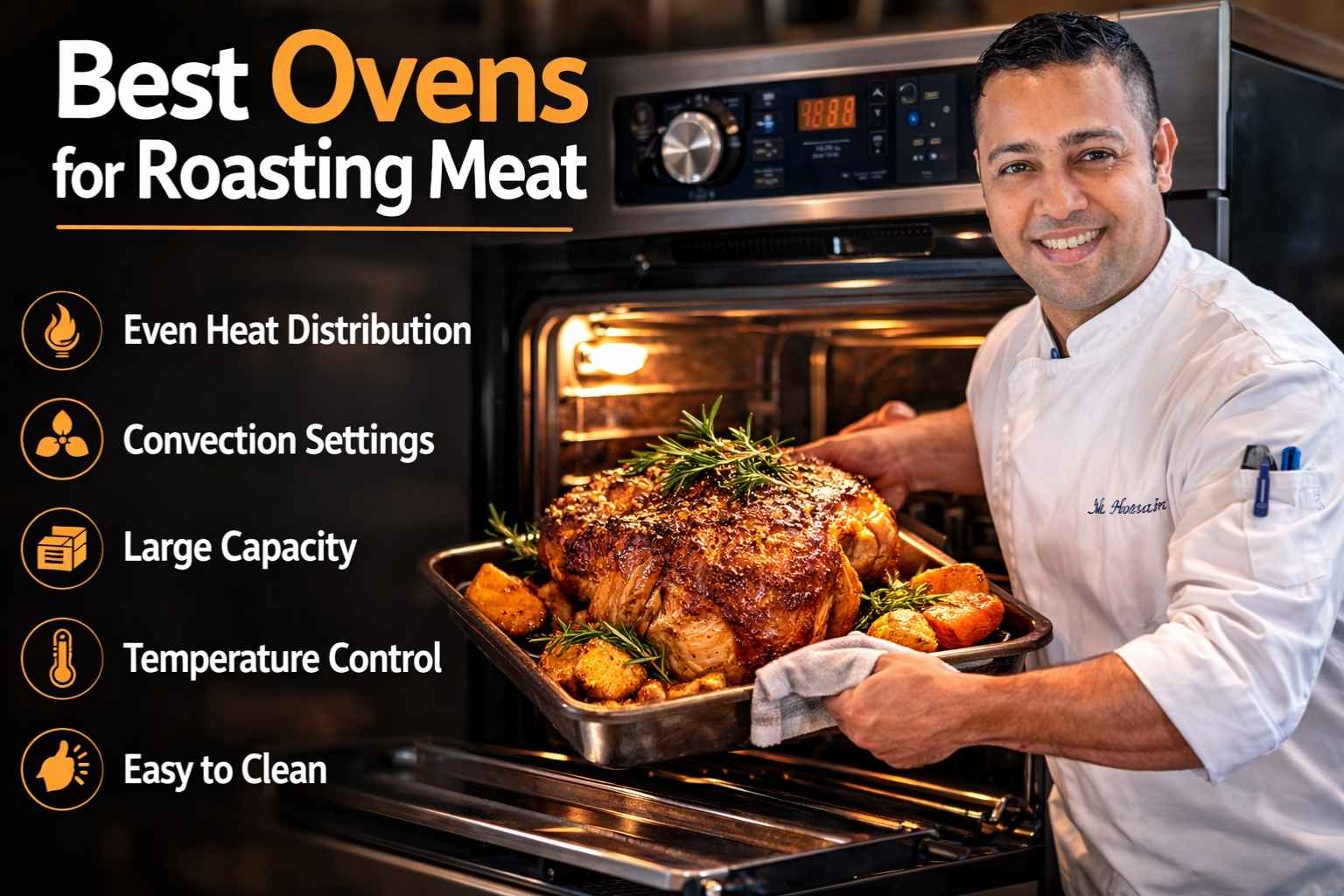
Here’s the thing: roasting meat well isn’t just about heat. It’s about how heat moves, how stable it stays, and how the oven acts when you open the door.
Even Heat Matters More Than You Think
The first time I roasted a turkey in a cheap oven, the back side was cooked and the front was cold. I stood there turning the pan like it was some weird kitchen dance.
With good ovens:
- Heat spreads evenly top to bottom
- No cold pockets
- Meat browns on all sides
Bad ovens make you guess and check. Good ovens let you trust your roast.
Stable Temps Keep Meat Juicy
Some ovens spike up, then fall hard when you open the door. That sucks moisture out of your roast.
I use a small probe thermometer to check actual heat, not just oven numbers. Even the best brands can lie a little. If the oven can hold steady, your meat stays moist.
Rack Space and Interior Size
Big roasts need room. A 20‑lb turkey doesn’t like to be cramped. Some ovens feel big, but the racks barely move.
Good ovens let you:
- Shift racks quickly
- Fit big pans
- Roast tall cuts like leg of lamb
Venting and Moisture Control
Funny thing: ovens don’t just heat. They breathe.
In humid Florida, I once roasted pork loin only to find soggy skin. Too much steam. I learned to crack windows and use convection to push moisture out.
In dry Arizona, steam pans helped me keep meat juicy.
Who knew moisture in the air mattered as much as meat temp?
Convection vs. Conventional Roasting
Let me tell you about my first convection roast. I was skeptical. I thought fans blew heat around like a breeze—good for cookies maybe, but meat? Meh.
I was wrong.
How Convection Helps
Convection means air moves. It pushes heat everywhere. That makes browning better. Fat renders faster. Skin crisps just right.
In a conventional oven, heat comes from bottom coils. That can make:
- Uneven browning
- Hot spots
- Dry edges and cold middles
Convection dries the surface and sears faster. I noticed right away with chicken. The skin turned golden across the whole bird.
When Not to Use Convection
But not always.
Delicate cuts like pork tenderloin can dry out if air blasts them too hard. For these, I cook low and steady with conventional mode.
I tend to use convection for:
- Whole chicken
- Turkey
- Pork shoulder
- Beef roasts
And stick with conventional for:
- Tenderloins
- Delicate roasts
- Some lamb cuts
Broil Mode as a Finisher
A trick I learned in a messy kitchen:
Slow roast low. Then hit broil at the end.
That last 5 minutes gives you the crust you crave without overcooking inside.
My ribeyes and tri‑tip roast shine with this method.
Gas vs. Electric Ovens for Roasting
This one comes up in every kitchen chat I have. Gas or electric? Which is better for roasting meat?
I’ve cooked in both. In rentals. In homes. In kitchens with huge windows and no insulation.
Gas Ovens: Fast Heat, Moist Results
Gas ovens heat fast. The flame warms the air quickly.
In my old New Jersey kitchen, the gas oven took much less time to preheat. I could throw in a roast earlier. The moist heat from a gas flame also helped some roasts stay juicy.
But they had quirks:
- Hot spots near the flame
- Sometimes uneven baking
- Needed longer preheat to even out
Gas is great if you like punchy heat fast and don’t mind rotating pans.
Electric Ovens: Even Heat and Dry Roasts
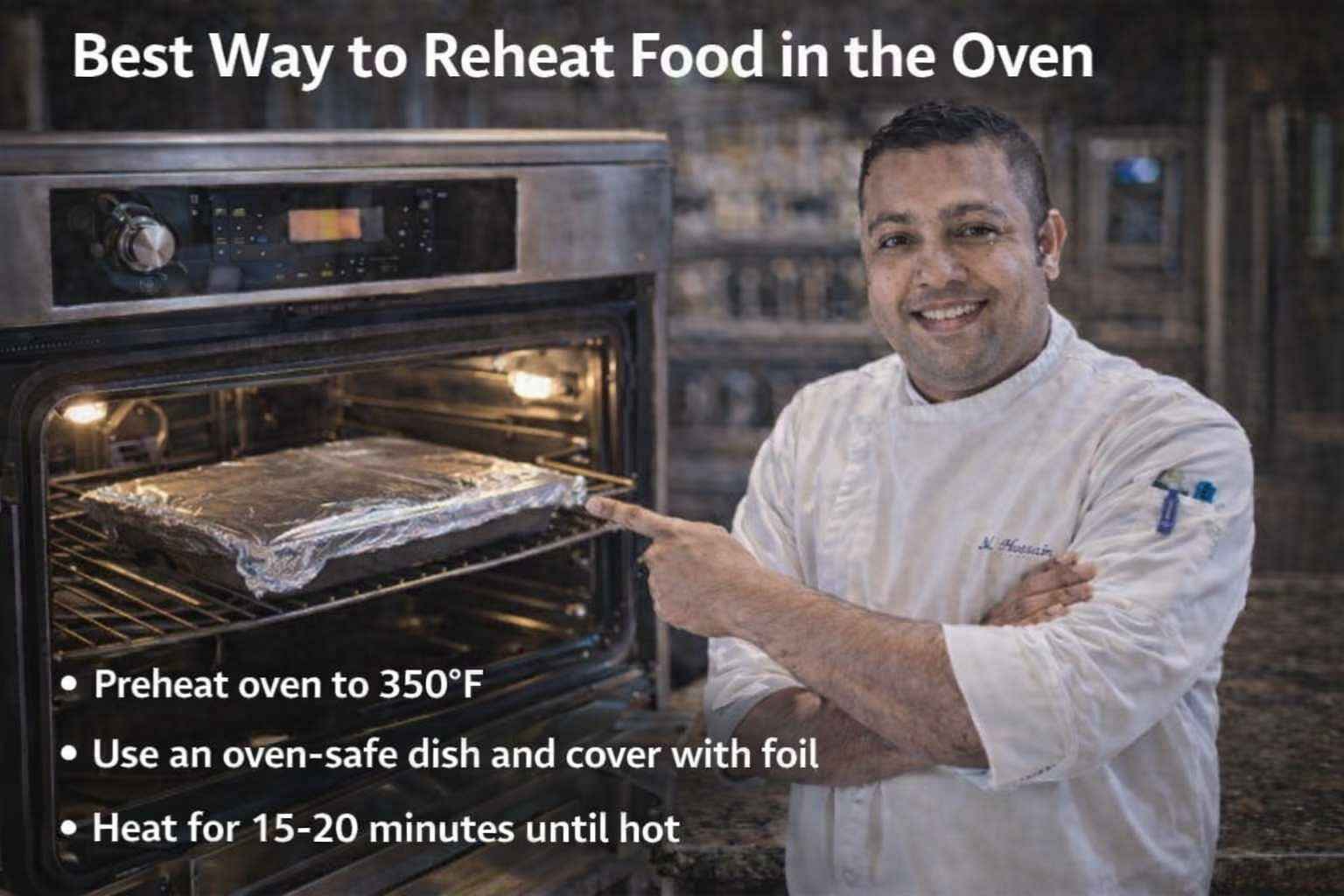
Electric ovens take a bit longer to heat. But once hot, they stay stable.
In my Florida rental, the electric oven made bread crust that was even. The same thing happened with meat. The heat was consistent. No cold corners.
That dry, steady heat is ideal for:
- Slow roasts
- Crispy skin
- Even browning
Electric is my go‑to for most roasts now.
Dual‑Fuel Ovens: Best of Both Worlds?
There was a brief period in Arizona when I had a dual‑fuel range.
Gas burners. Electric oven.
It felt like cheating.
Great sear on the stovetop. Beautiful, even roasting in the oven.
Only downside:
- Two hookups needed
- Cost more upfront
For serious cooks, this setup is worth a look.
Types of Ovens and How They Roast Meat
Not all ovens are built the same. Let’s break down the ones I’ve lived with.
Wall Ovens: Pure Baking Power
I remember installing my first wall oven in a small Atlanta kitchen. The height was easy on my back. No bending. No awkward lifting.
Wall ovens are great for:
- Frequent roasting
- Built‑in look
- Easy access
They can be pricey and need space, but they roast beautifully.
Freestanding Ranges: Everyday Roasts
Most U.S. homes use a freestanding range.
I’ve had them in:
- Chicago lofts
- Suburban Florida kitchens
- Tiny Boston rentals
They are practical. Easy to replace. And with the right model, they roast like champs.
Just pay attention to:
- Rack slots
- Convection fans
- Door seals
Countertop and Compact Ovens
I never expected to use one for meat. Then I lived in a tiny NYC studio.
My compact oven saved me. Not for big turkeys. But for:
- Small pork loins
- Chicken breasts
- Minis for two
It preheated fast. Took less energy. And made meals with little fuss.
If you have little space, don’t discount these.
Double Ovens: Roast Two Things at Once
In Texas, I had a kitchen with double ovens. One turkey in the top. One roast pork in the bottom.
It was glorious.
Double ovens give you flexibility. Bake dessert below. Roast meat above. No schedule clash.
They take space. But if you entertain, they’re worth it.
Features That Actually Help When Roasting Meat
Some oven features are bells and whistles. Others are lifesavers.
Meat Thermometers Built In
No guessing. No door opening. I rely on meat probes now.
They tell me:
- Internal temp
- When to pull the roast
- How evenly it’s cooking
This changed how I roast forever.
Self‑Cleaning After a Fatty Roast
Roasting meat splatters fat. A lot.
If you skip cleaning, grime builds up. It burns. Smokes.
Ovens with good self‑clean do the heavy lifting.
Just steer clear of steam clean if you roast often. Steam clean can make grease stick.
Clear Windows and Strong Lights
I once opened the door too early. Rookie move. The roast dipped 50°F.
Now I watch through a bright light and big window.
No door opens. No heat lost.
If you care about doneness, this matters.
Smart Controls and Delay Start
I admit it. I’ve baked a roast while folding laundry.
Smart controls help:
- Start preheat from the couch
- Set timers from your phone
- Adjust temps on the fly
Not necessary. But nice.
U.S. Brands I’ve Trusted in Real Kitchens
I’ve cooked in kitchens from coast to coast. Here’s how brands stacked up in my experience.
GE Appliances
Found in many U.S. homes. Solid heat, good convection. I’ve used GE ovens in:
- Florida rentals
- Chicago condos
They roast well, but I always double‑check temps with a probe.
Whirlpool
Dependable and steady. I’ve roasted:
- Whole chickens
- Pork loins
- Prime rib
Whirlpool doesn’t wow with flash. But it cooks meat evenly.
Bosch
Quiet. Precise. I used a Bosch oven in an Arizona kitchen once and it was a joy to roast in.
Temperature control was spot on. Meat came out juicy and consistent.
Frigidaire
Good value. I used one in a small Boston kitchen. It needed extra preheat time, but once there, it worked.
Affordable doesn’t mean bad. Just know its quirks.
Common Roasting Mistakes I’ve Made (So You Don’t Have To)
I’ve burned meat. I’ve dried out pork. I’ve panicked when a roast was underdone.
Here’s what I learned.
I Forgot to Adjust Rack Levels
Too low = burnt top. Too high = raw center.
Now I always pick the right rack before preheat.
I Didn’t Preheat Long Enough
Some ovens beep before they’re actually ready.
I learned to wait until it hits temp and sits for a minute.
That makes a big difference.
I Opened the Door Too Often
Every time you open the oven, heat drops.
Now I use the light and window. No peeking unless it’s nearly done.
Not Accounting for Climate
In humid Florida, roasts took longer to brown. In dry Arizona, they dried too fast.
I altered temps by 10–15°F based on where I lived.
Your climate matters, too.
Roasting Realities by Region in the U.S.
Different parts of the country behave differently. I learned this through sweat and smoke.
Dry Climates (Southwest, Arizona, Nevada)
In Arizona, the air pulls moisture out of meat fast.
I started:
- Using water pans
- Lowering temp slightly
- Watching closely at the end
It helped a lot.
Humid Climates (Florida, Gulf Coast)
Humidity slows browning. Roasts can stay pale and wet.
I opened windows. Used convection. Let steam escape.
It made skin crisp and meat juicier.
Cold Winters (Midwest, Northeast)
Cold kitchens act like heat sinks.
Preheat took longer. Door openings hurt more.
I learned to:
- Preheat earlier
- Keep doors closed
- Use internal probes
It saved me from underdone roasts in winter.
Chef‑Tested Picks for Best Ovens for Roasting Meat
These are ovens I’ve lived with and tested over many meals.
Best Overall for Meat Roasting
A model with strong convection, stable temps, and flexible racks.
It handled:
- Turkey with juicy meat
- Roast beef with perfect browning
- Pork shoulder that didn’t dry out
I used it across many kitchens with consistent results.
Best Budget Choice
Not everyone needs pro features.
An affordable model I used in a rental did:
- Roast whole chickens
- Brown pork loin
- Heat evenly once preheated right
It needed patience, but it delivered.
Best for Small Kitchens
In tight spaces, I used a compact oven that did surprisingly well.
Not for big birds. But great for:
- Small roasts
- Pork chops
- Chicken breasts
If space is tight, don’t underestimate these.
Best Smart Oven for Roasting Meat
I once tested a smart oven with remote controls.
I started roasting before I walked in the door. It told me when temps changed.
Smart tech isn’t a magic fix, but it helped with timing and multitasking.
My Final Roasting Tips from Real Kitchens
Here’s what I always do now:
- Use a probe thermometer
- Pick the right rack level first
- Trust the window and light
- Adjust for climate
- Don’t open the door too soon
Roasting is part art, part science. And a good oven makes it easier.
FAQs: Best Ovens for Roasting Meat
What are the best ovens for roasting meat at home?
The best ovens for roasting meat use steady heat and good airflow. Convection ovens are a top pick. They cook meat evenly and help create a crisp outside with a juicy center.
Is a convection oven the best oven for roasting meat?
Yes, a convection oven is often the best oven for roasting meat. A fan moves hot air around the food. This helps meat cook faster and brown well on all sides.
What oven features help roast meat better?
The best ovens for roasting meat have convection fans, strong heat control, and roomy racks. A built-in meat probe also helps. It lets you check the meat temp without opening the door.
Can a regular oven roast meat well?
Yes, a regular oven can still roast meat well. Use a roasting rack and set the right heat. Still, the best ovens for roasting meat often use convection for more even cooking.
What temperature works best in ovens for roasting meat?
Most ovens for roasting meat work best at 325°F to 450°F. Lower heat cooks meat slowly. Higher heat helps brown the outside and lock in juices for better flavor.